

What makes one Brooklyn apartment floor stand out while another feels plain and very traditional? The answer often lies in the type of flooring beneath your feet.
In this detailed guide, we’ll explore the best types of flooring for Brooklyn apartments and help you figure out which one fits your home, lifestyle, and budget. You’ll discover the strengths and drawbacks of popular options, like hardwood, vinyl, laminate, tile, cork, and more.
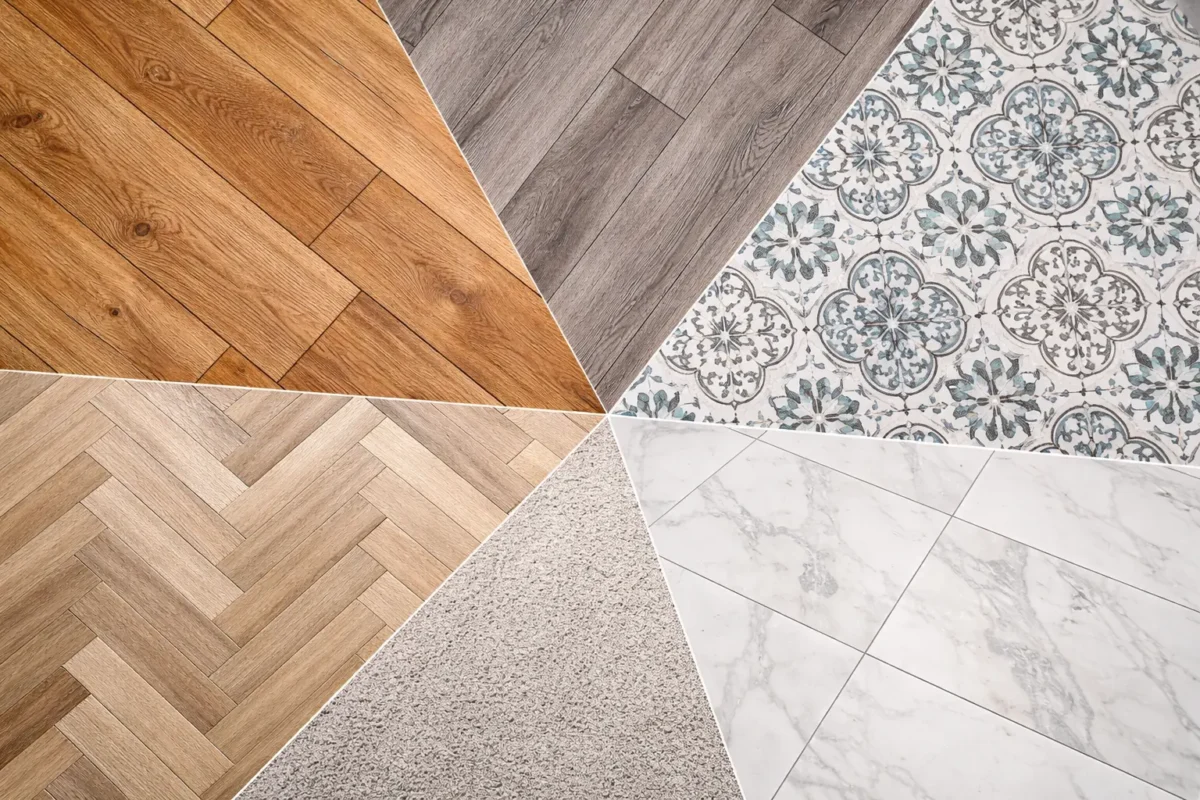
Overview of Each Type of Flooring Option
| Flooring Type | Durability | Water Resistance | Noise Control | Maintenance | Cost Level (NYC) |
|---|---|---|---|---|---|
| Hardwood | High | Low | Medium with underlayment | Medium (needs refinishing) | High |
| Engineered Wood | High | Medium | Medium with acoustic pad | Medium | Medium–High |
| Laminate | Medium | Low–Medium | Medium with underlayment | Low | Low–Medium |
| Vinyl / LVP / LVT | High | High | Medium | Low | Low–Medium |
| Tile (Porcelain / Ceramic / Stone) | Very High | Very High | Low | Medium | Medium–High |
| Carpet / Carpet Tiles | Medium | Low | High | Medium–High | Low–Medium |
| Cork | Medium | Low–Medium | High | Medium | Medium |
| Bamboo | Medium–High | Low–Medium | Medium | Medium | Medium |
| Concrete | Very High | High | Low | Low | Medium–High |
| Epoxy | Very High | High | Low | Low | Medium |
| Linoleum | Medium | Medium | Medium | Medium | Low–Medium |
| Rubber Flooring | High | Medium | High | Low | Medium |
| Terrazzo | Very High | Medium–High | Low | Low | High |
| Ceramic Plank Tiles | Very High | High | Low | Medium | Medium–High |
Pro Tip
SR General Construction NYC is a fully licensed Brooklyn team with over 15 years of experience in the city, having completed more than 750 projects and serving 500+ satisfied clients – plus they offer 24/7 support.
What Is the Difference between Floor Installation and Renovation for Your Apartment?
Floor installation refers to the process of installing a brand new floor where none existed before, or where the old one is first removed. You start with the subfloor, then add underlayment and your chosen material in steps. Floor renovation means improving the existing floor through repairs, refinishing, or partial replacement, rather than starting from scratch.
Renovation focuses on fixing damage, updating the style, and extending the life of the existing floor. In short, installation creates a new floor, while renovation brings your current floor back to life.
Hardwood Flooring for Your Brooklyn Apartment
If you love warm, classic Brooklyn interiors, you will probably picture hardwood floors first.
Real wood brings a natural character, rich color, and a solid feel underfoot, which many people in Brooklyn still prefer.
Hardwood works best when you want long-term value and a floor that can be refinished multiple times over the years.
Benefits of hardwood for you:
- Adds strong resale value for your apartment.
- Gives your rooms a timeless, upscale look that never goes out of style.
- It can be sanded and refinished after scratches or wear.
- Handles everyday traffic well when properly cared for.
Key features you should know:
- It comes in many species, such as oak, maple, and walnut.
- Offers different plank widths, from narrow strips to wide planks.
- Allows custom stains and finishes, ranging from light, natural tones to deep, dark shades.
- Feels firm underfoot yet still warmer than tile.
- Needs a stable indoor humidity level to keep the boards flat.
Installation cost for hardwood in Brooklyn:
For Brooklyn and the greater NYC area, you usually pay about $9 to $18 per square foot to install hardwood flooring with materials and labor together.
Engineered Wood: The Modern Alternative for Your Home in Brooklyn
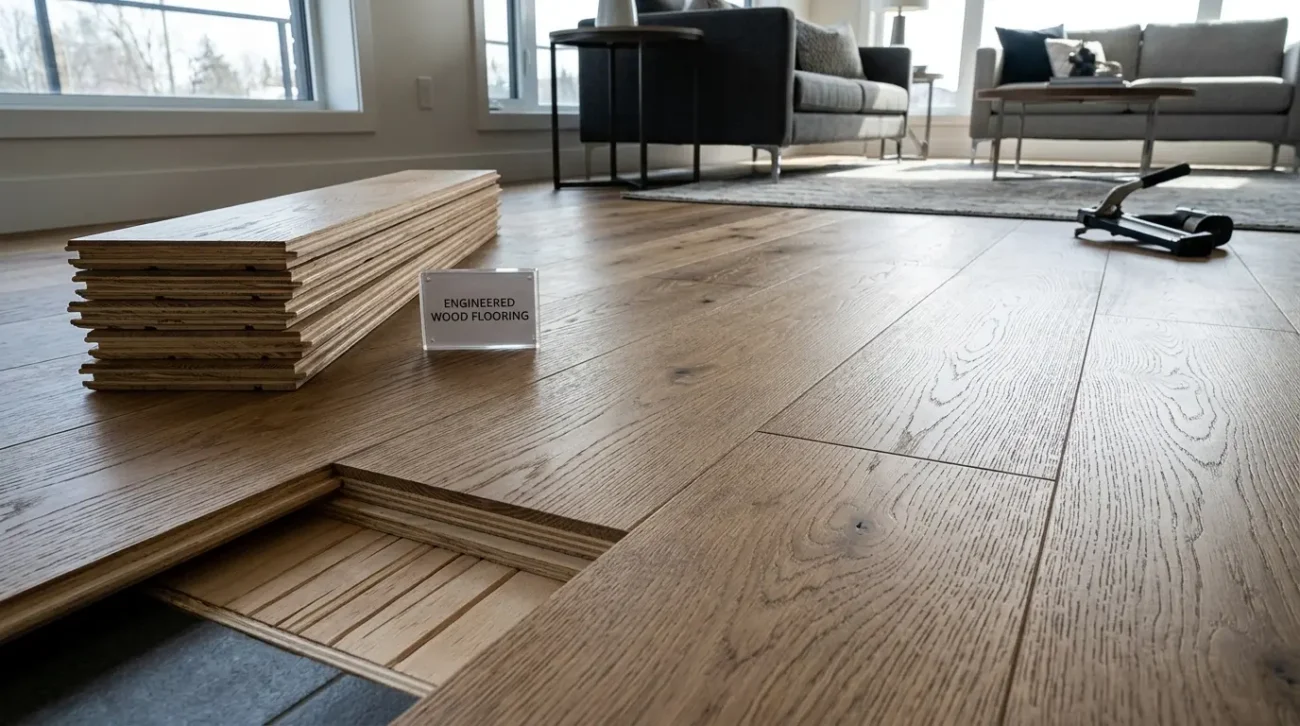
If you like the look of real wood but worry about humidity or building regulations, engineered wood can provide a smart balance.
It features a real hardwood top layer over a stable core that better handles temperature changes than solid wood.
This floor works well in Brooklyn condos and co-ops where boards want something thinner and more stable.
Benefits for your apartment:
- Provides a genuine wood surface with a more stable structure.
- Works better than solid wood over concrete or radiant heat.
- Often fits under doors and baseboards without major changes.
- Usually costs less than premium solid hardwood while still looking high-end.
Key features to notice:
- Multi-layer construction with a hardwood veneer on top.
- Can be installed using floating, glue-down, or click-lock methods.
- Comes in many of the same species and stains as solid hardwood.
- Some products allow one or two light refinishes.
- Often meets building rules more easily because of lower movement and paired acoustic underlayment.
Installation cost for engineered wood:
For engineered wood floors in New York, you usually see about $7 to $15 per square foot installed.
Laminate Flooring: Budget-Friendly Versatility for Your Space
If you want a wood look without a wood price, laminate flooring can help you stretch your budget.
Modern laminate features photo layers that closely mimic the appearance of real wood, so guests may not notice the difference at first glance.
This type of flooring suits busy Brooklyn homes where you want style, plus a surface that doesn’t scare you every time someone drags a chair across it.
Benefits for you:
- Keeps upfront costs low while still giving a stylish look.
- Resists many scratches from pets, kids, and chairs.
- Works well for DIY projects if your building allows it.
- Offers a vast variety of colors and patterns, allowing you to match any style.
Key features to keep in mind:
- Uses a fiberboard core with a printed design layer and a tough wear layer.
- Installed as a floating floor with click-together boards.
- Best suited to dry or low-moisture rooms.
- Feels a little harder and louder than real wood without good underlayment.
- Usually, it cannot be refinished, so it is replaced when it wears out.
Installation cost for laminate:
Laminate stays on the cheaper side in NYC. Current city-specific data indicates a range of $4 to $10 per square foot for laminate flooring, including materials and labor.
Vinyl Flooring and Luxury Vinyl Plank (LVP/LVT) for Your Brooklyn Apartment
If you want floors that withstand spills and busy days, vinyl and luxury vinyl plank can be great options for your home. LVP and LVT come in planks or tiles that copy wood or stone with very realistic textures. These options suit Brooklyn renters and owners who need something durable and quiet, with the right underlayment, and are easy to clean.
Benefits for your lifestyle:
- Handles water very well, so you can relax about spills in kitchens and entryways.
- Resists scratches from moving furniture or pet claws.
- Feels softer underfoot than tile, which helps in long, narrow Brooklyn layouts.
- Works nicely in buildings that allow for floating floors, as many products click together.
Key features to look at:
- Available as planks or tiles that look like wood or stone.
- Utilizes various cores, including flexible vinyl, WPC, and rigid SPC.
- Pairs well with sound control underlayment to meet building noise rules.
- Easy daily care with sweeping and occasional damp mopping.
- Often thin enough to be installed over existing floors, if your board allows it.
Installation cost for vinyl and LVP/LVT:
For vinyl plank and luxury vinyl (LVP/LVT) in New York, the current installed cost typically ranges from $4.70 to $12.40 per square foot.
Tile Flooring: Porcelain, Ceramic, and Natural Stone for Your Brooklyn Home
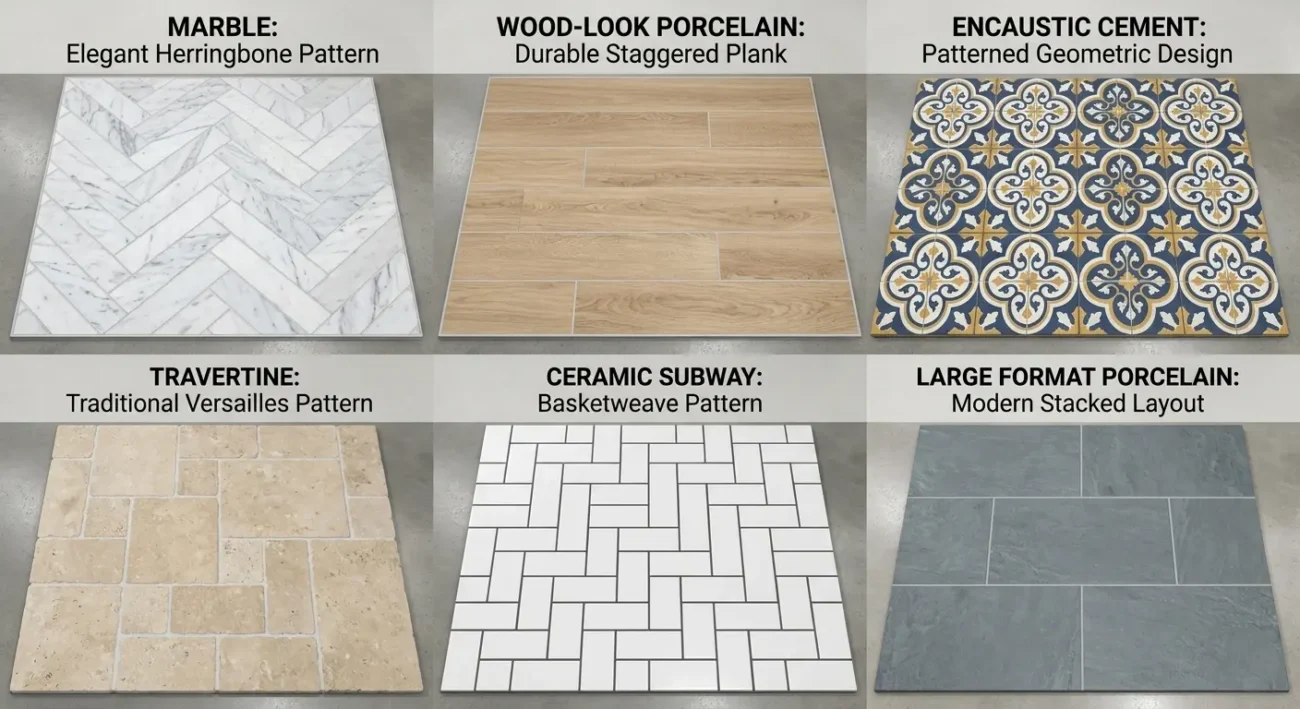
If you’re looking for a durable and water-resistant flooring option for your Brooklyn apartment, tile flooring can provide you with peace of mind.
Porcelain and ceramic tiles are ideal for kitchens, bathrooms, and entry areas where moisture and dirt accumulate daily.
Natural stone, such as marble or slate, adds a luxury feel, although it needs more care from you.
Benefits for your space:
- Offers excellent water resistance, making it suitable for use in baths and kitchens.
- Handles heavy foot traffic and lasts for many years when you care for it.
- Offers endless design choices with a variety of patterns, shapes, and colors.
- Works well with radiant floor heat, which many New Yorkers love in winter.
Key features that matter:
- Porcelain usually feels denser and more durable than standard ceramic.
- Natural stone requires regular sealing to prevent stains.
- Grout lines significantly impact both the appearance and cleaning of a space, so it’s essential to choose the right width and color.
- Feels cooler underfoot, which may help on upper floors or in sunny rooms.
- Requires a solid, flat subfloor to prevent tile cracking over time.
Installation cost for tile flooring:
Tile is one of the more expensive options in NYC. For New York City, recent construction cost data indicate a range of $9.80 to $21.30 per square foot installed for tile floors, which includes tile, thinset, grout, and labor.
Carpet and Carpet Tiles for Your Cozy Brooklyn Rooms
If you want your Brooklyn apartment to feel soft, quiet, and warm, carpet and carpet tiles can help you a lot. You get a cushioned surface that calms echo and hallway noise, which really helps in busy buildings. Carpet tiles also provide a backup plan, as you can easily swap out one piece if kids or pets leave a stain.
Benefits for you:
- Adds warmth and comfort under your feet in bedrooms and living areas.
- Reduces noise between floors so your downstairs neighbor feels happier.
- Gives you many colors and patterns so your rooms match your style.
- Carpet tiles allow you to replace individual squares instead of the entire floor.
Key features to notice:
- Comes in many fiber types, such as nylon, polyester, and wool.
- Different pile heights change the feel, from low and firm to deep and plush.
- Needs a good quality pad under the main carpet for comfort and sound control.
- Wall-to-wall carpet helps you meet the “80% coverage” sound rules in many NYC buildings.
- Requires regular cleaning with a vacuum and may benefit from occasional steam cleaning if you have allergies or pets.
Installation cost for carpet in New York:
In New York City, most carpet installations with padding cost between $5 and $9 per square foot, including materials and labor. Premium carpet or intricate layouts with numerous cuts can increase the cost to roughly $10 to $12 per square foot in some Brooklyn apartments.
Cork and Bamboo: Sustainable & Noise-Reducing Floors for Your Place
If you want your home to be quiet and eco-friendly, cork and bamboo floors offer a smart blend of comfort and conscience. Cork helps soften footsteps and absorbs sound, which can calm noise in older Brooklyn buildings. Bamboo works well when you want the look of wood from a fast-growing, renewable source.
Benefits for you:
- Gives you more natural, low-impact materials under your feet.
- Cork helps reduce impact noise and feels springy when you walk.
- Both options feel warmer than tile or polished concrete on cold days.
- Works well for design styles that lean toward modern, clean, and nature-inspired looks.
Key features to keep in mind:
- Cork comes in tiles or click-together planks, available in a variety of patterns and shades.
- Bamboo can be solid, engineered, or strand-woven for added strength.
- Both floors need the right finish so spills do not soak in.
- You still need proper underlayment in Brooklyn apartments if your board asks for sound ratings.
- Deep dents or water damage may require patch repair or plank replacement rather than repeated sanding.
Installation cost for cork and bamboo in New York:
For New York City, cork flooring installations typically cost between $5.80 and $13.60 per square foot, including materials and labor, based on recent cost data for NYC projects. Bamboo flooring in New York typically costs between $5.70 and $13.50 per square foot, with strand-woven and thicker planks at the higher end of the range.
Concrete, Epoxy, and Industrial-Style Flooring for Your Brooklyn Loft Look
If you love the clean, warehouse-style look found in DUMBO lofts, concrete and epoxy floors may suit your taste. Polished concrete offers a solid slab with a soft, shiny finish, making your space feel open and modern. Epoxy is applied to concrete as a colored or flake finish and works well in entry areas, studios, and select live-work spaces.
Benefits for you:
- Offers long-lasting surfaces that handle heavy traffic and rolling chairs.
- Gives your apartment a sleek, minimal style that pairs well with metal and wood.
- Stays easy to clean with simple sweeping and mopping.
- Works with area rugs so you can add warmth and sound control where you need it.
Key features to think about:
- Needs solid preparation on the concrete slab to prevent cracks and moisture from appearing later.
- Epoxy systems can include flakes, metallic effects, or quartz for grip and style.
- Polished concrete comes in various shine levels, ranging from matte to high gloss.
- Both options feel hard underfoot, so you may want to consider using rugs in bedrooms and kids’ rooms.
- Above-grade floors sometimes require extra structure or underlayment before committing to this type.
Installation cost for concrete and epoxy in New York:
In New York City, polished concrete floors typically cost between $6.20 and $12 per square foot, including both materials and labor. Epoxy floors in the city typically range from $3 to $12 per square foot, with basic systems at the lower end and decorative multi-coat systems at the upper end of that range.
Specialty & Unique Options for You: Linoleum, Rubber, Terrazzo & Plank Tiles
If you want your Brooklyn apartment to feel different from everyone else’s, you can play with special flooring types like linoleum, rubber, terrazzo, and ceramic plank tiles. Linoleum is made from natural ingredients and suits vintage or retro styles, while rubber is well-suited for home gyms or kids’ playrooms. Terrazzo and wood-look plank tiles offer a bold design and high durability, making them ideal for long-term homes.
Benefits for you:
- Lets you match your floor to a very specific style or theme.
- Adds strong durability in high-traffic areas, such as home gyms or entryways.
- Offers eco-friendly options, including real linoleum and some rubber blends.
- It can give your apartment a “custom design” feel that stands out in Brooklyn’s rental market.
Key features you should know:
- Linoleum comes in sheets or tiles and requires proper sealing to maintain its stain resistance.
- Rubber flooring helps with shock absorption and grip, which suits workout spaces.
- Terrazzo mixes stone chips into a binder, and then polishing brings out a unique pattern.
- Ceramic plank tiles replicate the appearance of wood while retaining the durability and water resistance of tile.
- Many of these options work best when an experienced installer handles layout and transitions.
Installation cost for these specialty floors:
For linoleum, recent cost guides indicate that installation costs start around $4.70 to $6.40 per square foot, including labor and materials. Rubber flooring for home use typically ranges from $5 to $12 per square foot.
Factors to Consider When Choosing Types of Flooring
When you choose a floor for your Brooklyn apartment, you do more than pick a nice look. The right choice depends on how you live, how your building works, and how long you plan to stay.
- Your budget and total project cost: You need a clear budget per square foot because material and labor prices in NYC fluctuate significantly between laminate, vinyl, and hardwood. Remember to add costs for underlayment, removal of old floors, and any necessary subfloor repairs to avoid unexpected bills.
- Room use, moisture, and traffic: Kitchens, entryways, and bathrooms experience higher moisture levels; therefore, floors like tile or vinyl are better suited for these areas than most wood options. Living rooms and bedrooms prioritize comfort and warmth, so consider options like hardwood, engineered wood, carpet, or cork.
- Building rules and sound control: Many NYC co-ops and condos require you to cover approximately 80 percent of the floor with carpet or rugs to reduce noise for neighbors below. Boards may also require specific STC and IIC sound ratings or a certain type of underlayment before approving a hard surface floor.
- Subfloor type and apartment structure: Older brownstones and pre-war buildings often feature wood joist subfloors, whereas newer towers are typically built on concrete slabs, each with different preparation requirements. You should check for levelness, movement, and past water damage, as these issues affect which types of flooring work well and how much preparation costs.
- Lifestyle, pets, and maintenance: If you have dogs, kids, or frequent guests, you want floors that hide scratches and clean up quickly, such as LVP or high-quality laminate. If you prefer low dust and fewer allergens, you may want to consider skipping wall-to-wall carpet and opting for wood, tile, or vinyl flooring that can be easily cleaned with a regular vacuum and mop.
Neighborhood Considerations in Brooklyn
Your Brooklyn neighborhood shapes the type of building you live in and the floors that feel natural in your space. In Park Slope, you see a lot of historic brownstones, so classic hardwood or refinished original floors often make the most sense for you. Crown Heights and Bedford-Stuyvesant also have long rows of vintage townhouses, so you may keep or restore wood floors and then use tile or vinyl in busy kitchens and rentals. In Williamsburg, Bushwick, and parts of Fort Greene, you find more lofts and converted warehouses, so polished concrete, wide-plank wood, or LVP matches that industrial style well.
Bay Ridge mixes co-ops, apartments, and one- or two-family homes, so you may balance sound-friendly carpet or vinyl in shared buildings with hardwood or tile in private houses. Across all of Brooklyn, the key is simple: match your flooring choice to the age of the building, the vibe of your block, and the rules of your specific co-op, condo, or landlord.
Navigating NYC Building Codes, Co-op & Condo Rules
When you live in a Brooklyn co-op or condo, you deal with two sets of rules. The city has building codes, and your board has its own house rules and alteration rules that sit on top of that.
- Alteration agreements and board approval: Most co-ops and condos use an alteration agreement that explains what you can change and how you must do the work. Before you touch your floors, you usually submit plans, contractor details, and product specs so the board can review and approve the project.
- The 80% carpet or rug rule for noise: Many buildings employ an “80 percent coverage” rule, which requires covering at least 80 percent of the floor with carpet or rugs to reduce noise for your neighbors. If you want more hardwood or LVP, you often need extra acoustic underlayment plus area rugs, so you still respect that rule.
- Permits, wet areas, and structural changes: If your flooring project involves touching structures, relocating walls, or adding wet areas over dry areas, you may need a city permit and sometimes an architect or engineer on your team. Your board can reject work that risks leaks, extra load, or fire code issues, so you always confirm scope and permit needs before you sign a contract.
Where to Find the Best Brooklyn Contractors
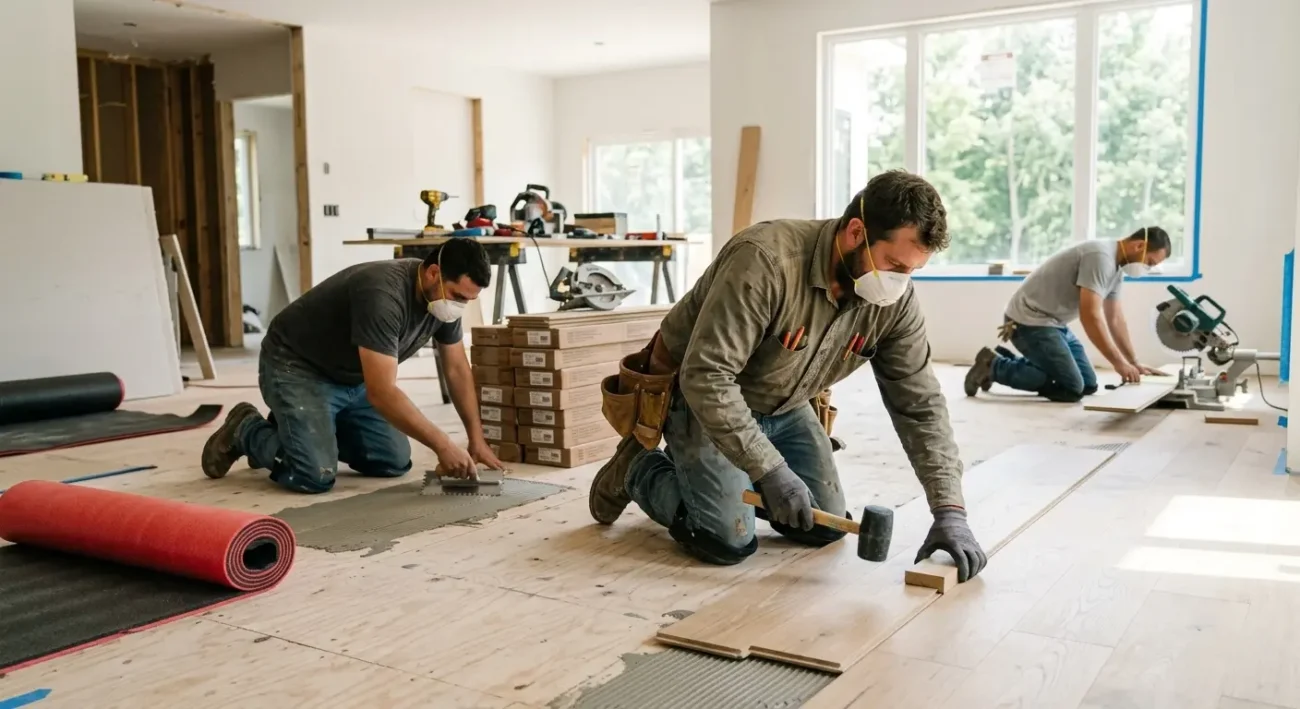
Are you looking for an expert contractor in Brooklyn, NYC? SR General Construction has you covered! Our business is located at 8807 Avenue B, Brooklyn, NY 11236, United States, in the Canarsie area.
Additionally, we offer services at Rockaway Parkway and Ralph Avenue, providing fast access to Flatlands, East Flatbush, Bergen Beach, Brownsville, and the Spring Creek section of East New York.
FAQ
1. What flooring is best for an apartment with downstairs neighbors?
You’ll want a floor with sound-reducing underlayment or carpet; apartment guidelines emphasize acoustic control, especially when units are stacked.
2. Can I install solid hardwood in a Brooklyn condo?
Possibly—but many condo/co-op boards restrict solid hardwood if it doesn’t meet noise ratings; engineered wood or good underlayment may be required instead.
3. Is luxury vinyl plank (LVP) good for high-traffic apartments?
Yes—LVP offers strong wear layers and water resistance, making it well-suited to busy apartment living.
4. What flooring cost should I expect in Brooklyn for a mid-range install?
For many materials in NYC, you can budget between roughly $4 and $18 per square foot installed, depending on the material and the required preparation.
5. Which flooring type offers the best water resistance for apartments?
Vinyl (sheet or plank) and tile offer top water resistance; hardwood and laminate are less ideal for high-moisture areas.
6. Are sustainable flooring options (bamboo, cork) good for apartments?
Yes—they provide eco-friendly credentials and noise/insulation benefits, though you need to consider durability and building constraints.