

Is Your Roof Ready for Brooklyn’s Ever-Changing Weather? When it comes to choosing the right roofing material, Brooklyn residents and businesses face challenges due to the unpredictable weather. With hot summers, cold winters, and heavy rain, it’s crucial to have a roof that can stand up to the elements. TPO roofing might be just what you need.
TPO (Thermoplastic Olefin) roofing is strong, flexible, and designed to last. It resists UV rays, heat, and moisture, which makes it ideal for Brooklyn’s ever-changing climate. Plus, it helps lower energy bills by reflecting the sun’s heat away from your home or business.
In this guide, we’ll explain why TPO roofing is a top choice for Brooklyn. We’ll cover its benefits, how it’s installed, what it costs, and how to care for it. Keep reading to see if TPO is the right roofing solution for you.
What is TPO Roofing
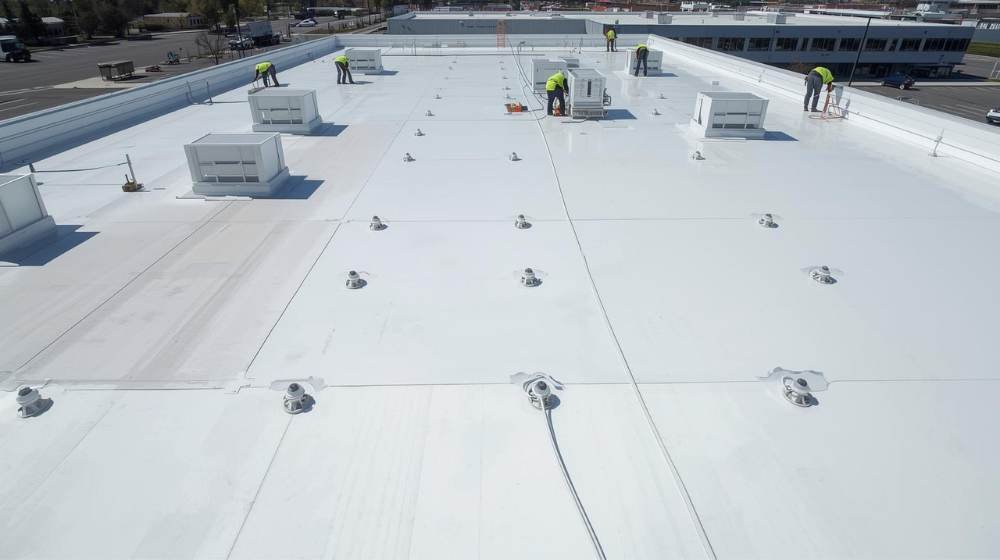
TPO roofing stands for Thermoplastic Olefin, a popular material for flat and low-slope roofs. It is durable, flexible, and resistant to UV rays, heat, and moisture, which makes it ideal for challenging climates like Brooklyn’s. Choosing the right roofing material is essential, and TPO offers both protection and energy savings. This roofing option helps keep your home or business safe while lowering cooling costs.
Composition and Structure of TPO Roof
- Top Layer (Polypropylene): This UV-resistant layer helps reflect sunlight, preventing heat absorption and reducing energy costs. It also protects the membrane from degradation caused by ultraviolet rays, which is especially important in areas like Brooklyn, where the sun’s intensity can be high.
- Reinforced Polyester Mesh: This middle layer adds strength and flexibility to the TPO membrane. The polyester mesh improves puncture resistance and ensures that the roof remains durable even under the pressure of weather conditions, foot traffic, and expansion or contraction.
- Bottom Layer (Ethylene-Propylene Rubber): This rubber-based layer provides a waterproof seal, keeping moisture from reaching the underlying roof structure. It also adds flexibility, allowing the membrane to expand and contract without cracking or breaking.
Key Features
- Color Range: TPO roofing typically comes in white, gray, and tan colors. White is the most commonly used color due to its reflective properties, which help reduce cooling costs by reflecting up to 87% of UV rays.
- Thickness: The thickness of TPO membranes generally ranges from 45 mils to 80 mils (1.1mm to 2mm). Thicker membranes offer more durability, resistance to punctures, and a longer lifespan, but may come at a higher cost.
- Width: TPO rolls typically come in widths ranging from 6 to 12 feet. The wider the roll, the fewer seams required during installation, which means a smoother, more seamless roof. This also minimizes the risk of leaks at the seams.
- Seam Construction: TPO roofs are installed using heat-welding or adhesive bonding to seal the seams. This method creates strong, watertight bonds, ensuring durability and weather resistance. The seamless installation also reduces the chance of leaks and increases the overall lifespan of the roof.
What are the Pros and Cons of TPO Roofing
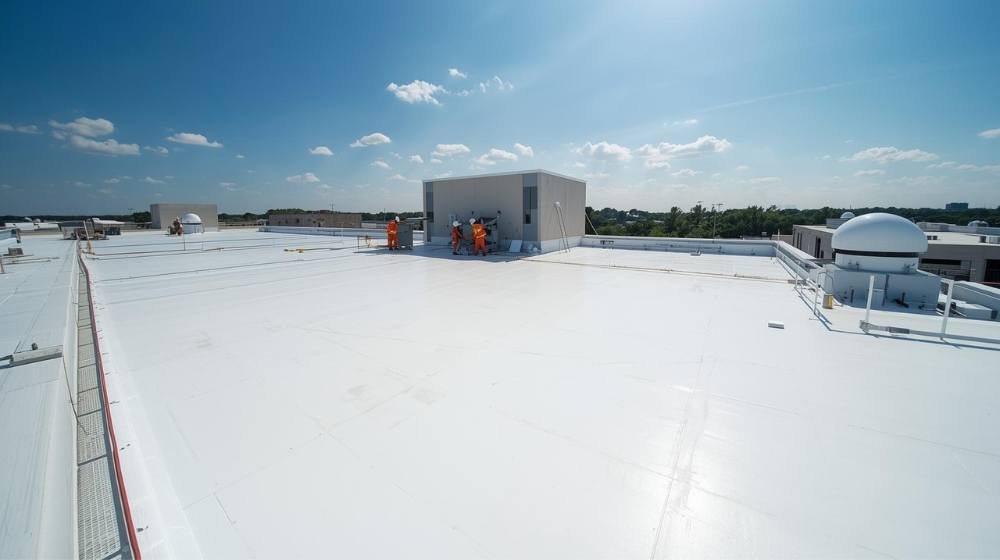
TPO roofing offers a range of benefits for homeowners and businesses. It is a popular choice for flat and low-slope roofs because of its durability, energy efficiency, and cost-effectiveness. However, like any roofing material, TPO comes with both advantages and disadvantages. Let’s explore the pros and cons to give you a clear understanding of whether it’s the right roofing solution for you.
Pros of TPO Roofing
- Energy Efficiency: TPO roofing is known for its reflective surface, which helps reflect UV rays and heat away from your property. This reduces the amount of heat absorbed by the roof, which leads to lower cooling costs in hot months. In fact, a white TPO roof can reflect up to 87% of UV rays, helping save on air conditioning bills.
- Durability: TPO roofs are strong and resistant to damage from punctures, tears, and abrasions. They can fight with extreme temperatures without cracking or shrinking. With proper maintenance, TPO roofing can last 15 to 25 years, offering a long lifespan compared to other roofing materials like asphalt.
- Cost-Effective: TPO is one of the more affordable roofing materials, especially when compared to PVC or rubber roofing. The installation costs are relatively low, and maintenance is minimal. This makes it a great option for both residential and commercial properties looking to save on roofing expenses.
- UV and Ozone Resistance: TPO roofing is designed to be highly resistant to UV rays, ozone, and weathering. This helps maintain the integrity of the roof over time, even in areas that experience intense sunlight or high UV exposure.
- Easy Installation: TPO roofing can be installed quickly using several methods, such as adhesive bonding, mechanical fasteners, or heat welding. This allows for a faster and more efficient installation process compared to other materials that reduce labor costs.
- Environmentally Friendly: TPO is 100% recyclable, which makes it an environmentally friendly roofing option. This reduces the environmental impact of roofing materials and contributes to sustainability.
Cons of TPO Roofing
- Vulnerability to Chemical Damage: TPO roofs can be susceptible to damage from chemicals, oils, or solvents. You should be careful when using cleaning products or when the roof is exposed to harsh substances.
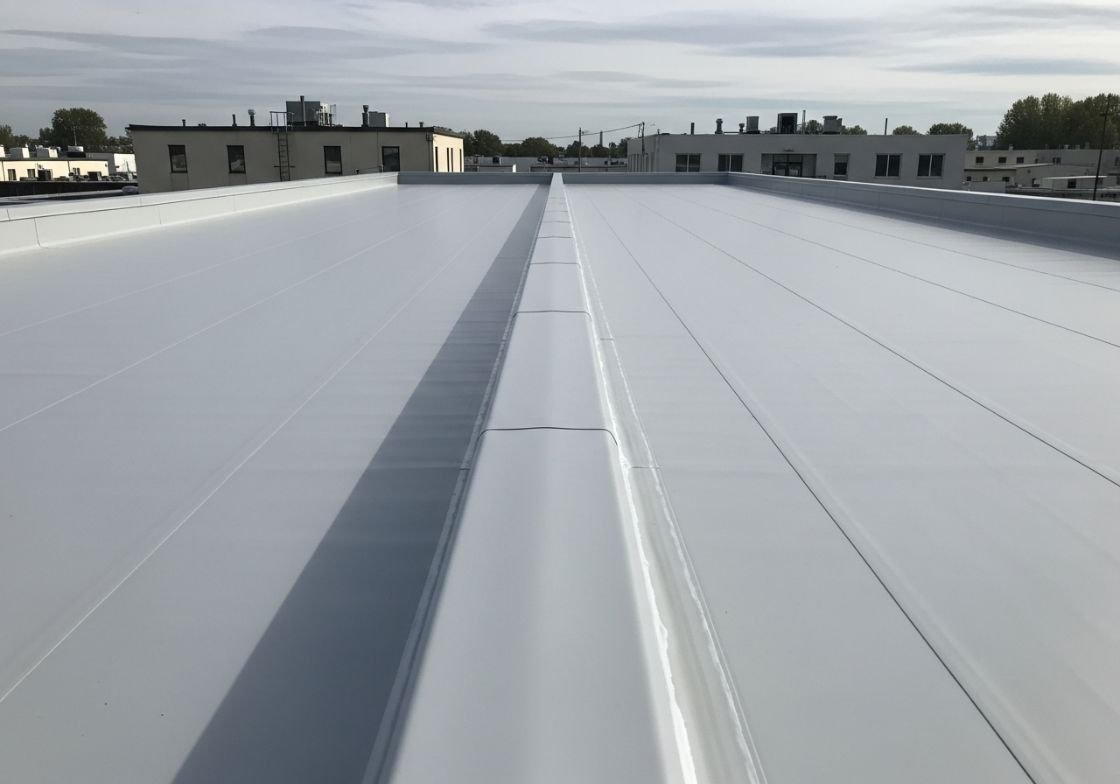
- Seam Issues: TPO roofs rely on heat-welded seams for durability. If the seams are not properly welded during installation, they can fail over time. This requires careful attention during installation and regular seam checks.
- Shorter Lifespan Compared to Some Options: While TPO can last 15 to 25 years, its lifespan may not match that of EPDM or PVC roofs, which can last 30 years or more. TPO is still considered a durable option, but if you want the longest-lasting roof, you may want to consider other materials.
- Potential for Shrinking: TPO roofing can shrink over time, especially in areas where extreme temperature changes occur. This can lead to seams pulling apart and potential leaks. Regular inspections are needed to catch this early.
- Less Resistance to Punctures in Some Cases: While TPO is generally resistant to punctures, some thin versions or low-quality membranes may not hold up well under foot traffic or scraps. A thicker TPO membrane can help reduce this risk.
- Color Fading: The white TPO membrane, while excellent at reflecting heat, can sometimes fade and lose its reflective properties over time. Regular cleaning can help maintain its effectiveness, but long-term exposure to UV rays may reduce its performance.
Potential Issues and Solutions
Like any roofing material, TPO comes with a few potential issues that may arise over time. These issues are generally manageable with proper care, but it’s important to understand how to address them should they occur. Below, we’ll discuss some common problems that may arise with TPO roofing and how to solve them.
Potential Issues with Solutions
- Seam Failures:
- Issue: If the seams are not properly welded, they can open up, which can cause leaks.
- Solution: Ensure proper installation by hiring a skilled contractor. Regularly inspect the seams for any gaps or separation, especially after extreme weather conditions, and repair them promptly with a hot-air welder.
- Shrinking of the Membrane:
- Issue: Over time, TPO membranes may shrink due to extreme temperature fluctuations.
- Solution: Inspect the roof regularly for signs of shrinkage. Re-welding or re-sealing the affected seams can help prevent further issues. In some cases, replacing damaged sections may be necessary.
- Punctures and Tears:
- Issue: TPO roofing can suffer from punctures or tears, especially if exposed to debris or foot traffic.
- Solution: Use TPO patch kits to repair minor punctures or tears. For larger issues, replace the damaged section to prevent leaks.
- Dirt and Debris Build-Up:
- Issue: Over time, dirt, moss, or algae can accumulate on the surface of the TPO roof.
- Solution: Regular cleaning with non-abrasive tools or mild detergents can help remove debris and maintain the roof’s reflective properties. Power washing is generally not recommended, as it can damage the surface.
- Discoloration or Fading:
- Issue: The white TPO membrane may lose its reflective properties over time due to sun exposure.
- Solution: Clean the roof regularly to maintain its color and reflective properties. If discoloration is crucial, applying a new protective coating can help restore some of the roof’s energy efficiency.
- Poor Installation:
- Issue: Improper installation can cause too many issues, including leaks and premature roof failure.
- Solution: Always hire a professional roofing contractor with experience in TPO installation. Ensure they follow proper procedures for welding seams and securing the membrane.
How to Install TPO Roofing
TPO roof installation requires some extra care and attention. With the right steps, you can have a roof that lasts and protects your property.
- Clean the Roof Surface: Start by cleaning the roof properly. Remove any dirt, old roofing materials, and trash. This step is important because the new TPO membrane needs a smooth and clean surface to bond properly. If the surface is not clean, the TPO roofing may not stick well and could lead to issues later.
- Add Insulation (If Needed): If you need insulation, now is the time to lay it down. Insulation helps keep the building cool in the summer and warm in the winter by providing an extra layer of temperature control. Spread the insulation evenly across the clean roof surface, making sure there are no gaps.
- Roll Out the TPO Membrane: Unroll the TPO membrane across the roof. Make sure to allow for a slight overlap along the edges to prevent water from leaking through the seams. The membrane should lie flat without any wrinkles or bumps. Take care to align the edges properly to ensure a smooth, even installation.
- Cut and Fit the Membrane: Cut the TPO membrane to fit the roof’s size and shape. Leave some extra material at the edges, which will be used later for sealing. Ensure the cuts are clean and the membrane fits snugly around roof features, such as vents, skylights, or chimneys.
- Seal the Seams: Sealing the seams is a crucial step to prevent water from entering. TPO sheets must be joined tightly. Use a heat welder or adhesive to bond the seams together. This step ensures that the roof will be waterproof and secure.
- Install Flashing Around Edges: Flashing is essential for protecting the edges, vents, and areas where the roof meets walls. Install flashing along these areas to stop water from entering. Flashing helps direct water off the roof and ensures there are no gaps where leaks could occur.
- Secure the Membrane: Use fasteners or adhesive to secure the TPO membrane to the roof. Fasteners should be spaced evenly and driven into the roof deck. This step ensures that the membrane is tightly in place and doesn’t shift over time, which could cause damage.
- Trim the Edges: After securing the membrane, trim any excess material from the edges for a clean, neat finish. The edges should be flush with the roof’s perimeter, ensuring there are no overhangs or loose pieces of material.
- Check the Roof: Finally, inspect the entire roof. Inspect for any loose seams, gaps, or areas that require additional attention. Ensure that all seams are sealed correctly and that the membrane is securely in place. It’s also important to check for any potential weak points, especially around flashing and edges.
TPO Roofing Installation Cost (per sq. ft.)
The cost of installing a TPO roof depends on various factors, including the type of TPO membrane, material quality, and labor charges. On average, TPO roofing is a cost-effective solution, particularly when compared to other options, such as PVC or EPDM.
| Types of TPO Roofing | Material Cost (per sq. ft.) | Labour Cost (per sq. ft.) | Total Cost (per sq. ft.) |
| Standard TPO | $1.50 – $2.50 | $2.00 – $3.00 | $3.50 – $5.50 |
| Reinforced TPO | $2.00 – $3.00 | $2.50 – $3.50 | $4.50 – $6.50 |
| TPO with Adhesive | $2.50 – $3.50 | $2.00 – $3.00 | $4.50 – $6.50 |
| TPO with Mechanical Fasteners | $2.00 – $3.00 | $2.50 – $3.50 | $4.50 – $6.50 |
| TPO with Ballast | $2.00 – $2.50 | $1.50 – $2.50 | $3.50 – $5.00 |
| TPO with UV Protection | $3.00 – $4.00 | $3.00 – $4.00 | $6.00 – $8.00 |
Pro Tip
When creating a budget for TPO roofing, select a reputable contractor with experience in TPO installations. It can save you money in the long run, as a properly installed TPO roof will require fewer repairs and last longer.
TPO Roof Repair Options
Like any roofing material, TPO roofs can experience damage over time. The good news is that TPO roofing is generally easy to repair. Here are the most common TPO roof repair options to help keep your roof in top shape.
- Patching Small Holes and Tears: Use a TPO repair kit to patch small punctures or tears. This is a simple, cost-effective way to repair minor damage.
- Seam Repair: If the seams have become loose or have started to separate, use a heat welder to reseal them. This prevents leaks and restores the roof’s integrity.
- Re-Welding: In cases where the seams were improperly welded during installation, you can re-weld the seams with a hot-air welder to make sure they’re tightly sealed.
- Coating the Roof: Applying a new protective coating can help extend the life of your TPO roof. This is especially useful if the roof has been exposed to excessive UV rays.
- Replacing Sections of the Membrane: For larger, more extensive damage, replacing damaged sections of the membrane may be necessary. This is usually done by cutting out the damaged area and welding in a new piece of TPO.
- Flashing Repair: If flashing around the edges, vents, or skylights becomes damaged, it can be replaced to prevent water from entering the building. Flashing is key to keeping your roof sealed and waterproof.
Repair Options if Your TPO Roof Has Less Than 25% Saturation
If your TPO roof is less than 25% saturated with water or damaged, repairs are usually straightforward and cost-effective. Here are some repair options that can help restore the roof’s performance without needing a full replacement.
Repair Options:
- Patch the Damaged Area: For small punctures or tears, you can use a TPO patching kit. Simply apply the patch over the damaged area, and it will bond to the roof, providing a watertight seal.
- Re-Weld the Seams: If the seams have started to separate or weaken, re-welding them is a simple solution. Use a hot-air welder to re-bond the seams, restoring the roof’s integrity.
- Apply a Roof Coating: Applying a protective coating can help seal any minor damage and extend the roof’s life. This coating also enhances the roof’s reflective properties and improves energy efficiency.
- Replace Small Sections of the Membrane: For slightly larger damaged areas, you can cut out the damaged section and replace it with a new piece of TPO membrane. The new piece is welded into place to ensure a seamless, waterproof seal.
Repair Options if Your TPO Roof Has More Than 25% Saturation
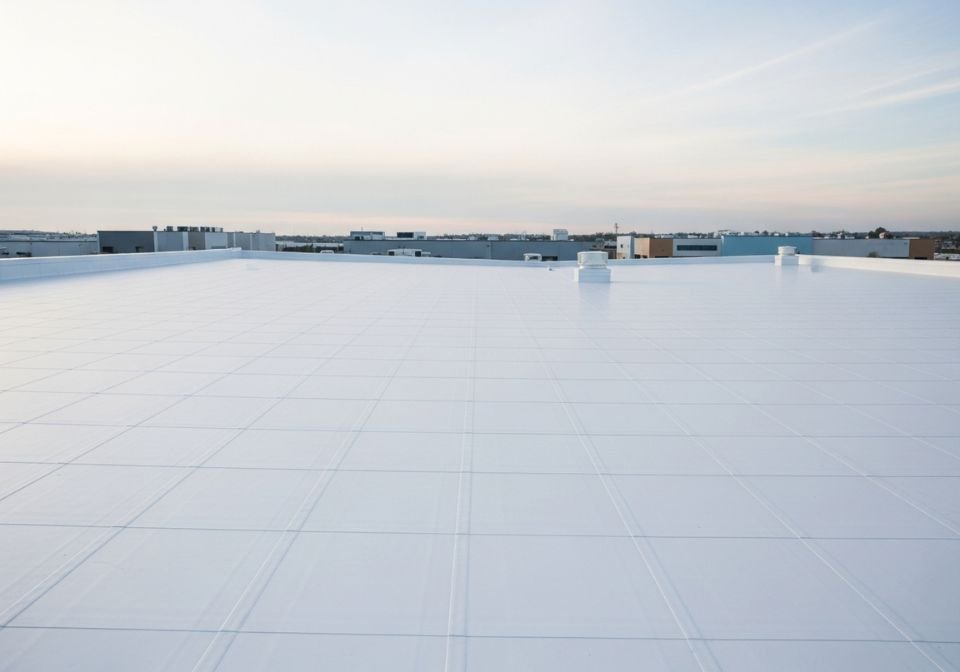
If your TPO roof has more than 25% saturation, it means a significant amount of water is trapped inside the roofing material, which can cause serious damage. Here are some repair options to consider:
- Partial Roof Replacement: If the damage is too extensive, replacing the affected areas is often the best solution. This involves removing the saturated sections of the roof and installing new TPO material.
- Roof Drainage System Improvement: Poor drainage can cause water to collect on your roof. An advanced roof’s drainage system can prevent future saturation and help the roof dry out faster.
- TPO Membrane Patching: If the saturation is localized, patching the affected areas might be enough. A professional can cut away the damaged TPO membrane and replace it with fresh material.
- Installing New Insulation: Saturation often damages the roof’s insulation. Replacing it with new, high-quality insulation can help restore the roof’s energy efficiency and prevent further issues.
- Regular Maintenance: After repairs, regular roof inspections and maintenance will be essential. Regular cleaning and proper drainage systems can prevent the build-up of water in the future.
What is a TPO Roofing System
A TPO roofing system refers to the entire roofing structure made from TPO (Thermoplastic Olefin) membrane. This system includes not just the membrane, but also the methods used to secure it to the roof. The system is designed to provide excellent protection against the elements while being cost-effective and energy-efficient.
Types of TPO Roofing Systems
- Fully Adhered System: The TPO membrane is glued directly to the roof deck using a special adhesive. This creates a strong, seamless bond, which improves waterproofing and energy efficiency.
- Mechanically Attached System: In this system, the membrane is secured using screws and plates. It is easier to install and performs well in various weather conditions.
- Ballasted System: The TPO membrane is secured in place with a layer of gravel or stone. It does not require sealant or fasteners, which makes it an affordable option for flat roofs.
- Fully Adhered with Reinforced Polyester: This system uses a reinforced polyester layer to strengthen the bond between the roof and the membrane. It improves resistance to punctures and adds durability.
- Self-Adhering System: The TPO membrane features an adhesive backing that enables it to adhere directly to the roof deck. This system is easy to install and reduces labor costs.
- Cold-Applied System: This system utilizes a cold adhesive to bond the TPO membrane to the roof. It is ideal for areas with extreme temperatures, as it avoids the need for heat.
TPO Roofing Material
TPO roofing is made from a combination of plastics and rubber, which gives it strength, flexibility, and long-lasting performance. The materials used ensure durability, UV resistance, and energy efficiency. Let’s examine the key materials that comprise TPO roofing.
- Polypropylene: Polypropylene is the top layer of TPO roofing. It reflects UV rays and helps reduce heat absorption. It helps to keep the building cooler in hot weather.
- Ethylene-Propylene Rubber: The base layer of TPO roofing is made from ethylene-propylene rubber. This material is flexible, durable, and resists moisture, which makes the roof more weather-resistant.
- Polyester Reinforcement: The polyester reinforcement layer provides strength and tear resistance. It helps the membrane maintain its shape, even in the face of temperature changes.
- Carbon Black: This material is often added to TPO to provide UV protection. It helps prevent degradation of the membrane caused by exposure to sunlight and environmental factors.
- Fire Retardant Additives: TPO membranes may include fire-retardant chemicals. These additives make the roof more resistant to fire and enhance safety in the event of an emergency.
Comparison of TPO Roof with Other Roofing Types
When choosing a roofing material, it’s important to compare different options to find the best fit for your needs. TPO roofing is a popular choice, but it’s essential to see how it stacks up against other materials based on key factors like cost, durability, installation, and energy efficiency. Here’s a comparison of TPO roofing with other common roofing types.
| Factor | TPO Roofing | EPDM | PVC | Asphalt Shingles | Metal Roofing | Torch Down Roofing |
| Cost | Affordable, $5.50 – $16.50 per sq. ft. | Low to moderate, $4.00 – $12.00 | High, $5.00 – $8.00 per sq. ft. | Low, $1.00 – $2.00 per sq. ft. | Moderate to high, $5.00 – $12.00 | Moderate, $3.50 – $6.00 |
| Durability | 15-25 years, resistant to UV & ozone | 20-30 years, excellent flexibility | 20-30 years, great UV resistance | 15-30 years, prone to damage | 40-70 years, highly durable | 15-30 years, great for flat roofs |
| Energy Efficiency | Can reduce cooling costs by up to 30% | Poor heat reflection, can absorb heat | Reflective, reduces cooling costs | Limited energy efficiency | High reflectivity, energy saving | Low reflectivity, absorbs heat |
| Installation | Easy, fast, and low labor costs | Easy, but more time-consuming | Requires skilled installation | Easy, DIY options available | Complex, requires expert installation | Moderate, requires professional help |
| Maintenance | Low, regular inspections needed | Low, requires little care | Low, but expensive to repair | Moderate, needs frequent repairs | Low, minimal maintenance required | Moderate, occasional repairs needed |
Expert Insight
TPO roofing is a great choice for energy efficiency and affordability, especially for flat roofs. This can reduce cooling costs by up to 30%. However, if you’re in an area with extreme weather conditions, metal roofing might provide the best long-term durability. For those on a tight budget, asphalt shingles may offer an affordable option, though they won’t match the longevity or energy efficiency of TPO.
Restoring TPO with Roof Coatings
If your TPO roof is starting to show signs of aging or wear, a protective coating can help restore its function and appearance. Roof coatings can extend the life of your TPO roof and improve its energy efficiency by enhancing its reflective properties. Here’s how to restore a TPO roof with coatings.
Restoring TPO with Roof Coatings
- Clean the Roof Surface: Remove dirt, debris, and old roofing materials. A clean surface is essential for the coating to bond properly.
- Repair Damaged Areas: Patch any holes or seams before applying the coating. Use TPO-compatible patching materials to ensure a smooth surface.
- Apply the Coating: Choose a TPO-compatible coating, such as acrylic or urethane. Apply it evenly across the roof using a roller or sprayer.
- Allow the Coating to Dry: Let the coating dry completely before walking on the roof or exposing it to weather. Drying time will vary based on the product and weather conditions.
- Inspect and Maintain: After the coating is applied, inspect the roof for any missed spots or areas that require attention. Schedule regular maintenance to ensure the coating remains intact and in good condition.
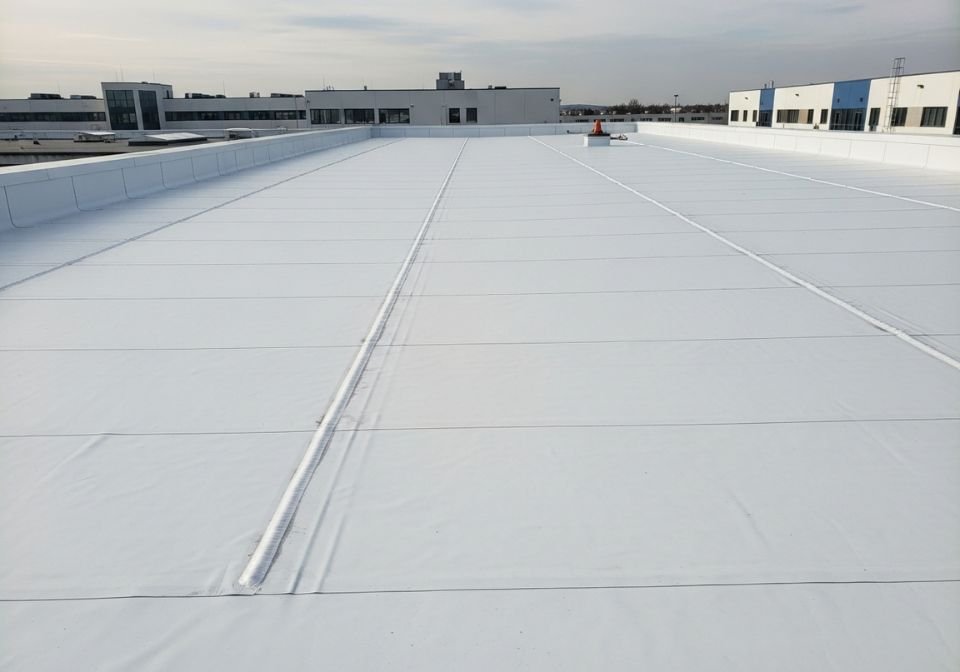
Follow Our TPO Roof Maintenance Guide: Expert Tips
Proper maintenance of your TPO roof is key to maximizing its lifespan and ensuring long-term performance. Here is our maintenance guide. You can follow it:
- Inspect Regularly: Check your roof every few months for any visible damage, like cracks, tears, or debris build-up.
- Clean the Roof: Remove leaves, twigs, and other debris from the roof regularly. This helps prevent water from pooling and causing damage.
- Check for Leaks: After heavy rain, inspect the roof for leaks or water stains inside the building. Early detection can prevent bigger issues.
- Clear Gutters and Drains: Ensure that gutters and roof drains are clear to allow proper water flow. Blocked drains can cause water to sit on the roof.
- Inspect Seals and Flashing: Make sure the seals around vents, skylights, and other roof features are intact. Damaged seals can lead to leaks.
- Fix Small Issues Quickly: If you notice minor damage, like a tear or a loose seam, get it fixed immediately to avoid larger problems.
- Schedule Professional Inspections: Even if your roof looks fine, it’s a good idea to have a professional inspect it once a year to ensure everything is in good condition.
How Long Does a TPO Roof Last
TPO roofs typically last between 15 and 25 years with proper care. The roof’s lifespan depends on factors such as installation quality, weather conditions, and regular maintenance. Regular inspections can help extend its life and keep it functioning well for many years.
Is TPO Roofing the Right Choice for Brooklyn’s Weather
Yes, TPO roofing is the ideal choice for Brooklyn’s weather conditions. TPO roofing works well in Brooklyn’s weather. It reflects UV rays, which helps keep homes cooler in the summer. It also withstands cold winters and heavy rain, which makes it a reliable choice for the area.
Where to Choose a Professional Roofing Contractor?
Are you looking for an expert roofing contractor in Brooklyn, NYC? SR General Construction has you covered! Our business is located at 8807 Avenue B, Brooklyn, NY 11236, United States, in the Canarsie area.
We proudly serve all areas of Brooklyn with high-quality, durable roofing solutions. From new installations to repairs and maintenance, we provide the best service at affordable prices. Contact us and experience why we’re Brooklyn’s roofing experts!
FAQ
1. What is TPO roofing?
TPO roofing stands for Thermoplastic Olefin, a durable, flexible membrane used for flat and low-slope roofs. It resists UV rays, heat, and moisture, making it ideal for various climates.
2. How long does TPO roofing last?
TPO roofs typically last 15 to 25 years with proper care. The lifespan depends on installation, weather conditions, and regular maintenance.
3. What are the benefits of TPO roofing?
TPO roofing is energy-efficient, durable, and resistant to UV rays. It helps reduce cooling costs and can last for many years with minimal maintenance.
4. Is TPO roofing energy-efficient?
Yes, TPO roofing reflects UV rays, which helps lower cooling costs. It can reduce energy bills by up to 30%, especially during hot summers.
5. How much does TPO roofing cost?
The cost of TPO roofing ranges from $5.50 to $16.00 per square foot. The price depends on factors like the type of membrane, labor costs, and roof size.
6. Is TPO roofing environmentally friendly?
Yes, TPO is 100% recyclable. Using TPO roofing helps reduce the environmental impact of roofing materials.
7. How does TPO compare to PVC roofing?
TPO is more affordable than PVC roofing and offers similar energy efficiency. However, PVC is more resistant to chemicals and is often used in more industrial settings.