

In Brooklyn, the kitchen isn’t just a place to cook; it’s where family, friends, and meals come together. From cozy brownstones to sleek lofts, homeowners are mixing old charm with new ideas to create spaces that feel personal and practical.
In this guide, we’ll look at the top kitchen renovation trends in Brooklyn, NYC. You’ll see how locals are utilizing smart technology, natural materials, bold colors, and clever layouts to maximize their space.
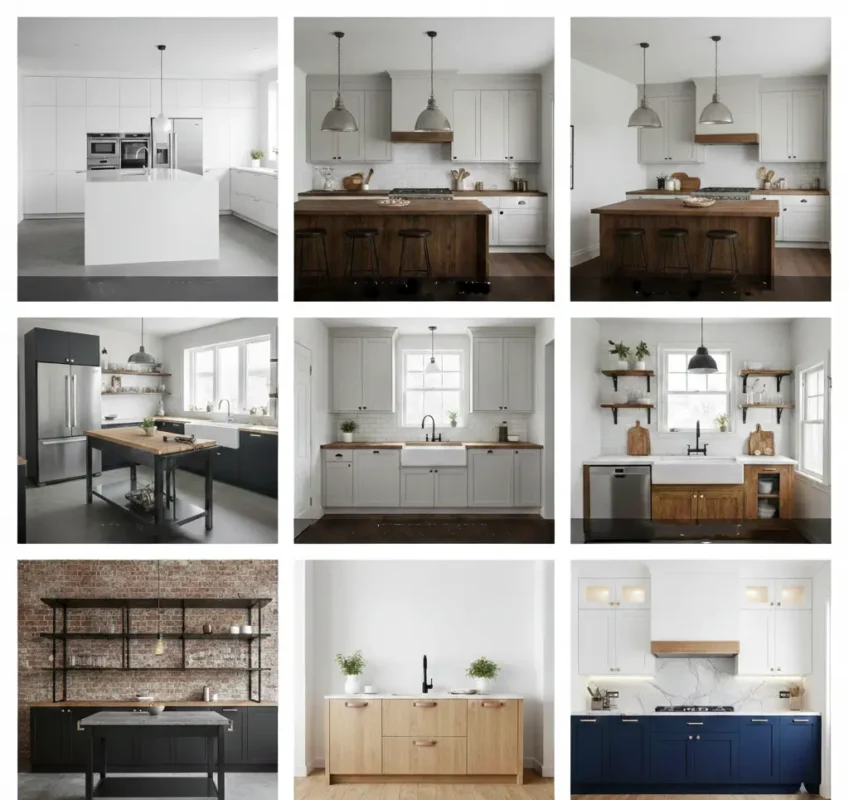
Overview of Best Kitchen Renovation Trends in Brooklyn, NYC
| 1. Sleek Minimalism: The Modern BrooklynKitchen |
| 2. Industrial Chic: Embracing Brooklyn’sHeritage |
| 3. Open Concept Living: Maximizing Space |
| 4. Sustainable and Eco-Friendly KitchenDesigns |
| 5. Smart Kitchens: Integrating Technology |
| 6. Classic Meets Contemporary:Transitional Designs |
| 7. Luxurious Touches: High-End Kitchens |
| 8. Space-Saving Solutions for CompactKitchens |
| 9. Color Trends in Brooklyn Kitchens for2025 |
| 10. Two-Tone Cabinets |
Why Kitchen Renovation is Important in Brooklyn
In Brooklyn, a kitchen renovation goes beyond a new look; it’s a smart investment in property. Updating an old kitchen can boost your home’s value in Brooklyn’s competitive market. Many homes, from historic brownstones to pre-war apartments, still feature outdated kitchens that no longer meet modern needs. Renovating adds storage, upgrades appliances, and optimizes layout so every square foot counts. A stylish, functional kitchen makes cooking and entertaining enjoyable, enhancing your quality of life.
Sleek Minimalism: The Modern Brooklyn Kitchen
Sleek, minimalist design is popular in Brooklyn kitchens for its simplicity and functionality, offering easier cleaning, efficient use of space, and a relaxing cooking environment. The style features clean lines, uncluttered counters, and a calm, open atmosphere.
- Flat-Panel Cabinets and Clean Lines: Minimalist kitchens feature flat-panel cabinets with simple or concealed hardware, creating a streamlined look. There’s no ornate detailing, so the smooth lines help the room feel more open and spacious.
- Neutral Color Palette: These kitchens typically feature neutral colors, such as white, gray, and light wood tones. This simple palette creates a calm atmosphere and keeps the space from feeling too busy or cluttered.
- Clutter-Free Countertops: In a sleek, minimalist kitchen, most gadgets and appliances are tucked neatly out of sight. Keeping the countertops mostly clear makes the entire kitchen look clean and provides more space to cook comfortably.
- Integrated Appliances: Appliances are often built into the design, allowing them to blend seamlessly with the cabinets. For example, you might hide the fridge behind a cabinet panel or tuck the microwave into the island to maintain the kitchen’s seamless look.
- Efficient Storage: Minimalist kitchens include clever storage solutions like pull-out pantry shelves and deep drawers. These features make it easy to stash away all your cookware and ingredients, which keeps the kitchen looking open and organized.
Industrial Chic: Embracing Brooklyn’s Heritage
Industrial chic design brings a bit of Brooklyn’s industrial heritage into your kitchen. It combines raw, edgy elements, such as exposed brick and metal, with modern comforts to create a cool, creative loft-like vibe.
- Exposed Brick and Beams: Showing off original brick walls or wooden ceiling beams instantly gives the kitchen a historic, warehouse feel. These rough textures add warmth and character, and they give a nod to Brooklyn’s old factory buildings and lofts.
- Metallic Accents and Finishes: Industrial chic kitchens feature plenty of metal, from stainless steel appliances to iron or brass light fixtures. Metal surfaces like copper or brushed steel countertops, along with black iron shelf brackets, bring an edgy, utilitarian charm to the space.
- Reclaimed Wood Elements: Incorporating salvaged wood into open shelving or a kitchen island adds a touch of history and sustainability to the design. Old timber that has been refinished brings a warm, weathered look and helps the kitchen feel cozy, even with all the metal and concrete around.
- Vintage-Inspired Lighting: Lighting in an industrial kitchen often features vintage-style fixtures, such as Edison bulb pendants or metal cage lights. These old-fashioned lights not only illuminate the space but also serve as décor that reinforces the kitchen’s factory-inspired theme.
- Open Shelving and Rustic Hardware: Instead of closed upper cabinets, many industrial kitchens use open shelving made of wood and metal. Sturdy metal brackets, pipe-style shelf supports, and rugged hardware keep the storage practical while adding to the urban factory look.
Open Concept Living: Maximizing Space
An open-concept kitchen removes walls between the kitchen and the rest of the home, instantly making the space feel larger and brighter while fostering easier interaction. In Brooklyn’s space-cramped apartments, this approach not only maximizes every inch but also creates a shared, multi-purpose hub for cooking, dining, and relaxing.
- Seamless Flow Between Spaces: With no wall dividing the kitchen from the living or dining room, you get one continuous expanse. This open flow allows people to move around freely, and conversations can occur between the kitchen and living area without anyone feeling isolated.
- Multi-Functional Kitchen Island: In an open-concept layout, an island often stands where a wall used to be and serves multiple purposes. It provides extra counter space for meal prep, offers storage underneath, and doubles as a casual dining area or a place for friends to chat with the cook.
- More Natural Light: Without walls to block the windows, sunlight can spread throughout the combined space. The kitchen, dining, and living areas all share that natural light, which makes the whole space feel brighter and more welcoming.
- Unified Design Style: An open layout requires a consistent color scheme and flooring throughout the kitchen and adjoining rooms. This cohesion makes the transition between zones feel smooth and visually ties the entire space together.
- Social and Inclusive Atmosphere: Because the kitchen is open to the rest of the living area, whoever is cooking can still be part of the action. This design turns the kitchen into a social hub perfect for entertaining guests or keeping an eye on kids while preparing meals.
Sustainable and Eco-Friendly Kitchen Designs
Sustainable kitchen design means caring for the environment and your family’s health. In Brooklyn, more homeowners choose eco-friendly kitchen upgrades that save energy, reduce waste, and create a healthier home.
- Sustainable Materials: Eco-friendly kitchens use materials like bamboo flooring, recycled glass countertops, or reclaimed wood cabinets. Choosing these kinds of materials cuts down on the demand for new resources and often adds a unique character to your kitchen’s design.
- Energy-Efficient Appliances: Modern appliances with high energy-efficiency ratings (such as Energy Star refrigerators and dishwashers) use less electricity and water. Upgrading to these saves you money on utilities and shrinks your kitchen’s environmental footprint without sacrificing performance.
- Water-Saving Fixtures: Green kitchen designs include fixtures like low-flow faucets and efficient dishwashers that use less water. These work just as well as traditional models but significantly reduce water waste, which is good for the planet and your wallet.
- Low-Toxicity Finishes: Sustainable design also means using paints, sealants, and finishes that are low in harmful chemicals (low-VOC). Avoiding harsh chemicals in your cabinets and walls helps maintain better indoor air quality, which is healthier for you and your family.
- Built-In Recycling and Composting: Many eco-friendly kitchens include dedicated bins or pull-out drawers for recycling and composting. Having a convenient setup for sorting waste makes it easy to recycle bottles, cans, and food scraps, which reduces the amount of trash your household produces.
Smart Kitchens: Integrating Technology
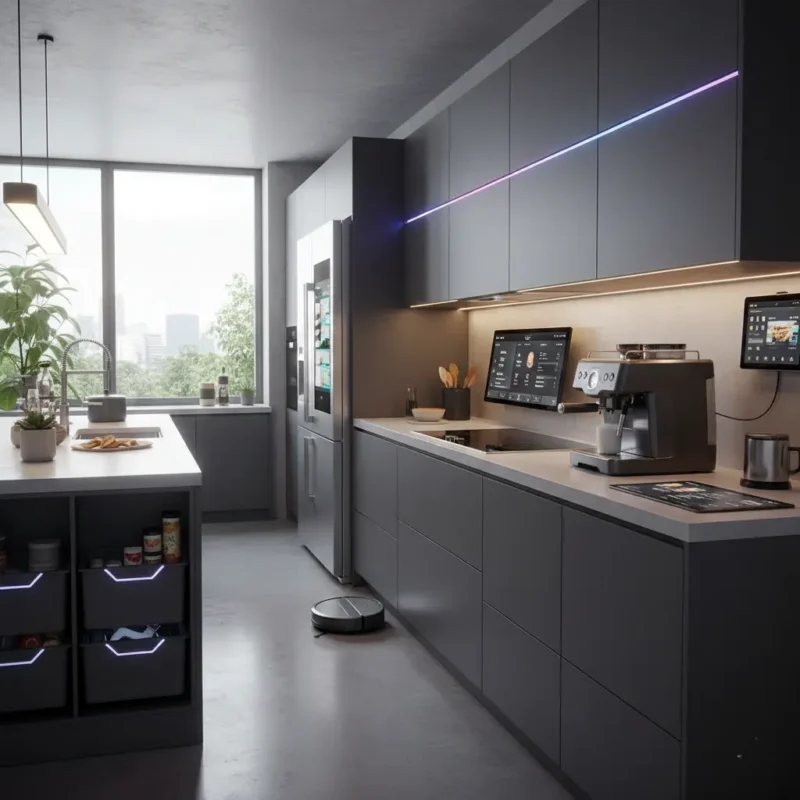
Smart kitchen design combines high-tech features with everyday cooking for convenience. In tech-savvy Brooklyn, kitchens now feature devices and appliances control via phone or voice command.
- Connected Appliances: Smart refrigerators, ovens, and other appliances can connect to your home’s Wi-Fi. This connectivity lets you do handy things like check what’s in your fridge via an app or preheat the oven from your phone on your way home.
- Voice Control and Apps: Many smart kitchens integrate voice assistants (like Alexa or Google Assistant) and mobile apps for hands-free control. You can adjust the lighting, start the coffee maker, or have a recipe read aloud with just a quick voice command or a tap on your phone.
- Smart Lighting and Climate: Technology can also automate your kitchen’s lighting and temperature. For instance, you might install smart bulbs that dim or change color via an app, and a smart thermostat that adjusts the kitchen’s heating or cooling automatically to keep the space comfortable.
- Touchless Sensors: High-tech kitchens often include motion-sensor faucets or trash cans that open with a wave of your hand. These touchless features are particularly convenient when your hands are full or messy, and they help keep the kitchen more sanitary on a day-to-day basis.
- Enhanced Safety Features: Kitchen technology can give you extra peace of mind. A smart smoke detector can send an alert to your phone at the first sign of trouble, and an oven with an auto-shutoff feature can turn itself off so you never have to worry about whether you left it on.
Classic Meets Contemporary: Transitional Designs
Transitional kitchen design balances old and new. It blends the cozy, familiar style of a classic kitchen with modern lines and amenities. In Brooklyn, it’s popular for updating historic homes and brownstones because you can modernize while preserving timeless character.
- Blended Cabinet Design: Transitional kitchens often combine traditional cabinet styles with modern details. For example, you might see classic Shaker cabinet doors painted in a trendy neutral color, fitted with sleek handles and soft-close hinges, to give them a modern upgrade.
- Warm, Neutral Colors: These kitchens favor a soft, neutral color palette. You might choose white or cream-colored cabinets with gray or beige walls and add a subtle pop of color with tiles or décor. This combination creates a warm, inviting space that isn’t tied to a fleeting trend.
- Mix of Materials: A transitional kitchen comfortably mixes materials like wood, stone, and metal. You could have rich wooden cabinets topped with a sleek quartz countertop and accented by stainless steel appliances — a blend that adds depth and interest without feeling mismatched.
- Classic Details with Modern Touches: You’ll often find vintage-inspired details updated in a subtle way. For instance, a decorative crown molding or a farmhouse-style sink might be paired with a clean-lined modern faucet and contemporary light fixtures to strike the perfect balance between old and new.
- Balanced Décor and Lighting: The décor ties everything together by blending eras thoughtfully. For example, you could hang pendant lights with a vintage design but in a modern matte-black finish, so the kitchen feels classic and up-to-date at the same time.
Luxurious Touches: High-End Kitchens
High-end Brooklyn kitchens exude elegance with custom design details and top-tier quality materials. These luxurious spaces are crafted to balance breathtaking aesthetics with everyday practicality, often featuring bespoke elements that make cooking feel like a gourmet experience.
- Custom Cabinetry & Premium Materials: Luxury kitchens often feature tailor-made cabinetry that fits the space perfectly, using premium woods or lacquered finishes for a refined look. High-end materials like marble countertops or exotic granite add durability and timeless elegance, instantly elevating the kitchen’s ambiance.
- Professional-Grade Appliances: Gourmet appliances are a hallmark of high-end kitchens. Many designs include professional-grade ranges and refrigerators (think Sub-Zero, Wolf, or Miele) that offer superior performance and a sleek commercial style, turning the kitchen into a chef’s paradise.
- Exquisite Countertops & Backsplashes: A full-slab marble or quartzite countertop is both luxurious and practical – it’s stunning to look at and stands up to heavy use. Paired with a matching slab backsplash (with no grout lines), the result is a seamless, opulent look that becomes a focal point of the room.
- Statement Lighting Fixtures: Luxury kitchen design places a special emphasis on lighting. Eye-catching chandeliers or designer pendant lights over the island serve as functional art pieces, casting a warm glow and drawing the eye to them. Dimmable recessed lights and under-cabinet LEDs are also integrated to set the perfect mood and ensure every corner is well-lit.
- Smart Technology Integration: The most luxurious kitchens seamlessly blend beauty with cutting-edge technology. Imagine touchless faucets, smart ovens you can control from your phone, and intelligent refrigerators that suggest recipes – these modern conveniences make the kitchen both high-tech and high-end, simplifying daily life in style.
Space-Saving Solutions for Compact Kitchens
In Brooklyn’s many compact apartments, kitchen design must be both clever and efficient. Smart space-saving solutions maximize every inch without sacrificing functionality or style, proving that even a small kitchen can feel open and usable with the right design approach.
- Integrated Appliances: Built-in appliances are a game-changer for small kitchens. By tucking the fridge, oven, or dishwasher neatly into cabinetry, you achieve a seamless look that saves space and reduces visual clutter; no bulky appliances protrude into the room. For example, panel-ready refrigerators and dishwasher drawers blend in with cabinets, making the kitchen appear more spacious.
- Multi-Use Fixtures: In a tight kitchen, every feature should serve double duty. Multi-functional fixtures, such as sinks that include built-in cutting boards or coverable cooktops, provide extra workspace when needed. You might have a faucet that also filters water or a sink that converts into a prep station – these innovations pack more utility into one spot.
- Modular Furniture Designs: Flexibility is key for compact spaces. Homeowners are opting for modular pieces, such as mobile islands on wheels or fold-down tables, which can be reconfigured or moved as needed. Adjustable-height counters and nesting dining stools are other examples that allow a small kitchen to adapt for cooking, eating, or entertaining on the fly.
- Smart Kitchen Technology: Technology helps tiny kitchens work larger than they are. Smart appliances (like an oven you control from your phone or a fridge that tracks groceries) add convenience without taking up extra room. IoT-enabled devices can streamline routines – imagine your coffee brewer starting itself before you even step into the kitchen, making a compact kitchen even more efficient.
- Vertical Storage Solutions: When you can’t go out, go up! Vertical storage makes use of often-forgotten wall and ceiling space. This could mean ceiling-mounted pot racks, magnetic knife strips on the wall, or tall pantry cabinets that extend to the ceiling. By storing items upward, a small Brooklyn kitchen gains tons of extra storage without expanding its footprint.
Color Trends in Brooklyn Kitchens for 2025
In 2025, Brooklyn kitchens are shifting away from the all-white look and embracing richer, nature-inspired colors. Homeowners and designers are introducing warm, personal hues that make the kitchen feel cozy and unique, reflecting a broader trend toward earthy, inviting palettes over sterile tones.
- Warm Earthy Neutrals: Goodbye stark white, hello warmth! Soft, earthy neutrals and browns are big this year. For instance, Pantone’s 2025 Color of the Year, Mocha Mousse, is a warm latte-brown that designers are using on cabinets or walls to add depth and coziness. These subdued natural tones create a welcoming atmosphere and pair beautifully with wood accents and plants.
- Lush Green Hues: Nature is coming into the kitchen in the form of lush green shades. Deep forest greens and gentle sage tones are trending on cabinetry and islands, bringing a calming, organic vibe into Brooklyn homes. Green can act as a neutral while still offering a pop of color, and it connects the kitchen to nature – a nod to the desire for tranquil, restorative spaces.
- Moody Blues: Dark blues are the new neutrals. Moody navy and ink-blue cabinets are showing up in Brooklyn kitchen designs as a sophisticated alternative to black or grey. These blues add drama and contrast (especially when paired with lighter countertops or backsplashes) but remain timeless enough that your kitchen won’t feel dated in a year.
- Bold Black Accents: Designers aren’t shy about using black in 2025. Matte black cabinets or black-painted kitchen islands create a striking focal point and lend a modern, chic edge to the space. Even if you don’t opt for a full black look on cabinetry, touches like black hardware, light fixtures, or window frames can enhance the look and provide bold contrast against lighter elements.
- Brass and Gold Fixtures: To complement all these new colors, warm metal finishes are in. Brushed gold or brass knobs, faucets, and light fixtures are replacing the old polished chrome, adding a touch of luxury and warmth that pairs especially well with dark green and blue tones. These metallic accents serve as jewelry for the kitchen – subtle yet impactful gleams that catch the eye.
Two-Tone Cabinets
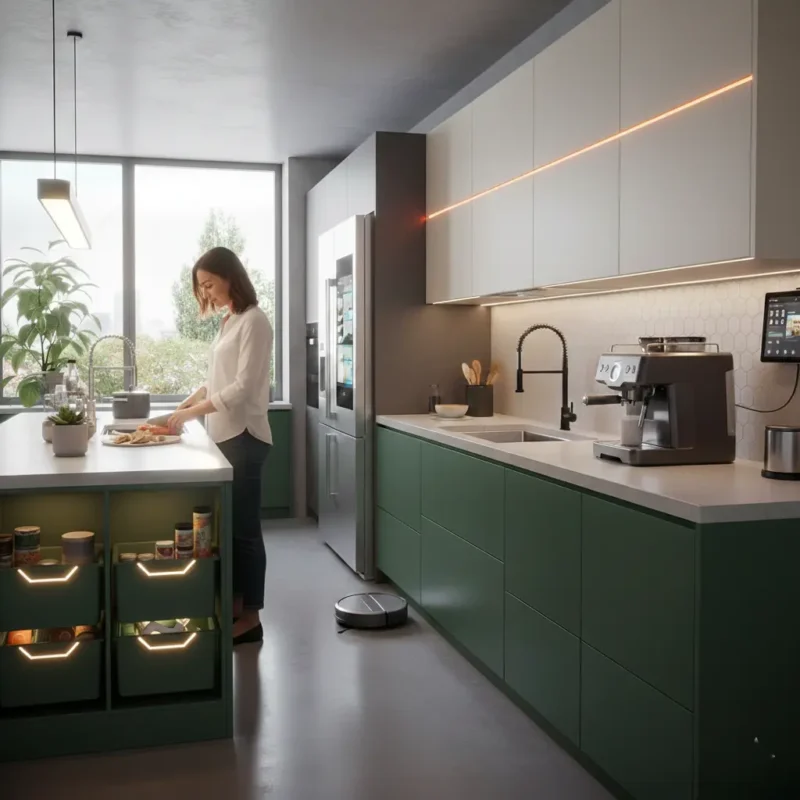
Two-tone cabinets are a stylish trend in 2025 that’s here to stay. This design approach uses two different colors or finishes for the kitchen cabinetry (often light uppers and dark lowers, or a contrasting island), creating instant depth and character. It’s a smart way to add color and contrast to your kitchen without it feeling overpowering.
- Opens Up Small Spaces: Using a lighter color on upper cabinets and a darker shade on lower cabinets is more than just aesthetically pleasing – it can make the room feel taller and more spacious. This contrast draws the eye upward, a trick that helps small Brooklyn kitchens seem larger and airier. You get the best of both worlds: airy on top, grounded on the bottom.
- Bold Yet Balanced: Two-tone designs allow you to incorporate bold colors in a balanced way. Instead of saturating the entire kitchen in, say, navy blue or forest green, you might use that bold color only on the island or base cabinets, while keeping the rest of the space neutral. The result is a pop of personality that isn’t overwhelming – you showcase a favorite color or wood tone without overpowering the space.
- Added Visual Depth: A single-color kitchen can sometimes look flat, but two-tone cabinets add dimension. The interplay of two shades creates an immediate focal point and a custom look. This extra visual depth makes the kitchen feel designed and dynamic, giving even a new renovation a sense of history and intentional style.
- Mix of Modern and Classic: With two tones, you can blend styles beautifully. Many homeowners pair a classic color (like white or cream) with a contemporary dark hue (like charcoal or blue), achieving a balance between traditional and modern aesthetics. This mix-and-match approach means your kitchen can have a timeless quality with a trendy twist – it won’t go out of style because it nods to multiple eras.
- Proven Trend with Staying Power: Far from a fleeting fad, two-tone cabinetry has demonstrated its enduring value. Designers note that two-tone kitchens are one of the top design trends of 2025 and continue to grow in popularity. Homeowners love the personalized look it offers. If you opt for a two-tone scheme, you can be confident that your kitchen will look fresh and stylish for years to come.
How to Hire the Best Kitchen Renovation Contractor in Brooklyn, NYC?
You want a team that not only delivers high-quality work but also understands the ins and outs of Brooklyn buildings and permits. Here’s how to find the best kitchen renovation contractor for your project (and why we think we fit the bill):
- Verify Licensing & Local Know-How: Always ensure your contractor is properly licensed and insured in NYC. A licensed contractor with Brooklyn experience will be familiar with local building codes and permit requirements, keeping your project safe and legal. Don’t hesitate to ask for license numbers or certifications – reputable pros will be glad to show their credentials.
- Experience and Track Record: Look for a contractor with a strong history of kitchen renovations, particularly in New York City. An experienced team will have a portfolio of past projects and satisfied clients to vouch for their work. For example, SR General Construction NYC is a fully licensed Brooklyn team with over 15 years of experience in the city, having completed more than 750 projects and serving 500+ satisfied clients – plus they offer 24/7 support. This kind of proven track record means you’re working with experts who know how to handle surprises and deliver great results.
- Check Reviews & References: Conduct some research on what previous customers have to say. Read online reviews and ask the contractor for references you can speak with directly. Consistently positive feedback – particularly regarding things like staying on schedule, budget, and the quality of workmanship – is a great sign.
- Clear Communication and Support: Renovating can be a stressful process, so choose a contractor who communicates effectively and supports you throughout the project. The best contractors will listen to your ideas, answer your questions promptly, and provide a transparent, detailed estimate. Pay attention to how they interact with you even before you sign a contract – are they patient and clear? For instance, SR General Construction NYC prioritizes customer service by offering 24/7 support, allowing you to reach out at any time during your project. This level of dedication and openness can make your renovation journey much smoother and more enjoyable.
What are the Essential Features for a Brooklyn Kitchen Renovation?
Renovating a Brooklyn kitchen is an exciting chance to blend modern convenience with the city’s unique character. Whether you’re updating a tiny apartment kitchenette or a spacious brownstone kitchen, focusing on a few essential features will ensure your new space is both beautiful and highly functional. Here are the must-haves to include in your Brooklyn kitchen renovation:
- Efficient Storage Solutions: City kitchens often come with city-sized storage (read: not much), so smart storage is a top priority. Maximize your space with features like floor-to-ceiling cabinets, pull-out pantry shelves, and custom organizers to keep everything organized and out of sight on counters. In Brooklyn, where every square foot counts, clever storage designs (corner carousels, spice pull-outs, vertical dividers) will make your kitchen feel twice as big.
- Multi-Functional Island: If your layout allows, a kitchen island can be a game-changer. It’s not just extra counter space; an island can provide additional storage and even seating for casual dining or entertaining. Many Brooklyn renovations feature islands equipped with built-in shelving and electrical outlets, allowing you to store cookbooks and plug in appliances right where you need them.
- Quality Lighting Setup: Good lighting makes a huge difference in both style and usability. Plan for a mix of ambient, task, and accent lighting in your kitchen. For example, pendant lights or a bold chandelier over the island add personality (and great Instagram vibes), while under-cabinet LED strips or track lighting brightens your work areas for chopping and cooking.
- Modern, Integrated Appliances: The best Brooklyn kitchens marry style with state-of-the-art tech. Opt for modern appliances that are energy-efficient and, if possible, integrated into the cabinetry for a sleek look.
- Durable Surfaces & Finishes: A kitchen renovation is a significant investment, so choose materials that can withstand heavy use. Durable countertops, such as quartz or granite, can resist stains and scratches (essential for those marathon cooking sessions) and will maintain their beauty over time. Quality flooring (such as hardwood or luxury vinyl plank) and high-quality cabinet finishes will keep your kitchen looking new even after years of foot traffic and spills.
Permission and Local Considerations for Kitchen Renovation in Brooklyn, NYC
Renovating in Brooklyn involves navigating city regulations and local building codes. Permits are typically required for any significant kitchen work in NYC. If you’re relocating plumbing lines, updating electrical wiring, or modifying structural elements, you’ll need approval from the NYC Department of Buildings. Apartment dwellers must also obtain approval from their co-op or condo board before construction begins, as most buildings have their own renovation guidelines and work hour restrictions.
If your home is in a historic district or a landmarked building, additional approvals (for example, from the Landmarks Preservation Commission) may be needed for certain changes. Always ensure that you hire a licensed contractor who understands the Brooklyn permitting process and zoning laws, as they can handle the paperwork and ensure your project meets all local regulations smoothly. Being diligent about permits and local rules not only ensures your renovation is legal, but it also protects you from fines and makes for a safer renovation process for everyone involved.
Case Study of Kitchen Renovation
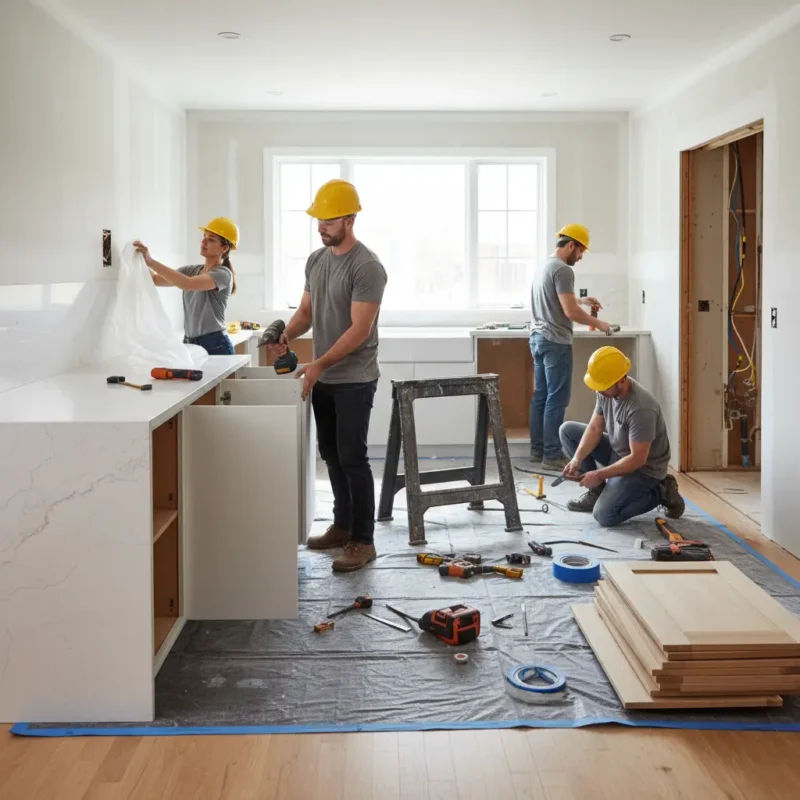
- Client Name: Edolf
- Kitchen Design: Modern Two-Tone Design with Smart Features
- Location: Carroll Gardens, Brooklyn, NYC
- Cost Range: $50,000 – $60,000
- Timeline: 4 weeks (from design to completion)
Edolf’s kitchen in a Carroll Gardens brownstone was small and outdated, with limited storage and no smart features. He wanted a brighter, more functional kitchen that felt open and modern. Our team at SR General Construction NYC redesigned the layout and added custom upgrades that turned his space into a perfect blend of Brooklyn charm and smart living.
Here’s how we made it happen:
- Open Layout: Removed a half-wall to connect the kitchen and dining area, creating an airy, social space.
- Two-Tone Cabinets: Installed white uppers and navy-blue lowers for a timeless, high-contrast look.
- Smart Appliances: Added a Wi-Fi oven and integrated smart refrigerator for effortless cooking and control.
- Tech Features: Installed a touch-activated faucet and motion-sensor LED lighting for convenience and energy efficiency.
- Optimized Storage: Built a floor-to-ceiling pantry and breakfast bar for added space and daily comfort.
- Brooklyn Charm: Preserved an exposed brick wall to maintain the home’s original character.
The project was completed within 4 weeks and on budget. The result is a bright, smart, and highly functional kitchen that reflects Edolf’s lifestyle and the timeless character of Carroll Gardens; another successful transformation by SR General Construction NYC.
Where to Find the Best Brooklyn Contractors
Are you looking for an expert contractor in Brooklyn, NYC? SR General Construction has you covered! Our business is located at 8807 Avenue B, Brooklyn, NY 11236, United States, in the Canarsie area.
Additionally, we offer services at Rockaway Parkway and Ralph Avenue, providing fast access to Flatlands, East Flatbush, Bergen Beach, Brownsville, and the Spring Creek section of East New York.
FAQ
1. How much does a kitchen renovation cost in Brooklyn in 2025?
Mid-range projects typically cost around $60k–$100k for a standard 120–150 sq ft kitchen, while luxury scopes can exceed $150k; per-sq-ft ranges of $350–$750 are common for mid-range projects and $800–$1,200+ for high-end projects in Brooklyn. Houzz’s 2025 study also shows a national median spend around $60k for major remodels, with high-end kitchens far above that.
2. How long does a Brooklyn kitchen remodel take?
A full NYC kitchen remodel often spans 3–6 months, including design, filings, purchasing, and build; lighter updates can finish faster. Timelines stretch with board approvals, permits, and material lead times.
3. What are the biggest kitchen color trends for 2025?
Design pros highlight greens, blues, and warm earth tones, plus more wood and nature-inspired palettes. Those findings are reflected in NKBA and Houzz’s 2025 trend coverage.
4. How can I budget realistically for a Brooklyn kitchen?
Use a per-square-foot range that matches the scope (e.g., $350–$750 mid-range; $800–$1,200+ high-end) and add a contingency for board rules and unexpected surprises in older buildings. Cross-check square-foot math with typical project totals of $60k–$100k+.
5. What’s the typical sequence for a NYC kitchen remodel?
Plan and design first, then obtain board/DOB approvals, order materials, conduct demolition, rough-in installations, and complete inspections/close-out. Allow cushion time for approvals and lead times.
6. Do I need an architect or engineer for my kitchen project?
If work needs DOB plans—like moving walls, changing egress, or rerouting gas/plumbing—you must involve a NYS PE or RA. Cosmetic updates usually do not require filings.