

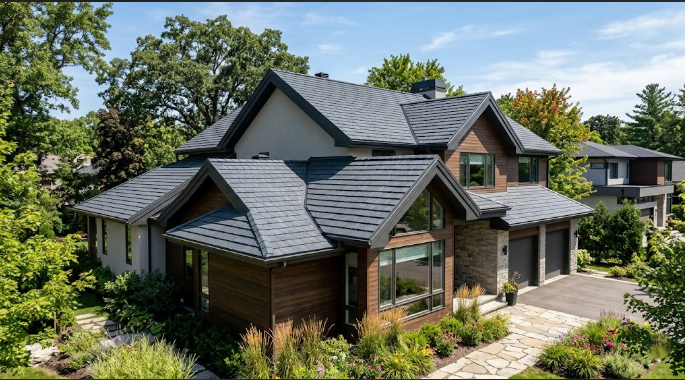
Do you want a roof that looks elegant, like natural slate or cedar, but doesn’t drain your wallet or demand constant repairs? Many Brooklyn homeowners are searching for that perfect balance between beauty, strength, and value when upgrading their roofs.
That’s where synthetic roofing comes in. It’s a modern solution that keeps the charm of classic roofing styles while offering better protection against Brooklyn’s shifting weather, whether it’s summer heat or winter snow.
In this post, we’ll talk about everything you need to know about synthetic roofing—what it is, how it compares to traditional materials, its main benefits, costs, and how it performs in New York’s tough climate. By the end, you’ll know if this modern roofing option is the smart choice for your home.
Key Takeaways
- Synthetic roofing is a manufactured alternative to slate, cedar, or clay that uses polymer composites and recycled materials.
- Weight is far lower than natural slate or clay, which reduces structural stress.
- Many systems hold Class A fire, Class 4 impact, and ~110-mph wind ratings.
- Lifespan runs ~40–50 years for synthetic slate/shake and ~25–30+ years for composite shingles.
- Main types include synthetic slate, cedar shake, barrel tile, composite architectural, and rubber-based slate-look.
- Brooklyn installation cost averages about $15–$22 per sq ft, with complex roofs higher.
- Routine care stays light; do yearly checks and keep gutters and valleys clear.
- Performance fits Brooklyn’s freeze–thaw cycles, heat, and storms.
- Proper installation with the listed underlayment and flashing protects code compliance and warranties.
- Brand warranties often span 30–50 years, and SR General Construction adds a 12-year workmanship warranty.
What Is Synthetic Roofing?
Synthetic roofing is a manufactured alternative to natural slate, wood shake, or clay tile. To replicate the look of premium materials without the weight or maintenance, manufacturers use engineered polymers and composites, often integrating recycled rubber or recycled plastic. The result is a roofing product designed for strong weather performance, long service life, and authentic curb appeal. Think “classic look, modern technology.”
What Makes a Roof “Synthetic”? (Materials & Composition)
You deserve to know what is actually going on over your family’s head. In plain terms, synthetic shingles use advanced formulas that balance strength, stability, and realistic texture. Below are the core ingredients you’ll hear about when you talk with a roofer.
- Polymer composites (the base “recipe”): Many premium tiles are molded from virgin resins with UV and thermal stabilizers plus fire retardants for class-leading safety. This blend keeps color consistent and helps the shingle resist cracking in heat or cold. If you want predictable performance, these tightly controlled formulas deliver it.
- Recycled rubber and plastics: Some brands use post-industrial rubber (like EPDM) and plastic (like TPO) to form durable, flexible polymer composite tiles. That gives you impact resistance and a lighter tile that eases stress on your roof deck. It also supports sustainability goals without losing the slate-like look you want.
- Composite asphalt shingle “cousins”: You will also see composite shingles built from fiberglass mats, asphalt, and mineral granules. They sit between basic asphalt and high-end polymer composites and can mimic wood or slate at a more approachable price. Ask your contractor where these fit for your home’s goals.
- Fire-rated systems and underlayments: Class A fire performance often comes from the shingle paired with a certified underlayment. This combo helps meet strict urban codes while keeping your roof’s style intact. If safety sits high on your list, confirm the exact system your roofer will install.
Traditional vs. Synthetic Roofing: A Modern Alternative
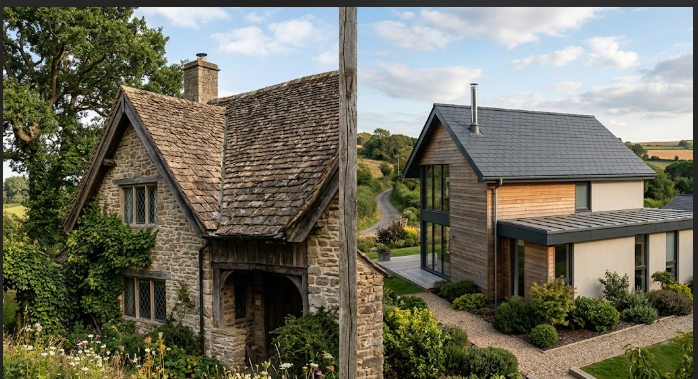
You might love the look of natural slate or cedar. You might not love the weight, upkeep, or cost that can come with them. Synthetic roofing steps in as a practical path that still respects the style you want.
| Factor | Traditional (Slate/Cedar/Clay) | Synthetic (Polymer/Composite) |
| Appearance | Authentic natural texture and color. | High-fidelity molds emulate slate, shake, or tile from the curb. |
| Weight | Heavy; slate/clay can require structural upgrades. | Significantly lighter; easier on older structures. |
| Weather & Fire | Slate is durable but brittle; cedar needs treatment; clay can crack in freeze-thaw. | Flexible impact resistance; broad Class A fire options with proper underlayment. |
| Maintenance | Cedar can rot or split; slate repairs need specialists. | Low routine care; materials resist rot, insects, and UV fade. |
| Cost & Lifespan | Highest material and labor on slate/clay; long life if maintained. | Lower than natural slate/clay; many products target multi-decade service. |
Types of Synthetic Roofing
You have options, and each type serves a slightly different taste, budget, and home style. Use this quick tour to match your wish list with the right product family. If you need help narrowing things down, a local installer can show real samples.
- Synthetic slate: Made to mirror quarried slate with crisp edges and shadow lines. You get lighter weight and easier installation while keeping that timeless brownstone vibe many readers want. It suits historic-style facades that need elegance without extra structural load.
- Synthetic cedar shake: Tiles carry split-grain textures and color variation that look like fresh cedar. You skip rot, frequent coatings, and insect worries that frustrate homeowners. Choose this if you love warm, rustic character with modern durability.
- Synthetic Spanish/Barrel tile: Profiles echo clay barrel shapes but keep weight down for easier installs. You gain classic Mediterranean curves without the fragility of fired clay in harsh freeze-thaw. It fits homes that want bold contours and long-term resilience.
- Composite architectural shingles: These blend asphalt, fiberglass, and engineered additives to raise performance above basic 3-tab shingles. You can target wood- or slate-like looks at a cost that stays approachable. Pick this route if you want an upgrade without stepping into full polymer tiles.
- Rubber-based “slate look” tiles: Manufacturers mold EPDM/TPO-based mixes into slate-style pieces for flexibility and impact absorption. Homeowners like the balance of realism and toughness under hail or falling branches. Ask for samples to feel the give and see the texture up close.
Key Benefits of Synthetic Roofing for Homeowners
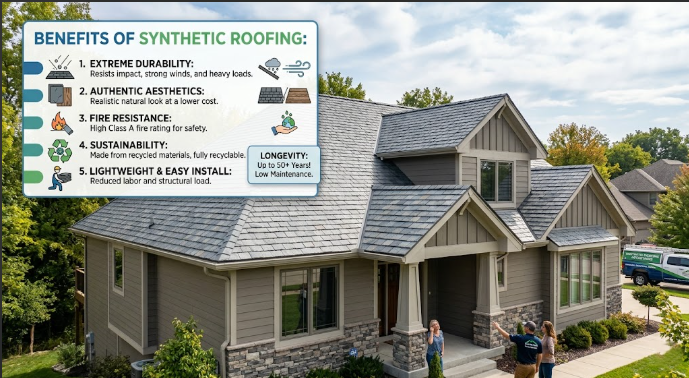
You want a roof that looks great and stands up to tough weather. You also want less hassle over the years. That is where synthetic roofing helps Brooklyn homeowners get real value without losing style.
- Strong weather performance: Many top synthetic tiles carry a Class A fire rating, a Class 4 impact rating, and wind approvals that match serious storms. That means better protection when hail hits, when winds kick up, and when summer heat runs high. You get durability that rivals premium roofs without the usual headaches.
- Lighter weight on your home: Natural slate or clay can stress older structures in Brooklyn. Synthetic tiles weigh far less, so your roof deck handles the load without major structural upgrades in many cases. That lighter profile also helps with safer, faster handling during installation.
- Low routine maintenance: Unlike cedar, synthetics resist rot, insects, and frequent surface treatment. You spend less time on upkeep and more time enjoying the look. Regular inspections still matter, yet the day-to-day care stays simple.
- Premium look without premium fragility: Molds are taken from real slate and hand-split shakes. From the curb, your neighbors see depth, shadow, and texture that reads as the real thing. You keep the classic look and skip the brittle edges that chip under foot traffic.
- Long manufacturer support: Leading brands publish multi-decade warranties on slate and shake lines. Homeowners see limited lifetime or 50-year coverage on many systems when installed per spec. That level of backing signals confidence in long service life.
- Freeze–thaw and UV stability: Engineered blends handle temperature swings that Brooklyn sees each year. Formulations add UV inhibitors and impact-absorbing cores to reduce cracking. You get steady performance across seasons and fewer surprise repairs.
Limitations and Drawbacks of Synthetic Roofing
Every material has trade-offs, and you should know them before you decide. This protects your budget and sets the right expectations. Here are the main watch-outs homeowners ask about.
- Higher upfront cost than basic asphalt: You pay more at installation for synthetic roofing than for standard asphalt shingles. However, the total installed cost for synthetic typically remains lower than what you would pay for natural slate or clay roofing on most homes. If you plan to stay long-term, think of it as ‘invest once, save headaches later.’
- Shorter lifespan than the longest-lasting naturals: Natural slate can reach 75–100+ years with care. Quality synthetic slate often targets about 40–50 years instead. That is long service, yet it does not match the top stone or clay tiles.
- Installer experience really matters: These systems need correct underlayments, fasteners, and patterns to hit fire and wind ratings. A rushed job can reduce performance or affect warranty terms. Choose a contractor who installs your chosen brand often.
- Some products can fade or show wear over decades: Lower-tier lines may show color change after long UV exposure. Premium brands work to control this with additives and testing. Ask for samples and recent local installs before you commit.
- A few purists may prefer real stone or wood: Up close, trained eyes can spot differences in sheen or edge detail. Historic boards sometimes ask for submittals before approval. High-fidelity profiles still pass the “street view test” on most homes.
Longevity and Lifespan of Synthetic Roofs
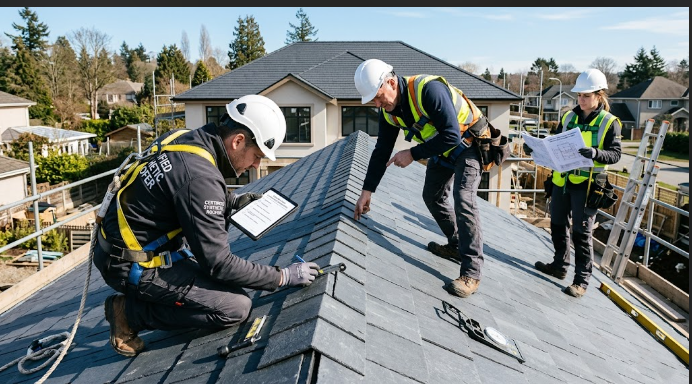
- Synthetic slate (polymer/composite): commonly ~40–50 years with proper installation and care. You get far more life than basic asphalt and less than top natural slate. Brands pair this with long material warranties.
- Synthetic cedar shake (polymer/composite): often multi-decade service in the same 40–50-year band when specified as Class A/ A/Class 4 systems. Expect stronger weather resistance and lower upkeep than real cedar.
- Composite architectural shingles (asphalt-based “cousins”): typically 25–30+ years depending on grade and climate. Good value for cost, yet a step below full polymer tiles for lifespan.
- Synthetic barrel/tile profiles (polymer): multi-decade lifespans with weight and impact advantages over clay. Useful where freeze–thaw hurts fired tile. Check each brand’s listing for exact ratings.
Warranties and Manufacturer Guarantees
Major synthetic brands publish strong coverage: DaVinci lists a lifetime limited material warranty on slate and shake lines, Brava advertises up to 50 years, and EcoStar offers 50-year Gold Star options through certified installers. These warranties depend on proper installation and specified underlayments, so your contractor choice matters.
At SR General Construction, we also back our craftsmanship. We provide a 12-year warranty on new roof installation, and we help you register the manufacturer’s warranty for extra protection. This gives you product support from the brand and labor support from our team.
How Are Synthetic Shingles Environmentally Friendly?
Many polymer tiles use recycled content like reclaimed TPO or EPDM, so fewer plastics head to landfills. Several lines are recyclable at the end of life, which supports circular use in roofing products. Longer service life also cuts tear-off waste compared with frequent asphalt replacements. You keep the look you want while you reduce overall material use across decades.
The Cost of Synthetic Roofing in Brooklyn, NYC
You want clear numbers before you choose a roof. Costs in Brooklyn sit higher than national averages because access is tight, labor runs strong, and permits add steps. Use the ranges below as a planning guide, then get a local quote to lock things in.
- Average installed price (Brooklyn expectation): National averages show synthetic slate around $9–$12/sq ft installed, while premium brands like DaVinci trend $15–$20/sq ft. In NYC, most homeowners’ land is near the upper end due to labor and logistics. Plan for ~$15–$22/sq ft on typical Brooklyn projects, with complex roofs above that.
- Material cost: Many polymer/slate-look systems cost ~$3.50–$12.00/sq ft for material alone, depending on brand and profile. Premium rubber- or polymer-composite tiles sit at the higher end of that band.
- Labor cost: On roofing projects, labor often equals 40–60% of the total bill, and NYC frequently trends high because of access, staging, and safety rules. Local contractors also note that labor can reach 50–60% of the jobs in the city.
- Installation (project) totals in Brooklyn: A broad NYC guide shows roof replacements vary widely; many Brooklyn homes fall in the $10,000–$25,000+ range for common roofs, with synthetic systems usually above standard asphalt. Expect higher totals on brownstones with steep fronts or landmark constraints.
- Repair cost (synthetic/slate look): National slate repair jobs average about $784–$3,248, with synthetic repairs often a bit less per sq ft than natural slate. NYC jobs may be priced above national figures because of access and permits; small fixes can be a few hundred, and larger repairs reach thousands
How to Install a Synthetic Roof (Installation Overview)
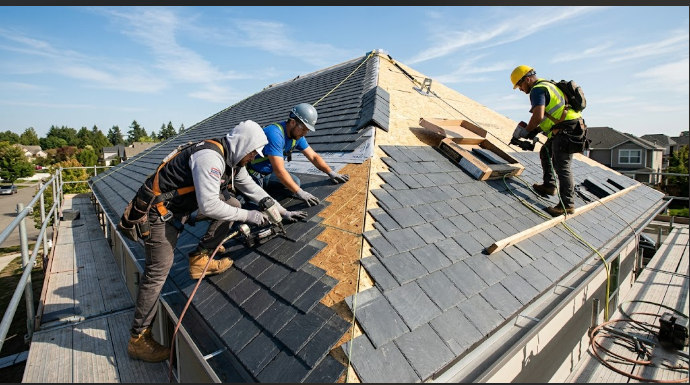
You deserve to know the playbook before crews show up. The steps below outline how pros handle a polymer slate or shake system on a Brooklyn home. Use this as your checklist when you talk with your contractor.
- Tear-off and deck check: Your crew removes old roofing down to clean wood. They replace soft or broken sheathing so the new system sits on a solid base. This protects warranties and sets a stable surface for the rest of the work.
- Underlayment and ice/water protection: Installers roll a code-approved underlayment and add peel-and-stick membranes at eaves, valleys, and penetrations. This guards against wind-driven rain and freeze-thaw leaks in NYC winters. Your warranty and the building code both rely on this layer.
- Metal edges and valleys: Pros add drip edges on eaves and rakes, then form valley flashing in corrosion-resistant metal. Valleys carry heavy water loads, so correct width and gauge matter a lot on steep brownstone fronts. Ask to see the valley in detail before work begins.
- Starter course and layout: A starter row locks the first course. Crews snap lines and stage mixed bundles so colors blend naturally on the roof face. This keeps courses straight and the look consistent from the street.
- Field tiles: fasteners and pattern: Installers set each slate/shake piece to the maker’s nail zone with approved fasteners. They stagger joints, keep the reveal consistent, and follow the required exposures for your slope. Proper nailing hits the wind rating that the brochure promises.
- Flashing at walls, chimneys, and skylights: Step flashing and counter-flashing seal sidewalls; crickets move water behind chimneys. These parts stop most leaks when detailed correctly. Ask your roofer which metals and sealants they intend to use.
- Ridge, hips, vents, and accessories: Crews finish with hip/ridge caps, then integrate vents per the system guide. Balanced intake and exhaust protect your deck and shingles. Your roof breathes better and lasts longer.
- Cleanup and final inspection: Teams remove debris, sweep for nails, and submit for any required inspections. You receive warranty info and care notes. Keep those papers with your home records.
Synthetic Roofing vs. Other Roofing Materials
| Material | Installed Cost ($/sq ft) | Typical Lifespan | Weight (relative) | Fire Rating Options | Maintenance |
| Synthetic (polymer slate/shake) | ~9–20 (premium brands 15–20) | ~30–60 yrs (brand dependent) | Light-to-moderate | Class A available with listed assemblies | Low routine care |
| Asphalt shingles (architectural) | ~5–7 (luxury 8–10) | ~15–30 yrs typical | Light | Class A options common | Moderate; granule wear over time |
| Standing-seam metal | ~9–18+ (wide range by metal) | ~30–50+ yrs | Light-to-moderate | Class A assemblies common | Low; check fasteners/sealants |
| Natural slate | ~15–30+ | ~75–100+ yrs | Heavy; may need structure | Non-combustible/Class A | Low, but specialized repairs |
| Cedar shake | ~10–17 | ~25–50 yrs | Light | Class A only with specific assemblies | Higher; treatments & replacement |
| Clay/concrete tile | ~11–19+ (clay higher) | ~50–100+ yrs | Heavy; structure check | Non-combustible/Class A | Low-to-moderate; occasional tile swaps |
Synthetic Roofing in NYC’s Climate and Building Codes
Brooklyn sees heat waves, nor’easters, and freeze-thaw cycles; polymer systems pair flexibility with strong wind and impact ratings to address that mix. NYC Building Code Chapter 15 requires approved roof coverings installed per code and manufacturer instructions, so your system must match a listed assembly. Fire classification rules also apply; NYC tables show minimum roof-covering classes by construction type, and Class A systems are widely accepted across building types.
If your home sits in a Landmarks district, the LPC guidebook notes that staff can approve replacement materials that match the historic look (artificial slate included) when you follow the process. Your contractor should cite the product’s Class A listing and file the right DOB and LPC paperwork before work starts.
Maintenance and Care for Synthetic Roofing
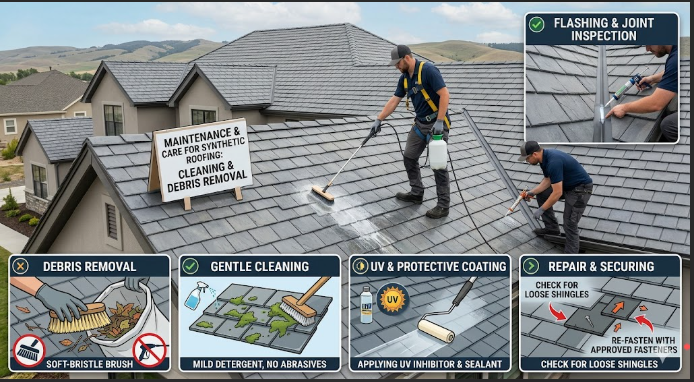
You want your roof to look great and last a long time. A simple care plan protects that investment. Use these homeowner-friendly habits to stay ahead of problems.
- Do a roof check at least once a year.
Look for cracked tiles, lifted pieces, or missing fasteners after big storms. Manufacturers advise an annual inspection as a baseline for long-term performance. That quick look helps you spot small issues before they grow. - Keep valleys, gutters, and downspouts clear.
Debris traps moisture and pushes water where it should not go. A visual check for stains, overflow, or blockages gives you early warning. Clear the channels so drainage runs free. - Clean with gentle methods, not harsh chemicals
Use mild detergent and a soft-bristle brush for routine cleaning. Brands approve diluted Simple Green and allow low-pressure rinsing aimed down the slope with distance from the surface. Skip acid cleaners, strong abrasives, and high-pressure wands. - Limit foot traffic and stay safe.
Walk the roof only when you must, and use proper fall protection. Tiles get slippery when wet, so treat wet surfaces with extra care. If access looks risky, hire a pro. - Check flashings and penetrations.
Look around chimneys, skylights, and sidewalls for gaps or failed sealant. Tight metalwork keeps water out more than any other detail on the roof. Flag issues early and schedule a repair. - Know that “low maintenance” does not mean “no maintenance.”
Many synthetic roofs need little attention, yet a light annual routine keeps them at their best. Cleaning is optional for warranty on some lines, but it helps curb appeal. A short checklist once a year pays off.
Is Synthetic Roofing Suitable for the Brooklyn, NYC Climate
Yes, it suits Brooklyn well because the material handles heat, humidity, snow, and freeze–thaw swings that New York sees each year. Polymer tiles carry top ratings like UL 2218 Class 4 impact, which helps against wind-borne debris and hail. Many systems post 110-mph wind ratings and carry Miami-Dade NOA approvals that signal robust storm performance. Class A fire assemblies add another layer of safety for dense city blocks.
Where to Find the Best Brooklyn Roofing Contractors
Are you looking for an expert roofing contractor in Brooklyn, NYC? SR General Construction has you covered! Our business is located at 8807 Avenue B, Brooklyn, NY 11236, United States, in the Canarsie area.
We proudly serve all areas of Brooklyn with high-quality, durable roofing solutions. From new installations to repairs and maintenance, we provide the best service at affordable prices. Contact us and experience why we’re Brooklyn’s roofing experts!
FAQ
1. What is synthetic roofing?
Synthetic roofing is a man-made alternative to slate, cedar shake, or clay tile, typically molded from engineered polymers or recycled rubber/plastics to mimic premium looks with lower weight and maintenance.
2. What are synthetic shingles made of?
Formulations vary: some use virgin resins with UV/thermal stabilizers and fire retardants; others use recycled polyolefin/rubber blends. Both approaches aim to deliver impact, fire, and weather resistance with a realistic texture.
3. Are synthetic tiles lighter than real slate?
Yes. Typical DaVinci slate products weigh ~182–349 lbs per square, versus natural slate, which commonly weighs ~700–800+ lbs per square. That weight reduction can help older structures.
4. Do synthetic roofs meet Class A fire ratings?
Many systems achieve Class A when installed as a listed assembly per the manufacturer’s instructions and code. NYC adopts ICC code provisions that require listed testing to UL 790/ASTM E108 for roof-cover fire classification.
5. How do they handle hail and high winds?
Top products carry UL 2218 Class 4 impact and wind ratings around 110 mph, with some also tested for High Velocity Hurricane Zone criteria. Always confirm the specific listing for the exact product.
6. What roof pitch do I need for synthetic slate/shake?
Minimum slopes are product-specific; for example, EcoStar Majestic Slate calls for ≥3:12 (6″ exposure) and ≥6:12 (7″ exposure). Check the brand’s installation guide for your roof design.