

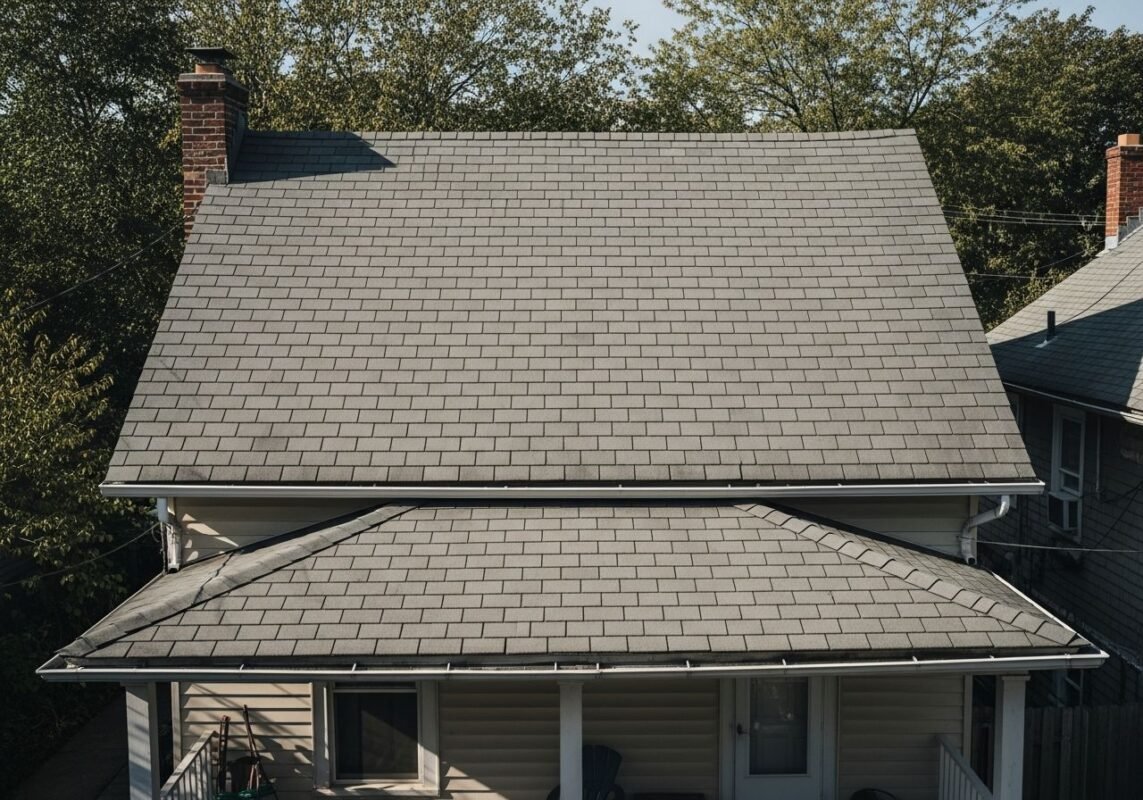
Have you ever wondered what makes a roof stand out in Brooklyn’s diverse landscape? It’s not just about keeping your home dry—it’s about choosing the right roofing material that can withstand Brooklyn’s unpredictable weather while complementing your home’s character.
In this guide, we’ll walk you through the best roof tile options for Brooklyn homes, taking into account the unique climate challenges of NYC. From the classic elegance of clay and slate to modern, eco-friendly solar tiles, we’ll help you understand the pros and cons of each material.
Comparison Table of Roofing Tiles
| Roof Tile Type | Durability / Lifespan | Cost (Material + Installation) | Maintenance Need | Weather Resistance (Brooklyn Climate) | Aesthetic Appeal |
| Slate Roof Tiles | 75–100 years — very durable | $$$$ (High) | Low | Excellent — resists snow, rain, and wind | Classic & timeless; ideal for brownstones |
| Clay Roof Tiles | 50–100 years | $$$ (Moderate–High) | Low | Strong — performs well in humidity and salt air | Warm, Mediterranean charm |
| Cedar Shake Roof Tiles | 25–40 years | $$$ (High) | Moderate–High | Fair — needs treatment for moisture | Natural, rustic look |
| Concrete Roof Tiles | 40–75 years | $$ (Moderate) | Moderate | Good — handles temperature swings well | Traditional, textured appearance |
| Composite Roof Tiles | 40–50 years | $$ (Moderate) | Low | Very good — resists cracking and fading | Mimics slate, clay, or wood beautifully |
| Metal Roof Tiles | 50–70 years | $$$ (High) | Very Low | Excellent — reflects heat and resists corrosion | Modern, sleek finish |
| Solar Roof Tiles | 25–30 years | $$$$ (Very High) | Low | Excellent — energy-efficient for sunny days | Futuristic, clean aesthetic |
| Copper Roof Tiles | 70–100 years | $$$$ (Very High) | Very Low | Excellent — naturally resists corrosion | Elegant patina over time |
| Fiber Cement Shake Roof Tiles | 30–50 years | $$ (Moderate) | Low | Very good — resists rot, mold, and fire | Realistic cedar texture |
| Wood Roof Tiles | 20–35 years | $$ (Moderate) | High | Fair — needs sealing in humid areas | Warm, traditional aesthetic |
What Are Roof Tiles?
Think of roof tiles as the protective skin of your brownstone. They’re individual units designed to shed water and protect your home from the elements. Made from various materials, roof tiles are stacked in overlapping rows to form a durable, weather-resistant barrier. They’re not just functional; they also add to the stylish charm of your brownstone, contributing to its overall character and appeal.
Key Factors to Consider When Choosing Roofing Tiles
When it comes to reroofing your Brooklyn house, you’ve got lots of factors to juggle – especially with our city’s mix of old brownstones and modern buildings. Hot summers, snow, and rain) will affect your roof, as well as your building’s style and budget. Below are some key considerations you and your contractor should discuss when picking roofing tiles:
- Climate and Weather: In Brooklyn, roofs face hot summers, cold, snowy winters, and occasional high winds or heavy rain. Make sure the tiles you choose can handle these extremes (for example, concrete and slate can resist wind and moisture).
- Structure and Weight: Not every roof can support very heavy tiles. For instance, natural slate, clay, and concrete tiles are quite heavy, so your roof frame may need reinforcement. You’ll want to work with a roofer who can inspect and, if needed, strengthen your roof decking before installation.
- Style and Aesthetics: Your tile should complement your home’s architecture. Brooklyn has diverse styles (from rowhouses to art-deco homes), so pick a tile color and shape that match your exterior. Tile roofing comes in many styles (Spanish barrel, flat, shakes, etc.), allowing you to find one that suits your taste and historic neighborhood.
- Budget and Cost: Tile roofs vary widely in price. Natural stone, slate, or high-end cedar will cost much more upfront than asphalt or composite tiles. Consider both material and installation costs (some tiles need specialized installers). It’s wise to get quotes and factor in any extra costs, since choosing a really premium tile could double or triple your cost.
- Maintenance and Longevity: Consider how long you want your roof to last and how much care you’re willing to put into it. Some tiles, like slate or clay, can last 100+ years with little maintenance, while wood shakes (cedar) need regular treatments and cleaning. You should balance the expected lifespan against potential repair needs; for example, slate may cost more upfront but often lasts well over a century.
Slate Roof Tiles
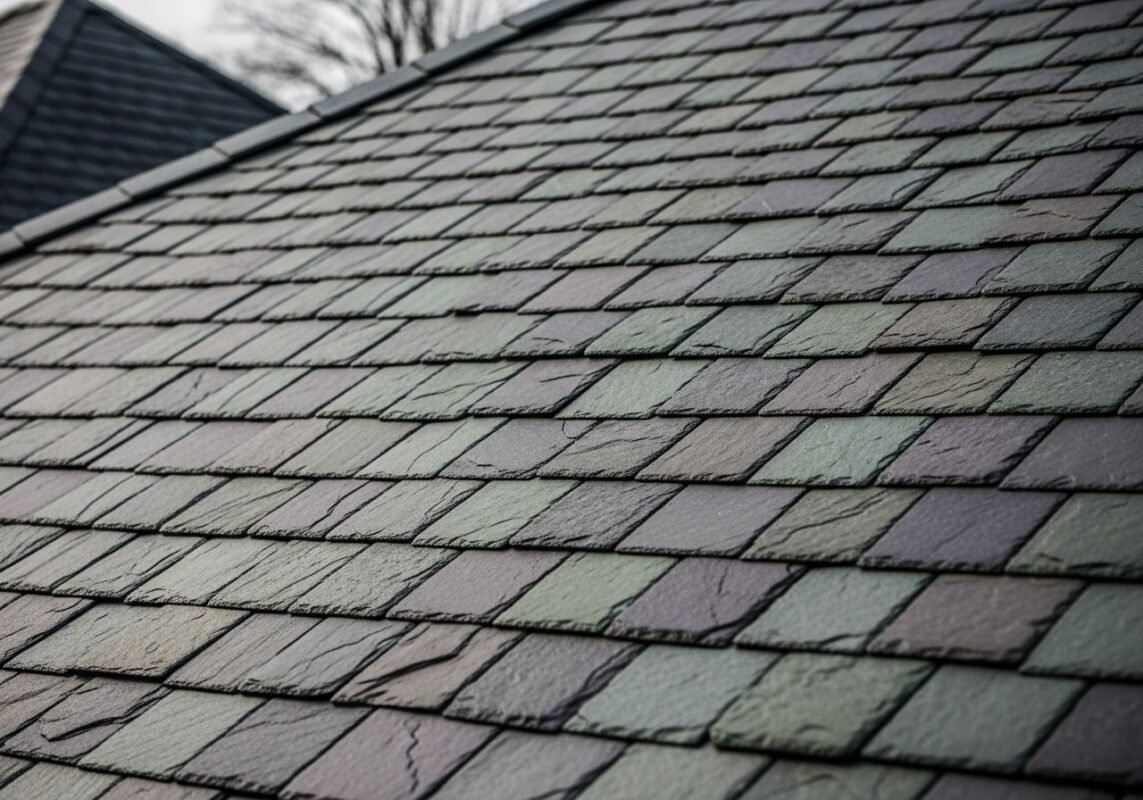
Slate roof tiles are beautiful, natural stone shingles that give your home a classic, high-end look. They come from quarries (mostly in the northeastern US) and are known for their rich colors —think deep grays, greens, purples, or even reds —depending on mineral content. Because slate is cut from layered stone, each shingle varies slightly, adding to that timeless appeal. In conversation, you might say “a slate roof really makes a house,” and with good reason, its rugged texture and color variations elevate curb appeal.
Features
- Slate is a dense, fine-grained stone material. It’s extremely waterproof and durable, practically impervious to water.
- Slate tiles are inherently fire-resistant (stone won’t burn).
- They are heavy, typically 800–1,500 pounds per square (100 sq. ft)—so roof framing must be strong.
- They come in various sizes and thicknesses (thicker slate lasts longer).
- Finally, slate can develop a patina or even slight weathering over time, but it generally weathers gracefully and keeps its color.
Benefits
- Slate roofs last for generations. Hard slate often endures 75–150 years, far longer than asphalt. Because it’s stone, slate also stands up to tough weather – strong wind, freeze/thaw, and hail don’t faze it.
- It resists mold, rot, and insect damage, so maintenance is low. A long life can add resale value to your home, and with some warranty coverage, you might never need to re-roof again.
- A slate roof also offers excellent insulation: it naturally helps keep heat in during winter and out in summer.
- Lastly, since it’s made of natural stone, slate is very eco-friendly, recyclable if removed, and free of synthetic chemicals.
Cost Range: Slate is one of the most expensive roofing materials. Expect around $12–$33 per square foot installed (so $1,200–$3,300 per 100 sq. ft). That includes both the tiles and the specialized labor – slate installation is slow and skill-intensive. Because labor rates in Brooklyn are higher, costs might skew toward the upper end. Repairing slate is also pricey; replacement slats must match old ones and need careful setting.
Lifespan: About 75–150 years for high-quality slate. Even soft slate varieties often last more than 50 years when properly installed and maintained. It’s common in NYC for century-old slate roofs to still be in service, so you could realistically have a slate roof for a lifetime (or longer!)
Clay Roof Tiles
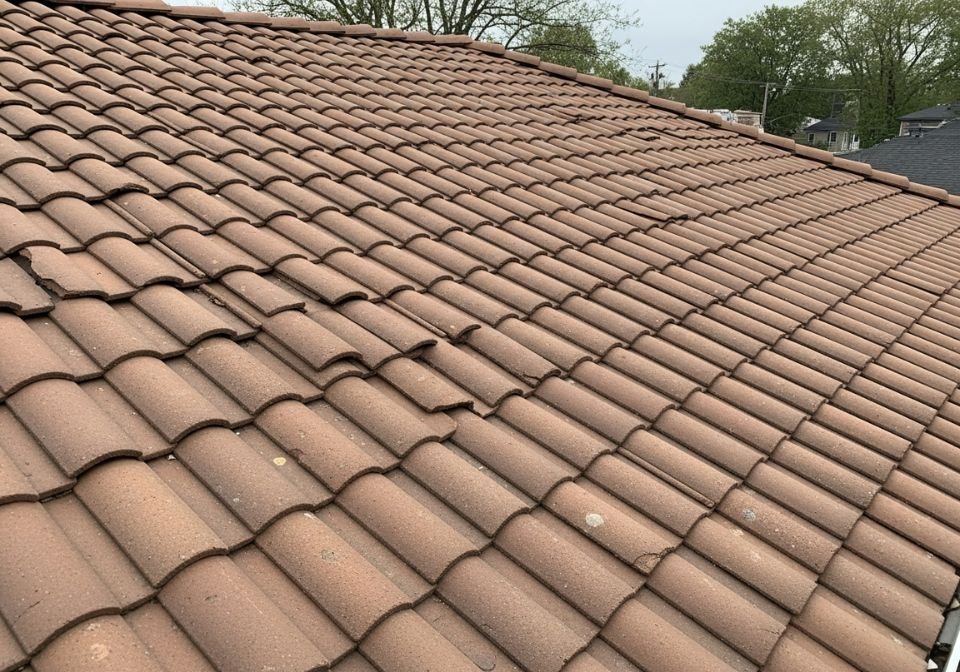
Clay roof tiles (sometimes called terra cotta tiles) are made from baked earth – you often see them in warm terra-cotta reds or spicy browns, though they can also be glazed in other colors. They have a distinctive look, often curved or fluted. In Brooklyn, you might spot them on Mediterranean-style homes or older buildings. Clay tiles are rigid and heavy, with an old-world European charm: if you walk past a clay-tiled roof, you can almost hear its history.
Features
- Clay tiles are baked ceramic and very dense. They are fireproof by nature (as a material baked at high temperatures) and insectproof.
- They have excellent insulating properties – their thickness and hollow shapes (on barrel/Spanish tiles) help buffer heat, so attics stay cooler.
- Clay tiles can have interlocking profiles or flat shapes, and they come in many profiles (Spanish, Mission, flat, etc.) to match a variety of styles.
- However, clay is brittle – the tiles resist water but can crack if walked on or hit by very heavy hail.
- And like slate, clay tiles are very heavy (700–1,000 lbs per 100 sq. ft), so roof reinforcement is important.
Benefits
- Clay roofs last over a century with minimal issues. Many clay roofs last more than 100 years, outlasting most other materials.
- They handle heat and sun extremely well, tile colors don’t fade quickly, and they stay cool under fire.
- Clay tiles “breathe,” they resist rot and moisture buildup, making them low-maintenance. Those insulating qualities can lower energy bills by keeping your home comfortable naturally.
- A clay roof has strong curb appeal (think Tuscan villas or Spanish colonial architecture); in Brooklyn’s historic neighborhoods, that classic look can really make a statement.
- Also, clay is inert (non-toxic) and recyclable, so it’s an environmentally friendly option if sustainability matters to you.
Cost Range: Clay is pricey. Material alone runs about $3–$7 per sq. ft, plus installation can add $8–$25 per sq. ft. That means a fully installed clay tile can be roughly $11–$32 per square foot all-in. Expect the higher side in NYC, especially if your roof is hard to work on. Repairs are also significant: cracked tiles must be replaced carefully to match the color/pattern, and it’s specialized work.
Lifespan: Easily 50–100+ years. With good installation, you may never need another roof. Properly maintained clay tile roofs routinely go past a century, so in practical terms, a clay roof can last the life of your home.
Cedar Shake Roof Tiles
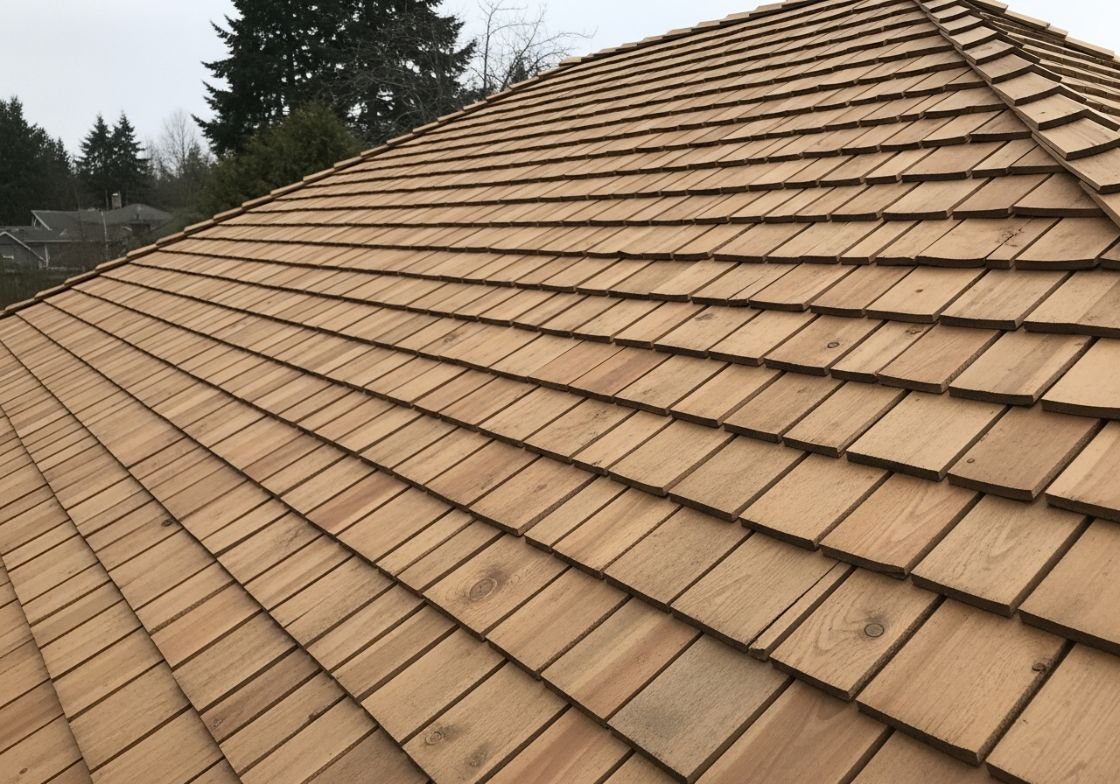
Cedar shake roof tiles are wooden shingles cut from cedar trees. They have a very rustic, warm appearance – imagine layered wood shingles with a natural cinnamon-brown color that weathers to soft gray if unsealed. In Brooklyn, cedar shakes give a classic cottage or colonial look (you’ll see them on some townhouses and bungalows). Because they’re made of natural wood, each shingle is unique – some are sawed smooth, others are hand-split for a rougher texture. They feel very organic and natural, but wood also requires some special care.
Features
- Cedar shakes are made of natural wood, so they have built-in oils that resist insects and decay (cedar is known for being termite-resistant).
- They come in different thicknesses (often ½″ or ¾″) and grades: “common” shakes (cheapest) or “straight-grain” (top quality, laid flat). The thickness and grain affect durability – thicker, straight-grain shakes last longer.
- Cedar is a lightweight material compared to slate or tile, so you usually don’t have to beef up the roof structure.
- On the flip side, wood is susceptible to moisture; if not kept clean, it can warp or rot. Often, a preservative treatment (like a sealant or stain) is applied to improve water resistance.
- Overall, cedar shakes have a rich, tactile texture and grain that many homeowners love, but they do require inspection and upkeep (cleaning off moss/limestone buildup every few years).
Benefits
- Cedar shake roofs can last 30–50 years when properly installed and maintained. That’s longer than asphalt shingles by far.
- They are energy-efficient: wood has natural insulating properties, and the air pockets between shakes help regulate attic temperature.
- Cedar is also eco-friendly – it’s a renewable resource, biodegradable, and the energy used in production is lower than for slate or clay.
- A well-kept cedar roof has great curb appeal: it’s warm-looking and textured, often considered more attractive than plain shingles.
- Since cedar is lighter, installation (and later repairs) can be faster and cheaper than for stone or tile. And remember those oils in cedar – they naturally repel some pests (termites hate cedar) and make the wood decay-resistant.
Cost Range: Cedar shake roofing is not cheap, but generally less than slate or clay. Expect roughly $5.50–$13.50 per square foot installed (about $550–$1,350 per 100 sq. ft). Labor is a big part of this – skilled installers charge more per hour for shake roofing (about $60/hr). So for an average Brooklyn home (say, 2,000 sq ft.), a new cedar-shake roof might run around $11,000–$27,000, depending on style and complexity. Note that maintenance treatments or replacements of damaged shakes add to the lifetime cost.
Lifespan: Typically 30 years, possibly up to 50 years for high-grade cedar. Properly installed cedar can reach ~30 years on average. If you invest in the best quality (straight-grain, thicker shakes) and regularly clear debris and reapply preservatives, you might stretch it toward 50. However, in Brooklyn’s humid summers and snowy winters, plan on periodic inspection and expect that some shakes will need replacement over time.
Concrete Roof Tiles
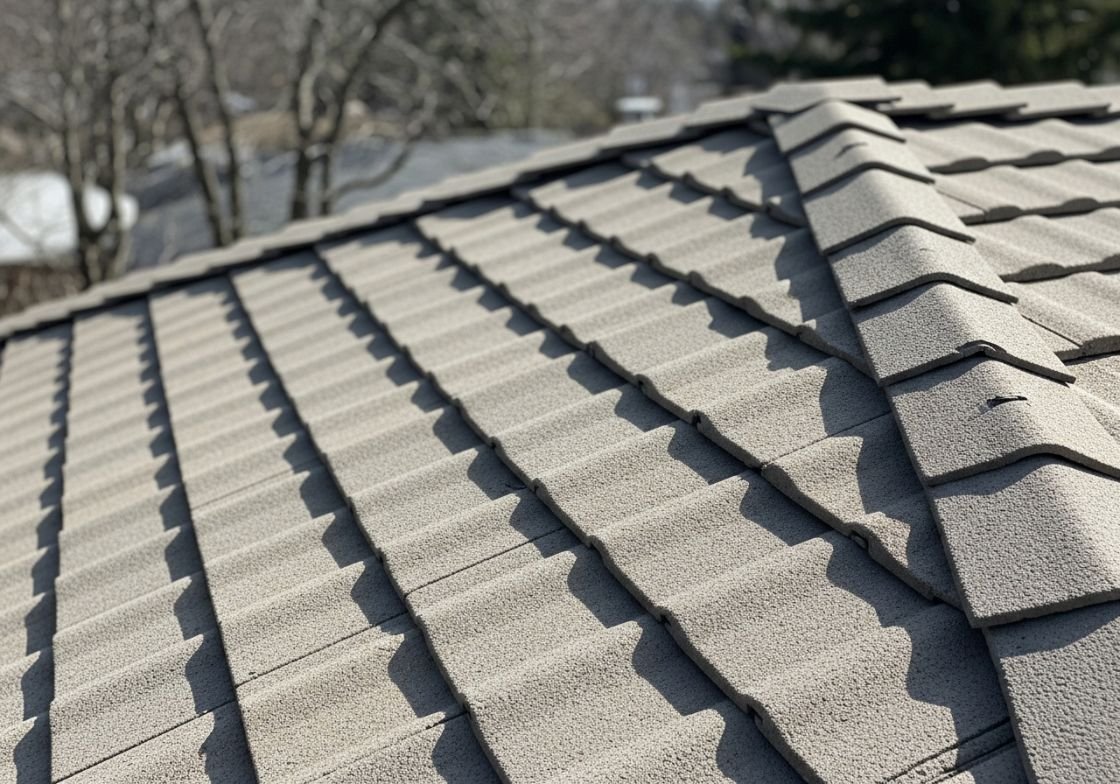
Concrete roof tiles are made from a mix of cement, sand, and water, molded into shapes, and cured. They can mimic many styles, flat, Spanish barrel, interlocking, etc. You might see them on newer NYC homes that want a tile look at a lower cost. Concrete tiles come in a wide range of colors and profiles (some even look like wood shakes or slate). They’re heavier than asphalt but generally lighter than clay or slate. In NYC’s climate, concrete tiles are valued for strength and fire safety.
Features
- Concrete tiles are extremely durable and weather-resistant. They are Class A fire-rated, so they won’t ignite or burn.
- They resist rot and insects (unlike wood) and withstand high winds and hail. You can find them in many styles and colors – from smooth contemporary flat shapes to curved Mediterranean barrel tiles.
- On the downside, they are heavy (often 900–1,100 lbs per 100 sq ft), so again, roof framing needs to be rated for the load.
- They can also be brittle: if you walk on them or drop something heavy, they’ll crack (but intact tiles are very tough).
- Finally, concrete tiles are low maintenance: aside from an occasional cleaning to remove moss or debris, they don’t require special care.
Benefits
- Concrete tile roofs last a very long time – typically 50–70 years or more. That lifespan beats most roofing materials except slate or clay.
- They handle all kinds of weather: heavy rain, snow, wind – you name it.
- Concrete is also energy efficient: many tiles have light colors that reflect sunlight, helping keep homes cooler (and reducing air conditioning use).
- Because they’re so tough and fireproof, concrete tiles often come with good warranties.
- Aesthetically, they’re versatile; you can match them to Spanish, Colonial, or modern styles.
- And like clay, concrete is an inert mineral product, so it won’t fade or corrode. Over time, a concrete roof may need very little repair – individual cracked tiles are easy to replace, and the structure beneath them is well protected from the elements.
Cost Range: Concrete tiles cost less than slate or clay, but more than asphalt. Installed cost is roughly $7–$19 per square foot. In practical terms, a 2,000 sq ft. roof might run about $14,000–$38,000 (materials + labor) depending on tile type and roof complexity. Material costs alone are around $3–$5 per sq ft, with the rest being installation (often 40%–60% of total cost). Repairs are moderate: any cracked tiles should be swapped out, but because they’re common shapes, sourcing matches is usually straightforward.
Lifespan: Around 50+ years. With proper installation, concrete tiles can last half a century or more. Many manufacturers even say 50–70 years under normal conditions. Just keep in mind that while the tiles endure, the underlayment beneath them may need to be replaced after ~20–25 years, so periodic inspections are wise.
Composite Roof Tiles
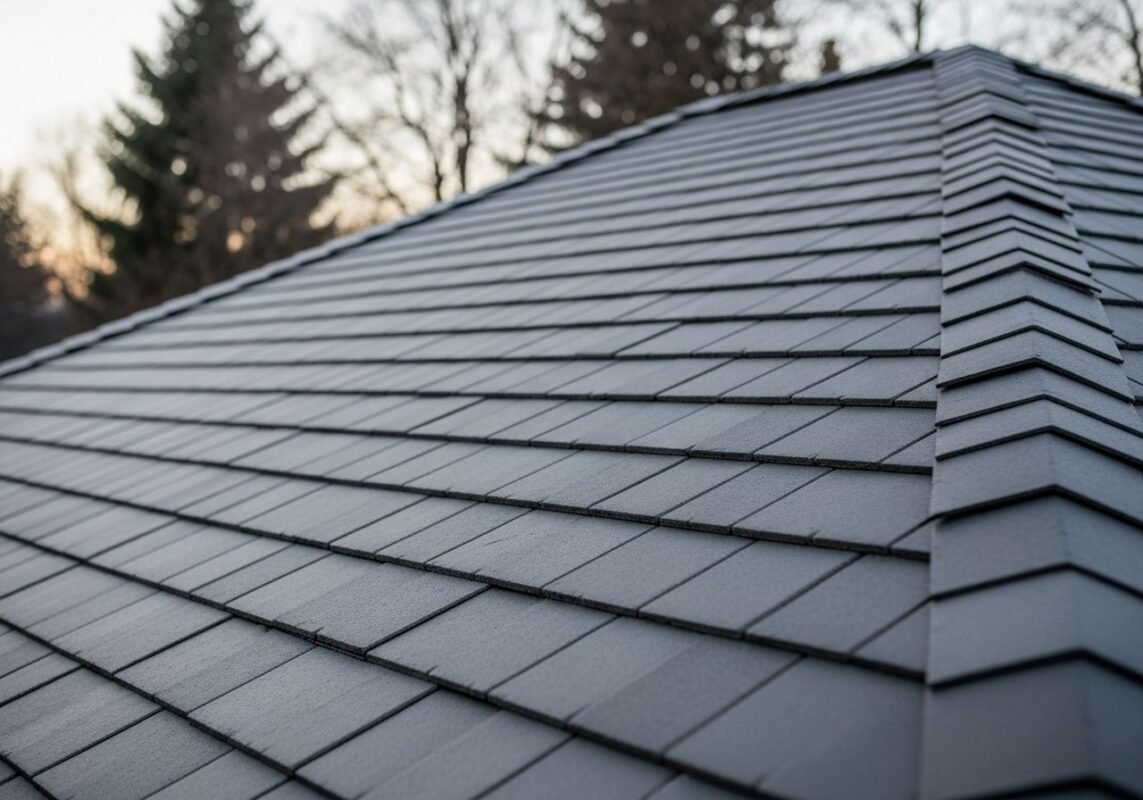
Composite tiles are engineered from recycled plastics and natural materials, designed to mimic slate or cedar but with greater durability for urban weather conditions. Ideal for homeowners who want a premium look without the high upkeep cost.
Features:
- Made from recycled polymer and stone blend
- UV-resistant surface coating for color retention
- Lightweight design reduces roof load.
- Mimics natural slate or wood appearance
- Compatible with most modern roofing systems
Benefits:
- Long-lasting and eco-friendly option for Brooklyn roofs
- Stands strong against NYC’s heat, rain, and coastal wind
- Minimal maintenance compared to natural tiles
- Lower installation cost due to the light structure
- Boosts curb appeal with a high-end finish.
Cost Range: Composite tiles generally run about $9–$14 per square foot installed. For example, a 2,000 ft² roof might cost about $18,000–$26,000 (materials + labor). Repairs are uncommon (they rarely crack or break), which keeps ongoing costs low.
Lifespan: Expect roughly 40–50+ years, often double or triple the life of an asphalt shingle roof.
Metal Roof Tiles
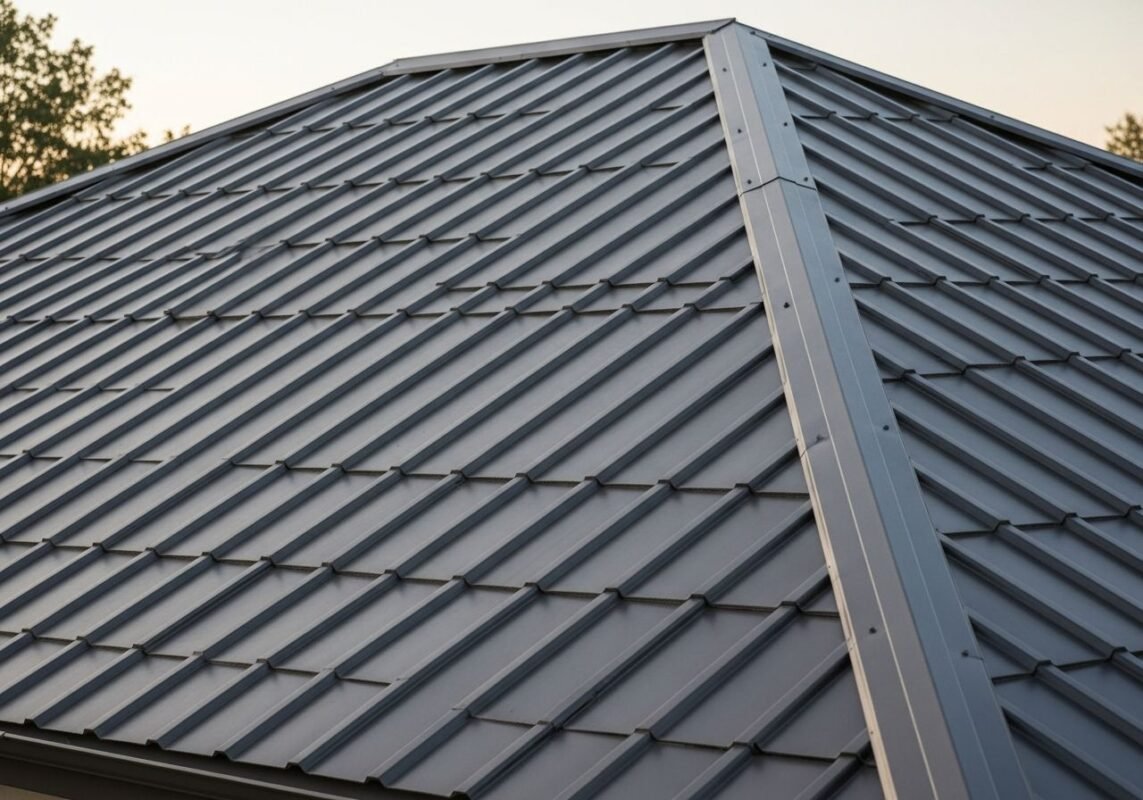
Metal tiles are a powerful choice for Brooklyn homeowners seeking a modern, sleek look with unmatched longevity. They perform exceptionally well against coastal humidity and heavy rain.
Features:
- Crafted from steel, aluminum, or zinc
- Reflective coating to deflect UV rays
- Interlocking panels for a watertight fit
- Fire-resistant and corrosion-proof design
- Available in multiple textures and finishes
Benefits:
- Excellent durability against NYC’s unpredictable weather
- Reduces energy bills with natural heat reflection
- Fire- and moisture-resistant for added safety
- A lightweight structure reduces stress on older Brooklyn homes.
- Virtually maintenance-free for decades
Cost Range: Expect around $14–$40 per square foot installed (for example, a 1,700 ft² metal roof might run $23,890–$68,575). Variations depend on the metal type (steel is the cheapest, copper is the most expensive).
Lifespan: On the order of 40–70 years or more, easily twice the life of asphalt shingles. Repairs (usually resealing or tightening fasteners) are infrequent over such a long life.
Solar Roof Tiles
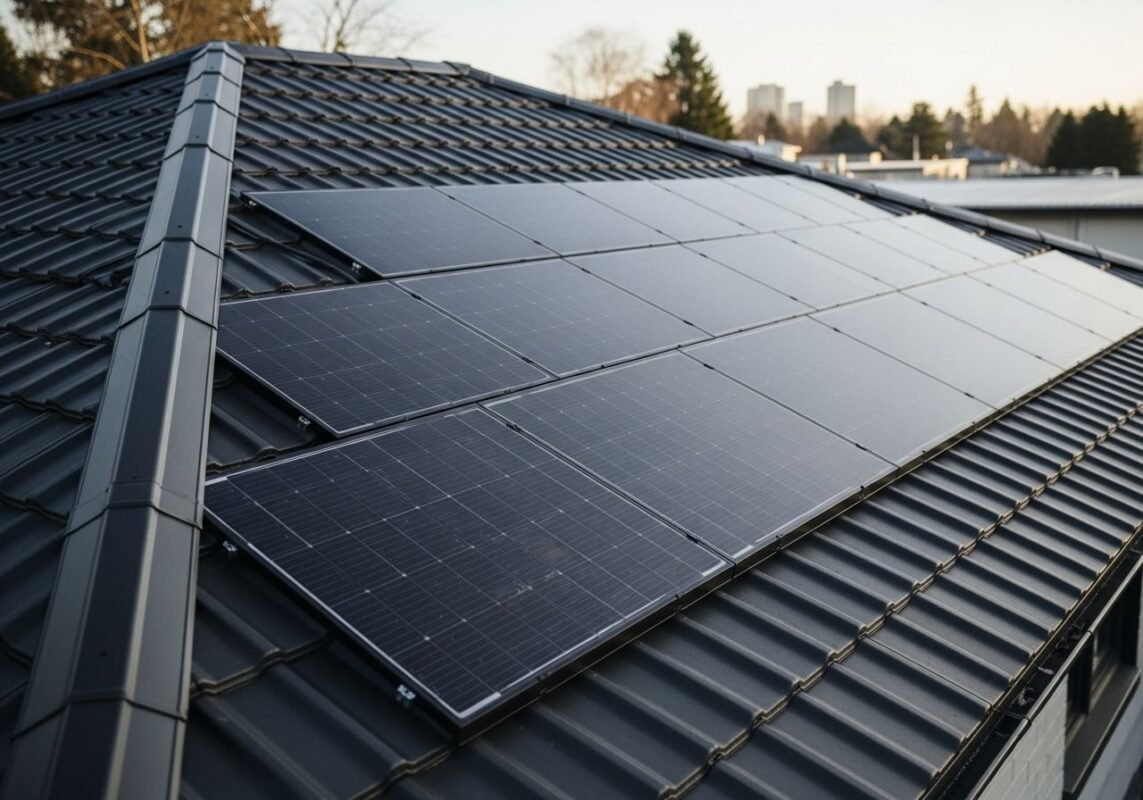
Solar roof tiles merge modern energy efficiency with sleek Brooklyn aesthetics—turning your roof into an active power generator.
Features:
- Built-in photovoltaic cells for energy conversion
- Designed to blend with traditional rooflines
- Integrated weatherproof sealing
- Smart inverter compatibility
- Minimal wiring and visible hardware
Benefits:
- Generates clean power for your NYC home
- Cuts long-term electricity costs
- Enhances property value and sustainability score
- Qualifies for solar tax incentives in New York
- Offers a modern, high-tech look with minimal visual clutter.
Cost Range: These are the priciest options. A full solar tile roof can cost $35,000–$75,000 (depending on roof size and brand). Repairs or upgrades are specialized, but fortunately, the tiles themselves are durable.
Lifespan: Around 20–30 years (similar to conventional solar panels). After that, they usually carry power warranties of ~25 years.
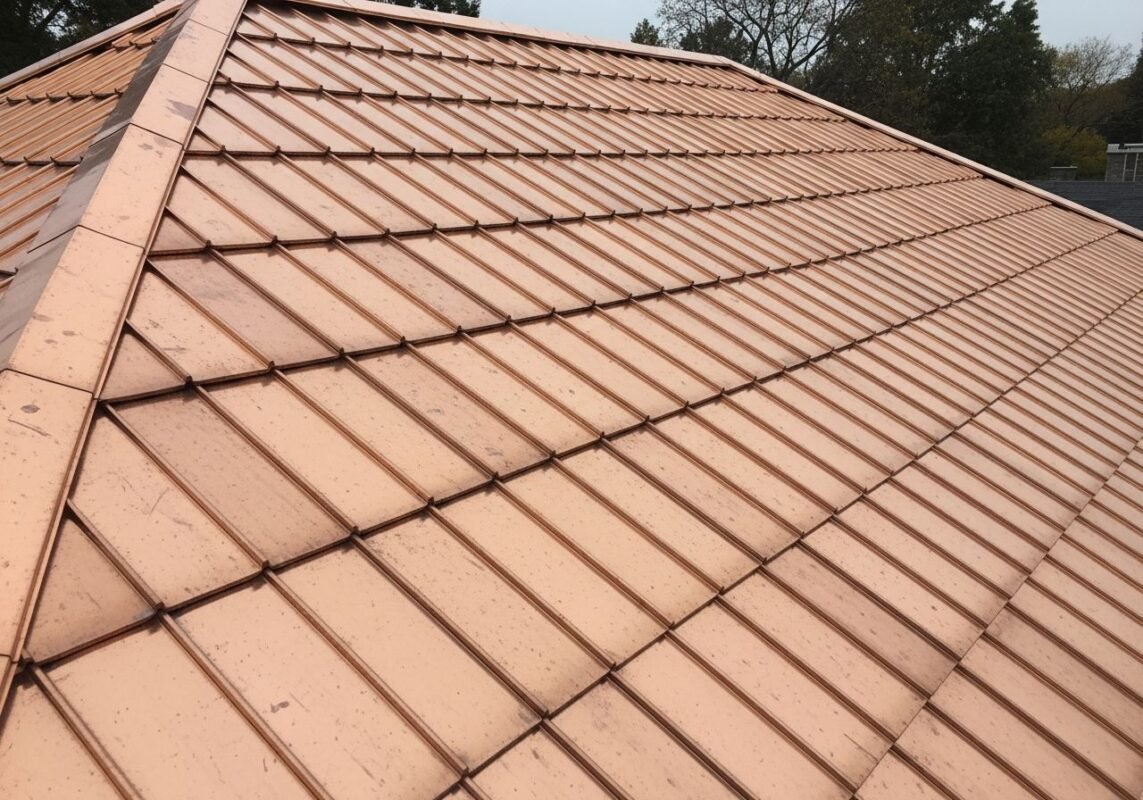
Copper Roof Tiles
Copper tiles bring timeless elegance and unmatched longevity to Brooklyn’s heritage-style homes. Over time, they develop a rich green patina that adds character and charm.
Features:
- 100% pure copper composition
- Naturally antimicrobial and corrosion-resistant
- Lightweight yet strong metal design
- Reflective surface helps regulate heat.
- Patina formation enhances durability over time.
Benefits:
- Extremely long lifespan—can last over a century.
- Adds luxury appeal to classic Brooklyn brownstones
- Resists rust and heavy coastal moisture
- Requires minimal cleaning or painting
- Naturally fireproof and eco-friendly material
Cost Range: Copper roofing is expensive. Installed costs typically run around $15–$40 per square foot (or more for custom panels). In practice, this means tens of thousands of dollars (even $25k–$50k+) for an average house. But remember, that’s for a roof that can easily serve multiple generations.
Lifespan: Easily 60–100 years or longer with proper care. Repairs are rare thanks to the durability; the main “cost” is just the initial investment.
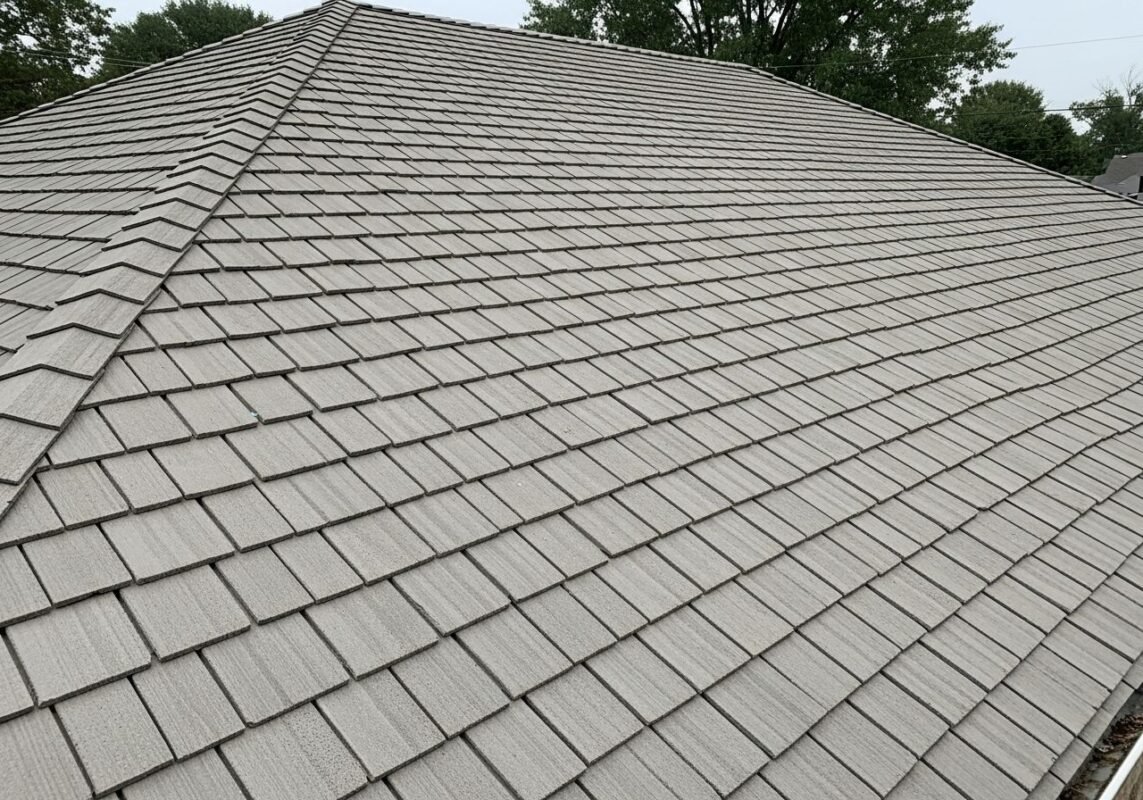
Fiber Cement Shake Roof Tiles
Fiber cement tiles replicate the texture of natural shakes with superior strength and lower maintenance—ideal for Brooklyn’s variable weather.
Features:
- Cement, sand, and cellulose fiber blend
- Textured surface mimics cedar shakes.
- Class A fire resistance rating
- High impact and moisture tolerance
- Compatible with steep and low-slope roofs
Benefits:
- Resists warping and cracking in humid NYC conditions
- Incredibly durable with minimal maintenance
- Retains aesthetic charm for decades
- Affordable compared to slate or clay
- Keeps pests and rot away from your roofline
Cost Range: Installation runs about $10–$20 per square foot. That means for a 2,000 ft² roof, perhaps $20k–$40k total (installation included). They’re heavier than asphalt but usually fit on standard framing.
Lifespan: On the order of 30–50 years when properly installed. In other words, far longer than asphalt, and you won’t have the upkeep hassles of real wood shakes.
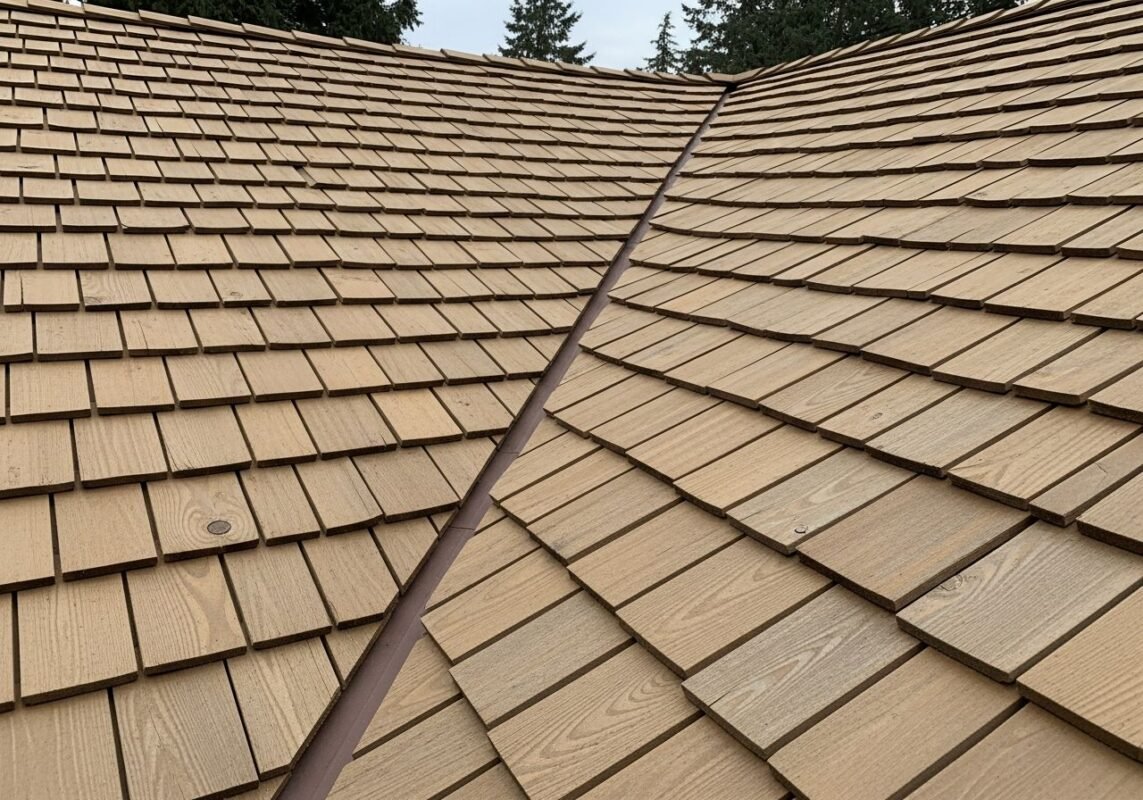
Wood Roof Tiles
Wood shingles and shakes add classic warmth and timeless appeal to Brooklyn homes, especially brownstones and heritage properties.
Features:
- Crafted from cedar, redwood, or pine
- Naturally insulating wood fibers
- Available in hand-split or machine-cut finishes
- Breathable design helps air circulation.
- Can be treated for fire and insect resistance
Benefits:
- Rich natural look that complements Brooklyn’s architecture
- Provides strong insulation for winter and summer
- Biodegradable and sustainable roofing choice
- Lightweight structure eases roof load.
- Ages beautifully, enhancing the home’s character over time.
Cost Range: Wood-shake roofs are moderate to high in cost. Installed prices run about $12–$25 per square foot (often $24k–$50k for a 2,000 ft² roof). Remember, you’ll need to invest in regular upkeep.
Lifespan: Typically around 25–35 years if you keep up with maintenance (cleaning and occasional treatments). They won’t last as long as tile or metal roofs, but their natural look and insulating properties make them a charming choice if you stay on top of care.
Which Types of Tiles are Best for Brooklyn, NYC?
Brooklyn has hot, humid summers and cold, snowy winters. You need a roofing material that handles moisture, freeze-thaw cycles, and high winds. Metal roof tiles are an excellent choice because they shed snow easily, resist corrosion, and reflect summer heat. Quality clay or concrete tiles (frost-rated) also work well; they provide strong insulation and are completely non-combustible, meeting NYC fire codes. In short, metal and high-grade clay/concrete tiles are among the smartest picks for Brooklyn’s climate.
Why Are Roof Tiles Preferred Over Shingle Roofs?
Tile roofs simply outlast asphalt shingle roofs by a wide margin. While a typical shingle roof might last 15–30 years, tile roofs often last 25–100 years (slate roofs are on the upper end). In practice, this means you replace a tile roof far less often, saving money over the long run despite its higher upfront cost.
Tiles are also non-combustible (many carry Class-A fire ratings), which helps meet strict building codes in cities like New York. In short, homeowners choose tile over shingles for its longevity, superior fire/weather resistance, and energy-saving insulation – all of which add value and reduce worry over time.
Where to Find the Best Brooklyn Roofing Contractors
Are you looking for an expert roofing contractor in Brooklyn, NYC? SR General Construction has you covered! Our business is located at 8807 Avenue B, Brooklyn, NY 11236, United States, in the Canarsie area.
We proudly serve all areas of Brooklyn with high-quality, durable roofing solutions. From new installations to repairs and maintenance, we provide the best service at affordable prices. Contact us and experience why we’re Brooklyn’s roofing experts!
FAQ
1. How long will a tile roof last in Brooklyn’s climate?
A properly installed tile roof (clay, concrete, or slate) can last 50–100+ years, depending on underlayment, slope, and maintenance. In NYC’s freeze-thaw, coastal-humidity environment, you may need to inspect underlayment about every 20–30 years.
2. Will tile roofing work on a low-slope roof in Brooklyn?
Many tile systems require a minimum slope (e.g., ~4:12) to properly shed water.
If your roof slope is low, you’ll need specialized underlayment or may need a different material.
3. Do I need to reinforce my roof structure before installing tile in a Brooklyn rowhouse?
Yes — many clay or slate tile systems weigh 700–1,500 lbs per 100 sq ft and may exceed the original framing capacity. A structural engineer or experienced contractor should review your deck, rafters, and load capacity.
4. How much does it cost to install a tile roof in Brooklyn?
Installation costs depend on the material (clay, slate, concrete, composite), labor rates in NYC, roof complexity, and the existing structure. For tile roofs, you’ll often see ranges like $7-$25 per square foot installed for many materials in the U.S. context.
5. Which tile material is best for Brooklyn’s climate and architecture?
For Brooklyn brownstones and similar buildings, a tile material that withstands humidity, freeze-thaw cycles, wind, and weight is key. Clay, concrete, or metal tile options perform well; composite tiles may offer a lighter-weight alternative. The “best” will vary based on your roof slope, structure, aesthetic preferences, and landmark/public review criteria.