

Why does a plumbing renovation matter so much for Brooklyn homes, especially the older ones that make this borough unique?
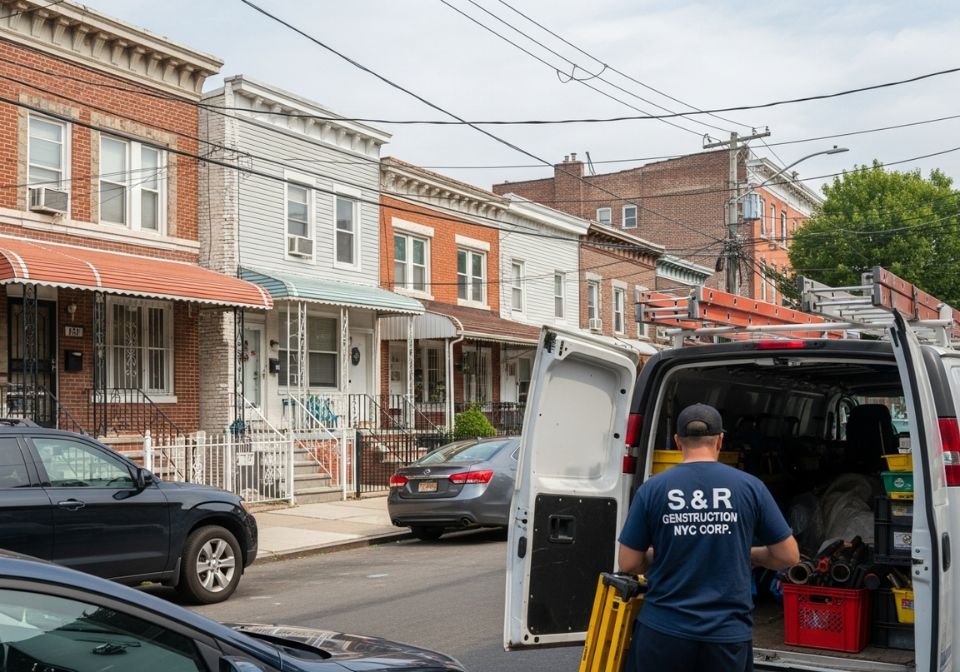
Pipes, drains, and fixtures in many Brooklyn brownstones, pre-war apartments, and co-ops are decades old. When these systems start failing, homeowners face leaks, low water pressure, sewer issues, and costly damage. A well-planned plumbing renovation not only addresses these problems but also enhances comfort, safety, and the long-term value of your home.
In this complete guide, you’ll learn how to assess your current plumbing, understand NYC permit rules, choose the right materials and fixtures, plan smart layouts, set a realistic budget, and work with licensed professionals.
Why Plumbing Renovation Matters in Brooklyn, NYC
Brooklyn is full of older homes and brownstones, and many of them still retain the original plumbing, tucked away behind the walls. That often means old galvanized pipes, cast-iron drains, and even lead service lines that are past their safe lifespan. If you ignore them, you may encounter issues such as rusty water, low pressure, hidden leaks, and unexpected sewer problems. A smart plumbing renovation helps you address those risks before they escalate into major repairs. It also makes your home safer, more comfortable, and more attractive to future buyers.
Signs It’s Time for Plumbing Renovations
You don’t have to wait for a burst pipe to know something is wrong. Your home usually sends small warning signs first.
- You keep fixing leaks again and again: If you call a plumber every few months for new leaks, the system is likely aging as a whole, not just in one spot. At that point, it can be smarter and more cost-effective in the long term to plan a renovation instead of patching leaks one by one.
- Your water appears rusty or dirty: Brown or yellow water often indicates corrosion inside old galvanized or cast-iron pipes. Corrosion can narrow the pipe, weaken it, and even allow metals to enter your water.
- Your water pressure is weak: If your shower never feels strong, clogged or corroded pipes may be choking the flow. In older Brooklyn homes, this is a common indication that the plumbing is nearing the end of its life.
- Drains gurgle, smell, or back up: Slow drains, gurgling sounds, or sewer smells can point to failing drain and sewer lines. In older systems, tree roots, sagging pipes, or cracked sections are often to blame.
- Your home still contains lead or very old materials: Many historic homes still have lead or early-generation galvanized pipes, which are now recognized as unsafe or unreliable. Replacing them is not just an upgrade; it is a health and safety move.
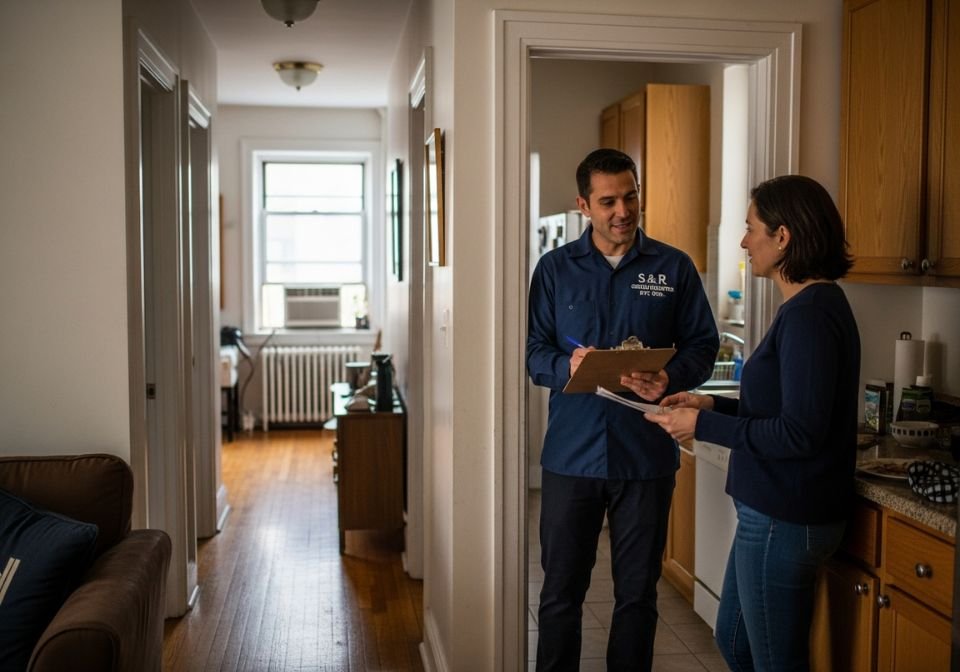
What are the Benefits of Plumbing Renovations
A plumbing renovation is about more than new shiny fixtures. It is about giving your home a safer, stronger core.
- Cleaner and safer water: When you replace lead, corroded, or rusting pipes, you reduce the risk of metals and debris getting into your water. This is especially important in older buildings, where lead and cast iron were commonly used.
- Fewer emergencies and surprise repairs: New pipes, fittings, and valves are far less likely to leak or burst. That means fewer flooded floors, emergency calls, and stressful nights.
- Enhanced water pressure and performance: Upgraded supply lines and fixtures help your showers feel stronger and your fixtures operate as intended. You no longer fight with trickling taps or slow-filling toilets.
- Higher comfort and home value: Modern plumbing makes daily life easier and enhances the overall living experience. Buyers also value updated systems, so a well-done plumbing renovation can support a higher resale price.
- Lower utility bills and more efficiency: New low-flow fixtures, efficient water heaters, and well-sealed pipes use less water and energy. Over time, that can trim your monthly bills and reduce waste.
How to Plan for a Plumbing Renovation: Step-by-Step Tips
Planning well is what keeps a plumbing renovation from turning into chaos. Let’s walk through it in simple, clear steps so you know what to do and in what order.
1. Inspect and document your current system: Start by walking through your home and noting where all fixtures, visible pipes, and shut-off valves are. A licensed plumber can add a more detailed inspection and may use cameras to look inside drains and hidden lines. Together, you create a clear picture of what you have now and identify the areas for improvement.
2. Set clear goals and priorities: Decide what matters most: stopping leaks, improving pressure, moving fixtures, or replacing dangerous materials like lead. When you know your top priorities, you can focus your budget and avoid getting distracted by nice-to-have upgrades. This also helps your plumber design a plan that effectively addresses your primary issues.
3. Build a realistic budget with a safety cushion: Get rough price ranges for repiping, fixture replacement, and possible sewer or drain work in older homes. Add at least 10–20% as a contingency, because old buildings often conceal additional issues, such as hidden corrosion or patchy past repairs. This cushion helps you avoid stalling the project when unexpected surprises arise.
4. Check permits, codes, and building rules: In NYC, most plumbing alterations must be filed and performed by a Licensed Master Plumber who knows the local plumbing code and DOB rules. If you live in a co-op, condo, or landmarked area, you also need board and sometimes landmarks approval before work begins. Planning this early saves you from delays, fines, or forced re-work later.
5. Choose your materials and fixtures wisely: Talk with your plumber about replacing old galvanized or cast-iron pipes with modern materials such as copper, PEX, or PVC, depending on where they’re used. Then pick fixtures (toilets, faucets, shower valves, water heater) that balance style, durability, and water efficiency. The choices you make here will decide how long your system lasts and how it feels to use every day.
6. Plan the schedule and how you’ll live during the work: Plumbing renovations can mean no water in parts of your home for short periods. Work with your plumber to set a timeline, decide which rooms go first, and plan backup options (like using another bathroom or staying elsewhere for a few days). Good scheduling makes the project feel controlled instead of chaotic.
7. Plan for ongoing maintenance once the work is done: A new system still needs care if you want it to last. Ask your plumber what routine checks, flushing, or inspections they recommend for your pipes, drains, and water heater. If you stay on top of that simple maintenance, your new plumbing should serve you well for many years.
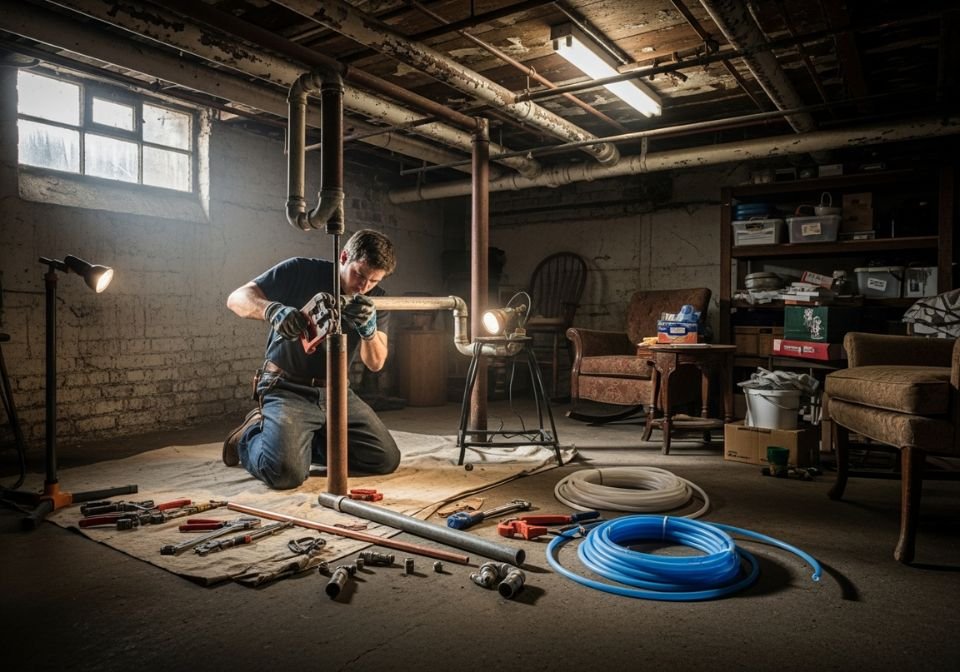
What are the Types of Plumbing Renovation
Not every plumbing renovation looks the same. Your project might be simple or very deep, depending on your home and your goals.
- Fixture and appliance upgrades: This type focuses on what you see and use every day: sinks, faucets, toilets, showerheads, dishwashers, and washing machines. You keep most of the pipes in place but swap old, wasteful, or leaky fixtures for modern, efficient ones. It’s a good option if your pipes are in decent shape, but your fixtures feel dated or problematic.
- Pipe replacement or whole-house repiping: The primary goal here is to remove aging materials, such as galvanized steel, lead, or worn cast iron, and replace them with safer, modern pipes. This often means opening walls and floors, making it a more invasive process, but it provides a fresh, reliable foundation for the entire house. It is common in historic Brooklyn homes where the original system has simply aged out.
- Drainage and sewer line upgrades: This type of renovation targets clogged, cracked, or root-filled sewer lines and slow or gurgling drains. Plumbers may use cameras, hydro-jetting, and trenchless repair methods to clear or replace old lines with modern materials such as PVC. If you’ve had recurring backups or sewer smells, this is often the area that needs attention.
- Bathroom plumbing remodels: A bathroom plumbing remodel may involve relocating the shower, replacing the tub, adjusting the toilet location, or installing a second sink. It usually involves rerouting both supply and drain lines, as well as upgrading all fixtures. Because bathrooms are “wet spaces,” this type of work can have one of the most significant impacts on daily comfort and water usage.
- Kitchen plumbing remodels: In the kitchen, renovations may involve relocating the sink, adding a dishwasher or filtered water line, and upgrading the garbage disposal. You may also change venting and drain layouts to support new cabinets or an island sink. A well-planned kitchen plumbing remodel makes cooking, cleaning, and entertaining feel smoother and more efficient.
- Full-system or whole-home plumbing overhaul: This is the most extensive type and often happens during a major gut renovation or when a historic home needs serious updates. It can include repiping, new fixtures in every bathroom and the kitchen, new main shut-off and branch valves, and upgraded sewer and vent systems. While it’s a big project, it resets your home’s plumbing for decades and can be the best route when everything is old and failing at once.
What Are the Costs of Plumbing Renovations in Brooklyn, NYC
When you plan a plumbing renovation in Brooklyn, you’re dealing with full NYC pricing, not bargain suburbs. Plumbers here often charge between $150 and $250 per hour, and a typical visit or small job typically falls within the $200–$500 range before materials are factored in. For bathrooms, recent city data shows Brooklyn as the “baseline” borough: a gut-renovated powder room typically costs $18,000–$30,000, a standard full bath ranges from $28,000 to $55,000, and a primary bath costs $ 55,000 or more, especially if you need to relocate plumbing lines or change the layout.
On a square-foot basis, wet spaces like kitchens and baths in NYC commonly start around $300–$400 per square foot, while dry rooms may be closer to $30–$50 per square foot because they don’t need intensive plumbing and waterproofing. You also need to budget for plumbing permits (often $2,000–$5,000), possible asbestos testing, board or landmark approvals, and surprise upgrades to old pipes, so it’s smart to keep a 10–20% contingency in your Brooklyn plumbing budget.
Understanding Permits, Codes, and Legal Requirements of Brooklyn, NYC
When you touch plumbing in Brooklyn, you’re really working under NYC citywide rules, not just neighborhood customs. Here’s what that means for you in plain language:
- Most real plumbing work needs a DOB permit: Any alteration, rearrangement, relocation, or removal of piping must be supervised by a Licensed Master Plumber (LMP) and done under a permit from the NYC Department of Buildings (DOB).
- Simple swaps are often considered “no-permit” work: the direct, like-for-like replacement of faucets, toilets, or sinks that don’t involve touching shutoff valves or traps is typically treated as cosmetic work and does not require a permit.
- Only licensed professionals are permitted to pull plumbing permits. Plumbing permits are issued only to a Licensed Master Plumber or a Licensed Master Fire Suppression Contractor, and they, or their supervised employees, must perform the piping work.
- You usually need a PE/RA or LMP to file your job. Before work starts, the property owner must hire a New York State Professional Engineer (PE), Registered Architect (RA), or LMP to file the job so the DOB can review and approve it.
- Everything runs through DOB NOW: Build: All plumbing job filings and permit requests go through DOB NOW: Build, and owners must create an NYC account.ID account to approve filings and see status.
- Limited Alteration Application (LAA) for smaller jobs: For repair work up to $25,000 per building within a 12-month period, an LAA can be used. It doesn’t require plans or PE/RA approval, but must still be filed by a licensed contractor.
- Inspections, sign-off, and Letter of Completion: After work is done, DOB or your design professional inspects the job, and your LMP must get final plumbing sign-off; then you can request a Letter of Completion, which is important when you refinance or sell.
- There are real penalties for skipping permits: Doing permit-required plumbing without approvals can lead to violations, court dates, and civil or criminal penalties, and can also create problems with insurance claims later.
- Extra NYC specifics: Building rules and low-flow toilets: Many Brooklyn co-ops, condos, and managed buildings require licensed and insured contractors for any plumbing work. Additionally, NYC will verify that new toilets meet the 1.28 gallons-per-flush maximum during inspections.
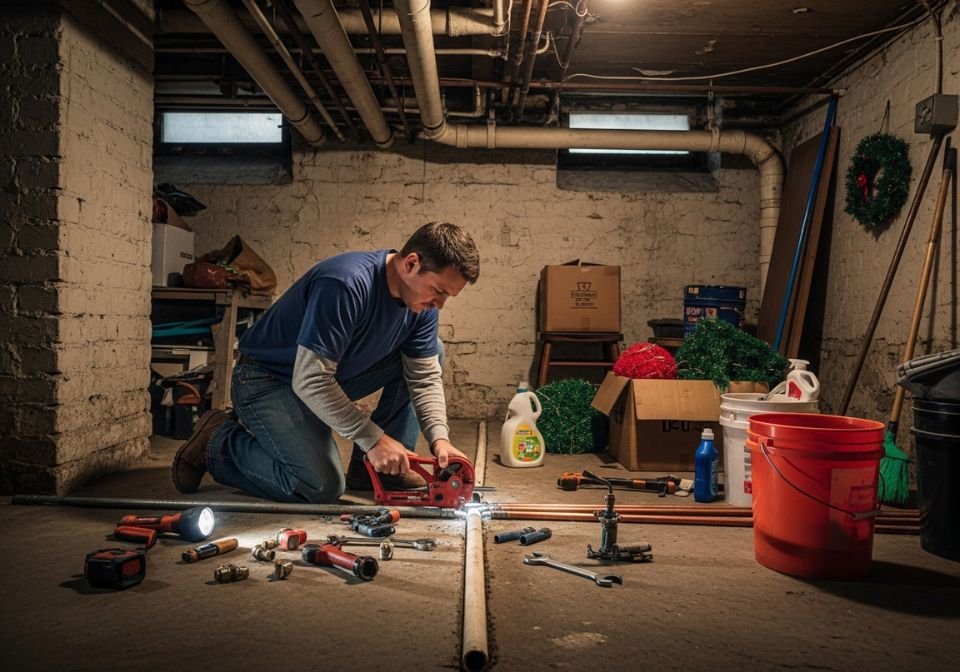
Choosing the Right Pipe Materials for Plumbing Renovation
When renovating plumbing in an older Brooklyn home or brownstone, the pipe material you choose has a significant impact on both the cost and lifespan, as well as the potential for future leaks. You’ll often end up with a mix of materials, but it helps to know what each one brings to the table.
- Copper: Copper is a strong, long-lasting material that resists corrosion, making it a classic choice for both hot and cold water lines. The trade-off is price: it’s one of the most expensive options and requires skilled installation, so labor costs can be significantly higher than those of plastic alternatives, such as PEX or PVC.
- PEX (cross-linked polyethylene): PEX is flexible, allowing your plumber to snake it around corners with minimal fittings, which speeds up installations and reduces the likelihood of leaks. It’s usually cheaper than copper, doesn’t corrode, and handles both hot and cold water. However, it should not be left in sunlight and may not be permitted in every application your building or board prefers.
- PVC and CPVC: PVC is commonly used for drain, waste, and vent lines because it’s lightweight, affordable, and easy to work with; CPVC can handle hotter water and is sometimes used on supply lines where code permits. The downside is that these plastics can become brittle over time and aren’t ideal for every high-temperature or exposed location, so your plumber must carefully match them to NYC code and the specific use.
- Cast Iron: Cast iron is heavy but excellent at noise reduction; therefore, many Brooklyn multi-family buildings still rely on it for main waste stacks and shared drains. It’s durable and fire-resistant but more expensive to install and harder to work with in tight city spaces, which is why many renovations combine new PVC branches with existing cast-iron mains.
- Mixing materials wisely: In many older buildings, you’ll see old galvanized or cast-iron lines transitioning to modern PEX, copper, or PVC using special fittings designed to connect different materials. Done right, this lets you modernize the system without tearing out every inch of pipe, but those transitions must follow code so you don’t create weak spots or corrosion issues.
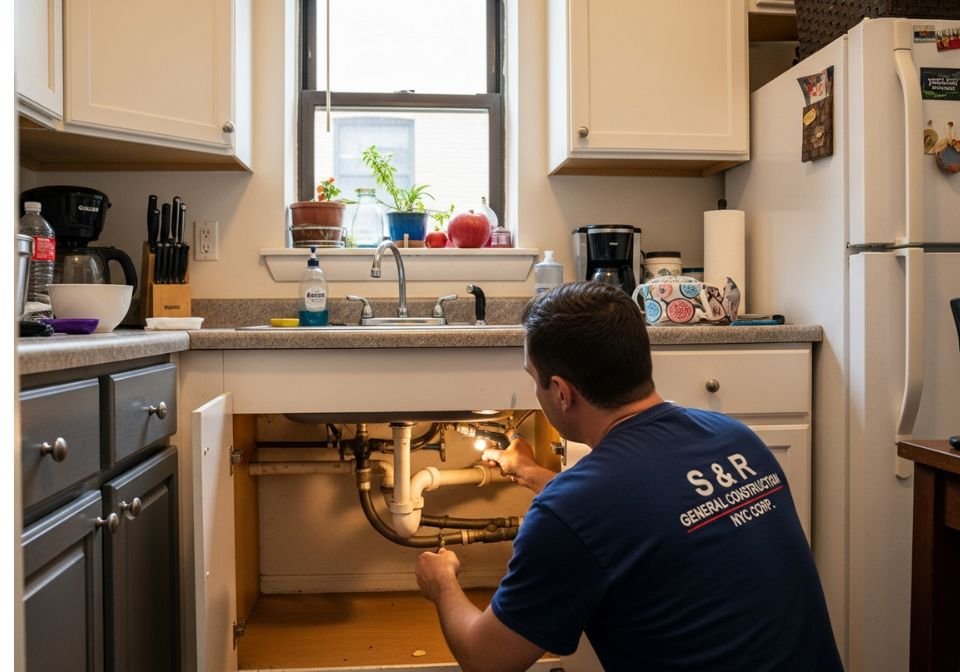
Key Kitchen Upgrades & Low-Flow Fixtures
Your kitchen renovation is usually one of the biggest “wet space” investments in a Brooklyn home, and plumbing is a big slice of that cost. Here’s where you and your plumber can focus to get both function and water savings.
- Replace old sinks and faucets: Swapping a shallow, chipped sink and a leaky faucet for deeper bowls and a pull-down sprayer instantly makes the kitchen easier to use. Choosing a WaterSense-style low-flow faucet (with a flow rate of around 1.5 gallons per minute, compared to the older standard of 2.2 gallons per minute) can reduce sink water use by roughly 30% without compromising the flow at the tap.
- Upgrade or add a garbage disposal (if your building allows it): A modern disposal helps keep food scraps out of the trash, which reduces smells and pests in small Brooklyn kitchens. You’ll want a licensed plumber to connect it to the existing drain and trap correctly, so you don’t end up with clogs or code issues.
- Hook up dishwashers and refrigerators the right way: New dishwashers, ice-maker fridges, and under-sink filters all need proper shutoff valves and supply lines. A good plumber will add service valves, protect against leaks, and route lines cleanly so appliances are easy to service later.
- Improve shutoffs and under-sink plumbing: Many older Brooklyn apartments still have frozen or missing shutoff valves under the kitchen sink. Replacing them and cleaning up the tangle of traps and hoses makes future repairs easier and gives you peace of mind in case of a small leak.
- Install low-flow and smart fixtures: Low-flow faucets and aerators can save an average family hundreds of gallons of water per year, especially when combined with energy-efficient dishwashers. If you live in a co-op or condo that tracks water use, those savings can also help keep common charges from creeping up.
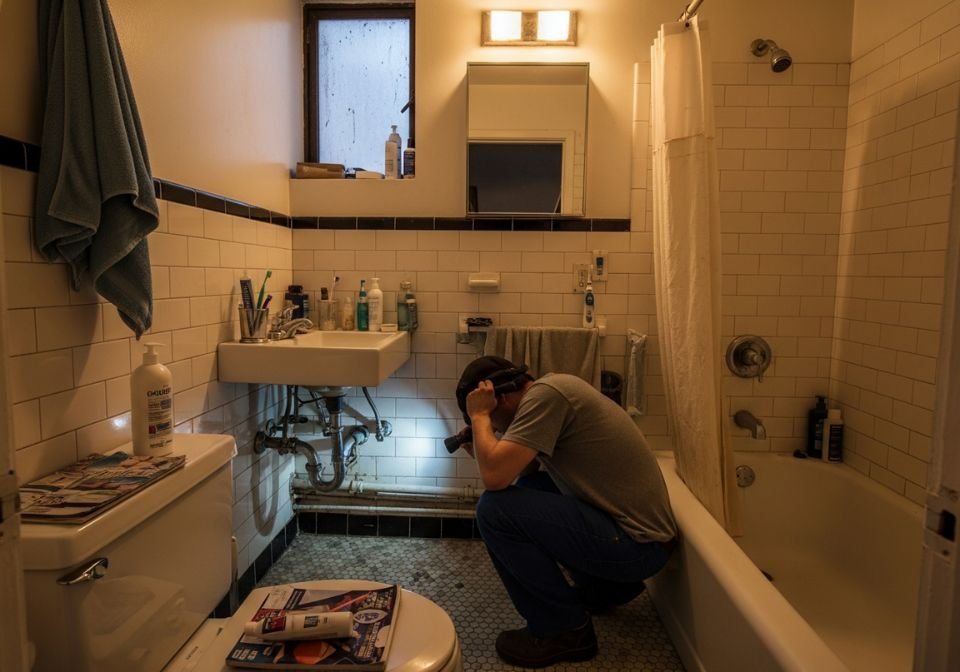
Essential Bathroom Plumbing Renovations
Bathrooms are the most expensive wet spaces per square foot in NYC, but smart plumbing upgrades can give you better comfort, code compliance, and resale value. Let’s walk through the bathroom plumbing renovation items you’ll most likely tackle in a Brooklyn renovation.
- Install new sinks and vanity plumbing: Replacing a pedestal sink or small sink with a modern vanity provides storage and an opportunity to refresh all the supply lines and traps. Your plumber can install proper shutoffs, correct any subpar DIY work, and set up a WaterSense faucet, allowing you to reduce water use while maintaining a strong, comfortable flow.
- Upgrade to efficient toilets: New toilets in NYC are expected to use 1.28 gallons or less per flush. Inspectors can verify this during sign-off, so choosing a low-flush or WaterSense toilet keeps you on the safe side of the code. Swapping an old 3.5–5 gpf model for a modern one can save thousands of gallons of water per year in a busy Brooklyn household.
- Refresh showers and tubs with modern valves: When you redo the tub or shower, you’re not just picking tile—you’re also updating mixing valves, showerheads, and drains. Low-flow showerheads and properly set anti-scald valves provide safe, comfortable showers while reducing water and energy consumption.
- Fix or replace old pipes in the walls and floors: Many Brooklyn brownstones and prewar buildings still conceal galvanized or aging copper pipes behind the tile. A full renovation is the ideal time to replace those lines with copper or PEX and to upgrade drains, so you don’t experience leaks or rusty water a few years after completing the remodel.
- Add ADA-friendly and accessibility features: Grab bars, comfort-height toilets, lever-style faucets, and curbless showers make the bathroom safer for kids, seniors, and anyone with mobility challenges. In NYC’s tight bathrooms, a thoughtful layout with these features can also be a selling point if you later market your home as “aging-in-place” ready.
- Improve ventilation and waterproofing around plumbing: Good bathroom plumbing isn’t just about pipes; it also includes fans, waterproof membranes, and a proper slope for drains. Getting these details right keeps moisture away from framing and neighbors’ ceilings, which is especially important in stacked Brooklyn buildings with strict house rules and DOB oversight.
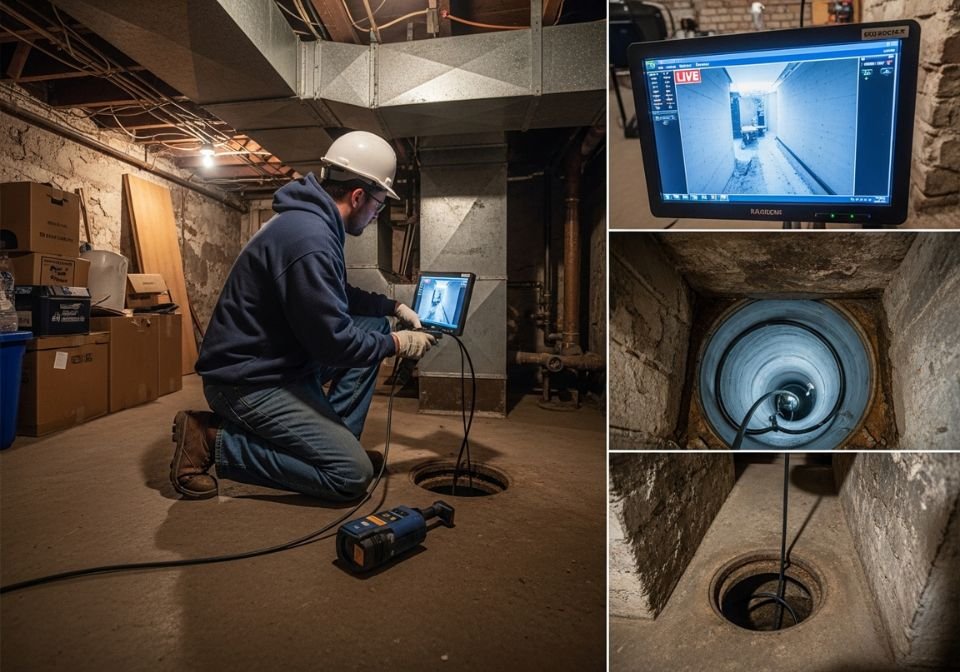
Plumbing Inspections & Sewer Line Maintenance
Your sewer line is out of sight, but it should never be out of mind. In older Brooklyn homes, a small hidden problem in that line can turn into a very expensive mess if you don’t catch it early.
- Book regular plumbing checkups, not just emergency visits: A licensed plumber can inspect the entire house, test fixtures, and look for early signs of trouble every few years or before a major renovation. Many professionals now include camera inspections of the main sewer line, allowing them to identify cracks, roots, or sagging pipes before they fail.
- Watch for classic warning signs of sewer issues: slow drains in multiple fixtures at once, gurgling sounds in toilets or sinks, and strong sewage odors are all red flags for a major sewer problem, not just a minor clog. If you notice these changes, it’s time to call a plumber for a proper inspection instead of pouring more chemicals down the drain.
- Use a camera inspection before opening floors or walls: If you’re about to undertake a major plumbing renovation, request a camera inspection of the sewer line and main drains first. That way, you can plan for any repairs in the same project instead of tearing things up twice.
- Keep the line clear with smart habits and occasional cleaning: Don’t flush wipes or hygiene products, and avoid pouring grease into the sink; they can build up and block lines over time. In older Brooklyn clay or cast-iron sewers, periodic professional cleaning can remove scale and roots, keeping the line flowing.
- Know who owns which part of the sewer line: In most setups, you, as the homeowner, are responsible for the “house sewer” that runs from your building to the city main, while the city maintains the main line in the street; responsibility for tree-root damage depends on where the pipe is and who owns it. Knowing this helps you understand which repairs you must cover and which may be covered by the city or association.
How Can I Improve Water Pressure in My Historic Brooklyn Brownstone?
If you live in a brownstone, weak showers and slow-filling tubs can feel “normal,” but they don’t have to be. Low pressure is often a symptom of old materials and small fixes that have stacked up over the years.
- Start with simple checks at the main and local valves: Ensure your main shutoff valve and any local shutoffs are fully open and not partially closed due to an old repair. Sometimes, a plumber can adjust or replace a stuck valve, giving you an instant pressure boost.
- Replace old galvanized supply lines with modern piping: Many older Brooklyn brownstones still have galvanized steel water lines that corrode from the inside, shrinking the flow path and killing pressure over time. Swapping those lines for copper or PEX usually restores both pressure and water quality simultaneously.
- Check for hidden leaks that steal pressure: A small leak in a wall or basement line can quietly reduce pressure throughout the house. If your pressure changes suddenly, a plumber can test the system and look for leaks before you assume the city supply is the problem.
- Clean or replace old fixtures and aerators: Mineral buildup in showerheads, faucet aerators, and angle stops can cause pressure to feel low, even when the pipes are in good condition. Cleaning or upgrading these fixtures is inexpensive and often makes a noticeable difference in the water’s strength.
- Discuss risers and pressure regulation with the building: In multi-family brownstones or row houses, some pressure issues arise from shared risers, pressure-reducing valves, or building-wide piping. If several units have the same complaint, it’s a sign the building should bring in a pro to check the incoming pressure and the common lines, not just your individual branch.
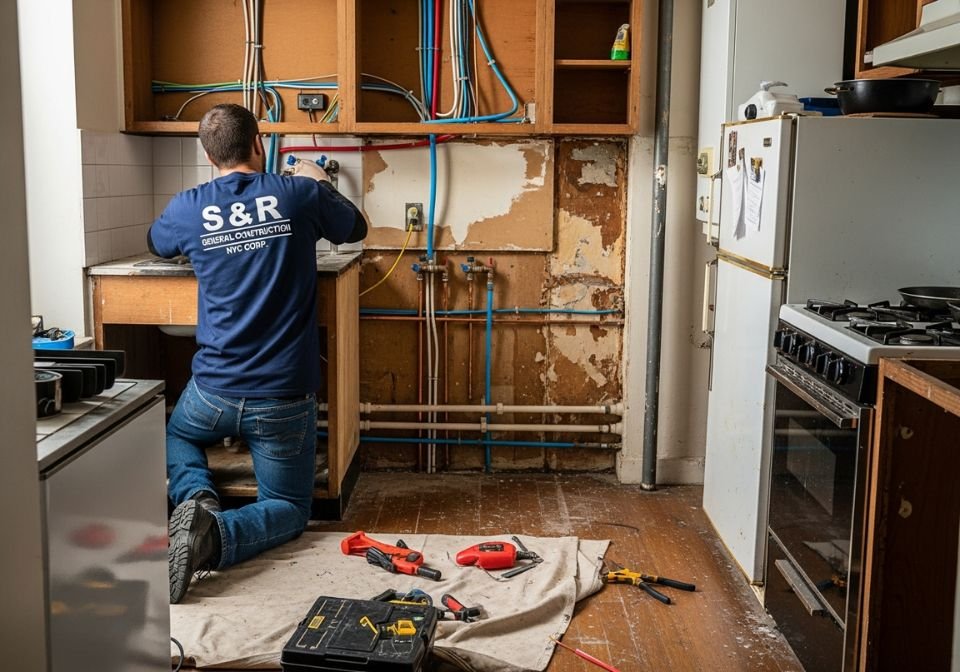
Who Is Responsible for Plumbing Repairs in a Co-op or Condo Building?
In a Brooklyn co-op or condo, plumbing responsibility is usually split between the individual owner and the building or association. As a simple rule of thumb, you’re typically responsible for the fixtures and pipes inside your unit’s boundaries, while the building handles the main risers, stacks, and other “common element” plumbing that serves more than one unit. The exact line is set by your building’s governing documents, such as the proprietary lease or condo bylaws, so it’s essential to read those or ask the managing agent.
When a leak affects more than one apartment, the board often takes care of repairing the building’s system, and each unit’s owner or insurer handles damage inside their own space. If you’re unsure who should pay for a specific repair, start by notifying management in writing and then review your documents or consult with a local attorney who is familiar with NYC co-op and condo law.
Where to Find the Best Brooklyn Contractors
Are you looking for an expert contractor in Brooklyn, NYC? SR General Construction has you covered! Our business is located at 8807 Avenue B, Brooklyn, NY 11236, United States, in the Canarsie area.
Additionally, we offer services at Rockaway Parkway and Ralph Avenue, providing fast access to Flatlands, East Flatbush, Bergen Beach, Brownsville, and the Spring Creek section of East New York.
FAQ
1. Do I need a permit for a plumbing renovation in Brooklyn?
Yes, you almost always need a permit if you are moving, adding, or altering plumbing lines. NYC requires that work involving the alteration, relocation, or removal of piping is supervised and filed by a Licensed Master Plumber (LMP), and the permit is issued through the Department of Buildings (DOB).
2. How long does a typical plumbing renovation take in a Brooklyn brownstone or apartment?
For a single bathroom, plumbing work is typically part of a 4–8 week renovation timeline, but the actual plumbing rough-in may only take a few days within that timeframe.
3. Should I replace all my old galvanized pipes during a renovation?
If your home still has galvanized supply lines and you’re already opening walls or floors, it usually makes sense to replace them. These pipes corrode from the inside, which restricts flow and contributes to low pressure and discolored water.
4. What is “rough-in” plumbing, and why does it matter?
Rough-in plumbing is the stage where your plumber installs the main pipes, drains, vents, and supply lines before walls and floors are closed. It defines where fixtures will be located and how water and waste flow through the home.
5. Is it worth installing low-flow fixtures in Brooklyn?
Yes, low-flow faucets, showerheads, and toilets can significantly cut water use without sacrificing comfort when you choose quality models.
6. What should I ask a plumber before hiring them for a Brooklyn renovation?
You should ask if they are an NYC Licensed Master Plumber, whether they carry proper insurance, and if they have recent experience with brownstones or pre-war buildings. It also helps to ask how they handle DOB filings, permits, and inspections, as well as whether they’ll provide a clear written estimate and scope of work. Checking reviews and talking to past clients gives you more confidence in your choice.