

What makes a Brooklyn living room stand out? Your living room isn’t just for relaxing; it’s where personality meets design. Whether you’re in a brownstone, condo, or compact apartment, the right renovation can transform how your home feels and functions.
In this detailed guide, we’ll explore the best living room renovation design ideas for Brooklyn, NYC, from smart layouts and natural lighting to materials, color palettes, and local design touches that make your space truly your own. You’ll learn how to plan layouts that fit Brooklyn homes, choose finishes that balance beauty and practicality, and discover ideas trusted by local designers. By the end, you’ll have a clear sense of how to bring your dream living room to life right here in the heart of New York City.
What Living Room Renovation Design Means in Brooklyn, NYC
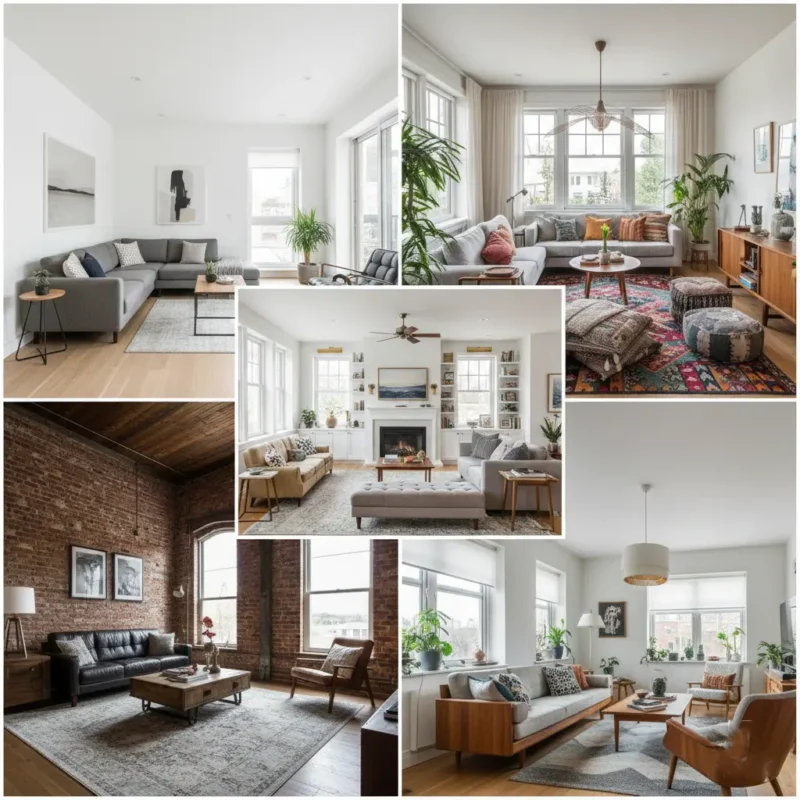
This modern Brooklyn living area has an open layout that blends living and dining spaces. It features ample natural light, exposed brick, and unified furnishings that define urban chic. These designs show how Brooklyn renovations merge historic charm and modern practicality.
In Brooklyn, NYC, living room renovation means blending style with practicality for city living. Renovators juggle compact spaces, historic features, and modern comfort. A Brooklyn living room may feature exposed brick or vintage moldings, and embrace open layouts and smart technology. Ultimately, it’s about creating a space that reflects your taste and meets daily needs—whether relaxing, entertaining, or working from home.
Overview of Living Room Renovation Design Ideas
| 1. Open-Concept Living Room with Multi-Functional Zones |
| 2. Feature Wall / Accent Material (Exposed Brick, Limewash, Plaster) |
| 3. Layered Lighting & Smart Controls |
| 4. Maximize Natural Light & Use Mirrors/Light Finishes |
| 5. Built-Ins & Custom Millwork for Storage + Display |
| 6. Flooring Upgrade + Acoustic Considerations |
| 7. Color, Texture & Material Palette for a Cohesive Feel |
| 8. Smart Media Wall / TV Integration & Hidden Tech |
| 9. Cozy Conversational Layout + Flexible Seating |
| 10. Greenery & Biophilic Touches for Wellness & Style |
Open-Concept Living Room with Multi-Functional Zones
Open-concept living rooms are popular in Brooklyn because they make small homes feel bigger and more connected. This design removes extra walls so one area serves multiple functions—relaxing, dining, or working; all in one fluid space.
- Spacious Feel: Removing walls instantly makes your living area look and feel bigger. It opens up sightlines and allows light to travel further, so even a cozy Brooklyn apartment feels airy and open.
- Multi-Functional Use: A single open room can accommodate distinct zones, such as a lounge, dining area, or home office. With clever furniture arrangement, you can enjoy different activities without needing separate rooms.
- Improved Socializing: Open concept is ideal for gatherings, letting everyone share one space. You can cook in the kitchen and still chat with guests on the sofa since there are no walls.
- Flexible Layout: With one large continuous room, you have the freedom to rearrange furniture and change up the space as your needs evolve. It’s easy to add a play area for kids or a new desk for working from home because you aren’t limited by tight room boundaries.
- Better Light & Airflow: Without walls blocking windows, more natural light fills your home. Air also circulates more easily, making every area of your living space feel brighter and breezier all day.
Feature Wall / Accent Material (Exposed Brick, Limewash, Plaster)
Sometimes, one wall in your living room becomes the star of the show. A feature or accent wall utilizes a special material or finish, such as exposed brick, limewash paint, or textured plaster, to add character and visual interest to the space.
- Exposed Brick Charm: Exposing original brick walls, common in many Brooklyn homes, adds texture, warmth, and a sense of history to your living room. This feature instantly creates an urban chic vibe. Key takeaway: Use exposed brick to highlight character and style in your home.
- Limewash Texture: Applying limewash paint to an accent wall creates a subtle, cloudy texture that’s full of character. This soft, heritage-style finish brings old-world charm and depth without overpowering the room.
- Plaster Finish: A textured plaster finish (such as Venetian plaster) gives your wall a rich, hand-crafted look. It reflects light in unique ways and adds a touch of luxury that elevates the room’s ambiance with a timeless, sophisticated feel.
- The key takeaway: An accent wall draws the eye and serves as a living room focal point. Placing it behind a sofa, TV, or fireplace helps define and anchor your space.
- Personal Style Statement: An accent wall is an opportunity to express yourself with a bolder color or material without overwhelming the entire room. You can incorporate something you love on that one wall, maybe a bold hue, a mural, or reclaimed wood panels. This personal touch makes the design feel uniquely yours while the rest of the space stays cohesive.
Layered Lighting & Smart Controls
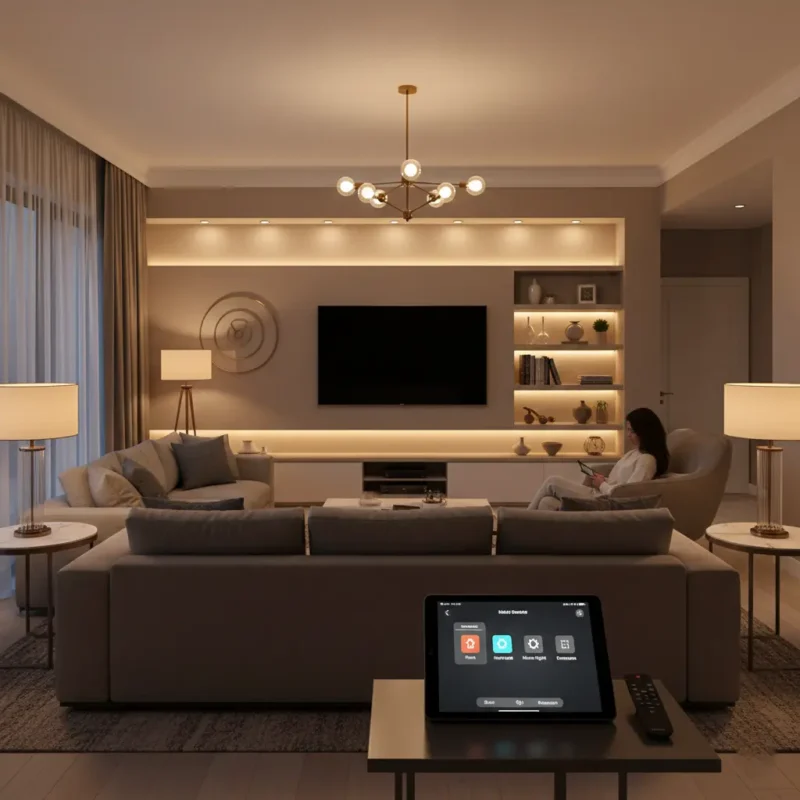
Lighting is key to a well-designed living room. Brooklyn homeowners use layered lighting—ambient, task, and accent; plus smart controls. This approach allows them to easily create the right mood and save energy.
- Ambient Lighting: This is the general, overall lighting that fills the room with a comfortable level of brightness. Common ambient lights include ceiling fixtures like recessed lights or a chandelier, which provide the base layer of illumination in your living room.
- Task Lighting: Task lights focus on specific areas where you need extra illumination for activities such as reading, working, or hobbies. A floor lamp by your couch or a desk lamp in a corner workspace ensures you don’t strain your eyes while working on those tasks.
- Accent Lighting: These smaller lights highlight specific features or create a cozy atmosphere. For example, you might install wall sconces to wash light over an accent wall or LED strips on shelves. These touches add depth by drawing attention to the artwork or decor.
- Smart Controls: Integrating smart lighting means you can control all these lights with a phone app, remote, or voice command. With smart bulbs or switches, you can easily dim the lights, change their color, or turn everything off without getting up. This setup adds convenience and a cool “wow” factor to your living room.
- Customizable Mood & Efficiency: Layered lighting with smart controls allows you to adjust the room’s ambiance at any time while also being energy-efficient. Brighten things up for a lively gathering or dim everything for a relaxed movie night, and set schedules or sensors so lights aren’t wasting electricity when not in use.
Maximize Natural Light & Use Mirrors/Light Finishes
In Brooklyn apartments and townhomes, natural light can be a precious resource, so it’s important to maximize what you have. Smart design choices like using mirrors and light-colored finishes help bounce light around and make the whole living room feel brighter and more spacious.
- Large Windows & Minimal Coverings: Take advantage of any windows by keeping them clear or using sheer curtains instead of heavy drapes. More sunlight will pour in, instantly making your living room feel more open and alive.
- Strategic Mirrors: Mirrors are your best friend for amplifying light. Placing a big mirror opposite a window reflects daylight back into the room. This effectively doubles the natural brightness and even makes the space feel larger.
- Light Colors & Finishes: Choose a light color palette for walls, ceilings, and large furniture to help bounce light around. Whites, creams, or pale grays reflect much more light than dark colors, so your living room stays bright and welcoming even on cloudy days.
- Glossy Surfaces: Incorporate some glossy or glass surfaces to enhance brightness. A glass coffee table, shiny metallic lamps, or even semi-gloss paint on trim will reflect light and add a subtle sparkle that lifts the room.
- Open Layout & Low Furniture: Keep your furniture low-profile or opt for open shelving near windows to let light flow freely. This way, sightlines remain clear, and sunlight can travel deeper into the room without encountering any bulky barriers.
Built-Ins & Custom Millwork for Storage + Display
In a city where every square foot counts, built-in furniture and custom cabinetry provide essential storage and display space without adding clutter or bulky standalone pieces.
- Built-in Shelving: Custom wall-to-wall shelves can be tailored to fit your living room. They offer plenty of room for books, art, and personal treasures while looking seamless and not eating up floor space like standalone bookcases would.
- Media Center & Hidden Wires: A built-in media center can frame your TV and hide all the wires and gadgets. Instead of a tangle of cords, you get a clean, streamlined look with cabinets or panels to tuck away devices, game consoles, and cable boxes.
- Window Seats with Storage: If you have a bay window or an unused corner, consider a built-in window seat with storage underneath. It creates a cozy spot to sit and read, and under the hinged seat, you can stash blankets, toys, or anything you want out of sight.
- Floor-to-Ceiling Cabinets: Going vertical is a smart way to maximize space. Tall built-in cabinets or shelves that extend up to the ceiling use every inch of vertical space to provide extra storage for infrequently used items. This design trick also draws the eye upward. The room feels taller and more open as a result.
- Customized Display Niches: Built-ins can include open niches or glass-front sections to display your favorite items. Whether it’s a collection of books, family photos, or art pieces, these custom display areas add personality to your living room without cluttering your surfaces.
Flooring Upgrade + Acoustic Considerations
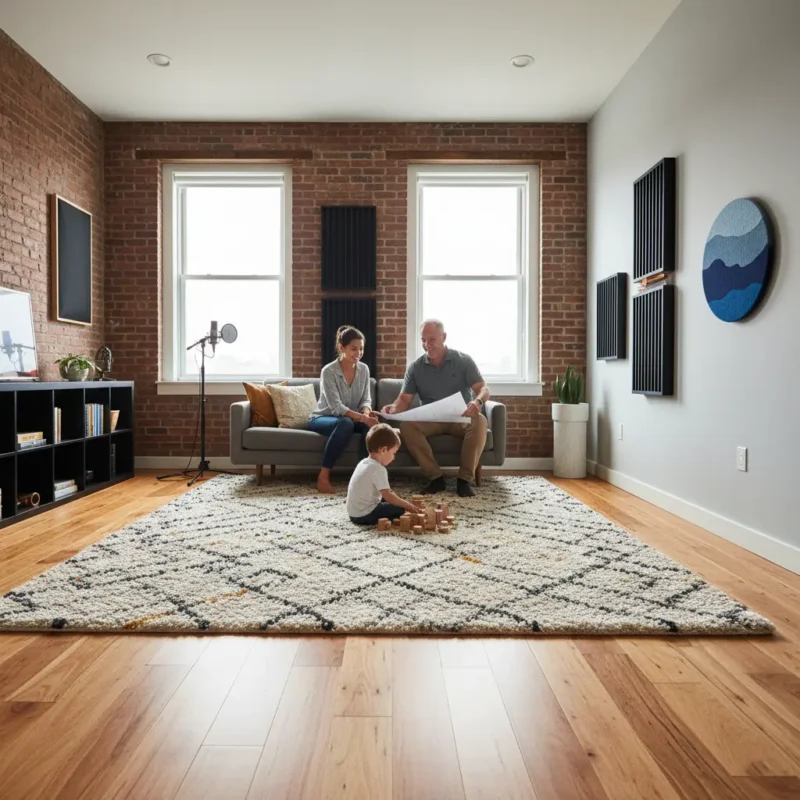
Your living room floor sets the stage for the whole space. Upgrading the flooring can improve both the look and feel of the room, and it’s worth considering acoustics as well—especially in Brooklyn apartments, where sound can easily travel between floors.
- Hardwood Refresh or Upgrade: Many Brooklyn living rooms feature hardwood floors that can be refinished to look like new. If your floors are in poor condition or not made of hardwood to begin with, consider installing new hardwood or durable engineered wood. A brand-new floor provides the room with a fresh, high-quality foundation that enhances both style and home value.
- Soundproofing Underlayment: If you’re replacing the floor, consider adding a sound-dampening underlayment or cork layer underneath. This extra layer cushions footsteps and reduces sound transfer, so your downstairs neighbors won’t hear every step.
- Area Rugs & Carpet Rule: A thick area rug not only makes a room cozier but also absorbs sound to reduce echo. In fact, many NYC apartments encourage covering about 80% of the floor with rugs or carpet to reduce noise, so a stylish rug can both tie the room together and keep the peace with neighbors.
- Soft & Acoustic Finishes: To further address acoustics, think about adding soft elements that absorb sound. Fabric curtains, upholstered furniture, and even decorative acoustic panels or wall hangings can all help dampen echoes and make your living room quieter and more comfortable.
- Continuous Flooring Flow: If you have an open-plan living area, it’s helpful to use the same flooring throughout, as this makes the space feel larger and more unified. For instance, you can run the same hardwood from your kitchen straight into the living room. This creates a continuous flow; then use rugs to define different zones without disrupting the visual continuity.
Color, Texture & Material Palette for a Cohesive Feel
This aspect is all about making sure every element in your living room works together visually. A cohesive color and material palette means your walls, floors, furniture, and decor all complement each other and give the space a harmonious, well-thought-out look.
- Choose a Base Color Scheme: Pick a base of two or three main colors for your living room and carry them throughout the space. Having a consistent palette (say, neutral tones with one bold accent color) makes the room feel connected rather than chaotic.
- Mix Textures: Combine different textures to add interest, but stick to an overall theme. For example, you might pair a smooth leather sofa with a chunky knit throw and a reclaimed wood coffee table—this variety adds depth, yet the style stays cohesive (rustic-chic, modern, etc.) because the elements complement each other.
- Consistent Materials: Try repeating key materials or finishes in a few places to create a design that feels intentional. If your coffee table features black metal legs, you could complement it with a black metal floor lamp. Alternatively, if you have a favorite wood tone, use it in both a bookshelf and picture frames to create continuity.
- Use Accent Colors Sparingly: Add pops of accent color in a thoughtful way. A few deliberate touches of one accent hue (like blue pillows, a blue rug, and some blue in an artwork) can tie the room together without overwhelming your base palette.
- Coordinate Patterns & Art: If you include patterns (on rugs, pillows, or curtains), choose designs that complement or coordinate with other elements in the room. Likewise, pick artwork and decor pieces that echo your room’s colors or vibe, so everything feels like it belongs together.
Smart Media Wall / TV Integration & Hidden Tech
Modern living rooms often include big TVs and plenty of gadgets, but the key is to blend them into your design. A smart media wall means integrating your television and tech in a sleek, discreet way so you enjoy your entertainment without cluttering up the room with wires and devices.
- Wall-Mounted TV & Hidden Cables: Mounting your TV on the wall instantly gives a cleaner look. Hide the cords inside the wall or use cable covers so you don’t see any wires dangling down, and the TV looks like a natural part of the room instead of an eyesore.
- Built-In Media Cabinets: Custom cabinetry around the TV can neatly house all your media components. Built-in cabinets or floating shelves will tuck away your streaming box, game console, and remotes. This keeps the area around the TV tidy and organized.
- Art Frame TVs: Consider a “frame” TV that doubles as artwork when it’s off. These slim TVs display art or photographs in standby mode and blend in like a picture frame, so your screen becomes a piece of decor instead of a big black rectangle on the wall when you’re not watching.
- Integrated Speakers: For a cinematic experience without the visual clutter, integrate your audio. In-wall or in-ceiling speakers and low-profile soundbars can deliver surround sound while remaining mostly out of sight. You get immersive audio without having bulky speaker boxes in the corners.
- Hidden Charging & Smart Hubs: Include a discreet charging station or drawer in your media wall for phones, tablets, and other devices. This way, your gadgets stay out of sight. That cuts down on visible tech clutter while everything remains powered and connected.
Cozy Conversational Layout + Flexible Seating
A great living room invites conversation and can adapt to different occasions. You want a cozy furniture layout where people can easily chat with each other, along with flexible seating options that allow for easy rearrangement whenever needed.
- Face-to-Face Seating: Arrange your sofas and chairs so they face each other or form a U-shape (instead of all pointing at the TV). This arrangement enables everyone to maintain eye contact and engage in conversation comfortably, fostering a more social and connected atmosphere.
- Central Focal Point: Give the seating area a central focus, like a coffee table or fireplace. This creates a natural gathering spot — people can place their drinks on the table or enjoy the warmth of the fireplace, which makes the space feel inviting and encourages folks to sit and stay awhile.
- Movable Accent Pieces: Include a couple of movable seats like accent chairs, stools, or ottomans. You can pull these out when extra guests come over, or push them aside when you want more open space. They’re great for flexibility because they can double as footrests or side tables as needed.
- Sectional or Modular Sofa: A sectional sofa provides ample seating and helps define the conversation area. Even better, a modular sectional can be rearranged (by separating the sections or re-angling them) so you can switch up the layout, stretch it out for a movie night, or break it apart for a party.
- Easy Traffic Flow: Ensure there’s enough space between pieces for people to walk around without bumping into each other. A thoughtful layout allows everyone to move freely in and out of the seating area, and it means you can adjust the setup (such as scooting a chair over) when needed to accommodate different activities or guests.
Greenery & Biophilic Touches for Wellness & Style
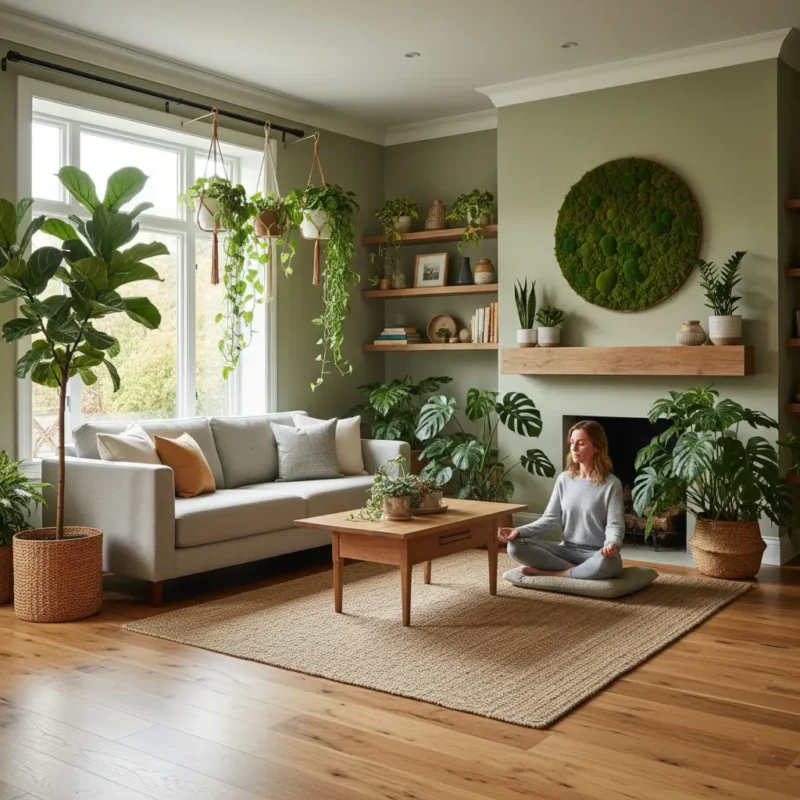
Bringing a bit of nature indoors can do wonders for both style and well-being. Adding greenery and natural elements to your living room not only makes the space look more lively and fresh but can also boost your mood and even improve air quality.
- Houseplants for Freshness: Adding houseplants is one of the easiest ways to introduce biophilic design. Hardy indoor plants like snake plants, pothos, or fiddle leaf figs will thrive in a living room and instantly make it feel more inviting and alive (they even help purify the air a bit).
- Plants as Decor Accents: Use greenery as living decor pieces throughout the room. A tall potted plant in an empty corner, hanging planters by the window, or a few succulents on the coffee table add color and life to the space in a way that furniture can’t.
- Natural Materials: Incorporate natural materials and textures in your furnishings. For example, a live-edge wood coffee table, rattan baskets, or a jute area rug bring a warm, organic feel that helps connect the room to nature while still maintaining a stylish aesthetic.
- Let in the View: If you’re lucky enough to have a nice view or even just some trees outside, keep those windows uncovered as much as privacy allows. Being able to see a bit of nature or sky from your living room — and letting in that natural sunlight creates a calming, open atmosphere.
- Low-Maintenance Green Options: Worried about plant care? Go for low-maintenance greenery. Choose drought-tolerant plants (like ZZ plants or succulents), use self-watering planters, or even add a few high-quality faux plants; you’ll get the splash of green and the cozy vibe without the upkeep stress.
Permits & Filing Basics—ALT-1 vs ALT-2, Decorative Work & When You Need a Pro
- ALT-1 vs ALT-2 at a glance. ALT-1 changes the building’s use or egress and triggers a new or amended Certificate of Occupancy. ALT-2 covers multiple work types that do not change the Certificate of Occupancy.
- ALT-3 (minor single-type work). Examples include a single non-structural item like a new door or window. It is the lightest alteration category in DOB filings.
- Decorative work that usually needs no DOB permit. Painting, plaster patching, refinishing floors, and replacing finishes in kind often fall under the category of “work you can do without a permit.” Always verify your exact scope against DOB’s list.
- When you need a Registered Design Professional. Any filing that alters structure, life safety, or egress will require an architect or engineer to submit drawings. DOB’s “Design Professional Requirements” page explains the thresholds for alterations.
- Landmarks overlay. If your building is located in a historic district or the interior is designated, the LPC may need to approve your scope. Interior work may need an LPC permit when it already requires a DOB permit.
- Work hours and after-hours permits. Normal hours run 7:00 a.m.–6:00 p.m. on weekdays. Anything earlier, later, or on weekends needs an After-Hours Variance (AHV) from DOB, and your Construction Noise Mitigation Plan must be on file.
- Energy code touchpoints. Altered lighting must meet NYCECC rules. In residences, high-efficacy lighting requirements apply to most permanently installed fixtures.
Co-op & Condo Realities—Alteration Agreements, Board Packages & the “80% Carpet Rule”
- Alteration agreement basics. Most co-ops and condos require a signed agreement before any work. Expect rules for scope, hours, insurance, licensed contractors, drawings, and deposits.
- Board package contents. Typical submissions include stamped plans, contractor licenses, insurance certificates, and a schedule. Boards often meet monthly, so approvals can take weeks.
- “Wet over dry” is a common red flag. Boards often reject kitchens or baths moved over a downstairs living room. Know your stack and ask early.
- The “80% carpet rule.” It is usually a house rule, not city law. Many buildings require residents to cover 80% of the floor area with rugs or carpet for noise control.
- Soft costs to plan for. Co-op/condo projects often incur $5k–$30k in soft costs, including board fees, design, permits, and insurance, in addition to construction costs.
Top Tips for Living Room Renovation in Brooklyn
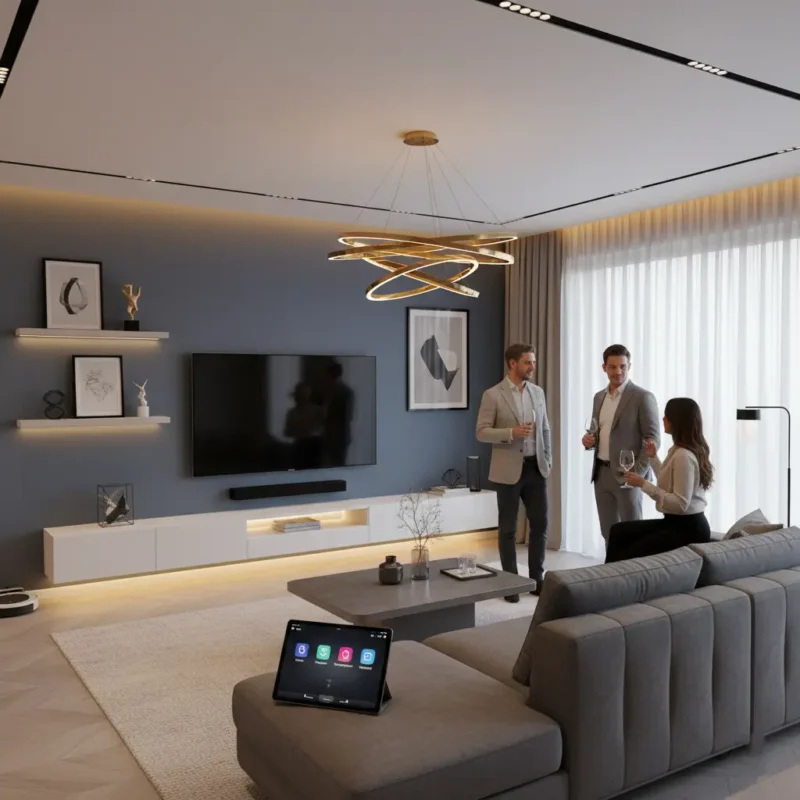
You want a living room that looks great and also passes NYC rules. A smart plan saves time and keeps your budget under control.
- Confirm your permit path on the first day. Ask an architect to decide between ALT-1 and ALT-2 and identify any triggers, such as egress changes. Verify if LPC applies to your address before finalizing the design.
- Align with board rules and acoustics early. Read your alteration agreement to ensure your plan aligns with the hours, insurance, and finish limits. Add underlayment and rugs to satisfy noise standards and keep neighbors happy.
- Design a layered lighting plan that complies with local building codes. Use ambient, task, and accent layers and specify high-efficacy fixtures. Smart dimmers add comfort and help your project meet NYCECC requirements.
- Budget with real NYC numbers. Include soft costs, contingency, and potential landmark or board fees. Review current NYC cost guides before you set the scope.
- Source locally to speed lead times. Brooklyn Navy Yard makers can build custom millwork and furniture, and Industry City offers multiple home stores in one campus. Local sourcing helps with site visits and adjustments.
Where to Find the Best Brooklyn Contractors
Are you looking for an expert contractor in Brooklyn, NYC? SR General Construction has you covered! Our business is located at 8807 Avenue B, Brooklyn, NY 11236, United States, in the Canarsie area.
Additionally, we offer services at Rockaway Parkway and Ralph Avenue, providing fast access to Flatlands, East Flatbush, Bergen Beach, Brownsville, and the Spring Creek section of East New York.
FAQ
1. What’s the difference between ALT-1 and ALT-2?
ALT-1 changes use, occupancy, or egress and triggers a new or amended Certificate of Occupancy; ALT-2 covers multiple work types without requiring a change to the Certificate of Occupancy. Your architect will choose the right path.
2. When does LPC approval apply to a living room project?
If your building is landmarked or located in a historic district and your interior work requires a DOB permit, the LPC may also require its own permit. Interior landmarks also require LPC review.
3. What are legal construction hours in NYC?
Weekdays 7:00 a.m.–6:00 p.m. are standard. Work outside those hours or on weekends needs an After-Hours Variance (AHV).
4. What is a Construction Noise Mitigation Plan (CNMP)?
If you apply for after-hours work, you must have a CNMP filed and available on-site. DEP enforces the rules and has the authority to inspect.
5. What is the “80% carpet rule” in NYC apartments?
It’s a common building rule, not a city law. Many co-ops/condos ask residents to cover 80% of their floors with carpets or rugs to reduce noise.
6. Do I need an LPC permit if I only repaint my living room?
If it’s just decorative work, LPC usually does not get involved. If your scope also requires a DOB permit, LPC review may be applicable in landmarked buildings.