

Have you ever walked through a classic Brooklyn brownstone or a cozy townhouse and wondered what it takes to turn one of those aging spaces into your dream home?
If that thought has ever crossed your mind, you’re not alone. Home renovation in Brooklyn has become one of the most exciting and sometimes challenging journeys for homeowners who want to mix history with modern comfort.
This guide is here to walk you through every step of that process. We’ll discuss how to plan your renovation, create a realistic budget, and understand the permits and regulations associated with working on a Brooklyn property. You’ll also learn about local building codes, energy-efficient upgrades, and the best ways to find a reliable contractor who knows New York City homes inside and out.
What is home renovation, and why is it important in Brooklyn, NYC
Home renovation involves improving your current home to make it look better and function more effectively for daily life. You update rooms, replace old systems, and solve layout problems without building a new house. In Brooklyn, homes often come with charm and age in the same package. A thoughtful renovation preserves the character while adding comfort, safety, and value.
Brooklyn properties are situated in landmark districts, co-ops, and tight lots, so smart planning is crucial. You face permits, building rules, and small‑space limits that reward careful choices. The right project can raise your resale value and cut energy bills. It also transforms a cramped layout into a bright, functional space you’ll love.
How to Plan and Prepare for a Home Renovation
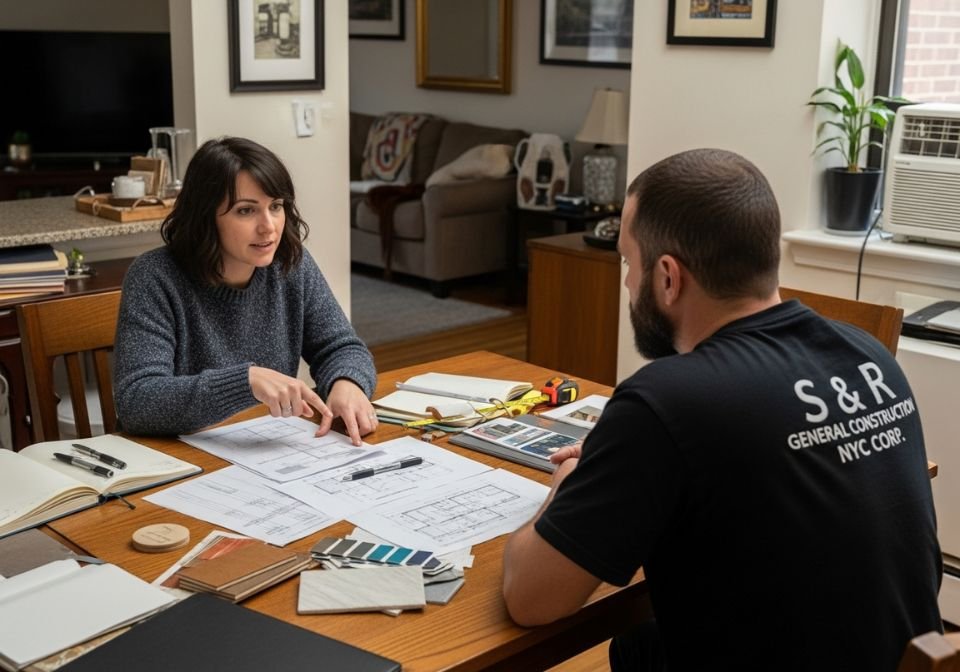
Begin by taking a clear look at your home and listing the issues that slow you down. Set goals for function, style, and budget, then confirm what fits your building rules and NYC codes. Line up the right team: a licensed contractor, an architect or engineer for structural or layout work, and a permit expediter if you need one. Create a simple roadmap that covers design, permits with the DOB, construction phases, inspections, and final sign‑off.
Initial Property Assessment
- Walk through every room with a notepad and take clear photos.
- Look for leaks, soft floors, wall cracks, drafty windows, and outlets that trip the circuit.
- Inspect the age and condition of systems such as electrical panels, plumbing stacks, radiators, and the roof.
- If you plan to make structural changes, schedule a visit with a licensed engineer to inspect load-bearing walls and sagging joists.
- Gather building rules, alteration agreements, and any past permits from management or your co‑op board.
Setting Clear Renovation Goals
- Write three lists: must‑have, nice‑to‑have, and future upgrades.
- Tie each goal to a reason like safety, function, storage, energy savings, or resale.
- Define your style with a few reference photos and samples, not a hundred choices.
- Pick a target budget and a top number you will not cross, then share these goals with your team so every choice supports the plan.
Creating a Realistic Timeline
Work backward from your ideal finish date. Give design two to eight weeks, permits four to twelve weeks based on scope, and construction six to twenty‑four weeks by project size. Add buffers for board approvals, inspections, and material lead times to ensure timely completion. Lock in delivery dates for long-lead items before the demo starts, and review the schedule with building management to confirm work hours and elevator bookings.
Budget Planning and Management
A clear budget keeps stress low and decisions simple. Break down costs into design, permits, labor, and materials, then add a 10–20% cushion for unforeseen expenses. In Brooklyn and the rest of NYC, many full‑home renovations land roughly between $150 and $400 per square foot for standard to mid‑range work, while higher‑end or gut projects often reach $400 to $600+ per square foot depending on finish level, building type, and site limits. These ranges line up with recent NYC guides and professional estimates.
Track spending on a weekly basis, compare actual expenses to the plan, and approve change orders in writing. Use one shared spreadsheet for bids, allowances, and paid invoices. Ask your contractor for a payment schedule tied to specific milestones, rather than vague dates. Revisit the budget after each inspection and adjust the plan accordingly before proceeding to the next phase.
Understanding Regulatory Requirements
Before any remodeling work begins, it’s crucial to understand the regulatory requirements for your project. Every locality has its own building codes and permitting process, so you must do some homework to stay compliant with the law. This means you should:
- Obtain the necessary building permits: Check with your city or county building department about which permits are required for your renovation (structural changes, electrical, plumbing, etc.). Permits ensure your project meets safety standards and will be inspected properly.
- Review zoning and code restrictions: Ensure your plans comply with local zoning laws and building codes. For example, there may be height restrictions, property line setbacks, or historical district rules that affect your design.
- Ensure safety and code compliance: Following regulations isn’t just a matter of red tape – it’s about keeping you and your family safe. Building codes encompass aspects such as electrical wiring, fire safety, and structural integrity. Complying with these codes helps prevent accidents and ensures the finished work is sound.
Professional Consultation and Design Phase
Once the paperwork is in motion, the next step is the consultation and design phase. This is where you flesh out the details of what you’re going to do and how you’re going to do it – ideally with some help from professionals. Engaging experienced experts early on can significantly increase the chances of your project’s success. Key players you might involve include:
- Architect or Structural Engineer: If your renovation involves altering the structure (like knocking down a wall or adding an extension), you’ll want an architect or structural engineer to ensure the design is safe and meets building codes. They can draw up plans and help navigate any structural challenges that may arise.
- Interior Designer: For optimizing your space and aesthetics, an interior designer can be invaluable. They’ll help you choose layouts, colors, and finishes that complement your home’s style while maximizing the available space. Good design isn’t just about appearance – it’s also about functionality and ease of use in your daily life.
- General Contractor: A seasoned contractor will provide practical insights on the renovation’s feasibility and timeline. They can provide you with cost estimates and highlight potential challenges associated with construction or materials. Importantly, a contractor coordinates all the tradespeople (electricians, plumbers, carpenters) and ensures the work is completed in the correct order.
Complete Preliminary Projects
Before diving into the main renovation work, it’s wise to complete any preliminary projects or major fixes that could affect your new improvements. Think of it like preparing the canvas before painting. Addressing fundamental issues now will protect your investment in the renovation. For example:
- Foundation and structural repairs: Ensure your foundation is solid and address any structural issues (such as weakened walls, joists, or support beams) before commencing cosmetic work. A stable structure is the backbone of any renovation.
- Roof and Siding: If your roof leaks or your siding is damaged, it should be your top priority to address these issues. You don’t want to install new drywall or flooring only to have water intrusion ruin it. A sound roof and exterior walls will shield the interior work from the weather.
- Windows and doors: Replace or repair windows that have leaks or drafts. Old, inefficient windows can undermine your renovation by causing energy loss or water damage. Upgrading them early on will improve insulation and protect against future issues.
By completing such preliminary projects up front, you ensure a strong foundation for your renovation.
Starting the Renovation
Now for the part you’ve been waiting for: starting the renovation itself! This phase involves the actual construction work – often beginning with demolition and then rebuilding according to your plans. To set yourself up for success, ensure that you prepare your home and family for the disruption. Here are some tips as you kick off construction:
- Prepare and protect your space: Before the first swing of the hammer, clear the work area. Move furniture and personal items out of rooms under renovation, or at least cover them securely with plastic sheeting. Demolition and construction generate a significant amount of dust and debris, so it’s essential to protect your belongings.
- Plan for debris removal: Renovations generate waste – including old drywall, broken tiles, lumber offcuts, etc. Arrange for a dumpster or trash hauling service to remove debris promptly. Keeping the site clean will make the work more efficient and safe.
- Consider your living arrangements: If you plan to live at home during the remodel, be prepared for noise and dust. Set up a temporary kitchen if your main kitchen is out of commission, and seal off areas to confine dust. It’s wise to vacuum and dust daily with a HEPA-filter vacuum to keep your living areas as clean as possible. Also, open windows or use air purifiers to ventilate – indoor air quality can suffer during construction.
- Safety First (DIY and Hazards): You might save money by doing some of the work yourself, such as non-structural demolition or painting. That’s great, but always prioritize safety. Wear protective gear (goggles, masks, gloves) and know your limits. Be cautious with older homes: materials like lead-based paint or asbestos can pose health hazards if disturbed. If your house was built several decades ago, consider hiring professionals to handle any potential lead or asbestos removal to ensure everyone’s safety.
Inspections after Work
Finally, after all the hard work, your renovation is nearly complete – but not before the final inspections. Inspections are a critical step to ensure that everything is done correctly and in accordance with code. Beyond the official inspections, it’s also smart for you to do a thorough walk-through of the completed work. Key things to check include:
- Plumbing: Are there any leaks? Do all faucets, toilets, and drains function properly?
- Electrical and HVAC: Test all lights, outlets, and switches to ensure proper operation. Ensure the heating and cooling systems are functioning properly and that the vents are properly connected.
- Appliances and fixtures: Verify that appliances (such as ovens and dishwashers) and fixtures (like sinks, tubs, and water heaters) are installed correctly and securely.
- Finishes and Surfaces: Inspect the flooring, paint, tiles, and countertops for any imperfections or damage. Minor dings can happen during construction – now’s the time to have them fixed.
- Documentation and code compliance: Check that all permit paperwork is finalized and you have copies of any certificates of inspection or occupancy. This will be important for your records (and if you ever sell the house).
Brooklyn Neighborhood & Home Type Nuances (Brownstones, Co-ops, Condos, Lofts)
Do you ever notice how every Brooklyn block feels different? That’s because the borough’s homes are a mix of historic brownstones, modern condos, classic co-op apartments, and industrial-style lofts. Each one has its own renovation personality and set of challenges. If you own a brownstone in Park Slope or Bed-Stuy, you’re probably dealing with old charm and older systems — think century-old plumbing, outdated wiring, and narrow layouts that crave better flow. Renovating these homes means balancing preservation with practicality so your upgrades keep that Brooklyn soul intact.
If you live in a co-op or condo, the biggest challenge isn’t design — it’s the rules. You’ll likely need co-op board approval, renovation permits from the NYC Department of Buildings (DOB), and limited work hours that test your patience. However, once you navigate the paperwork, your project moves faster, as apartment renovations typically require less structural work.
And then there are Brooklyn lofts in places like DUMBO or Williamsburg — open, airy spaces that beg for creativity. The fun part is zoning your space for living, cooking, and sleeping without losing that wide-open feel. Custom storage, glass dividers, and exposed brick can transform a loft into a stunning and functional space.
Every home type in Brooklyn demands a unique renovation approach, but the goal stays the same — to create a space that fits your life while respecting the building’s character.
Project Scoping: Cosmetic vs. Structural, Partial vs. Gut Renovation
Cosmetic vs. Structural Renovations: A cosmetic renovation is the lighter touch. Think of it as a “surface-level” makeover – for example, refreshing paint, refinishing floors, updating light fixtures, or swapping out cabinet fronts. These changes enhance the appearance and feel of your home without altering the fundamental layout or systems. The benefit? Cosmetic projects tend to be quicker, less expensive, and often don’t require permits since you’re not moving plumbing or walls.
On the other hand, a structural renovation involves changes to the home’s core architecture or systems. This could involve removing or building walls, relocating the kitchen or bathroom, altering the floor plan, or any other modification that affects load-bearing elements. Structural work is more complex – you’ll likely need architectural plans, building permits, and the services of professional contractors/engineers to ensure the changes are safe and comply with code.
Partial vs. Gut Renovation: Another aspect of scoping is whether you renovate part of your home or the whole thing. A partial renovation targets specific areas or a portion of the property. Maybe you love your living room as is, but the kitchen and bathroom desperately need updates – that’s a partial reno. Many Brooklyn homeowners choose to tackle one or two key rooms at a time (the kitchen is a popular choice, since an outdated kitchen can really cramp your daily life). In a partial renovation, you might retain the overall layout of those rooms, focusing on new materials and fixtures. For instance, you could remodel the bathroom with a new vanity, tiles, and a shower, but not move its walls or plumbing lines. Partial projects may still require permits if plumbing or electrical work is modified, but the scope (and cost) is more contained than a whole-home redo. This approach is great when you have a limited budget or can’t vacate your entire home – you can renovate in stages, one section at a time.
Budgeting & Cost Framework for Brooklyn Home Renovation
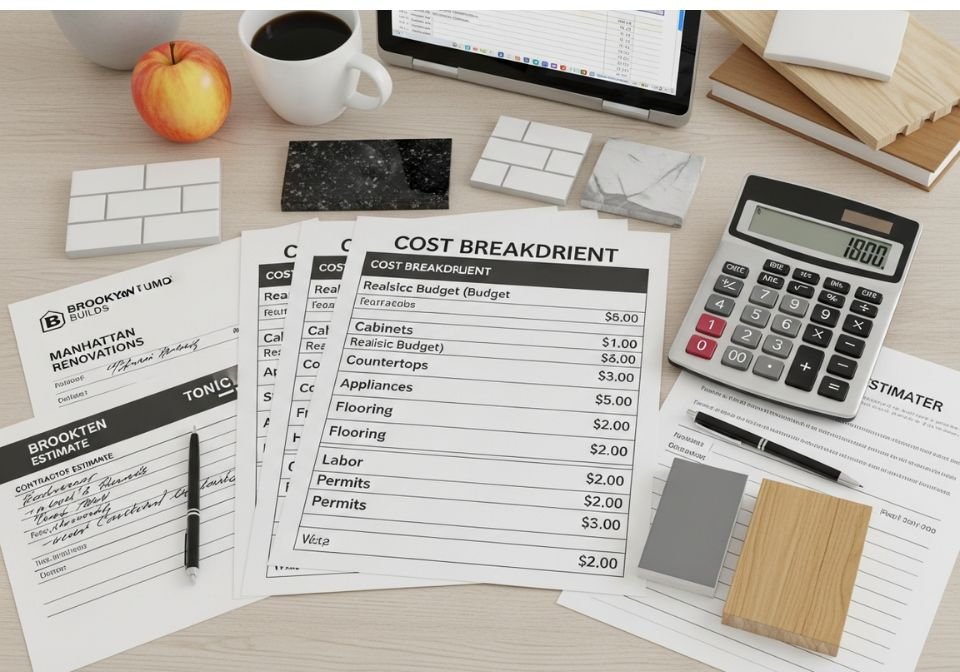
Let’s talk real numbers — how much does a home renovation in Brooklyn actually cost, and how should you plan your budget? In NYC, costs are typically calculated per square foot, and Brooklyn follows the same rule. A basic renovation with cosmetic updates typically costs $100–$200 per square foot, while mid- to high-end projects with custom finishes or complex layouts often range from $200 to $ 400 per square foot or more. For example, updating an 800 sq. ft. co-op with mid-range materials might total around $150,000, while a 2,000 sq. ft. brownstone gut renovation can cost between $500,000 and $600,000. Larger, landmarked homes that include structural work, facade restoration, or rooftop additions can push budgets above $1 million, especially when working under Landmarks Preservation Commission (LPC) rules. Don’t let that number intimidate you — most Brooklyn renovations fall comfortably in the mid-range, depending on materials, finishes, and contractor quality.
Once you know your price range, build a budgeting framework that tracks every cost category. Here’s how to structure it:
- Design & Planning (5–15%) – Hiring an architect or interior designer is essential for complex layouts, brownstones, or co-ops requiring detailed drawings. Good design saves money in the long run by avoiding rework.
- Permits & Approvals – Factor in NYC Department of Buildings (DOB) permit fees, filing costs, and co-op board application deposits. Most permits cost a few hundred dollars, but LPC or special DOB filings for exterior work add both time and cost.
- Labor & Construction (largest portion) – This includes your general contractor, licensed plumbers, electricians, and project management. NYC labor is skilled but costly, so verify that your contractor is fully insured and experienced with local codes.
- Materials & Finishes – Allocate budget for flooring, cabinetry, countertops, appliances, and fixtures. Material quality has the biggest impact on your total cost; a $5 tile vs. a $50 handmade option adds up quickly. Select durable, mid-range finishes that strike a balance between beauty and practicality.
- Contingency (10–20%) – Always plan for surprises. Older Brooklyn homes often hide old wiring, plumbing issues, or moisture damage. A contingency reserve keeps your project moving without last-minute stress.
Consider Material and Design Selections for Home Renovation
Choosing materials and designs is one of the most exciting steps in your Brooklyn renovation. This is where your personality meets practicality — the right selections make your home both beautiful and functional. Let’s explore key design choices that help your home look great, perform well, and last for years to come.
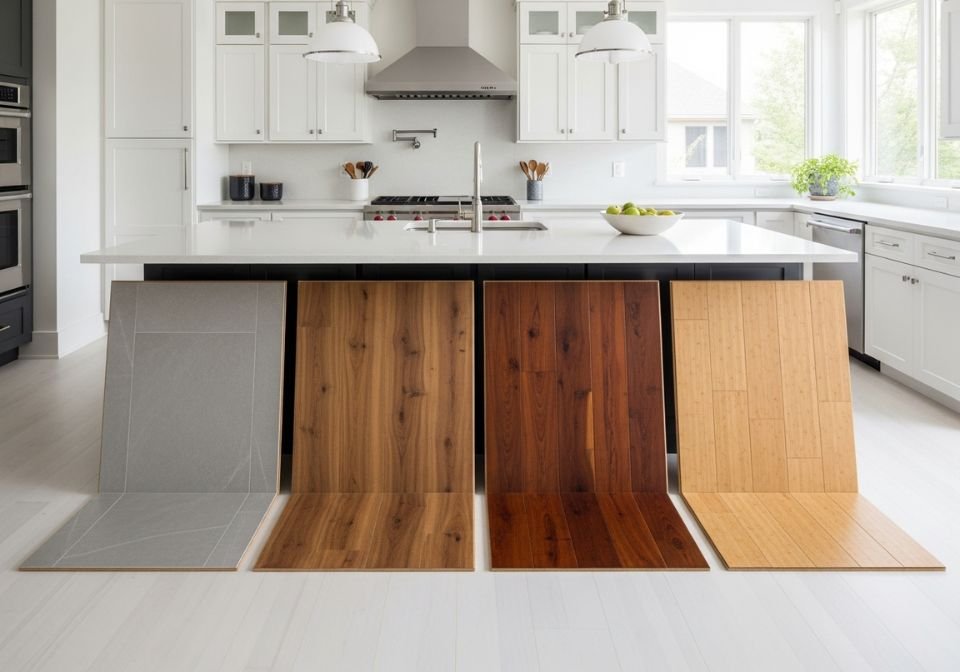
- Flooring That Fits Your Lifestyle: Floors face the most wear, so choose materials built to last. Many Brooklyn homeowners prefer hardwood or engineered wood for a warm, classic look, while bamboo or tile may be better suited for busy or moisture-prone areas. Go for durable, scratch-resistant finishes that can handle kids, pets, and Brooklyn’s seasonal weather.
- Quality Fixtures & Efficiency: Small details make a big difference. Opt for solid brass or stainless steel fixtures that resist wear, and consider adding LED lighting or low-flow faucets to reduce utility bills. Energy Star-rated appliances bring long-term savings and a sleek, modern finish.
- Timeless vs. Trendy Design: Strike a Balance Between Style and Longevity. Subway tiles, neutral palettes, and stone countertops age gracefully, while accent colors or bold tiles add visual interest. A few trend-forward touches can make your space feel fresh without making it feel dated too soon.
- Sustainable and Local Materials: Eco-friendly materials add extra value to your home and a unique story to tell. Try low-VOC paints, reclaimed wood, recycled glass countertops, or locally sourced tiles from Brooklyn artisans. These choices lower environmental impact and support local businesses.
- Preserving Character vs. Modern Upgrades: Combining Old Charm with New Convenience. Keep features like fireplace mantels, exposed brick, or tin ceilings, but pair them with modern cabinetry or lighting for a striking contrast. The result is a home that honors its Brooklyn history while fitting modern living.
- Smart Layout and Storage Design: Good design should simplify your life. Utilize custom cabinets, built-ins, or multi-purpose furniture to optimize storage and enhance the flow. Floor-to-ceiling cabinetry or hidden storage benches turn tight spaces into practical, organized areas.
How to Find the Best Contractor for Home Renovation in Brooklyn, NYC
Renovating your home is a significant investment, so it’s crucial to trust the professionals handling the project. Look for a contractor with a proven history, strong local experience, and reliable communication. The right team won’t just build — they’ll guide you through every decision with confidence.
- Check Experience and Reputation: A contractor’s track record says everything. Choose a company that’s completed hundreds of successful projects over several years in Brooklyn and NYC. Local experience means they understand neighborhood building codes, permits, and common renovation challenges.
- Confirm Licensing and Availability: Always verify that the individual has proper NYC licensing and insurance before hiring. A professional team like SR General Construction NYC is fully licensed, with over 15 years of experience and more than 750 completed projects for 500+ satisfied clients. We also offer 24/7 support, so you’re never left waiting for answers during your renovation.
- Prioritize Customer Service and Quality: Great contractors don’t just deliver solid work — they deliver peace of mind. Look for clear communication, transparency, and a willingness to problem-solve quickly. When you work with an experienced team that values client satisfaction, you’ll enjoy a smoother renovation from start to finish. (If you’re planning your next home renovation, SR General Construction NYC is here to help bring your vision to life.)
Where to Find the Best Brooklyn Contractors
Are you looking for an expert contractor in Brooklyn, NYC? SR General Construction has you covered! Our business is located at 8807 Avenue B, Brooklyn, NY 11236, United States, in the Canarsie area.
Additionally, we offer services at Rockaway Parkway and Ralph Avenue, providing fast access to Flatlands, East Flatbush, Bergen Beach, Brownsville, and the Spring Creek section of East New York.
FAQ
1. Do I need a permit for my Brooklyn home renovation?
In NYC, most construction, plumbing, electrical, or structural work requires a Department of Buildings (DOB) permit; only clearly defined “minor alterations/ordinary repairs” are exempt. Always verify your scope against DOB rules (1 RCNY §101-14) and the city’s “Do I need a permit?” guidance.
2. How long does a Brooklyn home renovation take?
Small interior updates can be completed in weeks, but kitchens often take 2–5 months, and full-home projects with design, approvals, and inspections can span 6–12 months or more.
3. What is “wet over dry” in NYC apartments?
It’s a common co-op/condo rule that prohibits placing new “wet” areas (kitchens/baths) over “dry” rooms below to reduce the risk of leaks. It’s typically a building/alteration-agreement rule, not city code.
4. How do co-op boards approve renovations?
Most require an alteration agreement with detailed plans, licensed/insured contractors, deposits, and set work hours before you start. Expect board sign-off in addition to any DOB permits.
5. Can I live in my home during renovation?
You can often stay during light, phased interior work with dust control and careful planning, but it can be disruptive.
6. How much contingency should I plan?
Set aside 10–20% of your total budget to cover hidden conditions common in older NYC buildings and schedule surprises. Larger or historic scopes may warrant the higher end of that range.