

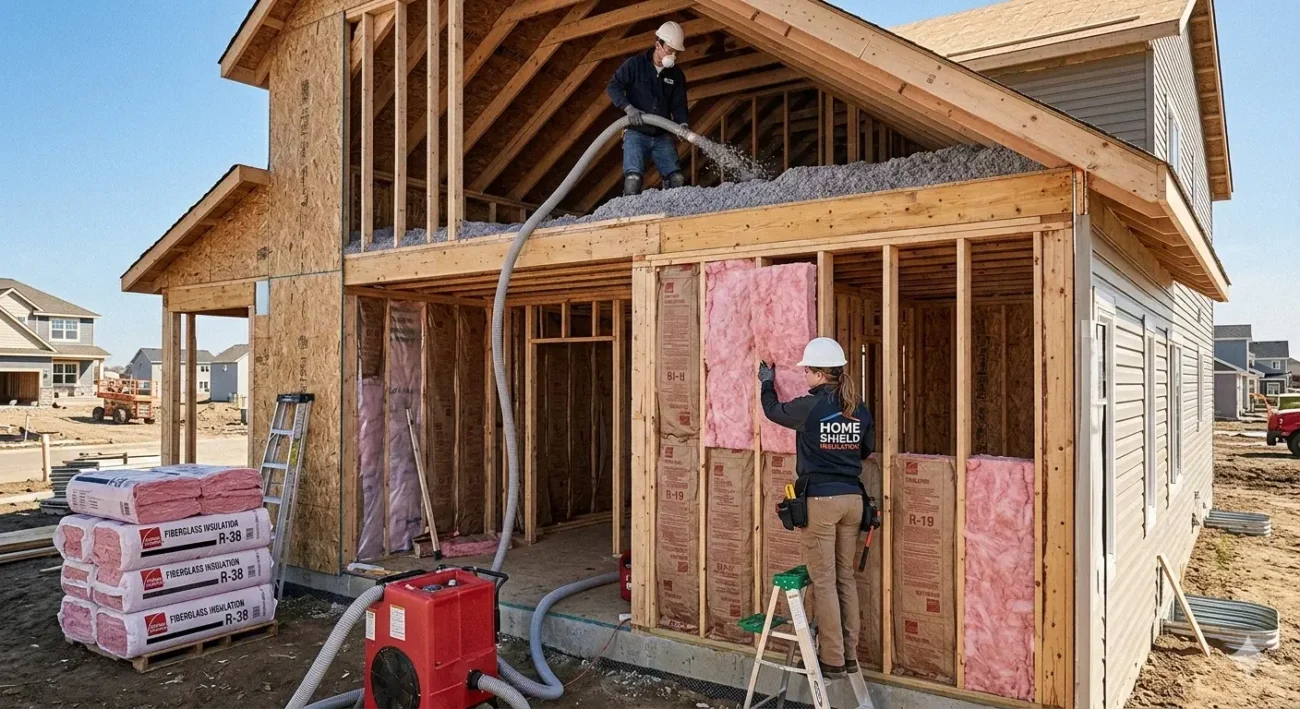
Why do so many Brooklyn brownstones and row houses stay drafty, chilly, or overheated, no matter how much you run the heat or AC?
These historic homes are full of charm, but most were built long before modern insulation standards. Gaps in masonry walls, aging windows, and open air pathways let heat escape quickly, driving up energy bills and reducing comfort.
In this guide, we’ll break down the best insulation options for Brooklyn’s brownstones, brick row houses, and prewar buildings. You’ll learn which materials work well with old masonry, where insulation makes the biggest impact, how to seal common air leaks, and what local rebates can help cut costs.
Why Home Insulation Matters in Brooklyn
Living in a Brooklyn brownstone or row house means dealing with cold, windy winters and hot, humid summers. Many of these homes were built long before modern insulation, so heat and cold slip through walls, windows, and roofs. Proper insulation keeps warm air in during winter and hot air out during summer, making your space more comfortable. It reduces the work your heating and cooling systems have to do, lowering energy bills. It also helps muffle street noise and reduce drafts, so your home feels snug and peaceful.
Types of Home Insulation Materials
Older Brooklyn homes need the right mix of materials to balance historic charm with modern efficiency. Each type offers different benefits depending on your walls, attic, and budget.
- Dense‑Pack Cellulose: Cellulose is made from recycled paper treated with a fire retardant. It’s blown into wall cavities and attics, filling odd spaces that foam or batts can’t reach. This material offers good thermal and sound insulation and is relatively inexpensive, but it can settle over time if it isn’t properly installed.
- Spray Foam (Open‑Cell and Closed‑Cell): Spray foam expands to seal air leaks and provides high R‑values in tight spaces. Open‑cell foam is softer and less dense, ideal for interior walls where minor soundproofing helps; closed‑cell foam is rigid and acts as both an insulator and a moisture barrier. Both types require professional installation and cost more than other options, but they create an airtight seal that can transform drafty homes.
- Rigid Foam Boards (Polyiso, XPS, EPS): Rigid panels provide high insulation in a thin layer, making them ideal for basements, crawl spaces, and under floors. They’re moisture‑resistant and can help stop thermal bridging when applied over studs or masonry. You need to carefully tape seams and use vapor barriers where appropriate to prevent moisture issues.
- Mineral Wool (Rockwool): Made from stone fibers, mineral wool withstands fire, moisture, and pests. It’s denser than fiberglass and provides good soundproofing, so it’s often used in party walls between row houses. The material is a bit heavier and typically costs more, but it’s easy to cut and fit into odd spaces.
- Fiberglass Batts and Rolls: Fiberglass is widely available and easy for a handy homeowner to install. It comes in pre‑cut sections or long rolls that fit between joists and studs. However, it compresses easily, which reduces its insulating power, and gaps or misalignment can let cold air through.
- Eco‑Friendly Options (Hemp, Sheep’s Wool, Cotton): Natural fibers like hemp, sheep’s wool, or recycled denim offer lower environmental impact and can regulate moisture. These materials are naturally resistant to mold and pests. They may be more costly or harder to find, but they’re a good choice for a sustainable renovation.
Targeted Insulation Areas in Brownstones and Row Houses
Older masonry homes have specific hot-spots where insulation makes the most difference. Tackling these areas one by one yields big comfort gains without a full gut renovation.
- Attic and Roof: Heat rises, so under‑insulated attics let valuable warmth escape. Adding high‑R‑value insulation over the ceiling joists prevents winter heat loss and keeps rooms cooler in summer. Don’t forget ventilation—good airflow under the roof deck prevents moisture buildup.
- Exterior Walls: Solid brick walls conduct heat and cold, so you need insulation that doesn’t trap moisture. Dense‑pack cellulose or mineral wool in framed cavities adds comfort without changing the exterior facade. Vapor‑permeable materials and air sealing are essential to avoid dampness.
- Floors and Rim Joists: In row houses, cold air sneaks in at floor edges and sill plates. Installing rigid foam or spray foam around rim joists and band joists blocks drafts and keeps the first floors warmer. Insulating over unheated basements or crawl spaces also prevents cold floors.
- Basements and Crawl Spaces: Uninsulated foundations let cold and dampness creep upward. Applying rigid foam boards to basement walls and sealing gaps around pipes and wires helps keep the whole house warmer. When insulating a crawl space, address moisture first with drainage and vapor barriers.
- Party Walls and Windows: Shared walls typically don’t require insulation for heat transfer, but soundproofing with mineral wool can improve privacy. Drafty windows can be weather‑stripped or retrofitted with interior storm panels before considering full replacements. Original sash windows often perform better after a tune‑up.
How to Install Insulation Materials
Installing insulation in an older home takes planning and careful execution. You want to maximize results while protecting your historic structure.
- Assess and Plan the Project: Start by walking through your home and noting cold spots, damp areas, and air leaks. Hire an energy auditor to perform a blower door test and infrared scan, so you know exactly where the heat escapes. This assessment guides what type of insulation and air sealing your house needs most.
- Seal Air Leaks First: Before you add insulation, seal cracks around windows, doors, plumbing, and electrical penetrations. Use caulk, foam, or weatherstripping depending on the gap. A tight envelope makes your insulation work more effectively and immediately reduces drafts.
- Choose the Right Material: Select insulation that matches each area’s needs: spray foam or rigid board for rim joists and basements, cellulose or mineral wool for walls, fiberglass or blown‑in fibers for attics. Consider moisture, fire resistance, and local code requirements. Buying the correct R‑value ensures you meet energy standards.
- Install Properly and Safely: Follow the manufacturer’s guidelines for fitting insulation snugly, without gaps or compression. Wear protective gear, such as masks and gloves, when handling loose fibers or foam. When using spray foam, hire a trained installer to avoid overspray and improper curing.
- Inspect and Finish: After installation, check for any missed spots or settled material. Replace removed drywall, patch holes neatly, and repaint if necessary. Continuous monitoring helps spot issues early; attic insulation may need topping up after a few years.
Integrating Insulation with HVAC Systems
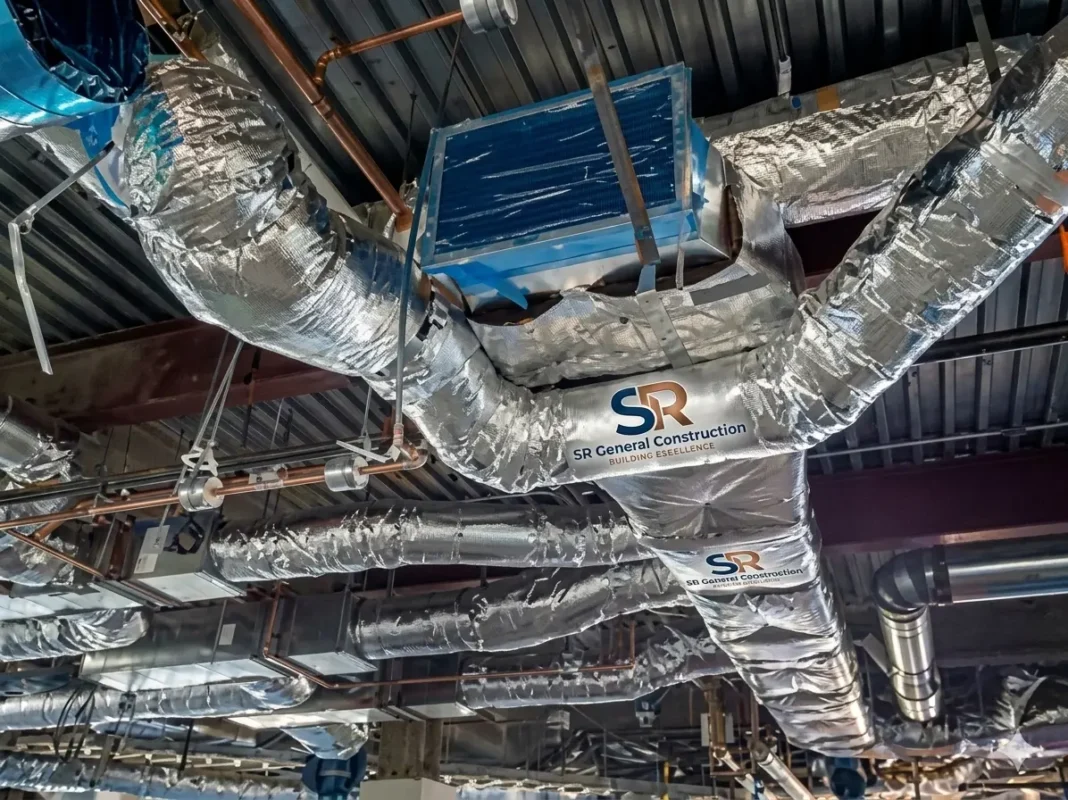
- Reduced Loads and Smaller Systems: When your home is well insulated and sealed, heat and cold stay where they belong. That means your furnace or air conditioner doesn’t have to work as hard, allowing you to downsize to efficient systems like mini‑splits or heat pumps. These smaller units run quietly and consistently, saving energy while keeping your rooms comfortable.
- Balanced Ventilation and Humidity Control: Sealing up a house traps not only heat but also moisture and pollutants. Fresh air systems like energy recovery ventilators (ERVs) or heat recovery ventilators (HRVs) exchange stale indoor air for tempered outdoor air. They maintain healthy humidity and prevent mold without losing heat or cool air.
- Regular Maintenance Keeps Everything in Sync: Check HVAC filters monthly and replace them as needed to maintain steady airflow. Inspect ducts and vents for leaks or blockages, and make sure insulation hasn’t been disturbed by pests or renovations. Keeping equipment and insulation in good shape ensures your energy savings last for years.
How to Detect Insulation Problems
Insulation issues aren’t always obvious until you start paying attention. Watch for these telltale signs that your home needs attention.
- High Energy Bills and Drafts: If your heating or cooling costs keep climbing while your house still feels drafty, poor insulation may be to blame. Cold spots near windows or along floors often indicate gaps in the thermal envelope. Sealing and insulating these areas can lead to noticeable savings.
- Uneven Room Temperatures: One room stays cozy while another is always cold? This inconsistency often means insulation is missing or uneven in walls, ceilings, or floors. Upgrading to consistent coverage balances your home’s climate and makes every room more livable.
- Ice Dams or Condensation: Icicles hanging off your roof in winter or moisture forming on interior walls hint at insulation or ventilation problems. Ice dams form when heat escapes through the roof, melting snow that then refreezes at the eaves. Condensation inside walls can lead to mold growth if left unchecked.
- Noise from Outside or Between Units: If you hear street traffic or your neighbors’ conversations too clearly, your walls may lack sufficient insulation. Adding dense materials, such as mineral wool, can both dampen noise and improve thermal performance.
- Visible Wear and Pest Damage: Insulation that looks compressed, damp, moldy, or chewed up by rodents isn’t doing its job. Visually inspect attics and basements each season and replace damaged sections promptly. Keeping pests out and moisture under control protects your investment.
Local Code and Requirements for Home Insulation
- Climate Zone and R‑Values: Brooklyn falls into climate zone 4A, which means the New York City Energy Conservation Code requires minimum R‑values such as R‑49 to R‑60 in attics and R‑13 to R‑21 in walls. Always check the latest code before choosing materials.
- Permits and Landmark Considerations: Exterior insulation changes often need permits, especially in landmarked districts. If you own a brownstone in a historic area, you may need Landmarks Preservation Commission approval to add exterior cladding or change windows.
- Continuous Air Barrier and Thermal Bridging: The code emphasizes continuous air barriers and the reduction of thermal bridges. Insulation must be installed without gaps and paired with air sealing to meet performance requirements.
- Moisture and Vapor Control: Proper vapor barriers and drainage planes are required where insulation could trap moisture. Use materials that allow brick or masonry walls to breathe, preventing water buildup and structural damage.
- Professional Installation and Testing: Some code compliance measures require third‑party testing, such as blower door tests to verify air tightness. Hiring licensed professionals familiar with NYC building codes ensures your project passes inspection and performs as expected.
Sustainable & Low‑Carbon Insulation Solutions
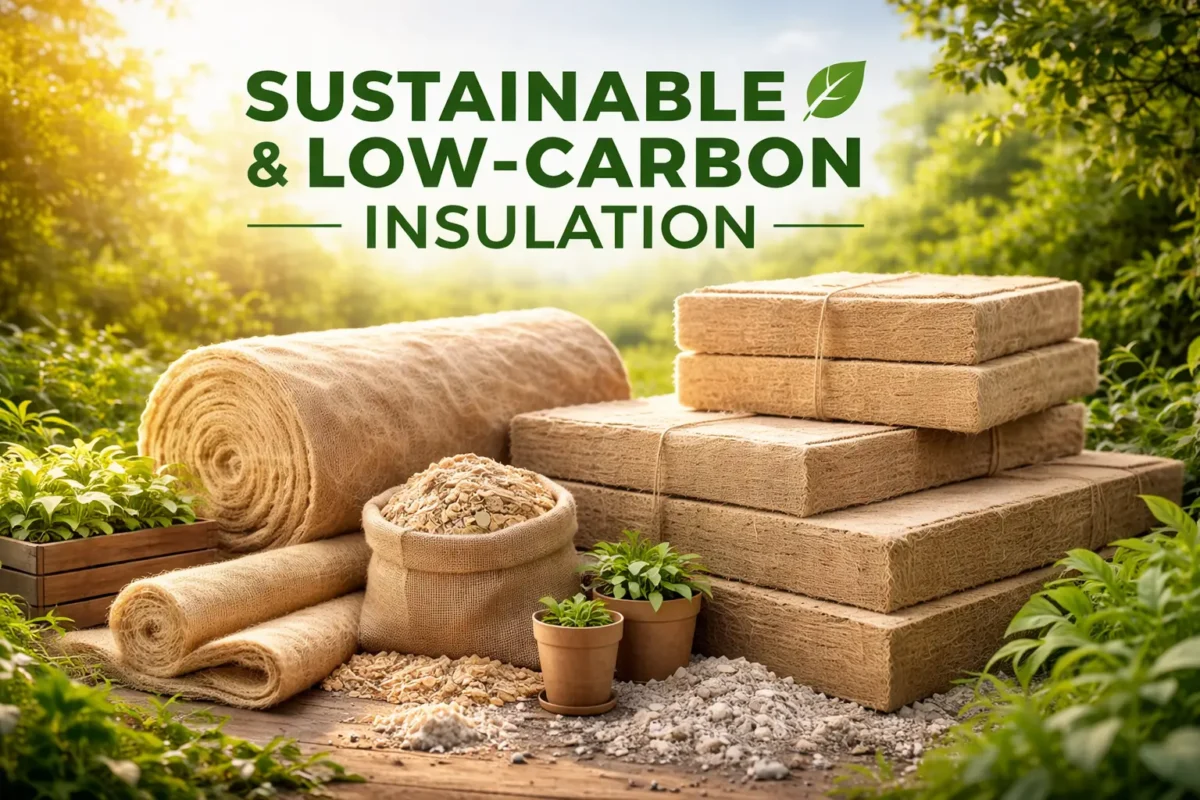
These days, more homeowners want to insulate without harming the environment. Fortunately, there are eco‑friendly materials that keep your home cozy while reducing your carbon footprint.
- Recycled Cellulose: Cellulose insulation is made from recycled newspaper or cardboard treated with fire‑retardant salts. It keeps waste out of landfills and uses less energy to produce than synthetic foams. Because it’s dense and fluffy, it fills odd spaces and dampens noise, all while offering solid thermal performance.
- Hemp Insulation: Hemp fibers are naturally resistant to mold and pests, and they grow quickly with little water or pesticides. Panels or batts made from hemp provide good insulation and can absorb and release moisture, helping regulate humidity. They’re also biodegradable at the end of life, making them a truly renewable option.
- Sheep’s Wool: Wool naturally resists fire and pests without chemical treatments, and it can absorb moisture without losing insulation value. It’s often sold as batts or loose fill and is easy for DIYers to handle. Although pricier than fiberglass, many owners like the sustainability and indoor air quality benefits.
- Reclaimed Rigid Boards: Salvaged polyiso or foam boards from deconstructed buildings deliver high R‑values without manufacturing new products. They’re ideal under floors or over walls, and reusing them keeps useful materials out of the trash. Buyers need to check boards for integrity and ensure proper sealing at seams.
- Low‑Emission Spray Foam Alternatives: Some spray foams use plant‑based oils and water‑blown agents instead of petroleum and high‑GWP gases. These newer formulations expand just like traditional foams to seal leaks and insulate tight cavities. They cost more upfront but reduce embodied carbon and greenhouse gas emissions over their life.
High Performance Windows
- Big Jump in Insulation: Triple‑pane windows have an R‑value of about 11, while older single or double-pane windows are closer to R‑3. That means the newer windows resist heat loss nearly four times better than the originals. With fewer drafts and less condensation, rooms feel more comfortable year‑round.
- Energy Savings and Comfort: Because triple‑pane glass reduces heat transfer, your heating and cooling systems run less often. That lowers utility bills and keeps indoor temperatures more stable on cold winter nights or hot summer afternoons. The extra glass layers also dampen street noise, making city living quieter.
- Long‑Term Investment: High‑performance windows cost more upfront than basic replacements, but they add value and save money over time. Better frames and airtight seals mean fewer maintenance issues and less wear on HVAC equipment. Many homeowners find that the comfort and energy savings quickly justify the price difference.
Heat Recovery Ventilation
When you seal up a home to improve insulation, fresh air can’t sneak in through cracks the way it used to. A heat recovery ventilation (HRV) system solves this by bringing in outdoor air and exhausting stale indoor air without wasting energy. The incoming and outgoing air streams pass through a heat exchanger that transfers heat (or coolness) between them. This keeps indoor temperatures steady while still providing the oxygen your family needs. Because humidity and pollutants are controlled, the air feels fresher and healthier even in a tightly sealed house.
Is spray foam or cellulose insulation safe for old masonry walls?
Old brick and stone walls need careful attention so insulation doesn’t trap moisture and cause damage. Closed‑cell spray foam can act as a vapor barrier and air seal, but it’s rigid and can make walls too airtight, potentially leading to condensation inside the brick if not combined with proper ventilation. Open‑cell foam is less dense and allows some vapor to pass through, but it may absorb moisture in humid conditions. Dense‑pack cellulose absorbs and releases moisture naturally, which can be safer in masonry cavities as long as a vapor‑permeable membrane is used. Always consult a professional experienced with historic structures; they can analyze your wall assembly and recommend the safest approach for your specific brownstone or row house.
Where to Find the Best Brooklyn Contractors
Are you looking for an expert contractor in Brooklyn, NYC? SR General Construction has you covered! Our business is located at 8807 Avenue B, Brooklyn, NY 11236, United States, in the Canarsie area.
Additionally, we offer services at Rockaway Parkway and Ralph Avenue, providing fast access to Flatlands, East Flatbush, Bergen Beach, Brownsville, and the Spring Creek section of East New York.
FAQ
1. What is the best insulation for a Brooklyn brownstone?
Dense-pack cellulose and mineral wool are usually the best choices because they fit into existing wall cavities and allow moisture to escape safely.
2. How much insulation does a Brooklyn attic need?
Most Brooklyn homes need around R-49 to R-60 in the attic for strong comfort and energy savings.
3. Is it safe to insulate old brick or stone walls from the inside?
Yes, but only with vapor-open materials and proper moisture management to prevent masonry damage.
4. Can insulation cause moisture problems in old homes?
It can if the wrong materials block the wall’s ability to dry. Breathable insulation and good air sealing prevent this.
5. Can I insulate my brownstone as a DIY project?
You can do minor air sealing, but wall and attic insulation in historic homes is best handled by a professional.