
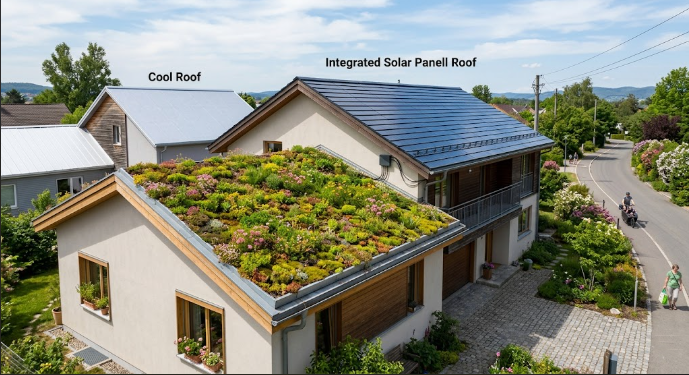
Have you ever thought about how much your roof actually affects your home’s comfort, energy bills, and even the planet?
Most Brooklyn homeowners see their roof as simple protection from rain or snow, but the truth is, it plays a much bigger role. With today’s eco-friendly roofing options, your roof can help you cut energy costs, boost property value, and support a greener Brooklyn.
Before we dive into the different eco-friendly roofing options, let’s first look at what makes a roof truly sustainable and why these factors are becoming increasingly important for homes across Brooklyn. You’ll discover the most popular eco-friendly roofing materials, how they perform in local weather, and which one fits your home best. Plus, we’ll cover local incentives, rebates, and expert advice to help you make the right decision without the guesswork.
Quick Comparison
| Roofing Type | Cost (Installed) | Lifespan | Energy Efficiency | Structural Requirements | Maintenance Level |
| Cool Roofs | ~$5–$20 / sq ft | ~20-50+ years | High (reflects sunlight, reduces heat gain) | Moderate (most roofs can handle) | Low-moderate |
| Wood Shingles | ~$6–$11 / sq ft | ~30-50 years | Moderate (natural insulation) | Moderate (weight typical) | Moderate (sealants, inspections) |
| Metal Roofing | ~$10–$25 / sq ft | ~40-70 years | Very High (reflective, recyclable) | Lower weight advantage | Low |
| Clay Tiles | ~$10–$20 / sq ft | ~50-100 years | High (thermal mass & ventilation) | High (heavy weight, deck must support) | Low |
| Solar Roofing | ~$15–$35 / sq ft (or ~$2.50-3.00/ W for panels) | ~25-30 years | Very High (produces electricity + reduces bills) | Variable (sun exposure, inverter/structure) | Low-moderate |
What is an Eco-Friendly Roof?
An eco-friendly roof uses sustainable, recycled materials and smart design to minimise environmental impact. Such a roof typically features enhanced insulation and reflective surfaces to keep a home cooler in summer and warmer in winter, thereby reducing energy use. Some eco-roof designs even add solar panels or rooftop gardens, letting you generate clean energy or naturally absorb rainwater, further lowering emissions. In short, an eco-friendly roof is a long-lasting, high-performance system that protects your home while being kind to the planet.
Key Benefits of Eco-Friendly Roofing for Brooklyn Homes
Brooklyn homeowners stand to gain a lot from an eco-friendly roof. These sustainable roofs can lower your energy bills and reduce stormwater runoff in our city’s rainy climate, and they mesh well with NYC’s green building mandates. Here are five key benefits to consider:
- Lower Energy Bills: Eco-roofs (like cool or green roofs) keep your home’s attic cooler and better insulated, so your AC and heating don’t have to work as hard. You’ll notice cooler upstairs rooms in summer and less heating needed in winter. Over time, those energy savings can really add up on your utility bills.
- Stormwater Management: Green roofs or permeable roof systems soak up rainwater, meaning less runoff hits Brooklyn’s streets and sewers. This can help prevent basement flooding after heavy rains and ease stress on the local stormwater system. By capturing rain on your roof, you also reduce flooding and water pollution in nearby parks and waterways.
- Longer Roof Life: Many eco-friendly materials (metal, tile, and quality wood) last far longer than standard asphalt roofing. For example, metal and clay roofs typically endure 40–50+ years, so you won’t need replacements or major repairs as often. A more durable roof means lower repair costs over time and greater value for your investment.
- Environmental Impact: An eco-roof reduces your carbon footprint. Green roofs add vegetation that improves air quality and help combat Brooklyn’s urban heat island, while cool/reflective roofs lower local temperatures. Using recycled roofing materials and generating renewable energy (via solar panels) also reduces greenhouse gas emissions, helping NYC meet its climate goals.
- Increased Comfort & Value: You’ll enjoy a more comfortable home year-round. Better insulation and reflective designs keep things more even-temperature, so your home feels cosy in winter and not stifling in summer. Plus, green upgrades often boost kerb appeal – future buyers love seeing solar, gardens, or eco-roofs, which can raise your property’s value.
Types of Eco-Friendly Roofing Options for Brooklyn Homes
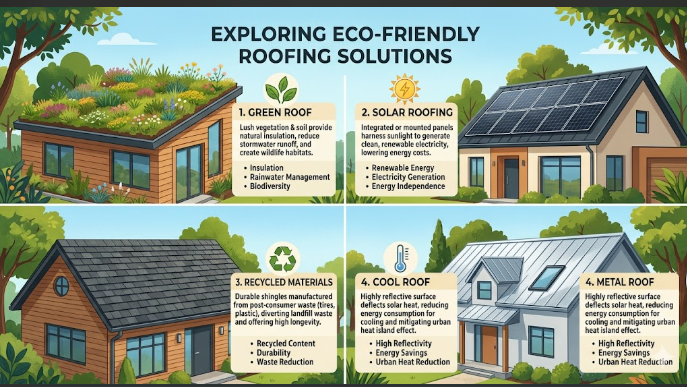
Brooklyn homeowners have many eco-friendly roof types to consider. Common options include cool roofs (high-reflectance surfaces), wood shingles (natural timber), metal roofing, and clay tiles. Each material offers different benefits in Brooklyn’s climate. Below, we’ll explore these four types: how they work, their features, advantages, and approximate costs.
Cool Roofs
A cool roof is any roof designed to reflect more sunlight and absorb less heat than a normal roof. In practice, this means using very light-coloured or reflective materials (such as white coatings, reflective shingles, or tiles) so the roof surface stays much cooler. On hot Brooklyn days, a cool roof can be up to 50°F cooler than a dark roof, helping your air conditioner run less and saving energy.
Features
- Light-Coloured Surface: Cool roofs use white or light-coloured materials (asphalt shingles, tiles, metal panels) to reflect sunlight.
- Reflective Coatings: They often have special reflective coatings or granules (acrylic paints, polyurethanes) that boost solar reflectance.
- Insulating Layers: Some cool roofs include extra insulation or spray foam under the surface to further block heat.
- Material Options: Cool roofs can be built in many forms – white metal roofing, cool asphalt shingles, coated clay tiles, or white single-ply membranes.
- Low Heat Gain: With these features, a cool roof can stay roughly 50°F cooler than a conventional roof on sunny days.
Benefits
- Lower Energy Bills: Because a cool roof reflects heat, your home stays cooler, and your air conditioner doesn’t need to work as hard. This means noticeable savings on summer energy bills.
- Improved Comfort: You’ll feel a big difference in indoor comfort – upstairs rooms stay significantly cooler without cranking up the AC. With a cooler attic, even the AC you do run can cool more efficiently.
- Longer Roof Life: A cool roof undergoes less thermal stress (no extreme heat and cool cycles), so it tends to last longer. There’s less UV damage and contraction, meaning fewer repairs and a longer service life.
- Environmentally Friendly: Reflecting sunlight helps reduce Brooklyn’s heat island effect and cuts power plant emissions. Lower energy use means fewer greenhouse gases, shrinking your carbon footprint.
- Incentives & Code Compliance: You may qualify for energy-efficiency tax credits or rebates for installing a cool roof. And cool roofs help meet NYC’s green building laws (Local Law 94 requires reflective or green roofs on many new/renovated buildings), making future compliance easier.
Cost: Cool roofs vary by material. Expect roughly $5–$20 per square foot installed (about $7,500–$30,000 for a 1,500 sq. ft home). Repairs (patches or recoating) might run a few hundred dollars for minor work or up to a couple thousand for major fixes.
Lifespan: Cool roofs last as long as the underlying material—typically 20–50+ years. For example, metal cool roofs often last more than 40 years, and many high-quality cool roof systems come with long warranties.
Wood Shingles
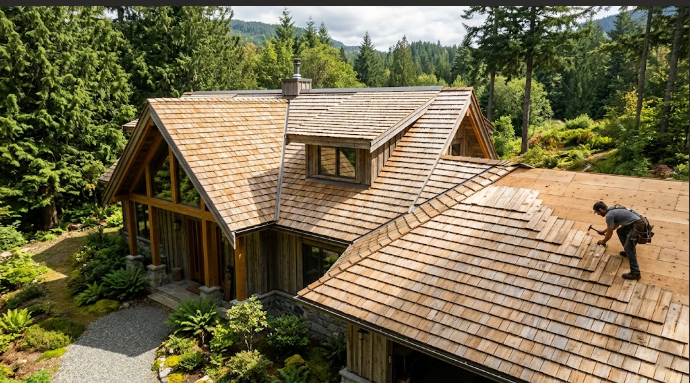
Wood shingles (often cedar shakes) give your home a classic, rustic look. Cedar and similar woods are naturally durable, and wood is a renewable, biodegradable material. Old wood shingles can often be recycled or ground into mulch, reducing waste. With proper care (treating for moisture and pests), a wood-shingle roof can last 30–50 years, providing long-term value.
Features
- Natural Appearance: Wood shingles bring a warm, timeless look to your home. They come in smooth or rough-cut styles and can be stained in various shades for a custom appearance.
- Renewable Resource: Made from forests (cedar, pine, redwood), wood shingles can be sustainably harvested (e.g., FSC certified) and are a renewable resource.
- Recyclable/Biodegradable: When they eventually wear out, wood shingles break down naturally or can be recycled into other wood products, leaving little waste.
- Good Insulator: Wood has natural insulating properties. It helps retain heat in winter and provides some cooling in summer, which can lower heating costs.
- Range of Styles: Wood shakes and shingles come in different thicknesses and patterns (straight-grain, taper-sawn, hand-split) to suit different looks and budgets.
Benefits
- Aesthetic Appeal: Your home gets a charming, high-end look that boosts kerb appeal. Many buyers are willing to pay more for a home with wood-shingle roofing because of its beauty.
- Insulating Comfort: Wood roofing helps stabilise indoor temperatures. In winter, it retains heat, and in summer, it keeps the attic cooler than dark materials, which can save a bit on energy bills.
- Eco-Friendly Material: If sourced responsibly, wood shingles are made of natural, biodegradable material. Using cedar from managed forests means you’re not depleting non-renewable resources.
- Repairability: If only a few shingles get damaged (by a branch or storm), you can replace just those pieces without redoing the entire roof, which saves money. Replacing individual wood shingles is relatively easy for a roofer.
- Durable with Care: A well-maintained wood roof can easily reach 30–50 years. Cedar contains oils that resist rot and insects, so with periodic sealant treatments, it can protect your home for decades.
Cost: Wood shingle roofs are pricey. Expect roughly $6–$11 per sq. ft installed. For a 2,000–3,000 sq. ft home, that’s on the order of $12,000–$30,000 total. Small repairs (like replacing a few shingles) may be a few hundred dollars, while larger repairs or partial replacement can cost $1,000 or more.
Lifespan: Generally 30–50 years (high-quality cedar can reach the upper end). Regular maintenance (cleaning and sealing) is needed to reach those lifespans.
Metal Roofing
Metal roofing (steel, aluminium, copper or zinc) is a very eco-friendly option. Metal roofs reflect sunlight much like cool roofs, helping keep your home cooler. They are also typically made from recycled metal and can be recycled again at the end of their life. Most metal roofs have extremely long lifespans (40–70 years) and are known for outstanding durability.
Features
- Recyclable Material: Metal roofs are often made with a high percentage of recycled material, and when replaced, the metal can be fully recycled again.
- Reflective Finish: Many metal panels have special reflective coatings (painted or galvanised finishes) that bounce sun rays away, boosting energy efficiency similar to a cool roof.
- Fire & Pest Resistant: Metal is non-combustible, giving you top fire protection. It won’t rot, crack, or get eaten by insects, so it withstands harsh weather without damage.
- Lightweight & Strong: Metal panels are much lighter than tile or slate, so they put less stress on the building. Despite being light, they’re very strong against wind and impact.
- Versatile Styles: Metal roofing comes in many profiles and colours (standing seam, metal shingles, etc.), so you can match nearly any home aesthetic without sacrificing eco-benefits.
Benefits
- Extremely Durable: Metal roofs often have warranties of 30–50 years because they really last. They resist cracks, warping, and deterioration, so you avoid frequent replacements. Over time, you save on repair costs.
- Energy Efficient: Like cool roofs, metal reflects sunlight. In the summer, a metal roof can keep your attic much cooler, which cuts air-conditioning use and lowers your electric bill.
- Fire Safety: Metal won’t catch fire, giving you peace of mind and possibly lower home insurance costs. It’s ideal for urban areas with strict fire codes.
- Low Maintenance: Metal requires little upkeep. You’ll rarely need to clean it (just rinsing off dirt), and it won’t rot or deteriorate. This means you spend less on maintenance over time.
- Modern Aesthetics: Today’s metal roofs come in sleek designs and many colours. You can get a contemporary look or even metal panels that mimic traditional shingles or tiles – so your home looks great while staying green.
Cost: Metal roofing is high-end. Expect about $10–$25 per sq. ft installed (around $17,000–$42,000 for a 1,700 sq. ft house). Minor repairs (patching a seam or replacing a panel) might cost a few hundred dollars, while larger work (like fixing flashing or a section) can be $1,000–$1,700.
Lifespan: 40–70 years in Brooklyn’s climate. Many metal roofs easily hit 50+ years, with warranties reflecting that longevity.
Clay Tiles
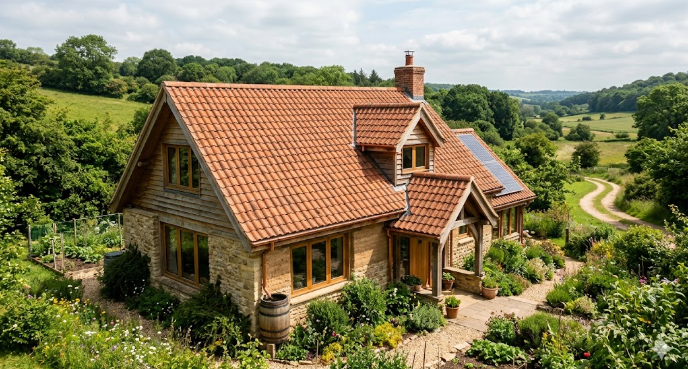
Clay tile roofs (terracotta or ceramic) are a durable, traditional eco-option. They come in beautiful shapes and colours for a Mediterranean look, and their design allows air to circulate under the tiles rather than trapping heat. This natural ventilation keeps your home cooler in summer without extra energy.
Features
- Variety of Styles: Clay tiles come in many colours and profiles (barrel, flat, scalloped, etc.). You can match a classic Spanish or contemporary look to your home.
- Natural Ventilation: The way clay tiles interlock allows hot air to escape from beneath the roof, keeping your attic and home naturally cooler. This reduces the need for air conditioning.
- Thermal Mass: Clay absorbs heat slowly, smoothing out temperature swings. During a hot day, it won’t transfer as much heat inside, so afternoons stay a bit cooler.
- Durable & Low-Maintenance: Clay resists fire, mould, and pests. It’s heavy and strong – after installation, it needs virtually no maintenance. If one tile breaks, it’s easy to swap out just that tile.
- Long-Lasting: Many clay tile roofs last 50–100 years. This incredibly long lifespan means you’ll likely never need to replace the roof in your lifetime, making it an investment that pays off over decades.
Benefits
- Longevity: Clay tiles are among the longest-lasting roofing materials. You’ll see some roofs aged 50–100 years and still going strong. This saves money on replacements.
- Energy Savings: Thanks to natural ventilation and the thermal mass of clay tiles, clay-tiled homes stay cooler in summer. Many homeowners notice lower cooling costs because less heat reaches the attic.
- Quiet Comfort: The thickness and density of clay tiles effectively dampen outside noise (rain, traffic). They also provide good insulation in winter, keeping your heating in.
- Aesthetics: A clay tile roof gives a distinctive, upscale look that greatly enhances kerb appeal. Think warm Spanish or Italian style; it can significantly increase your home’s resale value.
- Fire- and Pest-Proof: Clay is non-combustible and unattractive to pests, adding safety. In dense city areas, a fireproof roof is a big plus, and you don’t have to worry about termites or rot.
Cost: Clay tiles are expensive to install. You can expect about $10–$20 per sq. ft (roughly $25,000–$50,000 for a ~2,000 sq. ft roof). Repair costs vary: replacing a few broken tiles might only be a few hundred dollars, but major restoration (replacing many tiles or adding support) can run over $1,000.
Lifespan: 50–100 years. A good clay tile roof installed today is likely to last well beyond your ownership of the house.
Slate Tiles
Slate is a natural stone roofing tile prized for its extreme durability. You’ll find that it resists water, fire, and even insects, so slate roofs won’t rot or burn easily. A well-maintained slate roof can last 75–150 years (or more), meaning you likely won’t need to replace it in your lifetime – this longevity makes slate a very eco-friendly choice.
Features:
- Natural stone material (100% inorganic slate).
- Water- and fire-resistant (won’t rot or ignite).
- Extremely long lifespan (75–150+ years).
- Insect-proof and durable in harsh weather.
- Recyclable/low carbon footprint (minimal processing).
Benefits:
- Longevity: You likely never replace it – slate outlives most other roofs by decades.
- Low maintenance: Its durability means fewer repairs and no painting or sealing.
- Aesthetics and value: Slate adds classic beauty and can boost kerb appeal (available in greys, greens, reds, etc.).
- Energy & fire safety: It provides natural insulation and is fire-resistant, giving you extra peace of mind.
- Eco-friendly: Because it’s natural and durable, slate has a tiny carbon footprint (no chemicals or waste when produced).
Cost Range: Slate is one of the priciest options. Expect roughly $1,000–$3,000 per roofing square (100 sq ft) – about $15,000–$45,000 for a 1,500 sq ft roof. Repairing slate is also costly: minor fixes often run $300–$1,500 (averaging around $900), and a major repair can reach up to $4,000.
Lifespan: About 75–150+ years, making it possibly the longest-lived roofing material available.
Solar Roofing
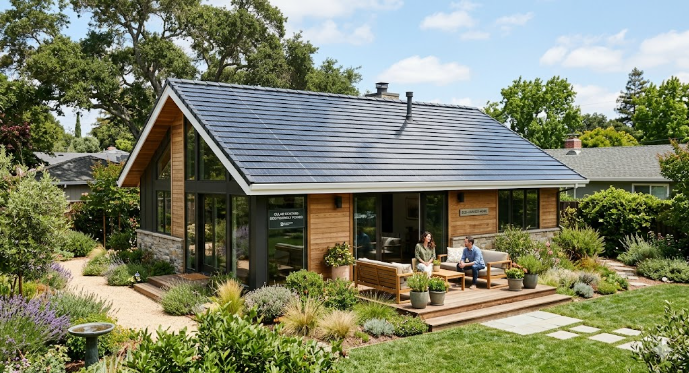
Solar roofing integrates photovoltaic (PV) technology into your roof to generate electricity. In practice, this can be solar panels mounted on your roof or special solar roof shingles/tiles that look like regular roofing. These solar-equipped roofs capture sunlight and convert it into power, reducing or even eliminating your electricity bills. The systems blend in with your home (solar shingles look like normal tiles) but double as clean energy generators.
Features:
- Contains solar PV cells (panels or integrated shingles) that turn sunlight into electricity.
- Includes an inverter (to convert DC to AC) and optional battery storage for extra power at night.
- Sleek, integrated design (solar shingles mimic regular roofing).
- Low maintenance: panels are generally self-cleaning with rain.
- Typical system lifespan is ~25–30 years (cells and roof warranted for decades).
Benefits:
- Lower energy bills: You produce your own power, cutting or eliminating monthly electric costs.
- Green energy: Solar is clean and carbon-free, shrinking your home’s carbon footprint.
- Incentives: Generous tax credits and rebates (federal, state, and local) can cover much of the cost.
- Property value: Homes with solar often sell for more – buyers see it as a modern, efficient feature.
- Energy independence: You’re less at the mercy of power outages (especially with a battery backup) and rising utility rates.
Cost Range: Solar roofing is also a big upfront investment. Standard rooftop solar (panels) runs about $2.50–$3.00 per watt – roughly $30,000 for a ~12 kW system before incentives. Solar shingles cost about $15–$35 per square foot (approximately $25,000–$60,000 for an average 1,700 sq ft roof). Repairs depend on the issue: replacing a damaged panel or shingle is usually $120–$500 each (major fixes like inverters can cost up to a few thousand).
Lifespan: PV cells and solar shingles typically last 25–30 years, after which performance usually degrades. With minimal upkeep (simple cleaning/inspection), you’ll get decades of use.
How to Choose the Right Eco-Friendly Roofing Option for Brooklyn Homes
Choosing the best eco-roof for your Brooklyn home means matching the roof to your needs and property. Think about what matters most: your budget, how your home is built, your energy goals, and local rules. Here are some key factors to weigh:
- Sunlight & Orientation: Is your roof south-facing or shaded by neighbours? Solar roofs work best with plenty of sun. If you get strong sun on your roof, solar roofing (panels or shingles) can be very effective.
- Roof Structure & Permits: Can your house support the roof you want? Heavy materials, such as slate or green roof soil, require a strong frame. Always check local building codes and obtain the necessary permits. NYC regulators require approval for new roof types, and some (clay and slate) require extra support.
- Budget & Incentives: How much can you spend now versus over time? Some options (like solar) cost more up front but often pay back quickly through energy savings and incentives. Brooklyn and New York offer big rebates and tax breaks for solar and other green roofs. Factor these in when comparing costs.
- Lifespan & Maintenance: Think about how long you’ll live in the home. If you plan to stay many years, a high-durability roof (slate, metal, cool roof, or solar) might make more sense. These usually need little upkeep. Low-maintenance roofs save you time and waste (for example, slate or metal rarely need repair).
- Aesthetic & Climate Fit: Consider your home’s style and Brooklyn’s climate. Some historic Brooklyn neighborhoods might favour the classic look of slate or tile, while others may allow a modern solar array. Also, New York’s hot summers and cold winters matter – reflective “cool roofs” or light-coloured shingles can cut cooling costs in summer, and sturdy materials help handle winter weather.
Which One Is the Best Eco-Friendly Roofing Option for Brooklyn, NYC?
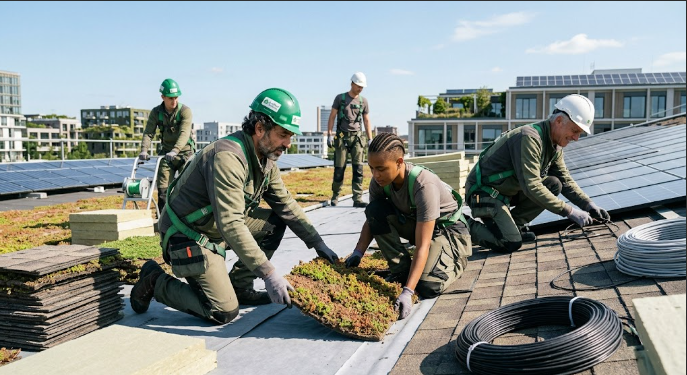
There’s no one-size-fits-all answer – the “best” option depends on your situation. However, many Brooklyn homeowners find solar roofing especially appealing. With New York’s generous solar incentives (like a 30% NYC property tax break) and high electricity prices, solar roofs often pay off fast and slash bills. Solar shingles or panels generate clean power year-round in NYC and require little maintenance, making them a top eco choice.
Local Incentives and Rebates for Eco-Friendly Roofing in Brooklyn
New York offers many incentives to make green roofs more affordable:
- Federal Solar Tax Credit (ITC): Covers 30% of solar installation costs on your federal taxes (currently through 2032).
- New York State Solar Credit: A state income tax credit for solar systems (25% of cost, up to $5,000).
- NYSERDA NY-Sun Rebate: A cash rebate (about $0.20 per watt for NYC projects) that reduces your solar system’s upfront price.
- NYC Solar Property Tax Abatement: Offers a property tax break equal to 30% of your solar installation cost, spread over four years.
- NYC Green Roof Tax Abatement: For buildings with rooftop gardens/green roofs, NYC grants $10 per square foot of green roof (capped at $200,000) off your property tax.
- NYC CoolRoofs Program: Provides free or discounted reflective roof coatings to qualifying buildings (especially non-profits, schools, and affordable housing) to reduce cooling costs.
- Net Metering: In NYC, any excess solar energy you produce is credited to your electric bill via net metering (thankfully available for Brooklyn homes), effectively increasing your savings.
Where to Find the Best Brooklyn Roofing Contractors
Are you looking for an expert roofing contractor in Brooklyn, NYC? SR General Construction has you covered! Our business is located at 8807 Avenue B, Brooklyn, NY 11236, United States, in the Canarsie area.
We proudly serve all areas of Brooklyn with high-quality, durable roofing solutions. From new installations to repairs and maintenance, we provide the best service at affordable prices. Contact us and experience why we’re Brooklyn’s roofing experts!
FAQ
1. What makes a roof “eco-friendly”?
An eco-friendly roof uses recycled or natural materials, reflects heat, or integrates clean-energy systems (like solar) to reduce energy use and waste.
2. Does my roof need special structural support for eco materials like slate or green roofs?
Yes — heavy materials like slate, clay tile, or a vegetated green roof require strong structural support, so you should have an engineer evaluate your roof framing.
3. Are green roofs practical for a Brooklyn home?
They can be, especially on flat or low-slope roofs common in Brooklyn, but you must consider extra weight, waterproofing, and maintenance.
If your home has structural limits, other eco options (cool roof, metal, solar) might be more practical.
4. Does New York City have building code or incentive requirements for eco-roofs?
Yes—for example, NYC’s Local Law 92/94 often mandates a “sustainable roofing zone” (green or solar) on new buildings or when a full roof deck is replaced.
Incentives (tax abatements, solar credits) also make eco-roofs financially more accessible.
5. How long do eco-friendly roofs typically last?
Many eco-friendly roofs last significantly longer than standard asphalt shingles: metal, slate, and tile roofs can last 40- 100+ years.