

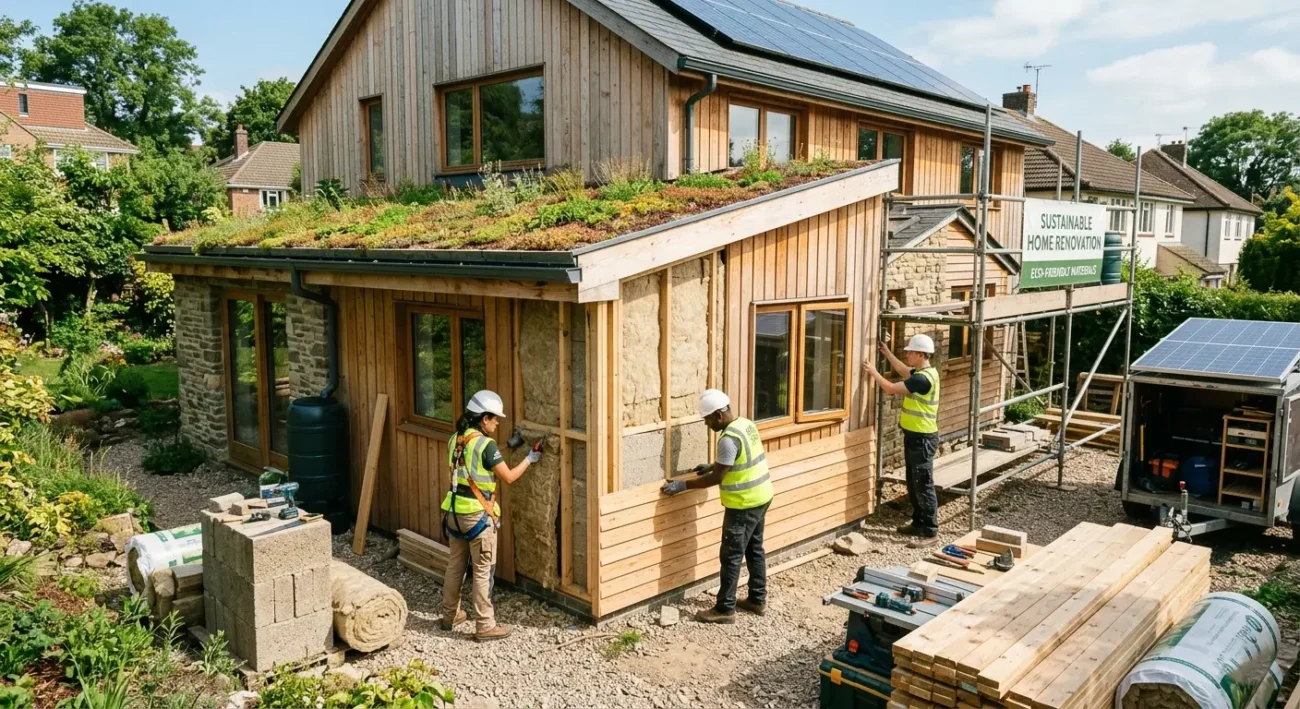
Have you ever wondered how much more comfortable, healthy, and energy-efficient your Brooklyn home could be with the right upgrades?
Many homeowners love the charm of Brooklyn’s brownstones and row houses, but they also know the struggle: high utility bills, drafty windows, outdated heating systems, and rooms that never seem to stay warm or cool for long. Eco-friendly renovations are changing that.
In this complete guide, we’ll walk you through the best ways to make your home more sustainable without losing its character. You’ll learn how simple improvements; like better insulation, efficient windows, heat pumps, low-VOC materials, and smart technology; can transform your living space.
Why Eco-Friendly Renovations Matter in Brooklyn
In Brooklyn, most of the climate impact doesn’t come from cars; it comes from buildings like yours, which make up the bulk of New York City’s greenhouse gas emissions. Old brownstones, pre‑war walk‑ups, and condo buildings often waste energy through thin insulation, leaky windows, and aging heating systems. An Eco-friendly renovation helps cut wasted energy, so your home uses less fossil fuels and your bills go down. At the same time, better materials and improved ventilation can make your rooms quieter, cleaner, and more comfortable year-round. In a city already facing hotter summers and heavier rain, upgrading homes this way is a practical way to protect both your comfort and the Brooklyn neighbourhood you love.
Renewable Energy for Brownstones & Condos
Renewable energy is power from natural sources that replenish themselves, like sunlight, wind, and moving water, rather than gas or oil. For Brooklyn homes, the most common renewable option is solar electricity, either on your own roof or through a shared community solar project. When you pair solar with an efficient building, you can cover a big share of your energy use with clean power and shrink your carbon footprint.
Solar panel canopies and community solar programs
Many Brooklyn roofs are small, shaded, or crowded with chimneys and equipment, so standard solar racks do not always work well. Solar canopy systems, including designs built specifically for flat‑roofed brownstones, lift panels on a frame and set them back from the street so they can meet Landmarks rules while still getting good sun.
If your roof cannot host panels at all, you can still join a community solar project that lets you buy a share of a larger off‑site system and get credits on your Con Edison bill each month. These programs are open to many New Yorkers, including renters and condo owners, not just single‑family brownstones. In practice, that means you can support local clean energy and lower your bill even if your own building is complicated or landmarked.
Green roofs & rooftop gardens: combining energy and biodiversity
Green roofs and rooftop gardens cover part of your roof with soil and plants, rather than bare black roofing. That living layer helps insulate your home, cools the roof surface, and can reduce the heat buildup on hot Brooklyn summer days. Green roofs also soak up stormwater, which takes pressure off the city’s drains during heavy rain and can reduce flooding on your block. Because they create small patches of habitat, they support birds, butterflies, and pollinators, adding pockets of biodiversity to a dense neighborhood. When you combine these benefits with solar panels or a roof deck, your roof can work as both an energy system and a small urban garden for you and your neighbors.
What are the Benefits of Eco-Friendly Renovation
Eco-friendly renovation is not just about being “green” on paper; it changes how your Brooklyn home feels and performs every day. Here are some of the biggest benefits you can expect when you upgrade with sustainability in mind.
- Lower energy and water bills: Better insulation, efficient windows, LED lighting, and smart appliances mean your home uses less energy to do the same work. Over time, those lower Con Edison bills help pay back the upfront cost of the renovation.
- More comfort in every season: Air sealing and insulation cut drafts and cold spots, so rooms stay warmer in winter and cooler in summer. You feel the difference in quieter rooms, steadier temperatures, and less need to run the AC or space heaters.
- Healthier indoor air: Low‑VOC paints, non‑toxic materials, and good ventilation reduce indoor pollutants and moisture problems that can trigger asthma or allergies. That’s especially important in older Brooklyn buildings that may still have old finishes, dust, or hidden mold.
- Higher property value and market appeal: Buyers increasingly seek efficient homes with lower running costs, modern systems, and green features such as solar or green roofs. Your upgrades can set your listing apart in a crowded Brooklyn market and help you achieve a higher sale price or rent.
- Future‑proofing against new rules and climate change: New York is tightening building energy and carbon limits over time, so improving efficiency now helps you stay ahead of Local Law 97 and state electrification policies. At the same time, a tighter, more resilient home is better prepared for hotter summers, cold snaps, and rising energy prices.
What are the Tips for Eco-Friendly Renovation
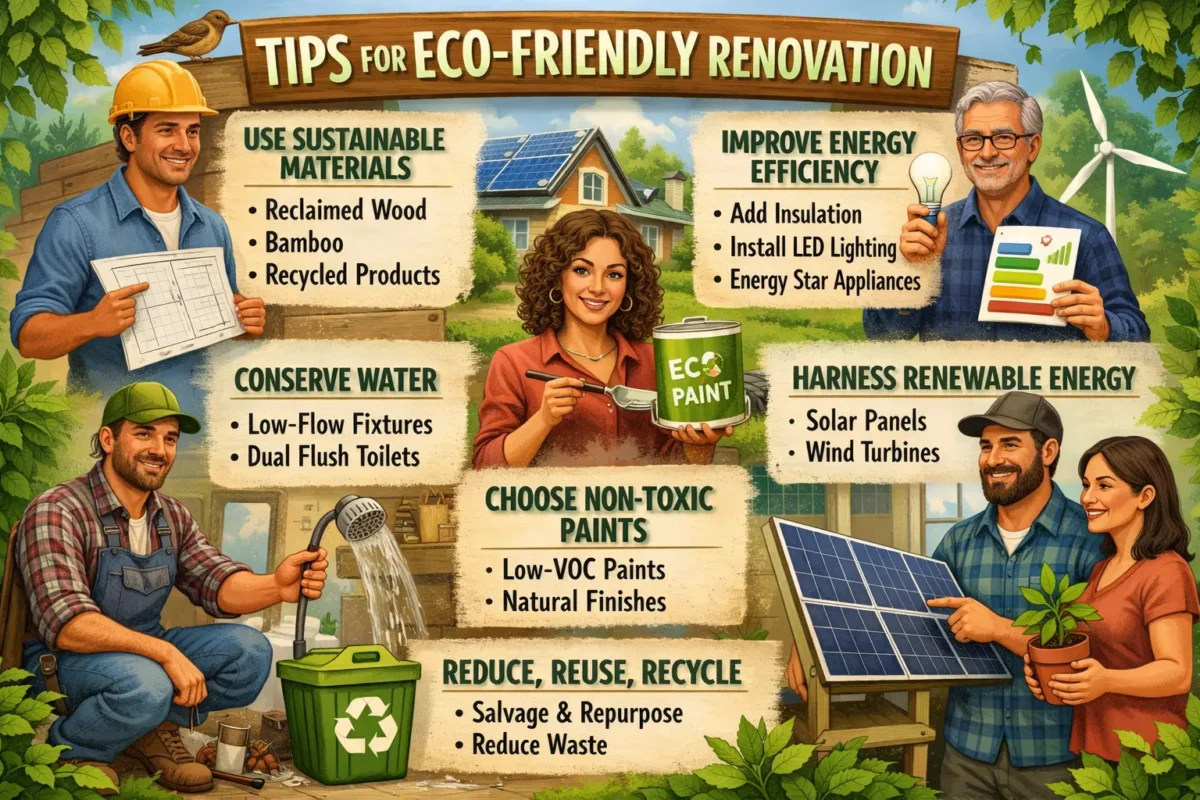
If you want your renovation to be truly Eco-friendly, how you plan the project matters as much as the products you choose. These tips will help you make smart choices and avoid common mistakes in Brooklyn homes.
- Start with an energy audit: Before you pick finishes, get an energy assessment to see where your home is leaking heat, air, and money. An audit or blower‑door test shows you the biggest problem areas, like drafty windows or uninsulated walls. This gives you a clear priority list so you invest where the impact will be highest.
- Prioritize the building envelope: Spend your first dollars on insulation, air sealing, and high‑efficiency windows and doors, rather than only on visible upgrades like cabinets. If the envelope is weak, even the best HVAC system or appliances will have to work harder and waste energy. Once the shell is tight and well insulated, every other eco upgrade works better.
- Choose contractors with green experience: Look for architects and contractors with real experience with Passive House principles, green materials, and NYC’s energy and landmark rules. They’ll know how to detail air barriers, handle tricky roof or cornice conditions, and manage approvals. Ask to see past projects in Brooklyn, and make sure they can explain why certain choices are more sustainable, not just more expensive.
- Plan around NYC codes, boards, and landmarks: If you live in a condo, co‑op, or landmark district, build extra time into your schedule for board approvals, DOB permits, and Landmarks reviews. Windows, solar panels, and exterior work often need special sign‑offs, especially on historic facades. A clear set of drawings and early conversations with your board or architect can prevent delays later.
- Start with quick, low‑disruption wins: Simple swaps like LED bulbs, smart thermostats, low‑flow showerheads, and weather‑stripping can cut energy and water use even before major work begins. These changes cost less, install fast, and show you savings right away. They also build momentum and give you real‑world data for the bigger renovation decisions.
- Think long‑term when choosing materials and systems: Favor durable, repairable materials and efficient systems that will last, instead of short‑lived trends or the cheapest option up front. Ask about life‑cycle cost, warranties, and how easy it is to maintain or recycle products at the end of their life. This mindset keeps more money in your pocket over the years and reduces waste from constant replacement.
Choosing High‑Efficiency Windows & Doors
Windows and doors are where Brooklyn homes often lose the most heat and gain the most street noise. Choosing high‑efficiency options here will make a big difference to how your space feels and how much you pay for energy.
- Look for energy ratings, not just style: Check for ENERGY STAR labels and look at the U‑factor and Solar Heat Gain Coefficient (SHGC) to see how well a window keeps heat in or out. In our climate, you usually want a low U‑factor for insulation and a balanced SHGC so winter sun can help warm your rooms without overheating them in summer.
- Consider double or triple glazing with Low‑E coatings: Double‑glazed windows are a big upgrade from old single‑pane units, and triple‑glazed windows go even further for near Passive House performance. Low‑E coatings on the glass reflect heat back toward the interior in winter and cut glare and heat gain in summer.
- Pay attention to frames and installation: A high‑performance window will still leak if the frame is poor or the installer skips proper air sealing and flashing. Make sure your contractor insulates around the frame, seals gaps, and ties the window into the wall’s air and water barriers.
- Match materials to your building and maintenance style: Fiberglass, wood‑clad, or high‑quality vinyl frames can all perform well when properly detailed and maintained. In historic brownstones, you can often use wood or wood‑clad windows that match original profiles while still delivering modern efficiency.
- Upgrade exterior doors as part of the envelope: Old, hollow, or warped doors leak air around the edges, so consider insulated, solid‑core doors with quality weather‑stripping. A well‑sealed front door and basement bulkhead can stop drafts at their source and improve security and comfort at the same time.
Sustainable Insulation & Air Sealing
When we talk about sustainable insulation, we mean materials that keep heat where you want it while also having a lower impact on the planet. In Brooklyn homes, you’ll often see blown‑in cellulose made from recycled paper, recycled‑denim batts, or mineral wool, all of which offer strong R‑values without the high global‑warming impact of some foam products. These materials can fill wall cavities, roof slopes, and floor frames, reducing heat loss through your building’s shell.
Air sealing is just as important as insulation because even a well‑insulated wall leaks energy if outside air can slip through gaps and cracks. For a Brooklyn brownstone, that might mean sealing joints around window and door frames, at the top and bottom of walls, and where pipes and wires pass through floors and ceilings. On larger projects, contractors may use blower-door tests to identify hidden leaks and then seal them with gaskets, tapes, and caulks designed for building envelopes.
Smart Home Technology & Energy Management
Smart home tech is basically your silent helper, trimming waste in the background while you live your life. When you link it to heating, cooling, and lighting, it can cut a surprising amount of energy use without you doing much day-to-day.
- Smart thermostats that learn your routine: A smart thermostat can learn when you’re home, when you sleep, and when you’re out, then heat or cool your place only when it really needs to. Studies show these devices can reduce heating and cooling use by around 15–20% when people actually use the automation features.
- Smart plugs and appliance control: With smart plugs, you can cut “vampire” power from TVs, game consoles, and chargers that sit on standby all day. You switch whole groups of devices off from your phone or on a schedule, so you’re not paying for power you don’t use.
- Smart lighting that follows your day: Connected bulbs and switches let you dim lights, set scenes, and turn everything off with one tap or voice command. You can also tie lights to motion sensors or schedules so lights aren’t left blazing in empty rooms.
- Room‑by‑room zoning and sensors: When you combine smart thermostats with room sensors, you can prioritize comfort in the rooms you actually use. That means you don’t waste energy keeping a guest room or hallway at the same temperature as your living room.
- Connecting to utility or demand‑response programs: Some smart systems can talk to your utility or a demand‑response program and automatically reduce use during peak times, helping the grid and sometimes earning you bill credits or rewards.
Eco-Friendly Kitchen & Bathroom Renovations
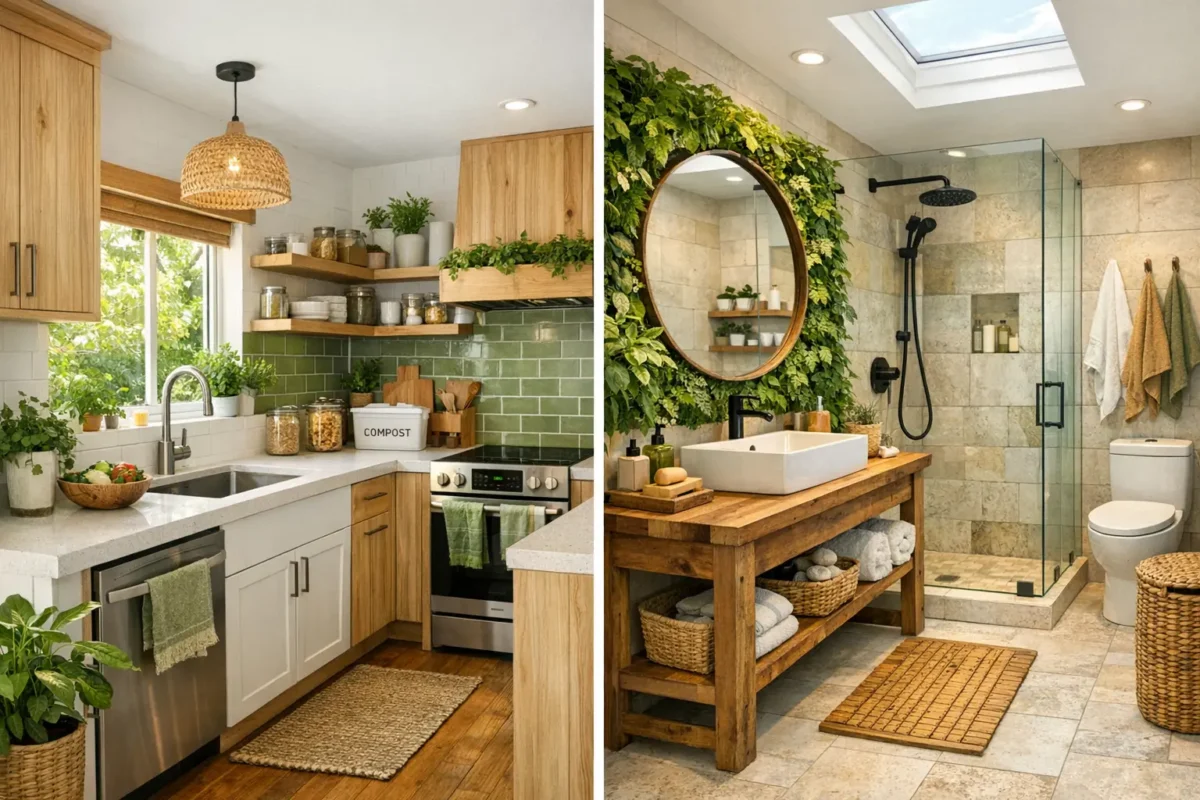
Your kitchen and bathroom use a lot of energy and water, so they’re perfect places to go green without losing style. The good news is you can keep them beautiful and functional while quietly cutting bills and pollution in the background.
In the kitchen, you can switch to ENERGY STAR fridges and dishwashers, induction cooktops, and efficient range hoods. These appliances use less power and water while doing the same job, and induction cooking in particular is both fast and safer for indoor air. You can add low‑flow taps, recycle bins built into cabinets, and durable, Eco‑friendly surfaces like recycled glass or FSC‑certified wood.
In the bathroom, low‑flow showerheads and dual‑flush toilets cut water use with little change in how the room feels. You can choose tiles with recycled content, LED vanity lighting, and exhaust fans on timers so moisture and pollutants don’t linger. And when you’re updating walls and trim, low‑ or zero‑VOC paints and sealants make a real difference for indoor air quality, especially in small spaces that trap fumes.
Green Landscaping & Urban Biodiversity
Even in a dense neighborhood, you can use small outdoor areas to support nature and cool your home. Stoops, backyards, and even window boxes can work together to help birds, bees, and people breathe a little easier.
- Plant native and pollinator‑friendly species: When you choose plants that evolved in the region, you support local insects, birds, and pollinators instead of just decorating. Native plants usually need less watering and care once they’re established, which fits busy city life.
- Use trees and tall shrubs for shade and cooling: A well‑placed tree or tall shrub in a backyard or shared courtyard can shade windows and reduce summer heat gain. That means your AC doesn’t have to work as hard to keep things comfortable.
- Add rain‑friendly features like rain gardens or permeable paving: If you can, replace some concrete with permeable pavers, gravel, or planting beds that soak up rain. This helps reduce runoff to the storm system and lowers the risk of ponding or flooding after heavy downpours.
- Layer plants for habitat, not just looks: When you mix groundcovers, small shrubs, tall plants, and maybe a small tree, you create different “levels” of habitat. Birds, butterflies, and beneficial insects all use different layers to feed, nest, and rest.
- Bring greenery up onto stoops, balconies, and window sills: Planters and window boxes may look simple, but when many neighbors do the same, they form a chain of mini‑habitats across the block. That softens hard streetscapes and can even buffer some dust and noise.
Adopt VRF Heat Pumps and Energy‑Recovery Ventilation
If you’re ready to modernize your heating and cooling, VRF heat pumps and energy‑recovery ventilators are some of the smartest tools you can choose. They fit especially well in multi‑story brownstones and condos where different floors need different temperatures.
- What VRF heat pumps actually do: A VRF (Variable Refrigerant Flow) system moves refrigerant around the building and lets each indoor unit call for exactly the amount of heating or cooling it needs. Instead of one big blast of air for the whole home, you get quiet, precise temperature control room by room.
- Why VRF works well in Brooklyn buildings: These systems are compact and flexible, which is handy in narrow, tall homes and tight mechanical rooms. You can serve multiple floors from one outdoor unit, making them a good fit for brownstones split into apartments or duplexes.
- How VRF heat pumps save energy: Because VRF systems modulate instead of just turning on and off, they avoid the constant cycling that wastes energy in older equipment. Their efficiency is often higher than traditional boilers and through‑wall ACs, especially when your envelope is well insulated.
- What an Energy‑Recovery Ventilator (ERV) adds: An ERV is a ventilation box that removes stale indoor air and brings in fresh outdoor air while exchanging heat and some moisture between the two air streams. This means you get filtered, fresh air without throwing away all the heating or cooling you already paid for.
- Why pairing VRF with ERV makes sense: When you tighten and insulate your home, you cut drafts, but you also need controlled ventilation. A VRF system handles comfort, and an ERV keeps air fresh and humidity balanced, so the whole setup feels better and uses less energy than old radiators plus window ACs.
Use Blown‑In Cellulose and Zero‑VOC Finishes
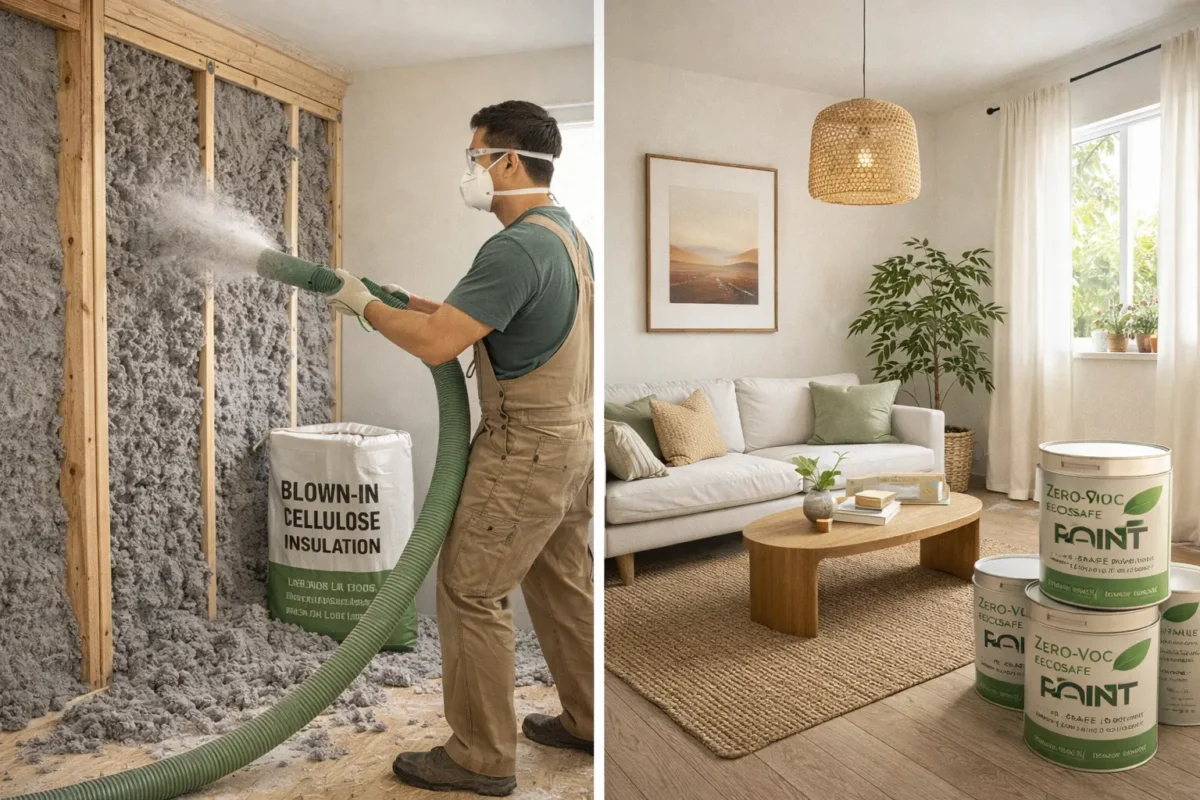
If you’re serious about making your renovation Eco-friendly, what you put inside walls and on surfaces matters a lot. Blown‑in cellulose insulation and zero‑VOC finishes are two choices that quietly protect both your comfort and your lungs.
- Blown‑in cellulose is made from recycled paper: Cellulose insulation is usually made from shredded, treated post‑consumer paper, so you’re turning waste into a useful building material. That high recycled content means lower embodied carbon compared with many other insulation types.
- Cellulose improves comfort and reduces energy loss: When installers blow it into wall cavities and roof slopes, it fills gaps and better surrounds pipes and wires than many batts. Its density helps reduce air movement in those cavities, improving thermal resistance and potentially reducing heating and cooling needs.
- Zero‑VOC paints and finishes protect indoor air: Traditional paints and some clear finishes release volatile organic compounds (VOCs) that can irritate lungs and contribute to smog. Zero‑VOC and very low‑VOC products greatly reduce those emissions, which is especially important in smaller rooms and for anyone with asthma or allergies.
- Low‑odor, faster comfort after painting: These healthier paints and finishes usually have much less smell and off‑gassing, so your home feels “normal” again more quickly after the work. That’s a big plus if you and your family plan to stay in the home during the renovation.
- Combine both choices for a deeper impact: When you pair cellulose insulation inside the structure with zero‑VOC products on visible surfaces, you’re improving both energy performance and the air you actually breathe. That’s a powerful combination for anyone trying to create a truly healthy, efficient Brooklyn home.
Switch from Gas to Electric Cooking
Switching from gas to electric—especially induction—protects your indoor air and your family’s lungs. Gas burners release nitrogen dioxide and other pollutants directly into your kitchen, and several studies show that levels can quickly exceed health guidelines when ventilation is poor.
Electric and induction stoves remove that combustion source entirely, and research has found big drops in indoor nitrogen dioxide when people switch. Induction is also very responsive and efficient, sending most of its energy directly into the pan rather than heating the air around it. From a climate perspective, electric cooking aligns better with NYC’s move toward an electric, cleaner grid. So by changing the way you cook, you cut pollution in your home today and reduce emissions from your energy use in the future.
Invest in Smart LED Lighting and Zoned Controls
Lighting may seem small compared to heating or cooling, but over time, it adds up on your bill. If you move to LEDs and smart controls, you can cut lighting energy dramatically while keeping your space warm and cozy or bright and focused when you need it.
- LED bulbs that sip power, not gulp it: LEDs typically use up to 80–90% less electricity than old incandescent bulbs while giving similar or better light levels. They also last much longer, which means fewer ladder climbs and fewer dead bulbs going to the trash.
- Dimmers and scenes for mood and savings: When you dim lights even a little, you use less power and extend bulb life. Creating scenes (like “movie night” or “work mode”) lets you light only the areas you’re actually using, rather than blasting every fixture.
- Smart switches and sensors to avoid waste: Smart switches and motion sensors automatically shut off lights in empty rooms, which is perfect for hallways, bathrooms, and kids’ rooms. Over a year, this kind of simple automation can cut a meaningful chunk of wasted energy.
- Room‑by‑room lighting zones: Zoning isn’t just for heating and cooling—you can think of your home in lighting zones, too. By controlling each area separately, you avoid lighting the whole apartment when you only need the kitchen and living room.
- Pair smart lighting with smart thermostats and blinds: When lighting, temperature, and even blinds work together, you can dim lights and drop cooling when daylight is strong, or bring up lights gently in the morning as the thermostat warms the space. It feels more comfortable and natural, and it quietly reduces energy use in the background.
Incorporate Reclaimed Materials & Wood
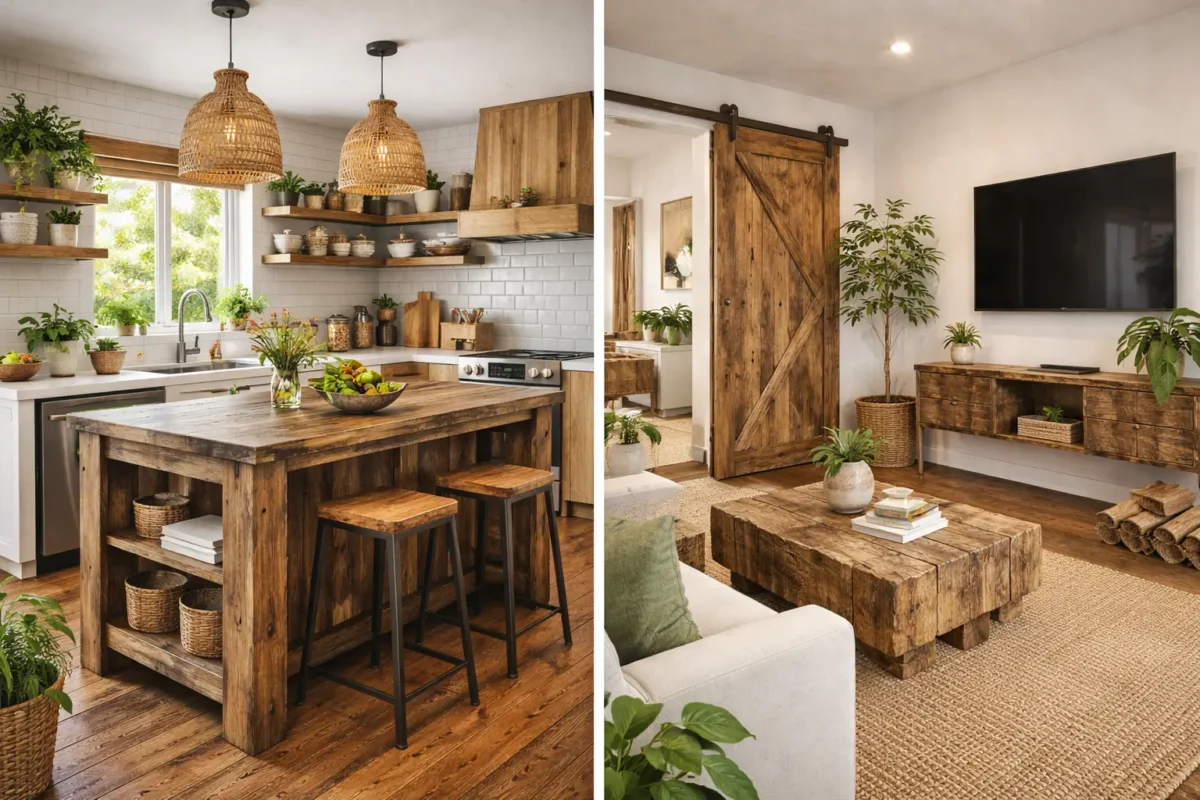
When you bring reclaimed materials into your renovation, you’re cutting waste and adding real character at the same time. Instead of buying everything new, you give old wood, brick, and fixtures a second life in your home.
- You cut the carbon footprint of your project: Reclaimed wood and salvage reduce demand for new timber, concrete, and steel, which all carry high “embodied carbon” from extraction and manufacturing. Studies show reclaimed wood often has a much lower carbon footprint than both virgin timber and conventional materials like concrete or steel.
- You keep good materials out of landfills: When you reuse beams, flooring, doors, or cabinets, you keep them out of the waste stream. That supports a circular economy, where we keep materials in use longer rather than throwing them away after a single use.
- You give your home warmth and story: Reclaimed wood comes with texture, knots, and patina you can’t fake with new boards. Those small imperfections add personality, which feels especially right in older Brooklyn homes.
- You can often save money on select items: Salvage yards and reclaimed-material dealers sometimes offer doors, trim, and hardware at lower prices than buying everything brand-new. You get higher quality than many budget products, often with better durability.
- You support local green businesses: In Brooklyn, there are dedicated suppliers for reclaimed brick, lumber, and architectural salvage, so you can source locally instead of shipping new materials from far away. That keeps more money in the local economy while trimming transport emissions.
Is Reglazing a Sustainable Alternative to Replacing Bathroom Fixtures?
Yes, reglazing (or refinishing) is usually the greener choice because you keep your existing tub or sink in place instead of sending it to the landfill and buying a brand-new unit. You avoid demolition waste, cut the need for new raw materials, and still get a fresh, clean surface. The trade-off is that a reglazed tub normally has a shorter lifespan than a brand-new one, but from a waste and resource standpoint, it’s generally more Eco-friendly.
Where to Find the Best Brooklyn Contractors
Are you looking for an expert contractor in Brooklyn, NYC? SR General Construction has you covered! Our business is located at 8807 Avenue B, Brooklyn, NY 11236, United States, in the Canarsie area.
Additionally, we offer services at Rockaway Parkway and Ralph Avenue, providing fast access to Flatlands, East Flatbush, Bergen Beach, Brownsville, and the Spring Creek section of East New York.
FAQ
1. What exactly is an Eco-friendly renovation?
An Eco-friendly renovation is any upgrade that reduces your home’s energy, water, and waste use while using healthier, more sustainable materials. The goal is to reduce your carbon footprint while improving comfort and indoor air quality.
2. Where should I start if I want to make my home more Eco-friendly?
The best starting point is usually the “envelope”: insulation, air sealing, and draught-proofing, because that’s where most energy is lost. Many guides recommend fixing leaks and improving insulation before you spend money on new heating or fancy tech.
3. How much can I realistically save on my bills?
Energy-efficient windows may cut heating and cooling bills by up to around 25%, and modern heat pump systems can use roughly 50–60% less energy than older equipment. LED lighting alone can reduce energy use by about 75% compared with older incandescent bulbs.
4. What are the easiest low-cost eco upgrades I can do first?
Good “quick wins” are LED bulbs, smart power strips, weather-stripping around doors and windows, low-flow showerheads, and tap aerators.
5. Are solar panels actually a good idea where I live?
Solar usually makes sense if your roof gets decent sun and your local incentives help with upfront costs. Even in less sunny climates, expert articles highlight solar as one of the most powerful long-term upgrades for cutting electricity use and boosting resale value.