

Do you ever wonder how to tell if a roofing contractor is truly reliable before you hire them?
It’s something most people think about only after a bad experience—like a roof leak that wasn’t fixed right or a contractor who stopped answering calls. But if you ask the right questions and take a few smart steps early, you can avoid those headaches and find someone you can really trust.
Let’s be honest, finding the best roofing contractor in Brooklyn, NYC, isn’t easy. There are so many companies out there, all claiming to be the best. Some offer big discounts; others promise “quick and cheap” repairs. But your roof isn’t something you gamble with. It protects your home and your family, so you need a contractor who knows what they’re doing and actually cares about their work.
In this guide, we’ll go step by step through what you should know before hiring a roofer. You’ll learn how to:
- Pick a local Brooklyn roofing contractor who understands the city’s homes and weather.
- Check for the right license, insurance, and experience.
- Compare estimates and spot the difference between fair pricing and cheap shortcuts.
- Ask smart questions before you hire
- Avoid roofing scams that target local homeowners.
- And understand what makes the best Brooklyn roofing companies stand out from the rest.
Key Steps to Choose the Best Roofing Contractor
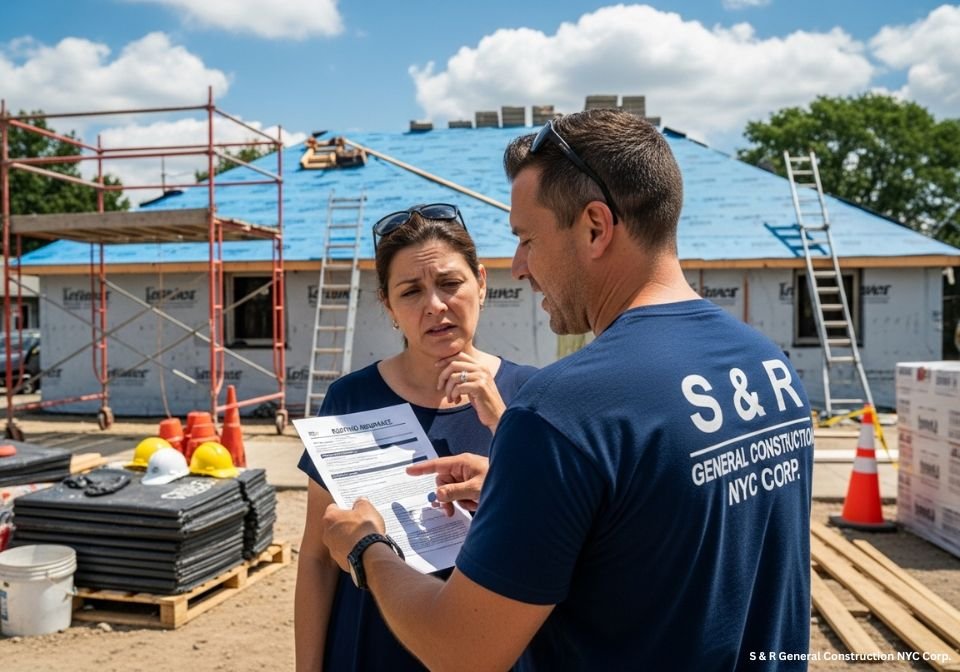
You want a Brooklyn roofer who is local, licensed, insured, and proven. Start with nearby companies, then verify credentials and compare written estimates side by side. Finish with a quick check on reviews, warranties, and who will actually be on your roof.
1. Choose a Local Brooklyn Best Roofing Contractor
Local pros know NYC rules and common Brooklyn roof types like flat EPDM or modified bitumen, so there are fewer surprises on permits or scope. You can verify a Brooklyn company faster through NYC’s license tools and local reviews, which adds real peace of mind. A nearby team also responds faster after storms or leaks, and it is easier to hold them accountable. Pick local first, then compare quality and price.
2. Verify Licensing and Insurance Credentials
- Look up the company in NYC’s DCWP “Check License” tool; roofing for homes falls under the Home Improvement Contractor (HIC) license.
- NYC requires a DCWP license for any home improvement job over $200; confirm the license number and status match the business name.
- Some roof repairs may not require a DOB permit, but the contractor must still be DCWP-licensed; confirm this before work starts.
- If the company claims DOB registrations (GC or skilled trade), check them in the DOB license/registration lookup as an extra layer of trust.
- Ask for a Certificate of Insurance for general liability and workers’ comp; if they are legally exempt, they must give you the Workers’ Comp Attestation of Exemption in writing.
- Bonus protection for you: DCWP-licensed HICs participate in the Home Improvement Contractor Trust Fund, which may help consumers if a licensed contractor fails to perform.
3. Consider the Roofer’s Experience and Business Longevity
Years in business show stability and a track record in Brooklyn homes. Many consumer guides suggest 5 years or more as a healthy baseline, helping you avoid short-lived outfits. Check the company’s BBB profile for years in operation and complaint history, then confirm nearby roof projects you can verify. Depth of local experience matters more than a flashy ad.
4. Check Google Reviews and Online Reputation
- Search the company name with “Brooklyn” on Google; scan the star score and total review count on the profile.
- Read the newest reviews first; look for dates, job details, and how the owner replies to problems. Google has been cracking down on fake reviews, so watch for warning banners on profiles that have had reviews removed.
- Cross-check the business on the BBB site for accreditation, complaints, and patterns over time.
- Add one more pass on independent sites if you want extra confidence, then line up what you read with the license checks above.
5. Ask for References and Inspect Past Work
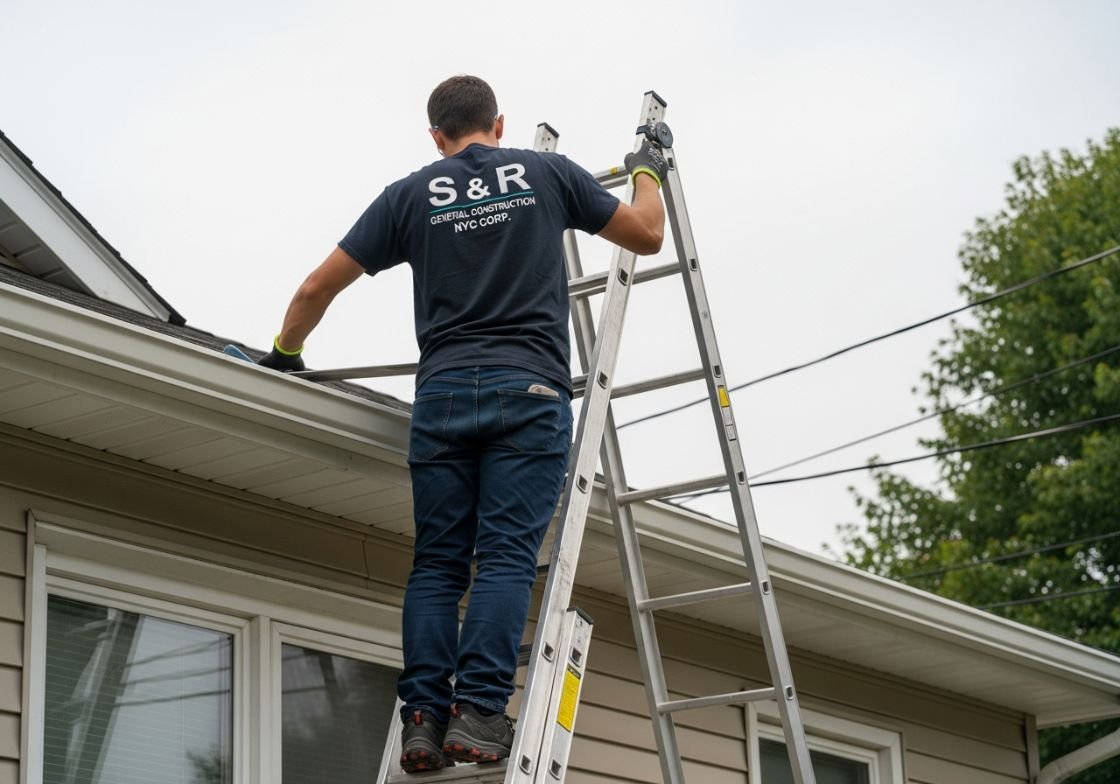
References help you see real results, not just promises. NRCA says a good roofer should offer client references and a list of completed jobs you can call and review.
NYC’s consumer office also tells you to get reliable references and check complaint history before you hire. A quick drive-by of a recent project or a short call with a past client gives you proof of workmanship and follow-through.
6. Talk to multiple roofing contractors
Get more than one written estimate, then compare what each pro plans to do. The FTC recommends multiple estimates and warns against picking the lowest price without an explanation.
NYC’s DCWP also tells residents to get written estimates from more than one licensed contractor. Hearing two or three opinions helps you spot outliers and choose the best fit for your roof.
7. Look for quality over pricing
Price matters, but it is not the only factor. NRCA advises a healthy skepticism of the lowest bid and says price is only one criterion. The FTC echoes this and says Do not choose the lowest bidder by default; ask why a bid is much lower or higher.
Focus on scope, materials, supervision, and warranty terms, then decide on value rather than price alone.
8. Compare the estimates from the different roofing contractors
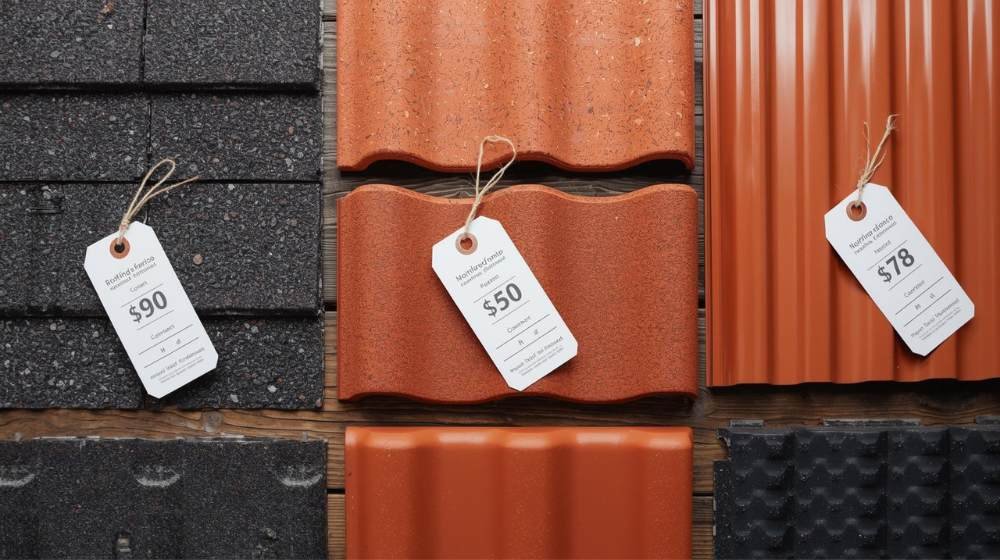
- Scope of work—repair vs. full replacement; overlay vs. tear-off.
- Materials and brands—shingle or membrane type, underlayment, ice/water barrier, and ventilation parts.
- Flashing details—replace or reuse; metal type specified.
- Timeline—start date and completion date in writing.
- Crew and site care—cleanup plan, debris hauling, and protection for gutters and landscaping.
- Permits and compliance—who pulls permits; NYC requires proper licensing and clear contract terms.
- Payment schedule—milestones and methods; avoid large upfront payments.
- Warranties—length and what is covered (materials and workmanship), not just a number.
- Apples-to-apples format—FTC recommends written estimates with work description, materials, dates, and price for clean comparisons.
9. Workmanship Warranty
Aim for at least 5 years of workmanship coverage from the contractor; 10 years is a strong target that many homeowners prefer. Industry guidance shows manufacturer-backed enhanced warranties can push workmanship coverage to 10–25/30 years when a certified installer handles the job (e.g., GAF Silver Pledge ≈10 years; Golden Pledge ≈25/30 years).
Remember, NRCA notes that warranty length alone should not decide your choice; read what the warranty covers, what voids it, and how claims work, then get those terms in your NYC contract.
What questions should I ask a roofing contractor before hiring?
You want clear answers before anyone steps on your roof. The right questions protect your money and your home, and they reveal who is qualified. Ask about licenses, insurance, services, materials, warranties, permits, crews, timing, and payment terms.
Are you licensed and insured in New York City?
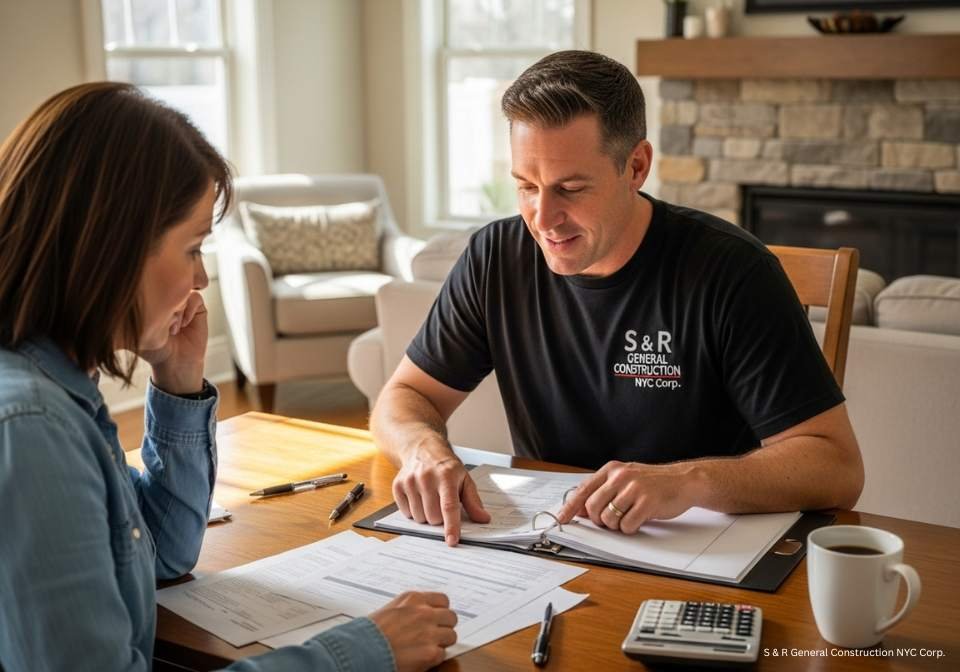
Ask this first because NYC requires a Home Improvement Contractor license for residential roofing work. A valid license and active liability and workers’ comp insurance protect you from scams, injuries, and surprise costs. Always verify the license on the NYC site and ask for proof of insurance before you sign.
What Services Do You Offer?
You need to know if they handle repairs, full replacements, inspections, emergency leaks, gutters, or coatings. A clear list helps you match your problem to their strengths and avoid mid-job surprises. It also shows whether they work on both residential and commercial roofs in Brooklyn. Good contractors explain their scope in writing before work starts.
By the way, we (SR General Construction) offer a variety of roofing services, including: roof installation (12-year warranty), Roof repair, Roof replacement, Gutter and drainage installation, roof skylights, etc.
What type of roofing systems and materials do you specialize in?
Brooklyn has many flat roofs and older row houses, so experience with EPDM, TPO, modified bitumen, shingles, slate, or metal really matters. A specialist knows the details for each system and can suggest the right match for your building. This reduces mistakes and extends roof life. NRCA recommends vetting a roofer’s technical expertise before you spend a dollar.
What warranties do you offer on materials and workmanship?
You should get two protections. Manufacturers cover materials, and contractors cover workmanship. Premium manufacturer programs like GAF Golden Pledge offer long-term workmanship coverage of 20–30 years when certified installers do the work. Ask for the term, what is covered, what voids coverage, and who handles claims.
Will you handle permits and compliance with Brooklyn, NYC, building codes?
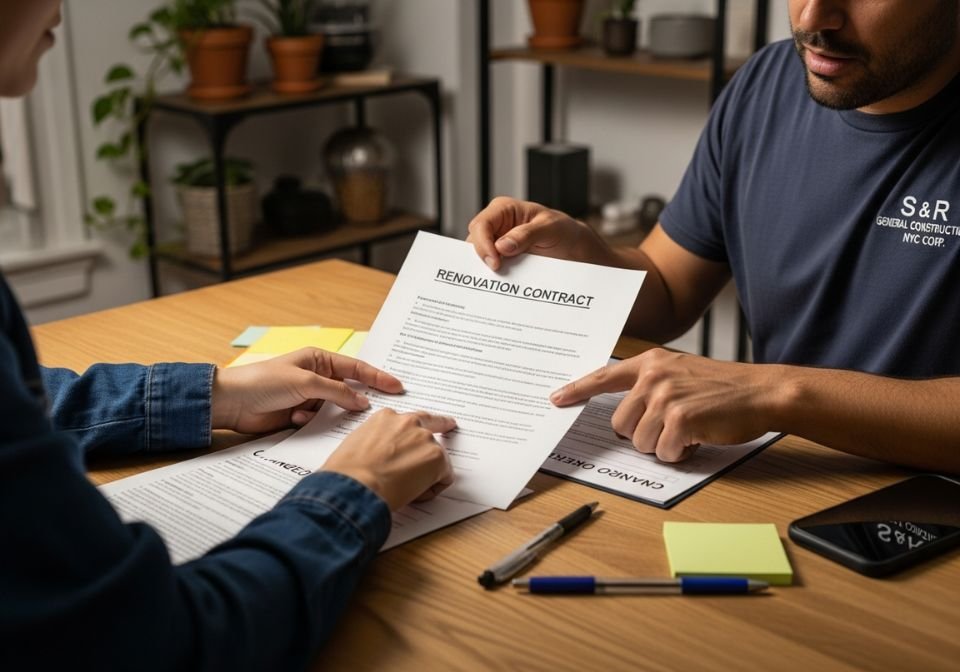
Ask this because New York City has clear rules for roof work, and the person who files the job must follow them. Simple non-structural roof repairs may not need a permit, but full replacements or structural changes usually do, so you want a contractor who files correctly with the NYC Department of Buildings (DOB). A solid company pulls permits in DOB NOW: Build, lists a valid Home Improvement Contractor (HIC) license from DCWP, and knows when Landmarks Preservation Commission (LPC) approval applies on landmarked blocks. Ask who files, who signs as the design professional, and how they will keep you on the right side of DOB, DCWP, and LPC rules.
Who will perform the work, employees or subcontractors?
Ask whether the crew is employees or subs, and whether a Registered Architect (RA) or Professional Engineer (PE) will be involved when plans are required. You want names, roles, and proof of insurance for everyone who will set foot on your roof. Clear answers help you judge accountability and job oversight. If a permit is needed, an RA or PE often files through DOB NOW, so get that plan up front.
What is your project timeline and payment schedule?
You need this to plan your week and to protect your wallet. Expect a basic flow: inspection and written estimate, permit filing when required, start date, daily work updates, final walkthrough, and warranty handoff.
Tie payments to milestones, not promises—a modest deposit, a progress payment after visible work, and a final payment after completion and cleanup. Do not pay in full up front; that is a classic red flag, and both the FTC and the NYC consumer office push written contracts with clear dates, scope, and payment terms.
How can you spot a roofing scam or avoid unreliable contractors?
Bad actors show up fast after storms and push you to sign before you think. A few simple checks stop most problems before they start.
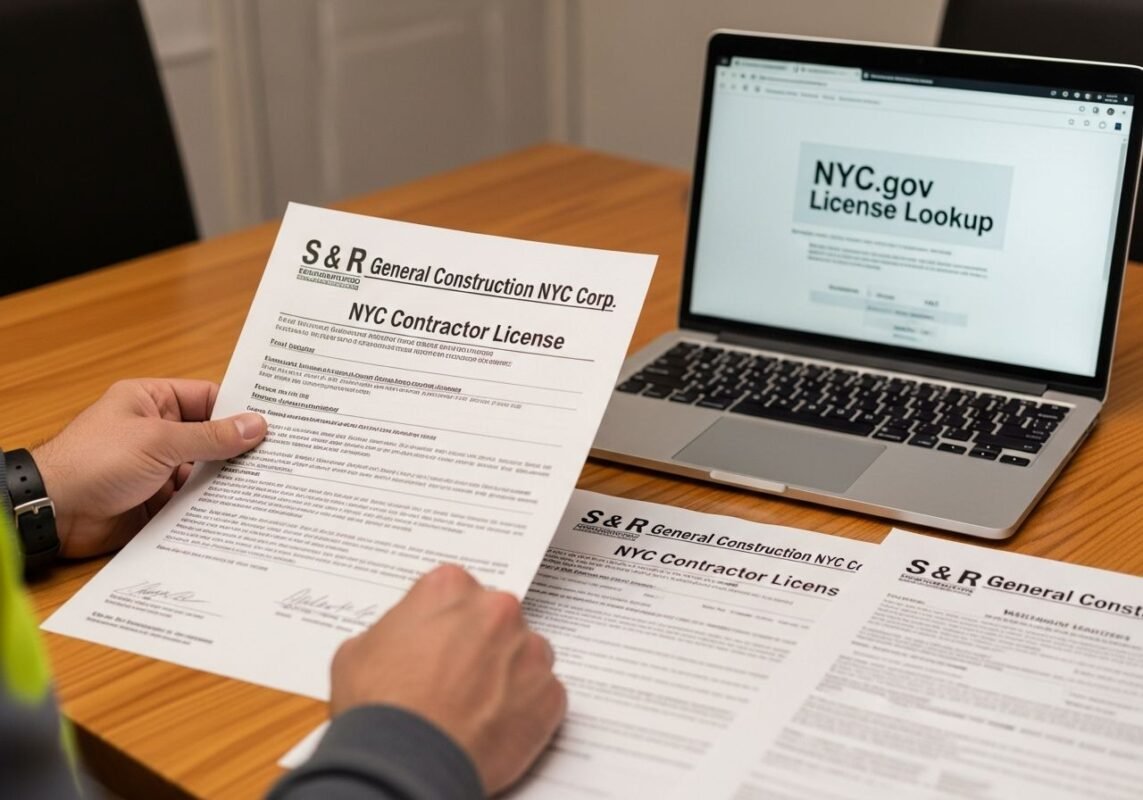
- Verify the NYC license: look up the contractor’s DCWP Home Improvement Contractor license; skip anyone who cannot show an active license.
- Check if permits are needed: full roof replacements and structural changes often require DOB permits; avoid anyone who says “no permits in NYC.”
- Avoid big upfront payments: pay by milestones; the FTC warns against paying in full before work.
- Insist on a written contract: include scope, materials, start and finish dates, cleanup, and warranties; NYC provides consumer tips and sample terms.
- Use local proof: a real Brooklyn address, recent local projects, and current reviews on reputable sites.
- Confirm insurance: request liability and workers’ comp certificates naming your address as the certificate holder.
- Historic blocks need care: if your home is in an LPC district, ask the roofer how they handle LPC approvals before work.
- Know your backstop: DCWP’s Home Improvement Contractor Trust Fund may help if a licensed firm fails to perform, which is one more reason to hire licensed firms.
Final Thoughts: Where to Find the Best Roofing Contractors for Brooklyn, NYC.
Are you looking for an expert roofing contractor in Brooklyn, NYC? SR General Construction has you covered! Our business is located at 8807 Avenue B, Brooklyn, NY 11236, United States, in the Canarsie area.
We proudly serve all areas of Brooklyn with high-quality, durable roofing solutions. From new installations to repairs and maintenance, we provide the best service at affordable prices. Contact us and experience why we’re Brooklyn’s roofing experts!
You can also get quotes from a few other local options to compare side by side:
- Power Roofing NYC — residential and commercial service across NYC; check their BBB profile and ask for a written scope and timeline.
- Roman Roofing NYC — decades of Brooklyn experience; ask to see a similar flat-roof project and speak with that client.
- Side By Side Home—roofing and siding with a Brooklyn location; confirm license and insurance, then compare materials and warranty terms.
FAQ
1. Do I really need a licensed roofing contractor in NYC?
Yes. NYC requires residential roof work to be performed by a Home Improvement Contractor (HIC) licensed with DCWP. Using unlicensed labor may void permits and warranties or expose you to legal trouble.
2. What types of roofing services should a contractor offer?
They should offer repairs, full replacements, maintenance, leak repairs, and, ideally, gutter or flashing work. If your project involves unusual systems—solar, green roof, slate—make sure they list them.
3. How many written estimates should I get before hiring a roofer?
Get at least 2–3 written estimates that lay out materials, labor, timeline, and warranty. Comparing them helps you spot unusually low bids or missing scopes.
4. What warranties are normal for roofing work in Brooklyn?
A good contractor offers a workmanship warranty (5 to 10 years is strong) plus the manufacturer’s warranty on materials. Longer warranties are better if the installer is certified.
5. Will the contractor file the permits for me?
Yes, the contractor should manage all necessary NYC DOB permits and code compliance, including DOB NOW: Build submission. You shouldn’t have to handle the paperwork.
6. How much does roof replacement cost in Brooklyn, NYC?
Costs vary widely (size, materials, height, complexity). As a ballpark, expect $5,000–$30,000+ for typical houses, but always base your decision on detailed local quotes.