

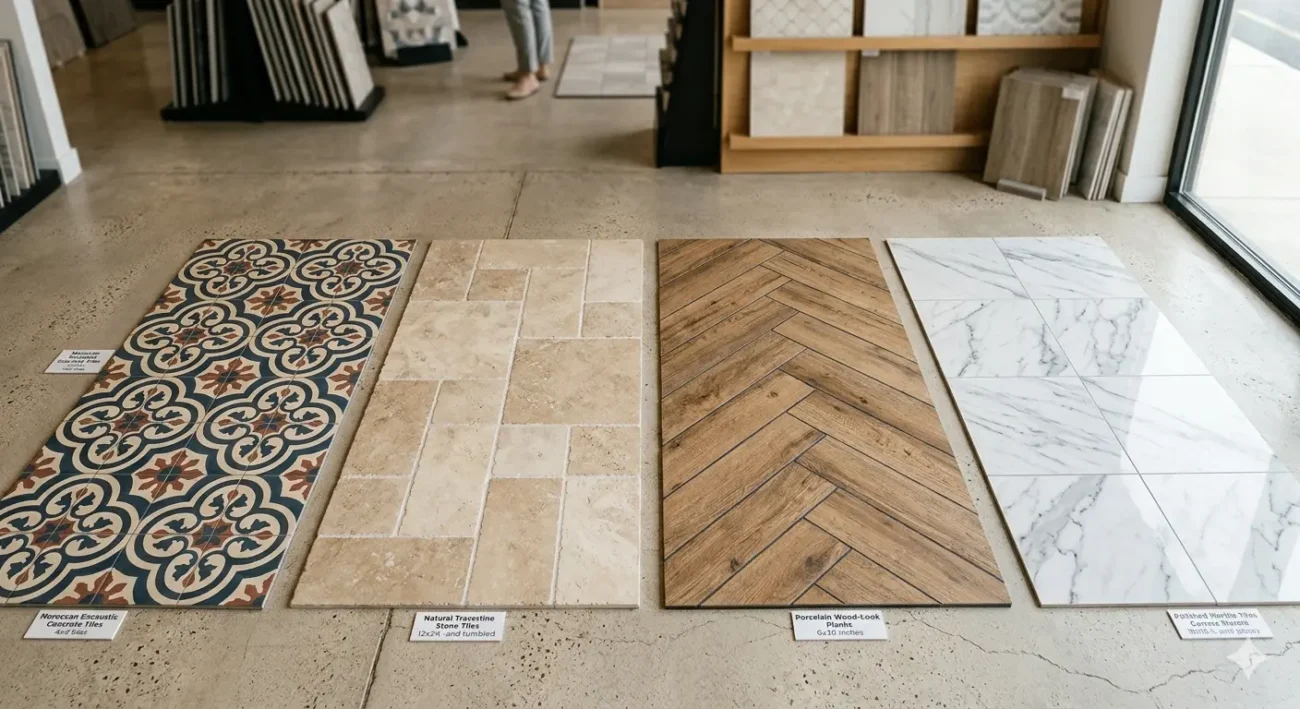
In a Brooklyn home, floor tile design does more than enhance aesthetics: it can visually expand small rooms, conceal everyday dirt, and echo the character of a brownstone, loft, or condo. At its core, floor tile design is the thoughtful combination of shapes, patterns, colors, and textures to achieve a specific look and feel. This spans styles from simple grids to checkerboard, herringbone, terrazzo, or stone-look layouts. Good design also supports function by selecting patterns and finishes that are safe, durable, and accommodate daily living.
How to Choose the Right Floor Tile Designs for Your Brooklyn Home Style
To successfully pick a floor tile design for a Brooklyn home, ensure it fits your daily needs and reflects your building’s character. Start by considering how each room is used, the natural light it receives, and whether the architectural style leans historic, modern, or in between.
- Match the tile to your home’s architecture: A brownstone, a pre-war co-op, and a glassy new condo each suit different floor looks. For example, checkerboard or mosaic fits historic homes, while large stone-look tiles suit modern open-plan spaces.
- Consider durability and maintenance first: Porcelain is usually the best choice for busy Brooklyn spaces because it is dense, water-resistant, and very hard to scratch or stain. Designs like stone-look or concrete-look porcelain give you style without the upkeep of soft natural stone.
- Use patterns to shape small rooms: Herringbone, hexagon, and checkerboard floors can stretch or widen narrow rooms when laid in the right direction. In tiny bathrooms or galley kitchens, pattern scale and grout color make a big difference in whether the room feels busy or balanced.
- Choose colors that suit NYC light and wear: Current trends lean toward warm neutrals, terracotta tones, and nature-inspired greens and blues, which hide dust better than very bright white. In Brooklyn, where street dirt and pet traffic are common, slightly mottled or textured colors usually age more gracefully than flat, pure shades.
- Think ahead to resale and long-term trends: Bold floors are fun, but large areas are hard to change later. Many designers now pair timeless bases (stone-look, wood-look, or soft neutrals) with bolder rugs, paint, or small accent areas to keep the home appealing to future buyers.
Floor Tile Designs for Brooklyn Homes in 2026
By 2026, floor tile designs in Brooklyn are moving toward warm, grounded looks with more texture and softer, natural colors, rather than cold, grey minimalism. You’ll keep seeing strong classics like checkerboard and herringbone, but in cream, clay, green, and blue rather than harsh black-and-white. Expect more large-format stone-look and terrazzo-look porcelain in living spaces, plus small hex and mosaic patterns in bathrooms that echo the area’s historic roots while still feeling fresh.
Classic & geometric floor tile designs
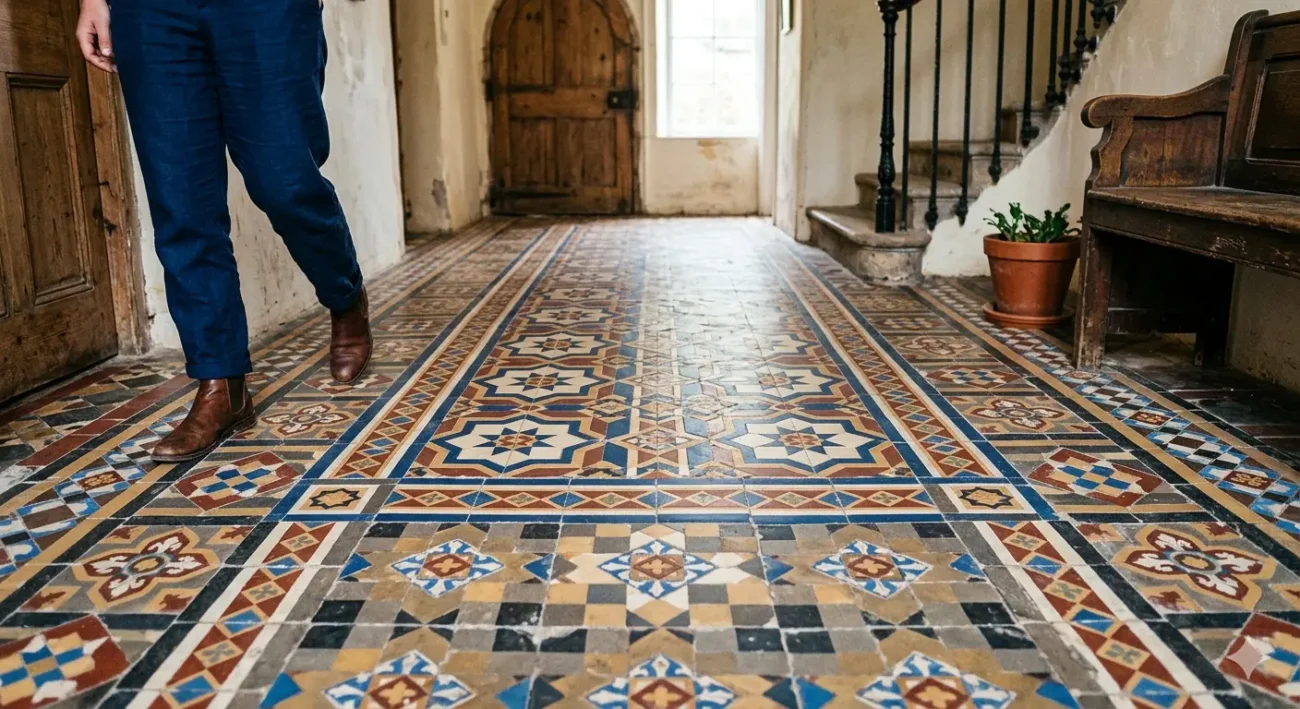
Classic and geometric floor tile designs use simple shapes like squares and rectangles to create strong, clean patterns such as checkerboard, brick, and basketweave. In Brooklyn homes, these floors work in almost any room and can feel vintage, modern, or somewhere in between, depending on color and scale.
- Timeless patterns that fit old and new Brooklyn homes: Designs like checkerboard, basketweave, and simple grids have been used for decades, yet still look current. That makes them a safe choice for both brownstones and newer condos.
- Great for kitchens, entryways, and hallways: These patterns stand up well in busy areas where you track in street dirt and see a lot of daily traffic. The geometry also helps define long Brooklyn hallways and narrow entries.
- Works with many tile materials: You can get classic and geometric looks in ceramic, porcelain, stone-look, or even terrazzo-effect tile. That flexibility lets you match your budget and maintenance level without losing the design.
- Easy to dress up or keep simple: A black-and-white checkerboard feels bold, while soft beige and cream squares feel calm and minimal. You can also play with colored grout to make the pattern stand out or blend in.
- Helps hide everyday mess: Medium-tone colors and small-to-medium patterns do a good job of disguising crumbs, pet hair, and dust between cleaning. That’s a real plus in busy Brooklyn households.
Cost range (installation in Brooklyn, NYC): For classic and geometric floor tile layouts, you can expect roughly $14–$28 per sq ft installed, depending on tile type, pattern complexity, and subfloor prep. This sits above a basic straight grid but below very intricate mosaic or large-format specialty work.
Herringbone (or Chevron / Zig-zag “wood-look” pattern)
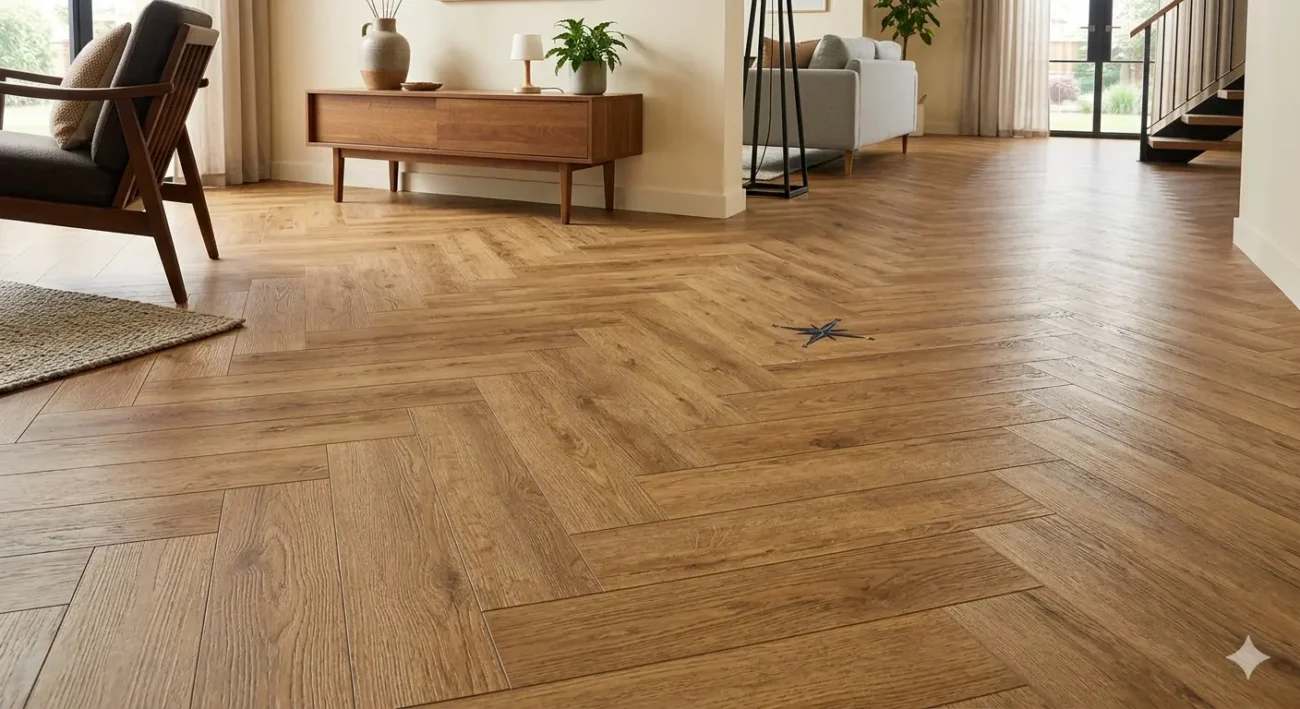
Herringbone and chevron layouts use rectangular tiles in a zig-zag pattern that adds movement and a high-end feel. In Brooklyn, many people choose wood-look or stone-look porcelain in herringbone to get a “parquet” look that’s tougher than real wood.
- Makes small rooms feel longer or wider: The V-shaped pattern naturally draws your eye along the floor. That visual flow can make narrow hallways, galley kitchens, or small living rooms feel bigger.
- Looks premium and custom: Even with simple tiles, herringbone and chevron layouts read as “designer” because they take extra planning and cutting. This can be a smart way to boost perceived value in a Brooklyn apartment without using very expensive tile.
- Pairs well with wood-look porcelain: Wood-effect planks laid in herringbone give the warmth of wood with tile-level durability and water resistance. This is ideal for Brooklyn kitchens, entryways, and pet-friendly homes.
- Needs a skilled installer for clean lines: Because every angle must line up, mistakes show quickly, especially in long rooms. Most pros snap careful layout lines and spend more time cutting and dry-fitting.
- Works across styles from traditional to modern: You’ll see herringbone in classic Paris-style apartments and in fresh, minimal Brooklyn lofts. The final look depends on the tile color, texture, and grout choice you make.
Cost range (installation in Brooklyn, NYC): Because it’s an intricate pattern, herringbone or chevron floors usually run about $17–$35 per sq ft installed, with higher prices for large tiles, diagonal layouts, or tough room shapes. Complex patterns like these are specifically noted as costing more in national cost guides.
Hexagon (or geometric/modern mosaic shapes)
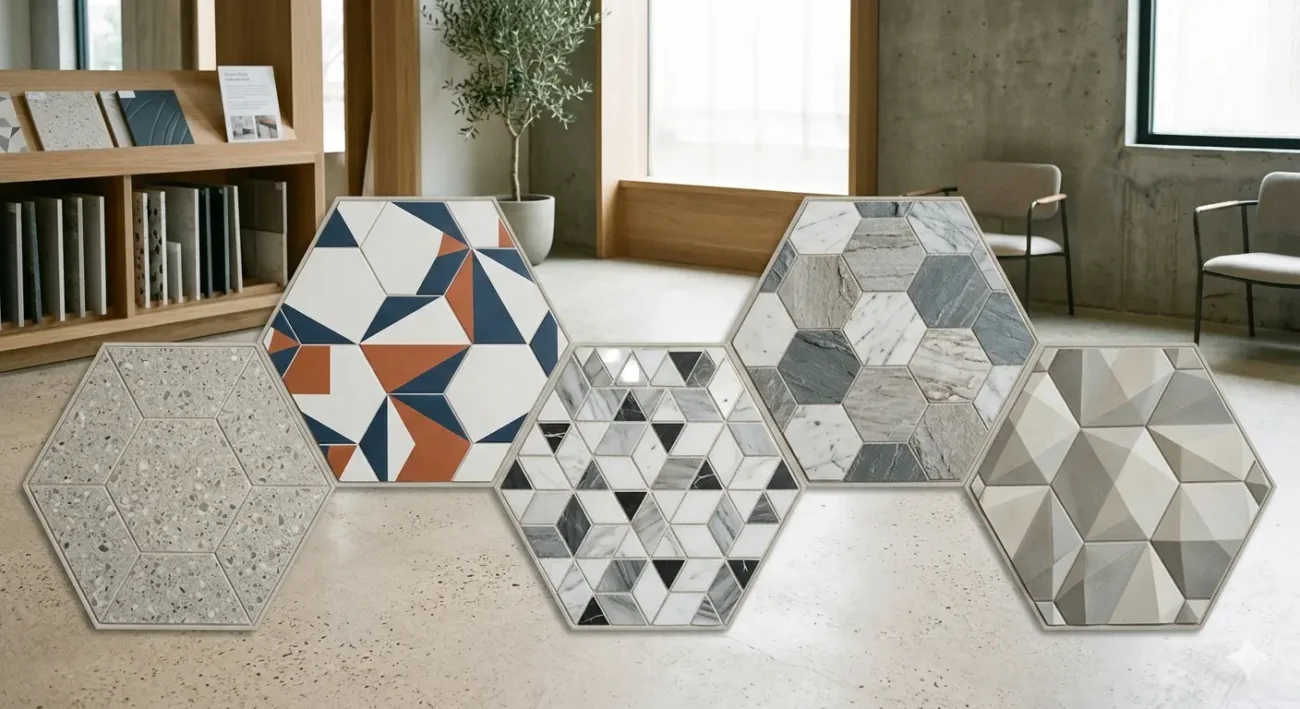
Hexagon and modern mosaic designs use small or medium geometric tiles to create eye-catching, almost “graphic” floors. In Brooklyn, you see them a lot in bathrooms, powder rooms, and quirky kitchens where people want character in a compact space.
- Timeless yet trendy: Hex tiles have been used in NYC bathrooms for over a century, but modern colors and sizes keep it current. You can go classic with white and black grout or bold with greens, blues, or mixed tones.
- Great for small and wet areas: The many grout joints add grip, which is perfect for shower floors and small, often wet Brooklyn bathrooms. Smaller shapes also make it easier to follow slopes to drains.
- Endless pattern possibilities: You can create gradients, borders, or random color placements with hex and other mosaic shapes. This lets you design a one-of-a-kind floor without changing the room layout.
- Works from vintage to ultra-modern: Pair hex with classic subway tile and claw-foot tubs for a vintage bath, or keep everything monochrome for a sleek, modern spa look. The tile shape stays the same; the colors and finishes change the mood.
- More cutting and labor than simple layouts: Fitting many small shapes around drains, corners, and niches takes time and patience. This extra labor is why mosaic and hex floors usually cost more per square foot than basic straight-lay floors.
Cost range (installation in Brooklyn, NYC): Hexagon and mosaic-style floors are often in the $19–$35 per sq ft installed range, reflecting the extra layout and grout work they require. National calculators list mosaic installation starting around $19.68–$32.30 per sq ft, and NYC labor tends to sit at the higher end.
Concrete-look Porcelain Slab
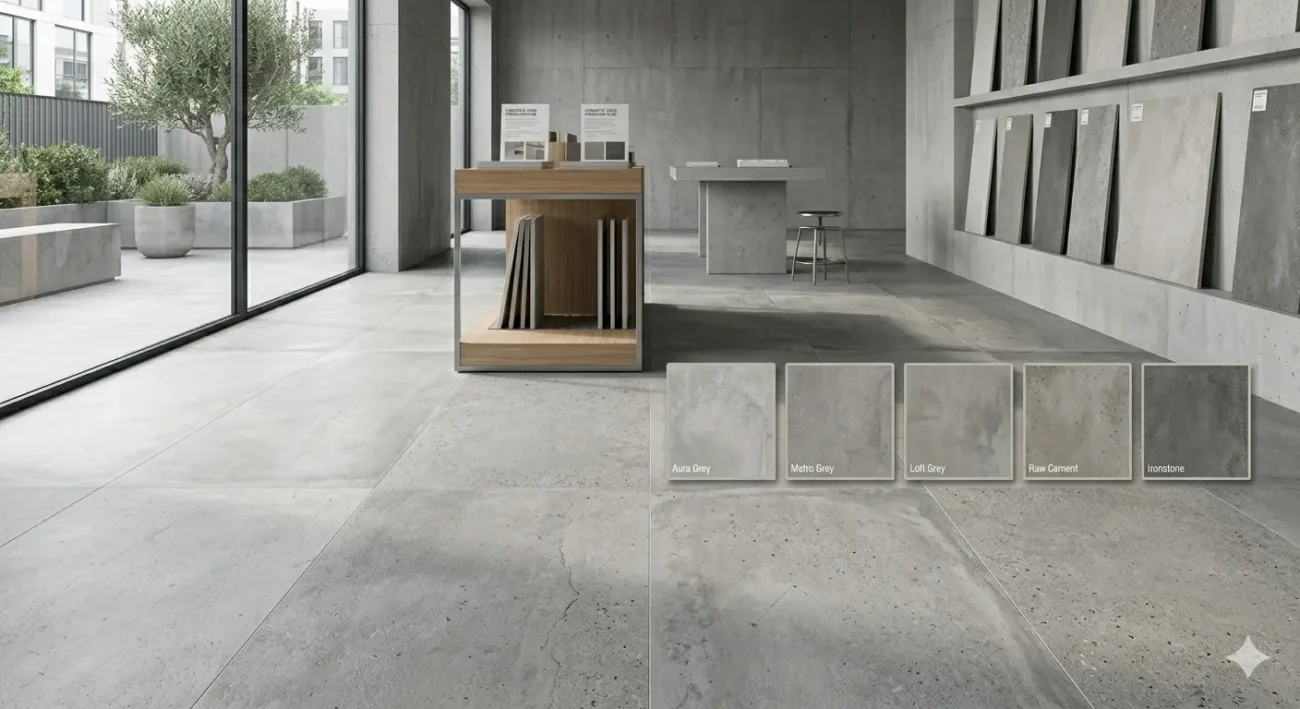
Concrete-look porcelain slabs mimic real concrete but are lighter, easier to install, and easier to maintain. In Brooklyn lofts and modern condos, these big tiles create a smooth, urban floor that suits industrial-style interiors.
- Clean, modern “loft” aesthetic: Concrete-effect porcelain gives you that warehouse or gallery vibe without actually pouring concrete. It works well with exposed brick, black metal, and large windows, which are common in converted Brooklyn buildings.
- Fewer grout lines with large-format tiles: Large slabs or big rectangular tiles mean fewer grout joints, so the floor looks more seamless. This can make a medium-sized apartment feel more open and calm.
- Stronger and more stable than real concrete in many homes: Real concrete floors can crack, need sealing, and are hard to work with in the upper floors of older buildings. Porcelain slabs deliver the look with less weight and often better crack resistance when installed correctly.
- Good for high-traffic, city living: Concrete-look porcelain is dense, stain-resistant, and handles pets, bikes, and heavy foot traffic well. It also cleans up with simple sweeping and mopping.
- Needs an installer skilled with large-format tile: Big tiles demand very flat subfloors and careful handling to avoid lippage and cracking. Many guides flag large-format porcelain as a “premium” install because it takes more time, tools, and experience.
Cost range (installation in Brooklyn, NYC): Concrete-look porcelain slabs typically fall in the $18–$35 per sq ft installed range, with very large, rectified tiles or tricky layouts pushing higher. Industry breakdowns show that large-format porcelain tiles often cost more than standard tiles due to flattening, leveling systems, and extra labor.
Rustic-Look Tile Floors
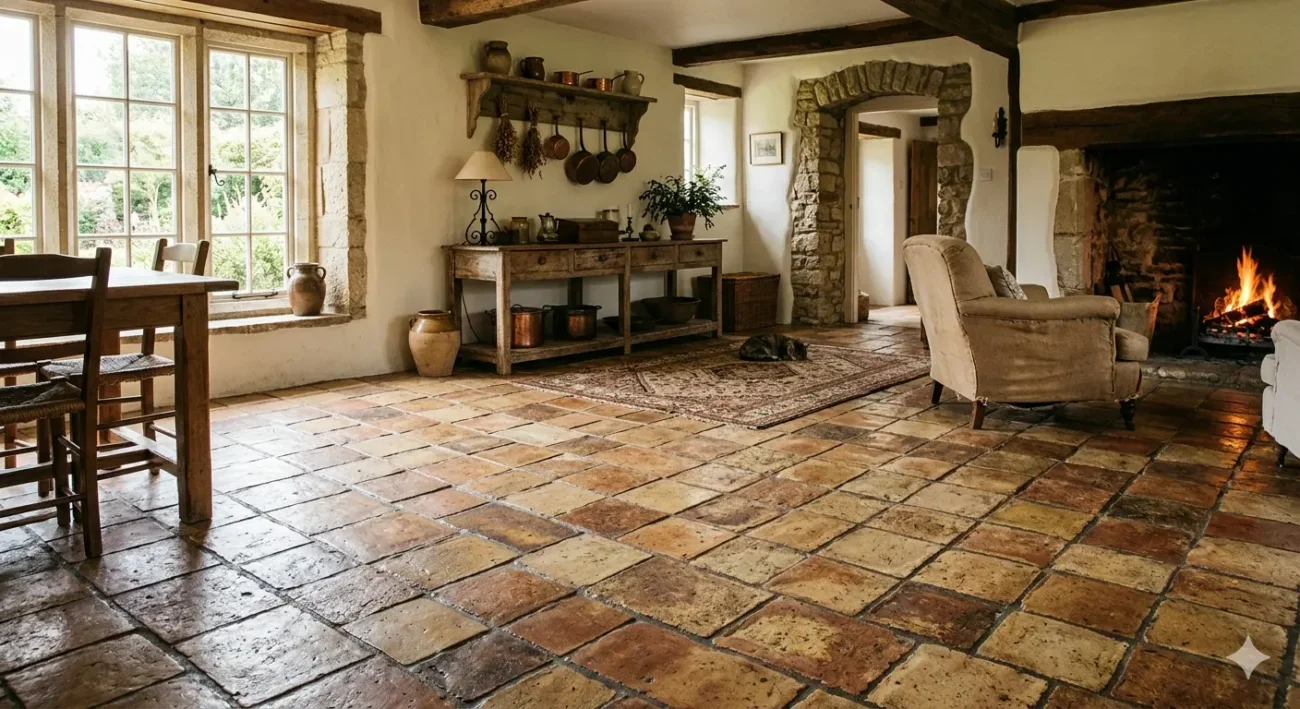
Rustic-look tile floors usually mean terracotta, tumbled stone, or stone-look porcelain in warm, textured finishes. In Brooklyn, they suit brownstones, garden apartments, and any home that calls for a cozy, lived-in feel rather than a sharp, ultra-modern look.
- Warm, earthy color palettes: Think terracotta, sand, warm greige, and soft browns that hide dust and feel inviting. These tones line up with current tile trends toward warmer neutrals and away from cold greys.
- Natural, textured surfaces: Many rustic tiles have a slightly uneven or honed surface that mimics the look of real stone or handmade clay. That texture adds interest and can help with slip resistance in kitchens or entrances.
- Perfect for kitchens and entries in older buildings: Rustic floors look right at home next to original brick, wood trim, and vintage details. They also handle the in-and-out flow of boots, bikes, and shopping bags very well.
- Option to use porcelain for easier care: If you love the look of terracotta or tumbled stone but not the sealing and extra care, rustic stone-look porcelain is a smart middle ground. It keeps the mood while cutting maintenance.
- Works with many interior styles: Rustic floors can go farmhouse, Mediterranean, boho, or simply “warm modern,” depending on what you pair them with. That flexibility is helpful if you plan to change decor over time.
Cost range (installation in Brooklyn, NYC): Rustic-look tile floors usually run around $14–$30 per sq ft installed, depending on whether you choose true stone or stone-/terracotta-look porcelain and how much prep your subfloor needs. Natural stone and hand-finished tiles often sit at the higher end of the range.
Straight Grid
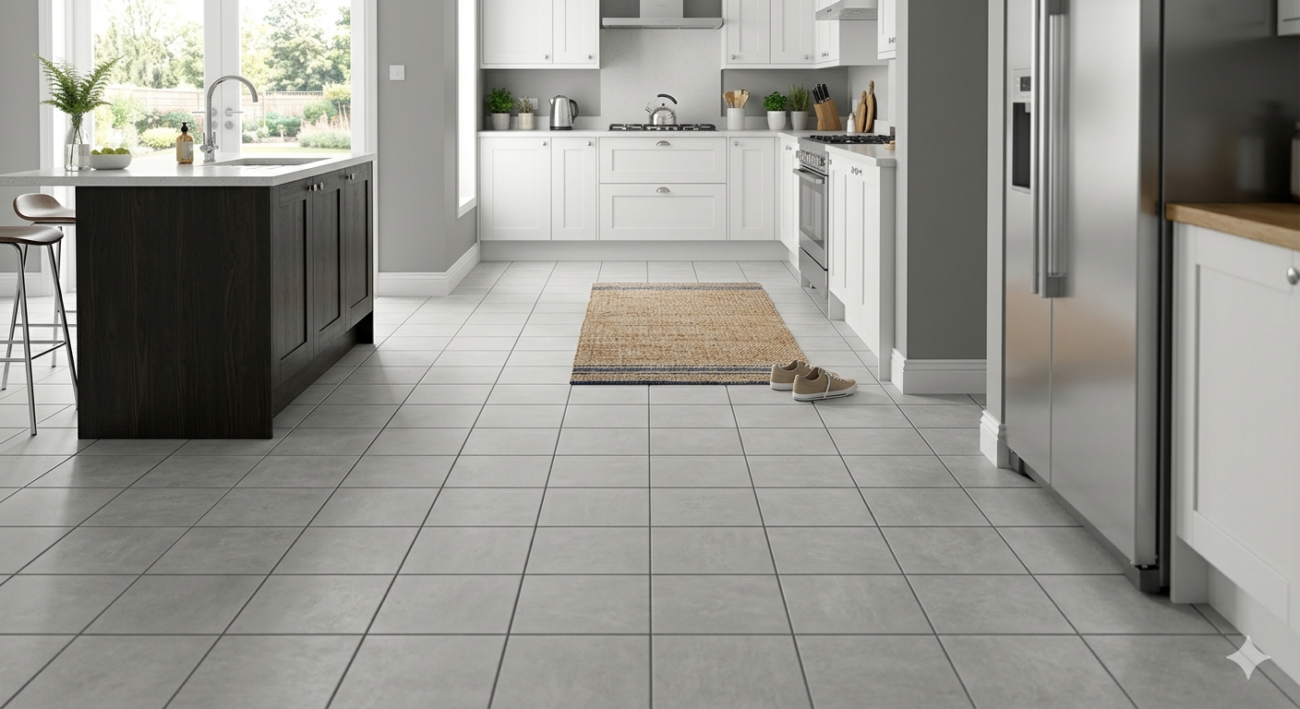
A straight grid layout (also called straight-lay or square grid) lines up tiles in neat rows and columns, so all grout lines are continuous and square. Visually, it’s the simplest pattern, and it lets the tile’s color and texture be the main focus.
- Clean, minimal look: The grid pattern creates a calm, orderly floor that works in modern Brooklyn apartments. It pairs nicely with bold cabinets or walls because it doesn’t compete for attention.
- Usually, the most budget-friendly layout is: Because there’s less cutting and layout math, installers can work faster compared to complex patterns. That often makes the grid pattern the least expensive design on a per-square-foot basis.
- Flexible with tile size and type; you can use small squares, standard 12×12 tiles, or large-format tiles in a grid, and it works with ceramic, porcelain, or stone tiles. This flexibility makes it easy to swap in different looks without changing the layout idea.
- Helps small rooms feel organized: In tight Brooklyn kitchens or baths, straight lines can make the footprint feel less busy. The pattern almost “disappears,” which is useful if you want other details to stand out.
- Relies on good prep for a crisp result: Because lines are so straight, any dip in the floor or uneven spacing is easier to see. A pro will spend time on leveling and consistent grout joints to make the grid look sharp.
Cost range (installation in Brooklyn, NYC): A straight grid is typically in the $10–$20 per sq ft installed range for ceramic or porcelain, depending on tile quality and site conditions. It lines up with basic floor-tile pricing in NYC and stays on the lower end because the layout is straightforward.
What are the most durable and low-maintenance floor tile designs for busy Brooklyn families?
For most busy Brooklyn families, the most durable and low-maintenance floor designs use porcelain tile, especially in stone-look, concrete-look, or wood-look finishes. Porcelain is denser and more water-resistant than standard ceramic, so it stands up better to heavy foot traffic, kids, and pets with simple sweeping and mopping. Designs with a bit of texture and color variation also hide scuffs and crumbs, making day-to-day life easier in high-traffic kitchens, hallways, and entryways.
Famous Floor Tile Colour for Brooklyn Homes
Color trends for floor tiles are shifting toward warmer, nature-inspired tones that feel calm and lived-in rather than stark and cold. In Brooklyn, these palettes work well because they hide city dust and pair nicely with both old brick and new white walls.
- Warm neutrals (beige, oatmeal, soft greys, greige): These shades act like a quiet backdrop and make small rooms feel more open. Designers highlight them as a replacement for sharp, cool greys because they look softer in real-life light and kinder next to existing furniture.
- Terracotta and clay tones: Terracotta and rust shades bring warmth and character to kitchens, entries, and sunrooms. Trend reports show these earthy floors rising for 2025 and beyond, especially in homes that want a cozy, Mediterranean, or vintage mood.
- Nature-inspired greens (sage, olive, deep green): Soft greens feel calm and pair well with wood, brass, and white trim, which you see a lot in Brooklyn brownstones. Deeper greens can add drama in small doses, like patterned floors in a powder room or a tiled entry.
- Moody blues (ink, navy, dusty blue): Dark blues on patterned or stone-look floors give depth without feeling too heavy when mixed with light walls. New color launches and trend pieces point to dusty and inky blues as a key way to add richness while staying timeless.
- Soft pastels and muted jewel tones: Muted rose, blush, and gentle jewel tones (like a softened emerald) appear in patterned and encaustic-style floors. In Brooklyn homes, these colors usually appear in smaller rooms—bathrooms, foyers, or laundry nooks—where a playful floor can shine without overwhelming the rest of the apartment.
Floor Tile Designs for Small Brooklyn Bathrooms and Galley Kitchens
Small Brooklyn bathrooms and galley kitchens need tile designs that make the space feel wider, brighter, and easier to clean. When you choose the right pattern and color, you can visually stretch a narrow room and still keep it practical for daily use.
- Herringbone layout: When you run slim tiles in a herringbone pattern, the zigzag lines draw your eye along the length of the room. This trick is especially helpful in galley kitchens and long, narrow bathrooms because it makes the space feel larger.
- Diagonal or diamond layout: Laying tiles on a diagonal breaks up the straight lines of the walls, so the room feels less like a tight box. This layout works well with medium-sized tiles in small bathrooms and kitchens, because it hides slightly uneven walls and adds movement.
- Small hexagon and mosaic tiles: Hex and mosaic tiles give you lots of grout joints, which add grip in wet spaces and help follow slopes to a shower drain. In tiny Brooklyn bathrooms, they also bring character and let you play with borders or “rug” effects without crowding the room.
- Light, warm colors with medium contrast: Very busy patterns can make a small room feel cramped, and bright white shows every mark. Soft beiges, warm greys, or gentle color mixes keep the floor calm, hide daily splashes, and reflect light without feeling harsh.
- Large-format tiles with tight grout lines (used carefully): In some galley kitchens and slightly bigger bathrooms, larger tiles with narrow grout joints can make the floor look more open. The key is to keep the color quiet and the layout simple so the room feels long and clean, not busy.
Sustainable and Low-Maintenance Floor Tile Choices for NYC Living
If you want a floor that is both eco-conscious and easy to live with, porcelain and ceramic tiles are strong options because they are made from natural clays, last for decades, and do not emit harmful fumes. Many modern porcelain collections now use recycled content and greener production methods, and some even qualify for green building certifications.
Recycled tiles made from factory off-cuts, recycled glass, or terrazzo with post-consumer chips give you a bold design while cutting waste. All of these tile types are hard-wearing, water-resistant, and simple to clean with basic sweeping and mopping, which suits busy NYC homes. Over time, their long lifespan and low upkeep usually offset the slightly higher upfront cost compared with short-lived, plastic-based floors.
Which floor tile materials work best in NYC apartments?
For most NYC apartments, porcelain tile is the top choice because it is very dense, highly water-resistant, and durable enough to withstand heavy foot traffic in kitchens, bathrooms, and hallways. Ceramic tile also works well in many rooms, especially where traffic is lighter, because it is affordable, easy to clean, and widely available in a variety of designs. In high-end spaces or long-term homes, some people also use natural stone or terrazzo, but they usually pick porcelain look-alikes when they want the same style with less maintenance and better durability.
Where to Find the Best Brooklyn Contractors
Are you looking for an expert contractor in Brooklyn, NYC? SR General Construction has you covered! Our business is located at 8807 Avenue B, Brooklyn, NY 11236, United States, in the Canarsie area.
Additionally, we offer services at Rockaway Parkway and Ralph Avenue, providing fast access to Flatlands, East Flatbush, Bergen Beach, Brownsville, and the Spring Creek section of East New York.
FAQ
1. What floor tile designs are trending for Brooklyn homes in 2025?
In 2025, designers are leaning into textural tiles, terrazzo, stone-look porcelain, warm neutrals, and bolder patterned floors like geometric or harlequin. These trends balance personality with longevity, which works well for Brooklyn apartments and brownstones.
2. Which floor tile patterns work best in small Brooklyn bathrooms and galley kitchens?
Herringbone, diagonal, and small hex or mosaic patterns are popular because they visually stretch tight rooms and add grip underfoot. Light or warm mid-tone colors with medium contrast keep the space feeling open without showing every speck of dust.
3. Are checkerboard and harlequin floor tiles still in style for 2025?
Checkerboard and its cousin, the harlequin diamond pattern, are still in the spotlight, but designers suggest softer color pairings (like cream and taupe, or green and cream) instead of harsh black-and-white. The key is to use them thoughtfully—often in kitchens, entries, or powder rooms—so they feel classic, not gimmicky.
4. What floor tile colours are on trend for Brooklyn homes in 2025?
Warm neutrals, terracotta, clay tones, soft greens, and moody blues are leading the way, with grey shifting to a supporting role. These palettes feel calmer and more “lived in” than stark white or cold grey, which suits real Brooklyn apartments and older buildings.
5. Is terrazzo tile a good choice for Brooklyn homes right now?
Yes, terrazzo and terrazzo-look porcelain are big 2025 trends because they add speckled texture, hide dirt well, and work in everything from hallways to bathrooms. Many brands now offer terrazzo-effect porcelain, which gives you the look with easier maintenance and better durability.
6. Are eco-friendly or sustainable floor tiles worth considering in NYC?
If you care about sustainability, look for porcelain and ceramic tiles with recycled content or greener manufacturing, plus recycled glass or terrazzo with recycled chips. These products can last for decades, so their long lifespan and low VOC profile usually make them a solid environmental choice.