

Which option truly fits your Brooklyn bathroom remodel; a bathtub or a shower? It’s a simple question, but the answer impacts how you use your space every day, how your home feels, and even how well it sells in the future.
In this guide, we’ll break down the differences between bathtubs and showers through the lens of a Brooklyn bathroom remodel. You’ll learn how each option affects space, design, cost, accessibility, and resale potential. We’ll also look at local considerations, such as co-op and condo rules, common plumbing restrictions, and the design trends shaping Brooklyn neighborhoods today.
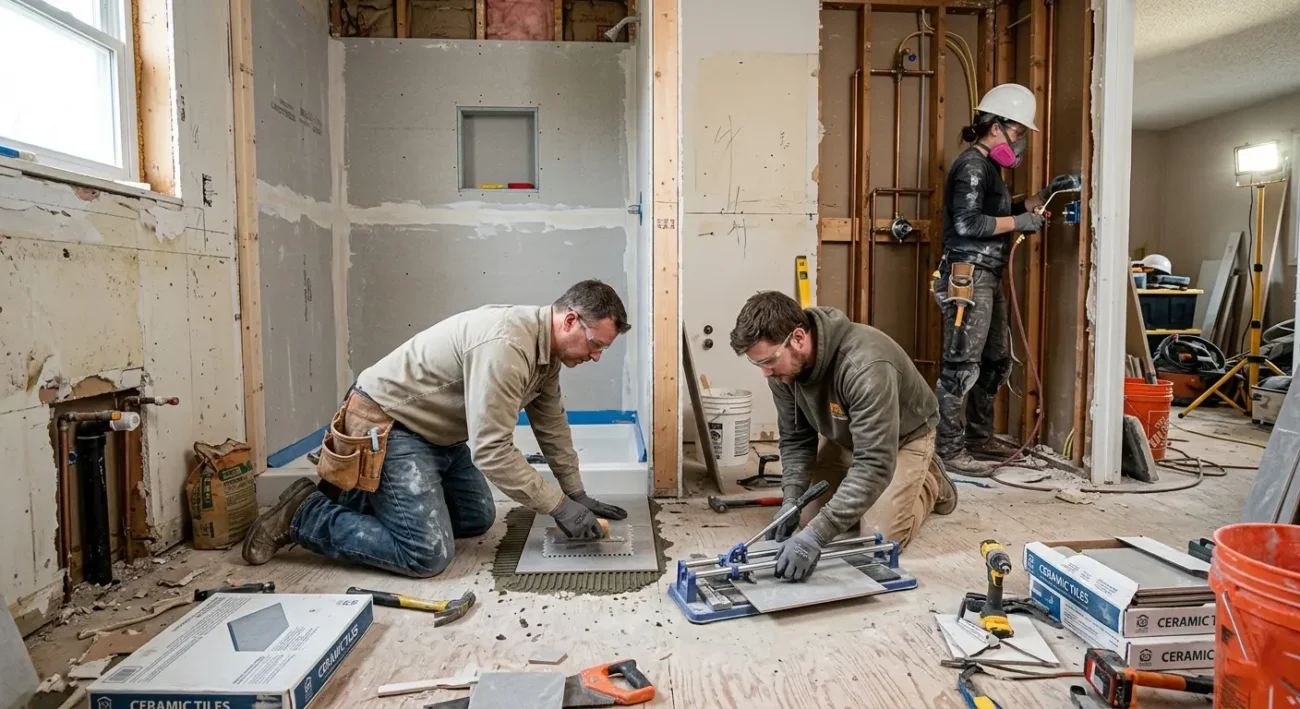
Why the Bathroom Remodel Decision in Brooklyn Starts with Bathtub vs Shower
When you start planning a bathroom remodel in Brooklyn, one of the first choices you face is whether the room should be built around a bathtub or a shower. That single decision shapes the layout, how open the room feels, and how much storage you can fit into tight New York spaces.
It also affects how you live day to day, from fast weekday showers before the subway to bedtime baths for kids or long soaks after work. On top of that, the choice can influence resale appeal, because many buyers still expect at least one bathtub in a home, especially families with young children. So before you fall in love with tile or fixtures, it makes sense to get clear on whether a tub, a shower, or a mix of both really fits your Brooklyn bathroom.
Factors to Consider When Choosing a Bathtub vs a Shower
You might already know whether you “feel like a bath person” or a “shower person,” but a Brooklyn bathroom remodel needs more than just personal taste. When you look at these key factors, the right choice becomes much clearer.
- Space and layout: In many Brooklyn apartments and brownstones, the bathroom footprint is small, so every inch matters. A tub takes more floor area, while a walk-in shower can free up space for storage or a wider vanity.
- Lifestyle and daily routine: If you rush out the door most mornings, a shower keeps up with that fast pace. If you like to slow down at night with a soak, a tub supports that self-care routine.
- Household and future plans: Families with young kids often find a tub more practical for bath time. If you plan to have children later or sell to a family-focused buyer, keeping at least one bathtub can be a smart move.
- Accessibility and safety: Stepping over a high tub wall can be hard for anyone with limited mobility or balance issues. A low-threshold or curbless shower is usually easier and safer to enter and exit.
- Budget and maintenance: Both tubs and showers can range from basic to very high-end, but custom tile-and-glass showers often cost more than a simple alcove tub with a curtain. Tubs can also use more water per bath than a quick shower, which may show up on your utility bills.
- Resale value in the Brooklyn market: Real estate pros often talk about a “one tub rule,” meaning it is wise to keep at least one full bath with a tub, so you do not turn away families. In a dense market like Brooklyn, offering both a modern shower and at least one tub can help your home appeal to a wider group of buyers.
Pro Tip
SR General Construction, NYC, is fully licensed and has over 15 years’ experience of Renovation and Remodeling work in Brooklyn. We’ve completed more than 750 projects for 500+ satisfied clients, and we offer 24/7 support to keep your home safe.
N.B. Do you need bathroom renovation service in Brooklyn? Call SR General Construction NYC for free estimate!
When Bathtub is the Better Choice for Your Brooklyn Bathroom Remodel
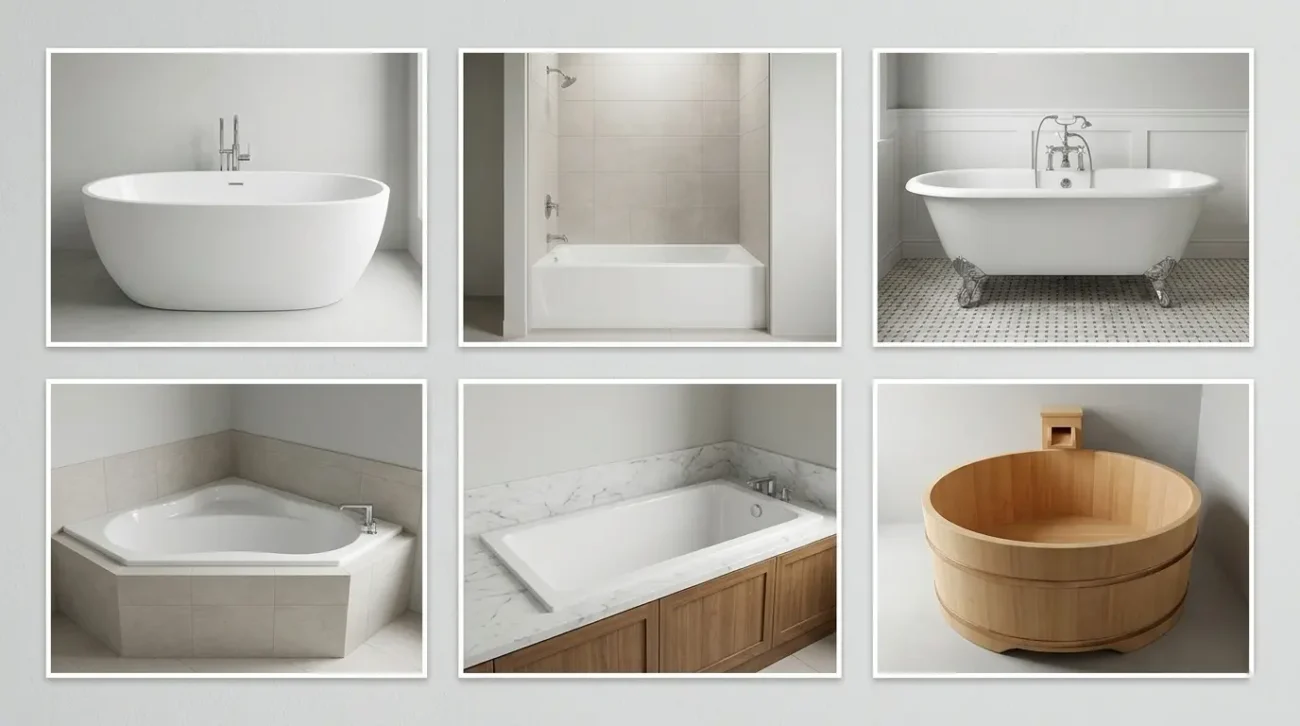
There are plenty of Brooklyn homes where a bathtub is not just “nice to have,” but clearly the better fit. If you have kids, plan to start a family, or expect to sell to buyers with children, a tub can make your bathroom much more practical. A well-chosen tub can also give your space a spa-like feel and act as a focal point that helps your remodel feel more luxurious and complete.
Benefits of Using a Bathtub
- Deep relaxation after a long day: A bathtub lets you slow down, soak, and release stress in a way a quick shower often cannot. Warm water around your whole body can help your muscles and mind unwind.
- Family-friendly for young children: Bath time in a tub is usually easier and safer for small kids than showering them. Many Brooklyn buyers with children still look for at least one full tub for this reason.
- Comfort for sore muscles and joints: Soaking in warm water can ease stiffness and minor aches, especially in a deeper soaking tub. Some tubs also offer jets or air systems for extra comfort and gentle hydrotherapy.
- Strong design statement in your bathroom: A freestanding or sculptural tub can become the star of a Brooklyn primary bathroom. It signals “spa” and “luxury,” which can boost people’s overall perception of the remodel.
- Helps with resale expectations: In many markets, including urban ones, keeping at least one bathtub can protect your buyer pool and make your listing more attractive to families. That is important if you plan to sell within a few years of your bathroom remodel.
- Flexible tub-and-shower combo options: A standard alcove tub with a shower above offers the best of both worlds in one footprint. In a small Brooklyn bathroom, this can be a smart way to keep a tub without losing the convenience of a fast shower.
Drawbacks Of Using a Bathtub
- Needs more floor space: A full-size tub can feel bulky in a compact Brooklyn bathroom. It may limit how big your vanity can be or how much storage you can add.
- Harder to access for some people: Climbing over a tub wall can be risky for seniors, people with injuries, or anyone with mobility issues. A walk-in shower usually gives a safer, lower entry.
- Higher water use than a quick shower: Filling a tub usually uses more water than a short shower, especially if you like deep soaks. Over time, that can increase both your water and energy bills.
- Takes longer to use and clean: A bath takes time to fill and drain, so it may not fit busy weekday routines. You also have a larger surface to scrub, especially if you have soap scum or hard water.
- May not fit every Brooklyn layout: In some narrow or awkward rooms, a tub can make the space feel cramped. In those cases, a slim walk-in shower may simply work better with the existing walls and plumbing.
Key Features
- Tub style and shape: You can choose from alcove tubs that fit against three walls, freestanding tubs that sit like sculptures, or classic clawfoot tubs that suit Brooklyn brownstones with historic charm. Each style changes how open your bathroom feels.
- Material and feel: Common tub materials include acrylic, fiberglass, and cast iron. Acrylic is lighter and easier to install in walk-up buildings, while cast iron retains heat longer and feels very solid underfoot.
- Size and soaking depth: Standard tubs work well for quick baths and showers, while deeper soaking tubs let you fully submerge and relax. Make sure the size fits both your body and the limits of your Brooklyn bathroom.
- Installation type: You can install a tub as a tub-shower combo, a drop-in model set into a deck, or a skirted tub with a finished front. The installation type affects plumbing, tile layout, and how easy the tub is to clean.
- Extra comfort and safety options: Modern tubs can include features such as slip-resistant floors, built-in armrests, lumbar support, grab-bar-friendly rims, and even jets or air bubbles. These features can make a bathtub feel safer and more therapeutic, especially if you plan to age in place.
When Shower is the Better Choice for Your Brooklyn Remodel
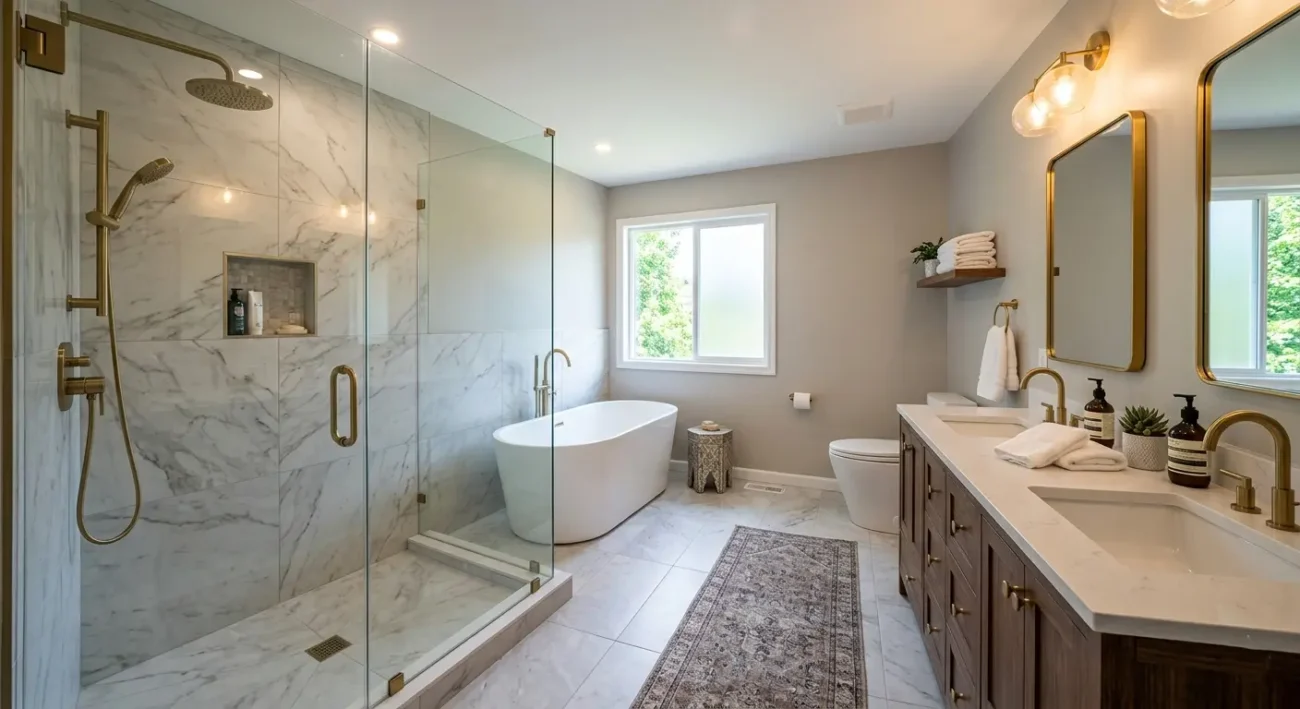
A shower usually wins in Brooklyn when space is tight, and life moves fast. If you want a clean, modern look and an easy, everyday routine, a walk-in shower can turn even a small bathroom into something that feels bigger and more open. With more homeowners swapping tubs for spa-style showers, especially in urban apartments and condos, this option fits both current design trends and many Brooklyn lifestyles.
Benefits of Using a Shower
- Better use of small Brooklyn spaces: A shower, especially a walk-in or corner design, fits neatly into compact bathrooms and odd corners. It frees up room for a larger vanity, extra storage, or just a more open feel.
- Easy everyday routine: If you mostly take quick showers before work or the school run, a dedicated shower matches how you actually live. You step in, rinse, and step out without waiting for a tub to fill or drain.
- Improved accessibility and safety: A low-threshold or curbless shower is easier to enter than a high bathtub wall. This helps if you or a family member has mobility issues now or plans to age in place in your Brooklyn home.
- Modern, high-end look: Frameless glass, large tile, and sleek fixtures give a shower a light, contemporary style that many buyers love. Recent trend reports show homeowners increasingly choosing bigger, more luxurious showers over traditional tubs.
- Shorter showers: A quick shower often uses less water than filling a standard tub, especially if you install a water-saving shower head. Over time, that can help with both your utility bills and your environmental footprint.
- Customizable comfort feature: You can add a built-in bench, a handheld sprayer, a rainfall head, and even steam or smart control. New shower trends focus on wellness features, layered water experiences, and spa-style details that turn a small space into a retreat.
Drawbacks Of Using a Shower
- No soaking option: If you like long, hot baths, a shower will never feel quite the same. You lose that deep, full-body soak unless you have another bathroom with a tub.
- Possible impact on resale if it’s the only bathroom: Some buyers, especially families with small kids, still look for at least one bathtub in a home. Experts suggest thinking carefully before removing the only tub, because it can narrow your future buyer pool.
- More glass and grout to keep spotless: A glass enclosure shows water spots and soap scum faster than a shower curtain. If you pick a lot of small tiles, you also have more grout lines to maintain.
- Can be costly if heavily customized: A fully tiled, curbless shower with custom glass, niches, and multiple heads can cost more than a simple tub-shower combo. Moving drains or walls adds even more to a Brooklyn remodel budget.
- Not ideal for every Brooklyn building: In some older structures, it can be tricky to recess the floor for a true curbless shower. You and your contractor must check joists, plumbing, and building rules before committing.
Key Features of Shower
- Walk-in or curbless entry: A walk-in design with a low or zero threshold makes the shower feel open and easy to access. It also lines up with current accessibility and design trends in city bathrooms.
- Frameless or minimal glass: Clear glass doors or panels keep sightlines open and let light travel through a small Brooklyn bathroom. They also show off your tile, stone, and fixtures.
- Smart and spa-style fixtures: Modern showers can include rainshowers, handheld showers, body sprays, and smart controls for temperature and flow. Many 2025 shower trends focus on wellness, aromatherapy, and multi-sensory experiences.
- Built-in storage and seating: A recessed niche keeps shampoo and soap off the floor, while a built-in bench adds comfort and accessibility. These details matter even more in tight New York layouts.
- Waterproofing and drainage systems: Under the tile, a quality waterproof membrane and a well-sloped pan or linear drain protect your neighbors below. In a Brooklyn remodel, this is critical to avoid leaks and future building issues.
Tub to Shower Conversions in Brooklyn: What You Need to Know
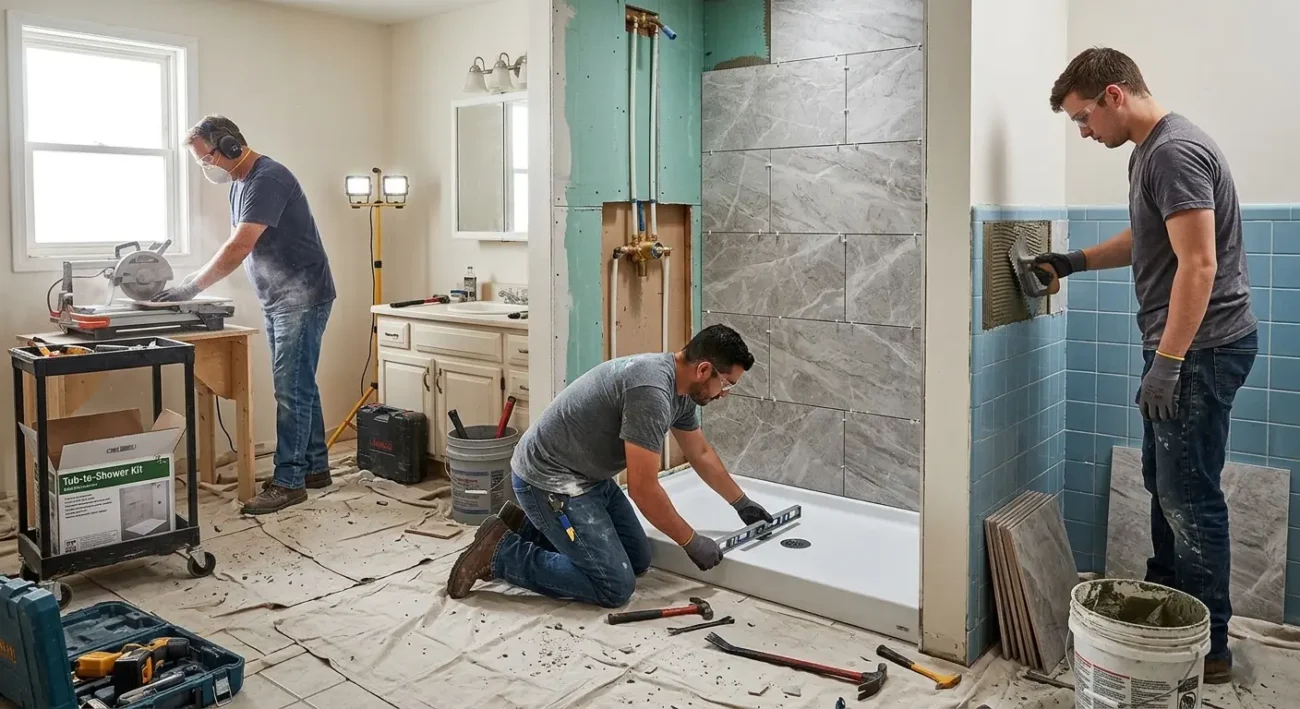
If you already have a tub and almost never use it, converting it to a shower can feel like a fresh start for your bathroom. In Brooklyn, tub-to-shower conversions are one of the most common upgrades because they free up space and improve safety without changing the entire room.
- Why so many Brooklyn owners convert tubs to showers: Many city homeowners are tired of stepping over a tall tub wall every morning, or simply never take baths. A walk-in shower feels more practical for daily life and lets the bathroom match how you actually use it. Recent NYC remodel guides point out that tub-to-shower conversions rank among the most popular bathroom projects, especially for people planning to age in place or upgrade older apartments.
- How a typical tub-to-shower conversion works: Your contractor removes the existing tub, inspects the plumbing, and preps the walls and floor. They then build or install a shower base, waterproof the area, and add tile or wall panels, glass, and fixtures. In Brooklyn buildings, they also coordinate with management on work hours, elevators, and debris removal, which keeps the project smooth.
- Cost and budget factors in Brooklyn: The price depends on the size of your bathroom, material choices, and whether you change plumbing locations. NYC and Brooklyn cost guides show that conversions usually sit in the mid-range: more than a simple cosmetic refresh, but less than a full gut with layout changes. Higher-end tile, custom glass, and upgraded fixtures can raise costs, while standard pans and panels keep costs down.
- Safety and accessibility gains from a conversion: A low-threshold shower reduces the risk of trips and slips compared to a tall tub. You can add grab bars, a bench, and slip-resistant tile to make the space more comfortable for seniors or anyone with mobility concerns. Many New York contractors promote conversions as a way to prepare for aging in place without leaving your Brooklyn neighborhood.
- Why you still want to think about resale before converting: If your home has only one bathroom, removing the only tub can affect how families see the property. On the other hand, if you keep a tub in another bathroom, converting one to a shower usually adds value, especially if it looks modern and is well-built. Real estate and design sources suggest balancing your current comfort with the need to stay attractive to future buyers.
Space & Layout Considerations in a Brooklyn Bathroom Remodel
Space and layout shape almost every decision in a Brooklyn bathroom remodel, because most rooms are narrow, small, or oddly shaped. You usually get the best results by working with the existing plumbing lines, since moving the toilet or the main drain can be expensive and restricted by NYC building rules. A walk-in or corner shower often fits better than a full tub in tight spaces, and clear glass helps the room feel wider and brighter.
Wall-hung vanities, compact toilets, and recessed niches free up floor area so you can move comfortably without bumping into things. You also need to plan door swings carefully, using pocket doors or sliding shower doors where a traditional door would clash with the toilet or vanity. When you balance all of these layout details, the bathroom feels bigger, safer, and easier to use every day, even if the actual square footage never changes.
Material, Finish & Design Trends in Brooklyn Bathroom Remodels

Material and finish choices are where your Brooklyn bathroom remodel starts to show personality. You can lean into a modern loft look, keep things classic for a brownstone, or go full spa with soft colors and natural textures.
- Large-format tile and stone-look surfaces: Big tiles on the walls and floor reduce grout lines and make small rooms feel more open. Stone-inspired porcelain, or “stone drenching,” where you wrap the shower in a single material, is trending for 2025 and works well in high-end Brooklyn bathrooms.
- Walk-in showers with black or brushed brass fixtures: Black and brushed brass shower fixtures keep showing up in design trend reports and inspiration galleries. They give walk-in showers a bold but still timeless look, especially when paired with light tile or warm wood.
- Wet rooms and integrated tub-and-shower spaces: Wet rooms—fully waterproof bathrooms where the shower often shares space with a freestanding tub—are becoming more common in both luxury and compact homes. They make efficient use of space and create a spa-like feel, which aligns with how many Brooklyn homeowners now approach bathroom remodels.
- Spa and wellness details: Heated floors, benches in the shower, rainfall heads, and steam options show up often in current shower and bath studies. These touches help your bathroom feel like a retreat rather than just a functional room off the hallway.
- Biophilic and soft modern styles: Designers are using more natural materials, warm wood vanities, plants, and soft, earthy colors. This softer modern look pairs well with both tubs and showers and feels right at home in Brooklyn’s mix of historic and new buildings.
Easy-to-clean finishes and smart storage: Large tiles, matte fixtures, and soft-close cabinets are popular because they reduce noise and maintenance. In a busy Brooklyn household, those choices save time and keep the bathroom looking fresh longer between deep cleans.
Cost Comparison for Your Brooklyn Bathroom Remodel: Bathtub vs shower
| Remodel level (Brooklyn full bath) |
Bathtub-focused remodel Approx. total cost (USD) |
Shower-focused remodel Approx. total cost (USD) | What usually changes (tub vs shower) |
|---|---|---|---|
|
Basic refresh (keep existing layout & tub/shower) |
≈ $3,000 – $8,000 • Re-caulk or reglaze tub, new fixtures, paint, minor tile repair. |
≈ $3,000 – $8,000 • Same scope if you keep an existing shower and only refresh surfaces. | Cost difference is tiny at this level because you’re not replacing the tub or building a new shower — you’re mainly paying for cosmetics and small repairs. |
|
Standard “rip-and-replace” full bath (5’×8′, no layout change, mid-range finishes) |
≈ $18,000 – $28,000 • New alcove tub + basic tile surround or prefab wall kit. • Mid-range vanity, toilet, lighting, flooring. • Tub + valve usually ≈ $1,500 – $4,000 of the total. |
≈ $20,000 – $32,000 • Swap tub for prefab or simple tiled walk-in shower. • Extra waterproofing and a framed glass door or panel. • Shower base + walls + door often ≈ $3,000 – $7,000. | A straightforward walk-in shower in Brooklyn usually adds about 10–15% more than a standard tub-shower combo because of additional tile work, waterproofing, and glass. |
|
Mid-range upgrade full bath (nicer tile, storage, some custom details) |
≈ $28,000 – $40,000 • New tub (alcove or nicer soaking style) with upgraded tile surround. • Better vanity, medicine cabinet, lighting, heated towel bar optional. • Tub + surround typically ≈ $4,000 – $8,000 inside the total. |
≈ $32,000 – $50,000 • Custom or semi-custom walk-in shower with tile on all walls. • Built-in niche, small bench, upgraded fixtures; frameless or low-profile glass. • Shower area alone can run ≈ $6,000 – $15,000 in Brooklyn. | At this level, a shower-first design often costs a few thousand dollars more than a tub-first plan because of more tile surface, higher-end fixtures, and custom glass enclosures. |
|
High-end primary bath (brownstone or condo ensuite) |
≈ $40,000 – $70,000 • Freestanding soaking tub as a feature plus a standard shower or upgraded tub-shower combo. • Custom vanity, stone counters, designer fixtures, heated floors. • Tub itself (freestanding or luxury) often ≈ $4,000 – $12,000 installed. |
≈ $55,000 – $95,000+ • Large custom walk-in shower or wet room: stone or high-end porcelain, multiple heads, linear drain, full glass. • Often also includes a freestanding tub in the same space. • Shower zone alone can easily reach $15,000 – $30,000+ with premium materials. | In luxury Brooklyn projects, the walk-in shower is usually the single most expensive element. Tubs do add cost, but the layered tile, stone, and glass in a big shower drive the total higher. |
|
Tub-to-shower conversion only (keep rest of bathroom mostly as-is) |
Keep / replace tub: ≈ $3,000 – $8,000 • New alcove tub, basic tile or surround, updated valve & trim. • Least disruption if you stay with a tub in the existing footprint. |
Convert to shower: ≈ $6,000 – $15,000 • Based on national tub-to-shower averages ($1,200 – $8,000) adjusted upward for NYC labor, permits, and custom tile or glass. • Prefab acrylic kit is at the low end; fully tiled walk-in with glass is at the high end. | A Brooklyn tub-to-shower conversion often lands at the top of national price ranges because of higher labor rates, DOB permits, and co-op/condo rules, but it’s still cheaper than a full gut remodel. |
Ventilation, Moisture & Building Challenges in Brooklyn Bathroom Remodels
In Brooklyn, a bathroom remodel is not just about pretty tile; it’s also about controlling moisture in older, often tightly packed buildings. Good ventilation protects your new finishes, your indoor air, and even your neighbors’ ceilings.
- Dealing with heavy steam in small, enclosed bathrooms: Hot showers in compact, windowless Brooklyn bathrooms create a lot of humidity in a very small space. Without a strong exhaust fan that vents outside, that moisture lingers and can lead to peeling paint, musty smells, and mold.
- Meeting NYC ventilation code in apartments and condos: New York City code requires bathrooms to have either a properly sized operable window or a mechanical exhaust fan that vents outdoors, with a specific minimum airflow rate. In many apartments, that means you must upgrade or add a fan to meet the 20/50 CFM mechanical exhaust requirements in the NYC Mechanical Code.
- Fixing old or broken exhaust fans in Brooklyn buildings: Many older buildings still have noisy, weak, or completely dead fans, or fans that never actually vented to the exterior. Repairing or replacing them with a quiet, properly ducted model is one of the simplest ways to protect your new bathroom and reduce moisture problems.
- Making sure the duct really vents outside, not into a shaft or attic: Some fans dump moist air into a shaft, attic space, or even a wall cavity, which can cause hidden rot and mold in the structure. As part of your remodel, your contractor should trace and correct the duct path so the fan vents straight to an exterior wall or the roof.
- Working around shared walls and strict building rules: In multi-family buildings, you have shared walls, limited chase space, and strict rules on where you can run new ducts. Your contractor must coordinate with building management and, if needed, an engineer to plan safe, code-compliant vent routes that don’t disturb neighbors.
What design trends are most popular for bathroom remodels (Bathtub vs Shower) in Brooklyn in 2026
Here are the key bathtub vs. shower–related looks driving projects going into 202:6:
- Walk-in and curbless showers with frameless glass and minimal hardware.
- Wet rooms that combine a soaking tub and open shower in one fully tiled, drain-centered space.
- Larger “expanded” showers with built-in benches, niches, and multiple showerheads.
- Freestanding soaking tubs, often flat-bottom or sculptural, are used as a focal point in primary baths.
- Hybrid layouts that keep one beautiful tub but pair it with a tech-forward, spa-style shower for daily use.
- Tile “drenching” – using the same tile on floors and walls around the tub and shower for a seamless, immersive look.
- Warm, natural finishes like wood-look vanities, textured stone, and earth-tone tiles instead of all-white schemes.
- Low-maintenance, grout-light surfaces and wall panels around showers and tubs to cut cleaning time.
- Smart and wellness features like digital shower controls, steam options, and mood lighting.
Which Path Should You Take Between Bathtub and Shower
If you have only one bathroom and you see kids or family buyers in your future, keeping at least one bathtub is usually the safer path. If your home has more than one bath, or you never use the tub you have now, a roomy walk-in shower often serves your daily life better and lines up with current trends. In the end, the best choice is the one that fits your space, your routine, and your long-term plans for living in—or selling—your Brooklyn home.
Where to Find the Best Brooklyn Contractors
Are you looking for an expert contractor in Brooklyn, NYC? SR General Construction has you covered! Our business is located at 8807 Avenue B, Brooklyn, NY 11236, United States, in the Canarsie area.
Additionally, we offer services at Rockaway Parkway and Ralph Avenue, providing fast access to Flatlands, East Flatbush, Bergen Beach, Brownsville, and the Spring Creek section of East New York.
FAQ
1. Is a bathtub or a shower better for a typical Brooklyn bathroom remodel?
An AA shower often fits better in small Brooklyn bathrooms, while a tub works well for families or homes with more space. Your choice depends on lifestyle, layout, and long-term plans.
2. Will removing my only bathtub for a shower hurt resale value in Brooklyn?
Yes, removing the only tub can reduce appeal for buyers with kids. If you have another bathroom with a tub, the impact on resale is minimal.
3. How does the small size of Brooklyn bathrooms affect the tub vs shower decision?
Small bathrooms usually benefit from a walk-in shower because it takes up less space. A tub can make a compact room feel tight and limit layout flexibility.
4. How long does a tub-to-shower conversion take in a Brooklyn apartment?
The work itself may take only a few days. Building approvals and scheduling can extend the total project time.
5. Which uses more water in a Brooklyn home – a bath or a shower?
A full bath typically uses more water than a quick shower. If you want to save water, a low-flow showerhead helps even more.
6. What type of shower works best in a narrow Brooklyn bathroom?
Corner or walk-in showers with clear glass save space and keep the room open. Sliding doors or fixed glass panels also work better than swinging doors.