

What if you could skip months of renovation chaos in Brooklyn by getting the order just right from day one?
In a city like Brooklyn, renovating a brownstone, townhouse, or pre-war apartment is a balancing act: cracked masonry, outdated wiring, water leaks, plus tricky permits. In this post, you’ll discover a clear, step-by-step guide to “Prioritize Home Renovation” the smart way made for Brooklyn homes.
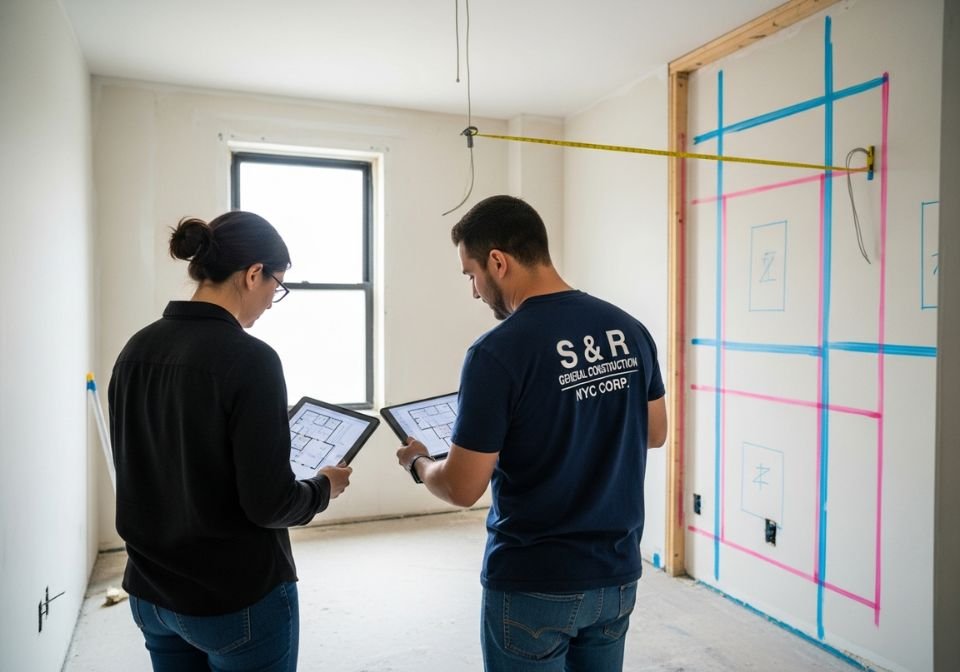
What Does It Mean to “Prioritize Home Renovation” in Brooklyn?
When you “prioritize home renovation” in Brooklyn, you decide what needs attention first rather than taking on random projects. You look at safety, building rules, and daily comfort before you think about style and décor. Because Brooklyn homes are often older brownstones, townhouses, or pre-war apartments, you can’t treat them like new construction. You need a clear work order so you don’t redo work, waste money, or run into problems with the city.
Summary of: Home Renovation Priority Checklist
| Step | Home Renovation Priority (Brooklyn) |
|---|---|
| 1 | Define your goals, budget, and renovation timeline. |
| 2 | Inspect and assess the current condition of your Brooklyn home. |
| 3 | Understand NYC DOB permits and, if needed, Landmark (LPC) rules. |
| 4 | Decide whether you will live in the home during renovation and plan phases. |
| 5 | Prioritize structural repairs (foundation, roof, façade, load-bearing elements). |
| 6 | Secure the building envelope: fix leaks, windows, doors, and waterproofing. |
| 7 | Upgrade essential systems: electrical, plumbing, and HVAC. |
| 8 | Add energy-efficient improvements while walls are open (insulation, efficient equipment). |
| 9 | Renovate high-impact spaces: kitchen and bathrooms. |
| 10 | Finish interior work: layout tweaks, drywall, flooring, trim, and paint. |
| 11 | Complete final touches, inspections, and move-in styling. |
How to Prioritize Home Renovation in Brooklyn
You start by getting a clear picture of your home’s condition and your own goals. Then you put projects in a smart order: safety and structure, then systems (electric, plumbing, HVAC), then kitchens and bathrooms, and finally finishes. Along the way, you also check NYC rules and permits so every step is legal and stress-free.
Define Your Goals, Budget, and Timeline Before Touching Anything
Before you call a contractor, take a moment to decide what you really want from this renovation. Are you planning to live here long-term, rent it out, or sell it in a few years? Your budget should match that goal: in Brooklyn, even a modest interior renovation can start at $40,000–$75,000, while full brownstone or large-apartment projects can reach six figures, depending on scope and finishes. Think in phases and set a timeline, such as “essential repairs this year, kitchen next year,” so you stay in control instead of feeling rushed.
Inspect and Assess the Current Condition of Your Brooklyn Home
Before you pick tile or paint colors, you need to know what you’re working with. A calm, honest look at your home will show you what must come first and what can wait.
- Check the structure: Look for sagging floors, large wall cracks, sticking doors, or sloping stairs. These can be signs of movement or structural stress and should precede any cosmetic work.
- Look for water and moisture issues: Walk through the home after rain if you can, and scan ceilings, corners, and the basement or garden level for stains, damp patches, or musty smells. Fixing leaks and waterproofing early protects every other dollar you spend later.
- Review the electrical system: Note old fuse boxes, frequently tripped breakers, or outlets that feel warm. If your wiring is outdated, you’ll want an electrician to upgrade it before you close walls or invest in new appliances.
- Assess plumbing and drains: Run taps, flush toilets, and listen for strange noises or very slow draining. Old pipes or a failing main line can cause leaks and water damage, so it’s safer and cheaper to deal with them before new floors or tile go in.
- Pay attention to heating and cooling: Check how well your radiators, boiler, or mini-split units actually heat and cool each room. If certain rooms are always too hot or too cold, you may need HVAC upgrades early in your renovation plan.
- Watch for health hazards: In older Brooklyn homes, peeling paint, crumbling pipe wrap, or suspicious materials may point to lead or asbestos. If you suspect this, bring in a professional to handle it safely and in line with NYC rules.
Understand NYC DOB Permits and Landmark Rules Before You Prioritize Projects
- NYC Department of Buildings (DOB) permits: Many “real” renovation tasks in Brooklyn – like moving walls, changing plumbing lines, upgrading electrical systems, or altering exits – need DOB permits. If you skip permits, you risk fines, stop-work orders, and trouble later when you try to sell or refinance.
- ALT1 vs. ALT2 and filing types: Larger layout changes or work that affects how the building is used often fall under bigger filings (commonly called ALT1), while more limited interior changes might use ALT2. Your architect or contractor usually handles this, but you still need to know that the filing type affects how long it takes to get approvals.
- Landmark Preservation Commission (LPC) rules: If your home is in a historic district or is landmarked, you may need LPC approval for exterior work like windows, doors, façades, stoops, and sometimes visible rooftop changes. LPC can influence what materials and designs are allowed, so you must factor this in before you plan big exterior changes.
- Building, co-op, or condo rules: If you live in a co-op or condo, your board may have its own renovation rules: allowed work hours, wet-over-dry restrictions, and approved contractors. These rules can limit what you do first (for example, bathrooms or kitchens) and how fast you can move.
Prioritize Structural Repairs as Your First On-Site Projects
Once you understand your home and the rules, you tackle structural work first. If a floor is sagging, the roof leaks, or the façade is cracked, those issues sit at the very top of your list. Structural repairs protect your safety and investment and create a solid base for every other upgrade. When you fix the “bones” of the home first, you avoid tearing up new finishes later to solve old problems.
Secure the Building Envelope: Weatherproofing and Exterior First
Before you put money into the inside of your home, you and I need to make sure the outside can actually protect it. If water and cold air keep getting in, every new finish you install is at risk.
- Fix the roof and flashing first: Repair or replace damaged shingles, membranes, and metal flashing around chimneys, skylights, and walls. This step stops leaks at the top, which are some of the most destructive problems in Brooklyn homes.
- Clear and repair gutters and downspouts: Ensure gutters are free of debris and that downspouts direct water away from the foundation. Good drainage keeps rainwater from pooling near your walls and in your basement.
- Seal and repair exterior walls: Patch cracks in brick, stone, or stucco and repoint crumbling mortar joints. Tight, well-kept masonry helps keep out water and drafts and protects the structure.
- Check windows and exterior doors: Replace broken glass, failed seals, and warped frames, and add proper weatherstripping. When windows and doors close tightly, your home feels warmer, quieter, and more comfortable.
- Address basement or garden-level moisture: Look for damp spots, peeling paint, or white stains on walls and floors. You may need better drainage, interior sealing, or a sump system to keep that lower level dry.
Upgrade Essential Systems: Electrical, Plumbing, and HVAC (MEP)
Now that the shell of your home is secure, it’s time to deal with the systems that keep you safe and comfortable every day. These are the parts you hide behind walls and ceilings, so it makes sense to get them right now. Think of this step as the nervous system, veins, and lungs of your home.
- Electrical upgrades: Start by having a licensed electrician check your panel, wiring, and outlets. In many older Brooklyn homes, the panel is too small for today’s appliances and may still feed old or unsafe wiring. Upgrading the panel, adding new circuits, and installing grounded outlets reduces fire risk and annoying breaker trips. This also gives you enough capacity for a modern kitchen, AC units, and any future additions.
- Plumbing improvements: Ask a plumber to inspect your main water line, drain lines, and visible pipes. Old, galvanized, or corroded pipes can reduce water pressure and increase the risk of leaks in walls and ceilings. Replacing these lines before you renovate bathrooms or kitchens saves you from having to rip out new tile or cabinets later. While you’re at it, you can also add shutoff valves and plan for any new fixtures you want.
- HVAC and heating updates: Have a professional evaluate your boiler, radiators, ductwork, or mini-split system. Many Brooklyn homes have uneven heat, old equipment, or no proper cooling at all. Upgrading to more efficient systems and improving air distribution will make the home more comfortable year-round. This is also a good time to consider smart thermostats and zoning to avoid wasting energy heating or cooling rooms you rarely use.
Layer In Energy-Efficient Upgrades While Walls Are Open
While contractors have walls and ceilings open, you have a perfect chance to boost comfort and cut future bills. Doing this later is harder, messier, and more expensive.
- Add insulation where it matters most: Ask your contractor to insulate exterior walls, ceilings, and areas around windows and doors. This helps keep heat inside in winter and outside in summer.
- Seal gaps and air leaks: Use caulk, foam, or gaskets around penetrations, outlets, and framing joints. Small gaps add up, and sealing them can make the home feel less drafty and quieter.
- Upgrade to efficient equipment and fixtures: Choose high-efficiency boilers, mini-splits, or heat pumps, plus low-flow fixtures and LED lighting. These upgrades lower your monthly costs and are easier to install now than after everything is finished.
- Consider better windows if the budget allows: If you plan to change windows, pick models with good insulation values and proper installation. In the attached Brooklyn homes, good windows also help cut street noise.
Prioritize High-Impact Rooms After Safety and Systems: Kitchen and Bathroom
Once your home is safe, dry, and up to date behind the walls, it’s smart to focus on the kitchen and bathrooms. You use these rooms every single day, so improvements here instantly change how your home feels. Buyers and appraisers also look closely at these spaces, so the money you spend here often comes back in the form of added value. Updating a kitchen can improve storage, workflow, and how you cook and gather with friends or family. A modern bathroom offers comfort, more efficient water use, and a cleaner, fresher look that makes your daily routine easier and more enjoyable.
Plan the Interior Work Order for the Rest of the Home
After you tackle the big rooms, you and your contractor should map out the rest of the interior in a clear sequence. A good plan prevents trades from stepping on each other’s work and keeps your schedule realistic.
Start by listing the remaining spaces: living room, bedrooms, hallways, and any flex spaces or home offices. Then, follow a simple order: layout changes and framing, rough-in work (if any), wall repair, flooring, trim, and finally paint. Try to move from the messiest work to the cleanest so you don’t damage fresh finishes. It also helps to group similar tasks together, like doing all the flooring at once, to save time and labor costs.
Address Finishing Touches
At this point, the heavy work is behind you, and now it’s time to make the home feel truly finished. These last details may seem small, but they pull everything together and affect how you experience every room.
- Install lighting fixtures and hardware: Hang your final light fixtures, and add handles, knobs, and hooks. These small pieces shape the look and feel of your doors, cabinets, and storage.
- Complete trim, caulking, and final paint: Touch up baseboards, door casings, and crown molding, and fill any small gaps. A clean line of caulk and a smooth coat of paint can make the space look polished.
- Set up closets and storage: Add shelves, rods, and organizers in closets, pantries, and built-ins. Good storage makes the home easier to live in and helps you stay organized from day one.
- Do a deep clean and walkthrough: Arrange a thorough cleaning to remove dust and debris. Walk through the home with your contractor, make a punch list of small fixes, and confirm everything works as you expect.
- Style the space with furniture and décor: Place your main furniture, rugs, and window treatments, and add art or plants. This final step lets you enjoy all the work you’ve done and finally feel “at home” again.
What is Brownstone Gut Renovation
When you hear “brownstone gut renovation,” think of taking a Brooklyn brownstone back to its shell and rebuilding almost everything inside. Contractors strip out interior walls, old finishes, and most or all of the electrical, plumbing, and HVAC systems, often down to the studs and joists. This kind of project usually includes a new layout, new kitchens and bathrooms, new mechanical systems, and updated insulation and windows. Because it’s so deep and complex, it sits at the higher end of renovation cost ranges, especially for historic Brooklyn brownstones.
Which renovations should I do first in my Brooklyn home to stay safe and legal?
To stay safe, you start with structure and water: fix any serious cracks, sagging floors, roof leaks, and basement moisture before you touch cosmetics. Next, you bring electrical, plumbing, and HVAC up to modern standards so your home is safe to live in and ready for new kitchens and bathrooms. To stay legal, you (or your architect/contractor) confirm which work needs NYC Department of Buildings permits and, if you’re in a historic district, any Landmarks Preservation Commission approvals before major construction starts.
How much does it typically cost per square foot to renovate a Brooklyn Home in 2025?
| Brooklyn Home Type & Scope (2025) | Typical Cost (USD / sq ft) | What This Usually Includes |
|---|---|---|
| Brooklyn apartment – light refresh (non-gut) | $250 – $350 / sq ft | Paint, refinishing floors, basic fixture swaps, minor carpentry, no layout changes, limited or no plumbing/electrical rerouting. |
| Brooklyn apartment – full interior renovation | $350 – $450 / sq ft | New kitchen and baths with standard–mid-range finishes, new flooring, lighting, some electrical and plumbing upgrades, most rooms touched. |
| Brooklyn apartment – high-end / gut renovation | $450 – $800+ / sq ft | Full gut, layout tweaks, multiple wet spaces, custom millwork, higher-end fixtures and finishes, extensive MEP upgrades. |
| Brooklyn townhouse / brownstone – cosmetic upgrade | $200 – $300 / sq ft | Refinishing existing floors, new paint, some fixture changes, light carpentry, limited system work, original layout mostly intact. |
| Brooklyn townhouse / brownstone – full renovation | $350 – $550 / sq ft | New kitchens and baths, significant electrical and plumbing work, some structural repairs, improved insulation, most surfaces renewed. |
| Brooklyn brownstone – gut renovation (down to shell) | $400 – $600+ / sq ft | Strip to studs, new layout, all-new MEP systems, extensive structural and façade work as needed, high coordination with DOB/LPC. |
| Wet spaces in Brooklyn (kitchens & bathrooms) | $300 – $400+ / sq ft (within overall budget) | Higher per-sq-ft cost inside kitchens and baths due to plumbing, waterproofing, tile, cabinetry, and higher material and labor intensity. |
Where to Find the Best Brooklyn Contractors
Are you looking for an expert contractor in Brooklyn, NYC? SR General Construction has you covered! Our business is located at 8807 Avenue B, Brooklyn, NY 11236, United States, in the Canarsie area.
Additionally, we offer services at Rockaway Parkway and Ralph Avenue, providing fast access to Flatlands, East Flatbush, Bergen Beach, Brownsville, and the Spring Creek section of East New York.
FAQ
1. What is the correct order to renovate a home in Brooklyn?
You usually start with planning and inspection, then handle structure and water issues, followed by electrical, plumbing, and HVAC, and finally kitchens, bathrooms, and finishes. This order helps you avoid redoing work and keeps the project safer and more efficient.
2. Which renovations should I do first in my Brooklyn home to stay safe and legal?
Fix structural problems, leaks, and any obvious safety hazards first, then upgrade outdated wiring and plumbing. At the same time, confirm which work requires NYC Department of Buildings (DOB) permits to avoid stop-work orders or fines.
3. How do I know if my Brooklyn brownstone needs structural work before cosmetic upgrades?
Watch for sagging floors, major wall cracks, sticking doors, or visible movement in stairs and façades. If you see any of these signs, bring in a NYC-experienced architect or engineer before you spend on finishes.
4. Should I renovate my kitchen or bathroom first in a Brooklyn home?
After safety and systems, most people tackle the kitchen and main bathroom first because they affect daily life the most and add strong resale value. If you only have one full bath, that room often becomes the top priority.
5. How much does it cost per square foot to renovate a Brooklyn home in 2025?
Recent guides list many NYC apartments and townhouses at roughly $250–$600+ per sq ft, with basic non-gut work at the low end and full gut or high-end projects at the high end. Brownstones often sit in the $200–$500+ per sq ft range, depending on structure, façade, and Landmark requirements.
6. What are the biggest mistakes homeowners make when deciding what to renovate first?
Common mistakes include spending on paint and décor before fixing leaks, ignoring permits, and underestimating how old wiring or plumbing will affect new work. Another big one is starting several rooms at once without a clear sequence, which stretches the budget and timeline.
wish you all the best
Mass comment blasting: $10 for 100k comments. All from unique blog domains, zero duplicates. I will provide a full report and guarantee Ahrefs picks them up. Email mailto:helloboy1979@gmail.com for payment info.If you received this, you know Ive got the skills.