


Why do so many Brooklyn homeowners start a renovation feeling confident, only to discover unexpected costs hiding behind every wall, pipe, and permit?
Brooklyn homes have character, but that character often comes with decades of wear, outdated systems, and rules that aren’t obvious until you’re already mid-project. A renovation that seems simple on the surface can quickly grow once inspectors, boards, or contractors uncover issues that weren’t visible during the initial assessment.
In this guide, we’ll walk you through the hidden costs in home renovation that homeowners in Brooklyn, NYC, face most often. You’ll get a clear look at why budgets inflate, what kinds of repairs or fees tend to catch people off guard, and how Brooklyn-specific factors impact the final price.
Most Common Hidden Home Renovation Costs in Brooklyn
When you renovate in Brooklyn, a lot of the real money doesn’t sit in the pretty finishes. It hides in the background work that keeps your home safe, legal, and liveable.
- Permits, plans, and NYC DOB filings: You usually need architectural drawings and permits for any work that touches walls, plumbing, or electrical systems in Brooklyn, especially in co-ops, condos, and brownstones. These can add several thousand dollars in design and filing fees alone, and bigger projects can see paperwork and permits climb into the tens of thousands.
- Co-op, condo, and building fees: Many Brooklyn apartments sit in co-op or condo buildings that charge alteration fees, review fees, and large refundable deposits before you touch anything. It’s common for these combined building costs to land in the $5,000–$25,000 range before construction even starts.
- Structural surprises in older homes: Brooklyn’s pre-war buildings and brownstones often have hidden issues, such as rotted joists, uneven floors, or mislabeled load-bearing walls. Once your contractor opens things up, you may need engineering, extra framing, or steel, which can quickly push your budget up.
- Plumbing and electrical system upgrades: Old galvanized pipes, weak water pressure, and outdated wiring are very common in older Brooklyn stock. Bringing these systems up to code can add five figures to a project, especially if you have to upgrade risers, panels, or run new circuits throughout the home.
- Asbestos, lead, and other hazard removal: Many Brooklyn properties built before 1978 may contain asbestos in plaster, tiles, or pipe insulation and lead in paint and trim. If tests come back positive, you must hire certified pros for remediation, which can add thousands to a renovation budget.
- Protection, delivery, and debris handling: Contractors have to protect common halls, elevators, and floors, and often coordinate curbside deliveries and private trash hauling. In NYC, these “logistics” items—hallway protection, scaffolding, container fees, and extra labor—can quietly add 5–10% to your total cost.
- Temporary housing and storage: If your renovation shuts down your only kitchen or bath—or if it’s a full gut—you may not be able to stay in the home. Paying for a short-term rental and storage for a few months becomes a real line item, not an afterthought.
The Possible Hidden Costs in Home Renovation.
Even if your Brooklyn home looks “fine” during a walk-through, some costs only surface once demolition starts or plans hit the board’s desk. Thinking through these ahead of time gives you a more honest budget.
- Hidden water damage and rot: A small stain or soft spot can hide major rot in framing, subfloors, or window surrounds. Once opened, you may need new framing, insulation, and finishes, not just a bit of patching.
- Leveling floors and fixing old work: Many brownstones and pre-war apartments have sloped floors and walls that are far from square. Leveling, reframing, or correcting old DIY work adds labor and materials that weren’t obvious from the original walkthrough.
- Moving kitchens, bathrooms, or “wet” areas: Shifting kitchens or baths, or adding new wet spaces, often means extra plumbing, venting, and board scrutiny. In co-ops, especially, “wet-over-dry” rules and tight riser layouts can make these changes far more expensive than a simple in-place update.
- Upgrading to meet new code or LPC rules: Code updates and landmark rules can trigger additional insulation, fire-rating, energy, or façade requirements. These are not optional, and they can change the scope—and cost—of what looked like a simple design idea.
- Custom finishes, built-ins, and “small” design upgrades: It’s easy to start with standard finishes and then fall in love with custom millwork, imported tile, or special lighting once plans are underway. Each “small” upgrade adds time and cost, and together they can move your project into a higher budget tier.
- Material price changes and lead times: NYC renovation costs are sensitive to tariffs, supply chain issues, and demand for skilled tradespeople. If the materials you chose months ago jump in price or go on backorder, you may end up paying more or scrambling for alternatives mid-project.
- Extra professional help (engineers, expediter, third-party inspectors): Sometimes your architect or contractor needs backup from a structural engineer, mechanical engineer, or permit expediter to satisfy DOB or building requirements. Those professional hours are real hidden costs if you didn’t include them in your first rough budget.
How Much Does Home Renovation Cost in Brooklyn?
| Project Type | Typical Cost Range (Brooklyn, 2024–2025) |
|---|---|
| Minor / partial home renovation (1–2 rooms) | $75,000 – $150,000 |
| Mid-range full home renovation | $150,000 – $300,000 |
| High-end full home renovation | $300,000 – $500,000+ |
| Full apartment renovation (mid-tier) | ≈ $250 – $450 per sq ft |
| Full apartment renovation (luxury / estate-condition) | ≈ $450 – $800+ per sq ft |
| Brooklyn brownstone / townhouse full gut | ≈ $400 – $800+ per sq ft |
| Standard Brooklyn kitchen remodel | $25,000 – $80,000 |
| High-end brownstone kitchen | $65,000 – $150,000+ |
| Standard bathroom renovation | $15,000 – $50,000 |
| Primary / luxury bathroom renovation | $50,000 – $100,000+ |
| Basement / cellar renovation | $100,000 – $250,000+ |
| Brownstone façade work (light → full) | ≈ $10,000 – $100,000+ |
| Architect, design & engineering fees | ≈ 10% – 20% of construction cost |
| Permits, filings & inspections (DOB + testing) | ≈ $5,000 – $30,000+ |
| Co-op / condo board fees & deposits | ≈ $5,000 – $30,000+ |
| Temporary housing & storage | ≈ $3,000 – $10,000+ per month |
How to Avoid Running into Hidden Costs in Home Renovation

You can’t remove every surprise, but you can shrink the list and soften the blow. The key is to front-load the thinking rather than react once the walls are open.
- Start with real inspections, not just a quick walk-through: Bring in a contractor and, where appropriate, an engineer to review the structure, plumbing, and electrical systems before you finalize your scope. Paying for a few hours of expert probing now is far cheaper than discovering a major defect halfway through.
- Ask for a detailed, line-item scope and contract: Don’t settle for “bathroom – $40,000” as a single line. Ask your contractor to break out demo, rough work, finishes, permits, protection, and contingencies so you can see where hidden costs tend to creep in.
- Get your building’s rules and alteration agreement up front: If you’re in a co-op or condo, request the alteration agreement and house rules before design goes too far. This tells you exactly what the board will and won’t allow, what insurance they require, and what fees and deposits you’ll owe.
- Build a real contingency into your budget: For Brooklyn’s older homes, plan for 10–20% of your budget as a contingency; many pros lean toward the higher end for brownstones and estate-condition units. Treat this buffer as part of the budget, not optional “extra” money.
- Lock in most design decisions before construction starts: Finalize layouts, appliance specs, fixtures, and tile as early as possible. The fewer big changes you make mid-project, the fewer expensive change orders you see.
- Work with Brooklyn-experienced, licensed professionals: A team that understands DOB, LPC, and local boards can flag potential issues in advance and incorporate them into the plan. They’re also better at staging, protection, and logistics in tight brownstone blocks and walk-ups, which keeps “surprise” costs down.
- Plan your living situation and schedule honestly: If you know you’ll need to move out for three to six months, you can bake in rent and storage costs from day one. That’s much less painful than scrambling for a short-term rental after day three of demolition.
Factors Affecting Home Renovation Costs
Two Brooklyn homes can look similar from the street, yet have completely different renovation budgets. The difference usually comes down to a handful of big factors that shape every line of the estimate.
- Scope and size of the project: A light cosmetic refresh is a world apart from a gut renovation that opens walls, replaces systems, and changes the layout. The more spaces you touch—and the more layers you reach behind the finishes—the higher your cost per square foot climbs.
- Property type and age: Brownstones, pre-war co-ops, and older townhouses often need structural work, new wiring, and full plumbing upgrades, while many newer condos need less behind-the-walls repair. Older stock usually means more surprises and a larger contingency.
- Existing condition (move-in vs. estate condition): An apartment or house that’s been updated in the last 10–15 years will usually be cheaper to renovate than an “estate” unit that has original everything. Estate-condition homes often require extensive demo, hazardous-material testing, and full system replacement.
- Level of finishes and customization: Standard cabinets, appliances, and tile will keep your budget in a lower band. Custom millwork, stone, designer fixtures, and high-end details can easily push a Brooklyn renovation into the $450–$800+ per-square-foot range.
- Layout changes vs. like-for-like upgrades: Keeping kitchens and baths in the same spot is always cheaper than moving plumbing stacks, vents, or gas lines. Once you start changing room locations, you bring in more engineering, permit complexity, and labor.
- Building rules, neighborhood, and logistics: Landmark districts, prime brownstone blocks, and strict co-op buildings often bring higher expectations and more rules, which translate into higher costs. Walk-ups, narrow streets, and difficult access can also increase labor time and logistics costs compared to more straightforward sites.
- Regulations, code updates, and market conditions: New DOB code requirements, energy rules, and shifts in labor or material prices all feed into your final numbers. In 2025, many NYC contractors report higher electrical, HVAC, and framing costs due to tariffs and code changes, which hit complex renovations hardest.
Co-op, Condo & HOA Fees: The Building-Level Hidden Costs
If you live in a Brooklyn co-op or condo, the building itself can add high costs before construction even starts. Most boards require you to sign an alteration agreement, pay review fees, and put up a security deposit or escrow—often in the $5,000–$25,000+ range for larger projects. On top of that, you may see extra charges for elevator reservations, hallway protection, and management or legal review tied to your renovation package. Some buildings also insist on high insurance limits and specific licensed contractors, which can quietly raise your labor costs. All of these building-level items sit outside your contractor’s quote, so if you don’t ask about them early, they land as “surprise” costs that hit your budget hard.
Plumbing, Electrical & HVAC Upgrades You Didn’t Plan For
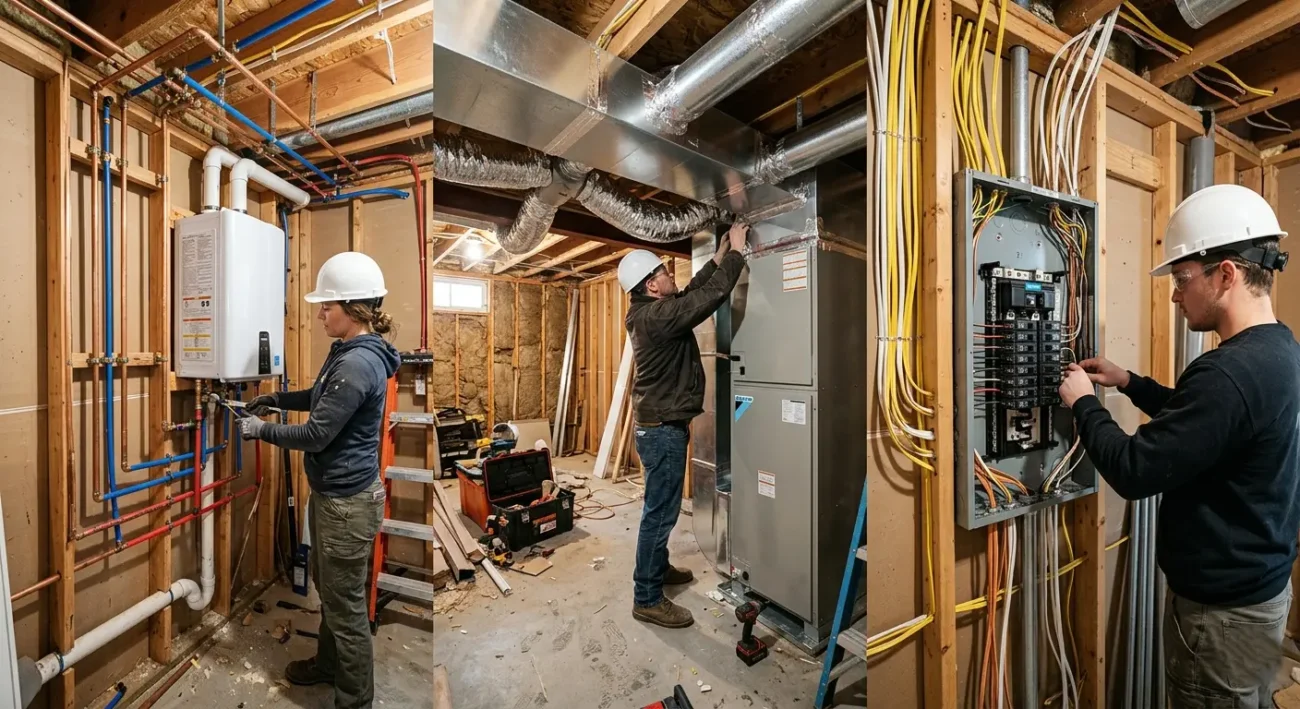
When you renovate in Brooklyn, hidden problems in plumbing, electrical, and HVAC systems often surface only after walls and ceilings come down. Old buildings may still have galvanized pipes, outdated wiring, or undersized electric panels, and bringing them up to modern code can add thousands of dollars to your project.
In many pre-war co-ops and brownstones, you might also need extra circuits for new appliances or more powerful HVAC, which means more labor and new lines. If you decide to add or upgrade central air in a narrow townhouse, you may need ductwork, condensers, and patching to all the areas opened for installation. Because these systems affect safety and comfort, you can’t ignore them, so it’s wise to expect at least some behind-the-walls upgrades when you budget.
Smart Budgeting for Hidden Costs in Brooklyn Renovations
When you plan your budget in Brooklyn, you want it to be honest, not optimistic. That means planning for what you can’t see yet, not just what’s on the mood board.
- Start with a full-picture estimate, not a bare-bones quote: Ask your contractor to include permits, design fees, protection for halls/elevators, board fees, and cleanup, not just “materials and labor.” A detailed, line-by-line estimate makes it much easier for you to spot missing or “mystery” costs before you add a real contingency: at least 10–20% (and more for old brownstones). Many NYC renovation pros recommend setting aside 10–20% of the construction budget for unknowns, such as hidden damage or system upgrades.ades.grades. For older brownstones or estate-condition units, you might push that to 20–25% because surprises are more likely.
- Get your building and city rules up front: Before you finalize scope, you should read your co-op/condo alteration agreement and talk to your contractor about DOB and, if relevant, Landmarks rules. When you know the exact fees, deposits, and work limits your building and NYC will impose, you can plug them into the budget instead of getting blindsided.
- Prioritize and phase your wish list: Make a clear list of “must-have now” vs. “nice-to-have later” items and price them separately. That way, if hidden costs eat into your budget, you can pause or defer lower-priority upgrades instead of cutting corners on safety or code work.
Common Home Renovation Projects in Brooklyn
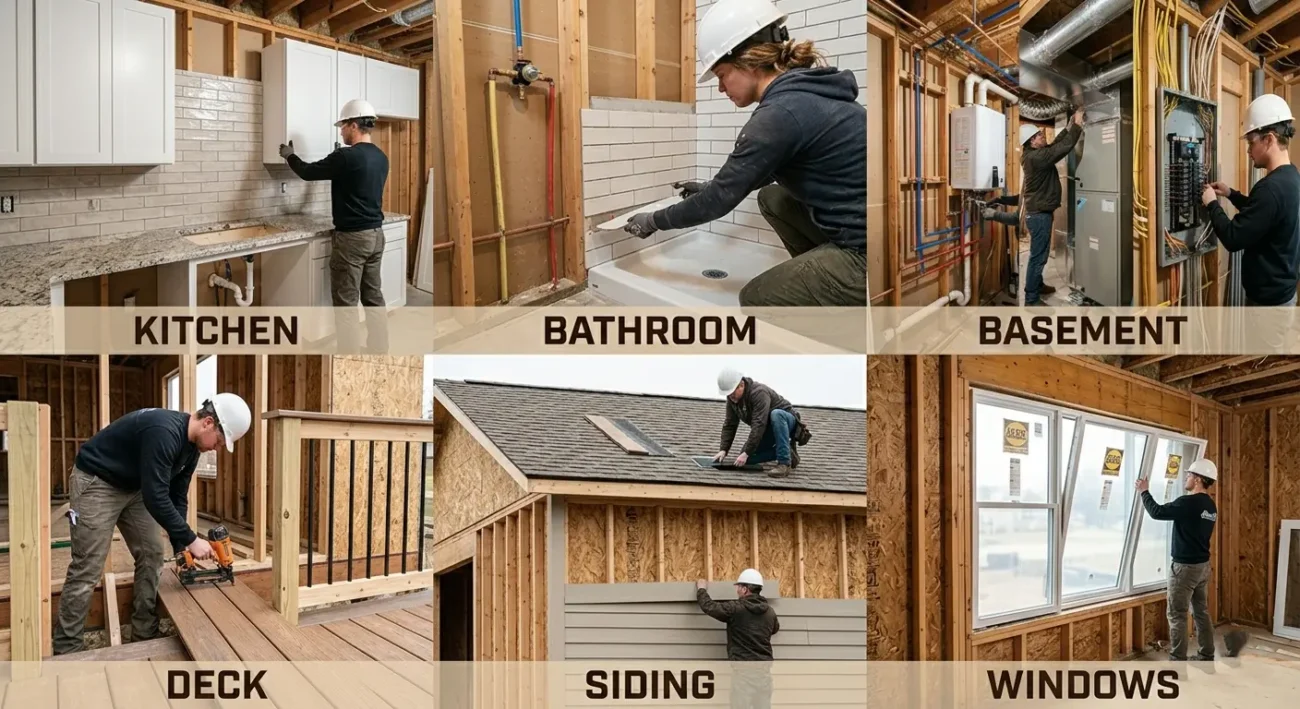
If you walk down almost any Brooklyn block, you’ll see some kind of work going on behind those stoops and scaffolds. Most projects fall into a few patterns that you can use as reference points for your own plans.
- Kitchen remodels in apartments and brownstones: You’ll see everything from compact galley updates in Park Slope co-ops to large rear-parlor kitchens in brownstones. These projects often involve new cabinets, appliances, and lighting, and in older homes, they can trigger plumbing or electrical upgrades behind the scenes.
- Bathroom renovations and primary suite upgrades: Many Brooklyn homeowners start with a worn bathroom that needs new tile, fixtures, and waterproofing. In pre-war buildings and brownstones, bath work can also mean reworking old pipes, vents, and sometimes adding radiant heat or better ventilation.
- Full apartment refresh or gut renovation: This is common when you buy an older condo or co-op that hasn’t been updated in decades. A full renovation might include a new layout, kitchen, baths, flooring, lighting, and systems, usually priced on a per-square-foot basis in NYC.
- Brooklyn brownstone and townhouse remodels: These are larger projects that might span four or five floors, combining units, rebuilding staircases, and restoring original features. They often include structural work, façade repair, and full replacement of plumbing, electrical, and HVAC systems. Basement or cellar conversions: Many owners look to convert a cellar into a living space, a guest suite, or a rental unit.unit.rental. That usually involves waterproofing, insulation, code-compliant egress, and sometimes underpinning to gain ceiling height.
- Façade restoration and exterior repairs: Brooklyn’s brownstone and brick facades need repointing, resurfacing, and sometimes full landmark-compliant restoration. These projects can be stand-alone or combined with interior work, and often require scaffolding and Landmarks approval.
Asbestos & Lead Abatement in Pre-1978 NYC Buildings
If your Brooklyn home was built before 1978, you should assume there might be asbestos and lead-based paint until proper testing says otherwise. Asbestos can hide in old floor tiles, pipe insulation, joint compound, and ceiling materials, while lead is usually in older paint on walls, trim, and windows. Because of the health risks, testing and any removal or encapsulation should be done by licensed professionals, not as a DIY project.
For lead paint, the EPA’s Renovation, Repair, and Painting (RRP) Rule requires that contractors working in pre-1978 homes be lead-safe certified and follow strict dust-control methods during renovation. All of this adds time and cost, so it’s smart to include testing and possible abatement in your Brooklyn renovation budget from the start.
How much extra should I budget for hidden costs in a Brooklyn renovation (contingency %)?
For most Brooklyn renovations, a good rule of thumb is to set aside 10–20% of your construction budget as a contingency for hidden costs such as structural surprises, system upgrades, and permit-related changes. Many NYC design-build and renovation firms explicitly recommend this range because older buildings and strict local rules often reveal extra work once demolition starts. For example, if your main renovation budget is $200,000, a 15–25% contingency would mean setting aside $30,000–$50,000 just for unknowns. If you’re working on an estate-conditioned pre-war apartment or a brownstone gut, leaning toward the higher end of that range (or even a bit above) gives you breathing room without stalling the project.
Where to Find the Best Brooklyn Contractors
Are you looking for an expert contractor in Brooklyn, NYC? SR General Construction has you covered! Our business is located at 8807 Avenue B, Brooklyn, NY 11236, United States, in the Canarsie area.
Additionally, we offer services at Rockaway Parkway and Ralph Avenue, providing fast access to Flatlands, East Flatbush, Bergen Beach, Brownsville, and the Spring Creek section of East New York.
FAQ
1. What are the most common hidden costs in a Brooklyn home renovation?
Most common hidden costs include permit and filing fees, co-op or condo board fees/deposits, structural repairs, and plumbing/electrical upgrades. These often don’t appear in initial quotes but do once walls open or compliance is required.
2. How much should I budget for hidden costs in a Brooklyn renovation?
A safe guideline is to add 10–20% of your total project cost as a contingency for hidden or unexpected expenses. For older buildings or brownstones, many professionals suggest budgeting toward the higher end of that range.
3. Are NYC permits and inspections usually included in my contractor’s estimate?
Not always — permits, DOB filings, and inspection fees are often treated as separate line items or even omitted initially. For a realistic budget, you should ask for it explicitly before signing.
4. What hidden costs come with renovating in a Brooklyn landmark or historic district?
Renovations in landmarked areas often require additional reviews by the Landmarks Preservation Commission (LPC), stricter material standards, and, in some cases, restoration rather than replacement. That adds time, paperwork, and often higher costs for specialized labor and materials.
5. What should I ask potential contractors to uncover hidden costs up front?
Ask for a fully detailed, line-item scope including permits, inspections, board fees, hazard testing, and logistics, not just materials and labor. Also, ask what contingencies they include and how they handle change orders if hidden problems arise after demolition.