


Thinking about renovating your bathroom in Brooklyn, but not sure where to start; or what the NYC rules even are?
You’re not alone. Between strict building codes, co-op and condo board approvals, historic brownstone quirks, and New York City’s famously complex permit system, even a “simple” bathroom makeover can feel overwhelming.
That’s exactly why we created this Bathroom Renovation FAQ for Brooklyn, NYC.
Everything You Need to Know: Bathroom Renovation FAQ
Do I Need a Permit for a Bathroom Renovation in Brooklyn, NYC?
If you’re doing more than cosmetic work in Brooklyn, NYC, you will most likely need a permit. The NYC Department of Buildings generally requires a permit—filed by a licensed pro—if you move plumbing fixtures, touch electrical wiring, change walls, or do any structural work. Your contractor, architect, or engineer usually handles this paperwork. Skipping permits can result in fines and trouble selling or refinancing later.
What Kind of Bathroom Work Doesn’t Require a NYC DOB Permit?
“Like-for-like” updates; work that does not impact plumbing, electrical, or structure—usually do not need a DOB permit. Examples include painting, regrouting, replacing a faucet or showerhead on existing connections, or swapping a vanity in the same location. Even simple tile replacement on an existing waterproofed substrate often remains in the “cosmetic” category. However, approval from your co-op, condo, or landlord may still be needed before you start, even if DOB does not require a permit.
How Do Bathroom Renovation Permits Work for Brooklyn Co-ops and Condos?
In a Brooklyn co-op or condo, you deal with two layers: the NYC Department of Buildings and your building’s board. The DOB focuses on safety, code compliance, and permits, while the board focuses on noise, building rules, and the protection of common areas. In practice, your contractor or architect will prepare plans and paperwork that satisfy both requirements, then coordinate approvals before any demolition begins.
What Extra Rules Apply If My Brooklyn Bathroom Is in a Landmark or Brownstone?
If your brownstone is landmarked, you may need approval from the Landmarks Preservation Commission for certain changes, especially anything visible from the street. Inside the bathroom, DOB rules and standard building codes still apply, but you might face extra scrutiny on windows, exterior vents, or material choices that affect the building’s character. Because older brownstones often have fragile structures and old systems, inspectors and boards can be stricter about how work is done and who does it.
How Much Does a Typical Bathroom Renovation Cost in Brooklyn Right Now?
A full Brooklyn bathroom renovation can cost from the mid–teens to several tens of thousands of dollars, depending on size and finishes. Smaller “rip-and-replace” jobs cost less, while major layout changes and custom features increase expenses. Co-op/condo fees, DOB permits, and unforeseen repairs in older buildings can add to costs, so keeping a contingency is wise.
How Long Does a Bathroom Renovation Take in a Brooklyn Apartment or Brownstone?
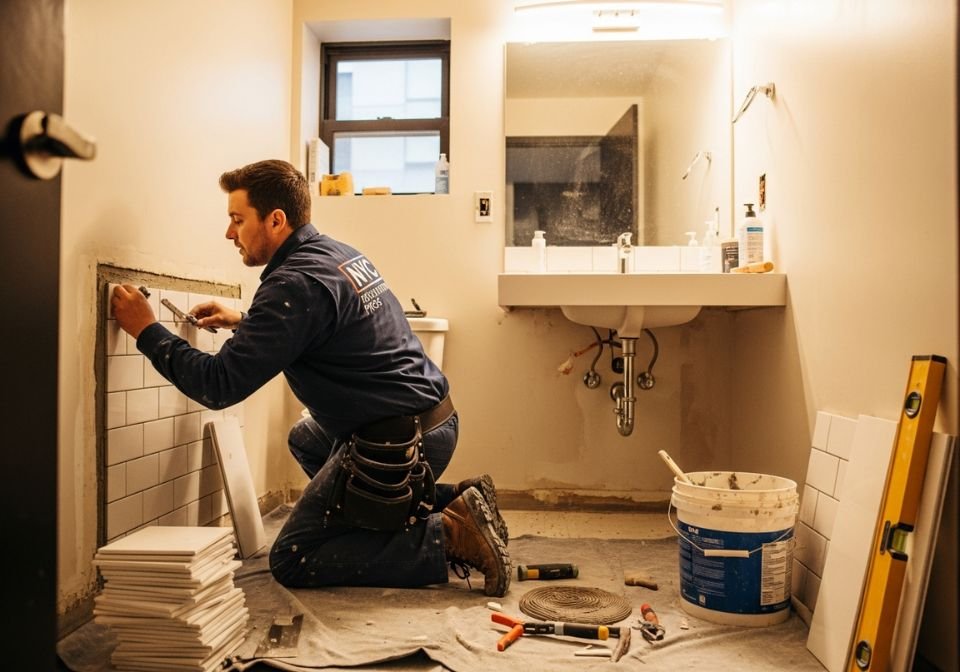
Most Brooklyn bathroom renovations take from a few weeks to a couple of months after work commences. However, board approvals, DOB permits, and waiting for custom materials can extend the total timeline beyond actual construction.
What Are the Biggest Hidden Issues in Old Brooklyn Bathrooms (Brownstones & Pre-War Buildings)?
In older Brooklyn buildings, hidden problems often include corroded galvanized pipes, aging cast-iron drains, and old wiring behind the walls. You might also find uneven or weakened floors, odd framing, or past “DIY” work that doesn’t meet today’s code. In some brownstones and pre-war buildings, asbestos or lead may appear in pipes, tiles, or finishes, requiring licensed abatement and adding time and cost to the job.
Can I Change My Bathroom Layout, Move the Toilet, or Add a New Shower in a Brooklyn Building?
You can change the layout, but it’s rarely simple in a Brooklyn building. Moving a toilet or adding a new shower usually means new plumbing lines, proper venting, and full DOB permits, plus approval from your co-op or condo board if you have one. It’s always smart to have a licensed architect or plumber look at your existing stack before you fall in love with a new layout on paper.
What Materials and Finishes Work Best for Small Brooklyn Bathrooms?
In a small Brooklyn bathroom, you want materials that are slim, bright, and easy to clean. Porcelain or ceramic tile, a wall-hung vanity, and a simple glass shower screen can make the space feel larger and less cluttered. Light colors, large mirrors, and good LED lighting help your bathroom look bigger without changing the footprint.
How Do I Plan a Brooklyn Bathroom Renovation Budget (Including Permits and Board Fees)?
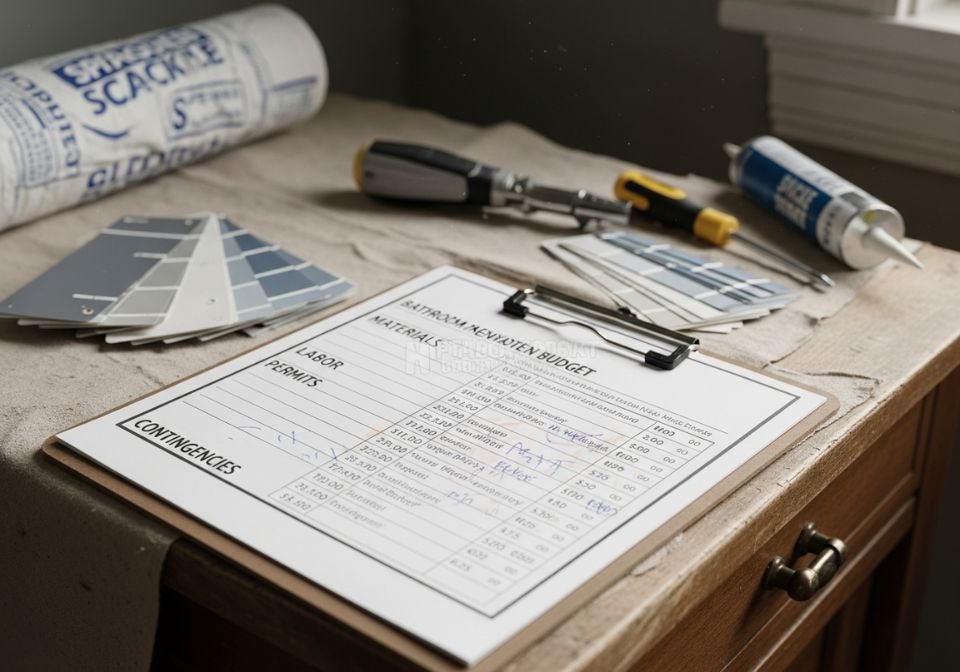
Start with a rough total number you’re comfortable spending, then break it into buckets: labor, materials, permits, design fees, and “surprise” costs. Next, add building-related items such as co-op or condo board application fees, elevator deposits, and required insurance or expeditor costs. Finally, keep a 10–20% contingency, because older Brooklyn buildings love to reveal hidden problems once you open the walls.
What’s the Difference Between a “Rip-and-Replace” and a Full Gut Bathroom Renovation in NYC?
With a rip-and-replace, you keep the same layout and simply swap old fixtures and finishes for new ones in the same spots. A full gut means you strip the bathroom down to the studs and subfloor, often move plumbing or walls, and rebuild everything to current code. Rip-and-replace is usually faster and cheaper, while a full gut gives you more design freedom and a longer-lasting upgrade.
How Do I Get My Bathroom Renovation Plans Approved by My Co-op or Condo Board?
First, read your building’s alteration agreement to understand exactly what they require. Then have your architect or contractor prepare drawings, a detailed scope of work, and proof of insurance and licenses to submit with your application. Be ready for a bit of back-and-forth and build that review time into your overall renovation schedule.
Which Brooklyn Professionals Do I Actually Need for a Bathroom Renovation (Architect, GC, Plumber, Expediter)?
Most Brooklyn projects require a licensed general contractor, a licensed master plumber, and, often, an electrician; larger or more complex jobs also require an architect or engineer to file plans. An expediter can help move permits through the DOB more quickly, especially during busier seasons. If you want a seasoned team, SR General Construction, NYC is fully licensed and has over 15 years of experience upgrading electrical systems and roofing in Brooklyn; we’ve completed more than 750 projects for 500+ happy clients and offer 24/7 support to help keep your home safe.
How Can I Make My Brooklyn Bathroom Renovation More Eco-Friendly and Water-Efficient?
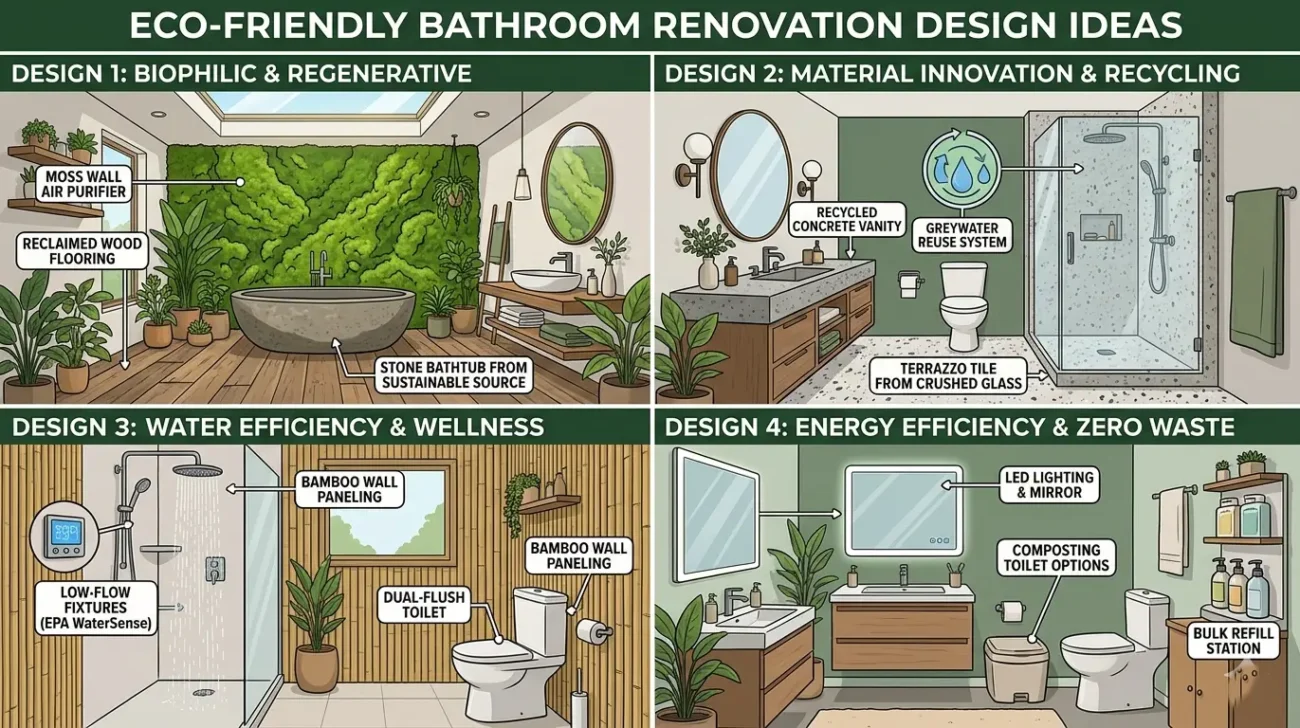
You can choose low-flow toilets and faucets, WaterSense showerheads, and LED lighting to cut water and energy use without losing comfort. Using durable, long-lasting materials and proper waterproofing also reduces waste over time because you won’t need to redo the work as often. If you want to go further, talk to your contractor about efficient ventilation, better insulation, and non-toxic paints and sealants.
What Should I Ask a Brooklyn Bathroom Contractor Before I Sign Anything?
Ask if the contractor is licensed and insured in NYC, and request proof. Then ask how many Brooklyn bathroom projects they’ve completed, whether they handle DOB permits and board paperwork, and whether they can provide recent references or photos. Finally, make sure you get a detailed written scope, schedule, and payment plan so everyone shares the same expectations from day one.
Where to Find the Best Brooklyn Contractors
Are you looking for an expert contractor in Brooklyn, NYC? SR General Construction has you covered! Our business is located at 8807 Avenue B, Brooklyn, NY 11236, United States, in the Canarsie area.
Additionally, we offer services at Rockaway Parkway and Ralph Avenue, providing fast access to Flatlands, East Flatbush, Bergen Beach, Brownsville, and the Spring Creek section of East New York.