

Are you looking to unlock hidden potential in your Brooklyn townhouse? With well-executed Attic Conversion Designs, you can transform that dusty, under-utilised top floor into a bright, functional living area.
In this guide, we explore ten creative layout ideas that blend smart code updates, landmark-friendly details, and stylish finishes to make the most of your attic space.
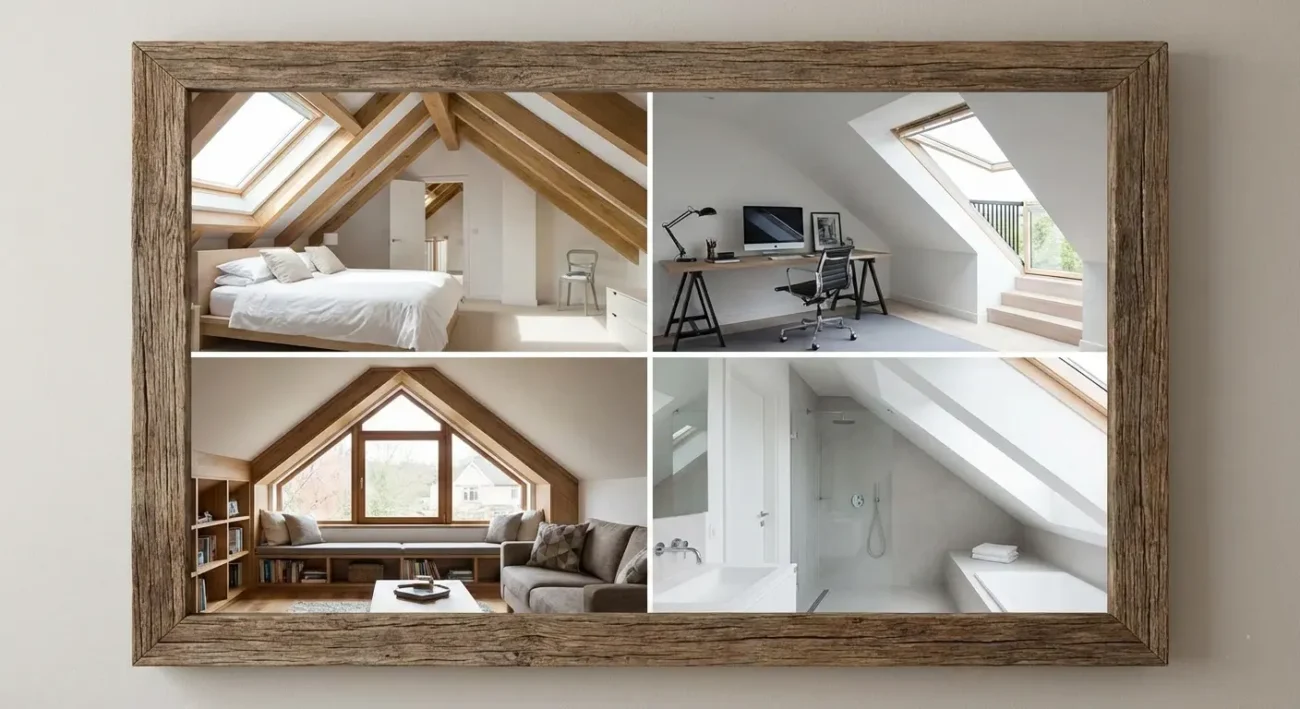
What is an Attic Conversion?
An attic conversion is a home renovation project that turns an unfinished attic into a livable, finished room. Instead of letting the area above your ceiling collect dust and holiday decorations, you can transform it into a functional space for your family. Many homeowners finish their attics to create an extra bedroom, a cozy den, or a private home office. In fact, converting an attic can increase your home’s usable square footage and often yields a strong return on investment, since you’re gaining space without extending your home’s footprint.
10 Stunning Attic Conversion Designs
You’re about to see how smart Attic Conversion Designs can unlock headroom, light, and value in Brooklyn townhouses without fighting the building’s bones. We’ll rely on designs that respect landmark visibility, adhere to code basics, and keep your utility costs in check. You’ll notice a theme: daylight, ventilation, and storage that actually fit sloped ceilings. I’ll highlight NYC-specific rules where they matter, so you feel confident as you plan.
Rear shed dormer primary suite (LPC rear-visibility)
A rear shed dormer gives you the biggest “usable” footprint with the least street visibility, which is exactly what Brooklyn landmark districts prefer. You maintain the façade’s calmness while creating a true primary suite under the eaves.
- Sightline-smart dormer massing: We position the dormer at the rear, ensuring it remains invisible from the public way in most landmark districts. That keeps approvals smoother and protects the block’s character. Your architect will still conduct a street-level sightline check before submitting the drawings.
- Ceiling height that feels like a real room: The shed roof lifts the head height right where you stand and dress. That helps you meet NYC’s habitable height rules and improves comfort. You’ll feel the difference every time you walk through space.
- A compact ensuite that lives along the rear wall: Place the bath against the new dormer wall for simple layouts and short runs. You get daylight in the bath without a deep floor plan. The rear location also keeps plumbing inside the thermal envelope.
- Quiet and efficient heating and cooling: A small ducted or wall-mounted heat pump handles this zone effectively. The dormer cheeks get continuous insulation, which cuts drafts and hot spots. Fresh-air exchange keeps the suite from feeling stuffy.
- Glazing that plays nice with energy code: Choose roof windows/skylights with compliant U-factor and SHGC for our climate. That provides you with light without extreme temperature swings. Your designer will log these specifications during the energy documentation process.
Twin gable dormers kids’ rooms (knee-wall storage)
Two small gables carve out cozy beds and study zones, maintaining a historic look. You get natural separation for siblings without a long hallway.
- Symmetry that fits brownstone rhythm: Pairing gables line up nicely with many townhouse rooflines. The look feels classic without being overly heavy. You also keep drainage easier than a wide shed.
- Head height where kids stand and play: We place beds under slopes and keep play or desk zones at the gable peaks. That hits comfort targets and avoids awkward bumping. It also supports the minimum habitable height in the “active” parts of the room.
- Knee-wall storage that clears the floor: Built-ins swallow toys, books, and seasonal gear, so clutter doesn’t take over. Doors and drawers seal tightly to keep conditioned air where you need it. Your energy paperwork likes those continuous air barriers along knee walls.
- Egress and safety thought through early: We plan a compliant escape path with proper stair and door clearances. Smoke/CO detectors land exactly where code expects them. That gives you peace of mind at bedtime.
- Soft daylight that avoids glare: Smaller vertical dormer windows and strategically placed roof windows distribute light evenly. Homework nooks get task lighting that doesn’t bounce off screens. Afternoon naps stay easy with simple shades.
North-light artist studio (operable roof windows)

If you create art, you’ll love a north-biased light box that stays even through the day. Add operable roof windows to create a gentle stack effect for fresh air without the need for fans.
- True north-light for color-accurate work: Roof windows placed high and oriented away from harsh sun give you soft, stable light. You avoid hard shadows across the canvas. That consistency makes edits and client reviews easier.
- Operable units that breathe naturally: Crack a high roof window and a lower opening to set up a clean upward draft. Your space clears fumes and heat with simple physics. It feels fresh without the noise of a fan.
- Glare control you can tune fast: Use interior blinds and exterior shades to dial the scene for screen work or detail tasks. You keep a light quantity while creating a calming contrast. That boosts focus during long sessions.
- Moisture and temperature kept in check: Energy-code-ready glazing tempers heat flow. Ventilation drops humidity spikes from paints and washes. Your documentation captures these products to prove compliance.
- Quiet cooling that doesn’t compromise acoustics: A small heat pump maintains a set point without generating significant air noise. Dense floor layers tame footfall overhead. You get a calmer studio day and night.
Home office roof-window wall (glare control)
Want a workspace that keeps you alert and off the table lamp all day? A tight cluster of roof windows along one plane gives punchy daylight and airflow with serious control.
- A wall of daylight that still reads balanced: Grouped roof windows spread illumination deep into the plan. You avoid cave-like corners that tire your eyes. Meetings look better on camera, too.
- Glare management is built into the layout: We position screens perpendicular to the brightest openings. Built-in blinds and baffles allow you to quickly adjust contrast during calls. You stay focused instead of chasing reflections.
- Fresh air on demand without drafts: A high-low opening pair moves stale air up and out. You get a light breeze with no whistling at your mic. That keeps long work blocks comfortable.
- Thermal comfort through the seasons: Energy-rated skylights and insulated frames cut heat loss in winter and heat gain in summer. Proper specifications appear in your energy forms. You feel steady temps at the desk.
- Cable and storage that disappear into eaves: Low cabinets swallow routers, printers, and wires. The desk edge stays clean for notebooks and cups. Your brain thanks you for the quiet visual field.
Ensuite under dormer (wet-over-wet stacking)
Placing the bath under a new or existing dormer wins in terms of headroom and daylight. Stack it above a lower-floor bath to keep plumbing short and simple.
- Short, smart plumbing routes: Aligning fixtures above the bathroom below reduces pipe runs and wall openings. Your contractor spends less time threading the house. Fewer penetrations also lower leak risk.
- Venting that follows best practice: Traps and fixtures still require proper vents, even when rooms are stacked. Your designer highlights methods that comply with the plumbing code family. Inspectors see a system they know and trust.
- Natural light that enhances the mirror and mood: A dormer window illuminates the vanity area without harsh downlight. You get clearer grooming and a calmer morning. Privacy glass or shades keep the street out.
- Moisture kept under control: An ERV or well-sized exhaust clears steam fast. Good detailing around the dormer cheeks protects the envelope. Your energy paperwork reflects the fan and duct specs.
- Fixtures that respect slope and head height: Tuck the shower where the ceiling steps up. Keep storage low along the knee walls. You move freely without bumping your head.
Reading loft with eaves bookcases
Want a hideaway that feels calm from the minute you climb the stairs? A simple reading loft with built-ins under the eaves turns “dead” space into your favourite corner.
- Shelving that fits the slope perfectly: Custom bookcases sit snugly against the roof-line, which frees up floor area. Bins at the base hold blankets and games. You look organized without trying.
- Balanced daylight that flatters paper and screens: A couple of roof windows give diffuse light across the page. Add a small sconce for evening sessions. Your eyes feel less strain when reading for longer periods.
- Comfort from better insulation and air sealing: Detailing at the knee wall and rafters keeps drafts out. The space maintains a consistent temperature even on windy days. Energy documents note these assemblies during submission.
- Clear walking paths with real head height: We place seats in the lower zones and keep standing areas under the tallest ridge. You move naturally from the stairs to the chair. That layout respects NYC height rules where you need them most.
- A quiet floor that doesn’t wake the house: Dense underlayment reduces footfall noise to the rooms below. Soft rugs help even more. You get late-night chapters without complaints.
Sound-attenuated media loft (STC/IIC floor)
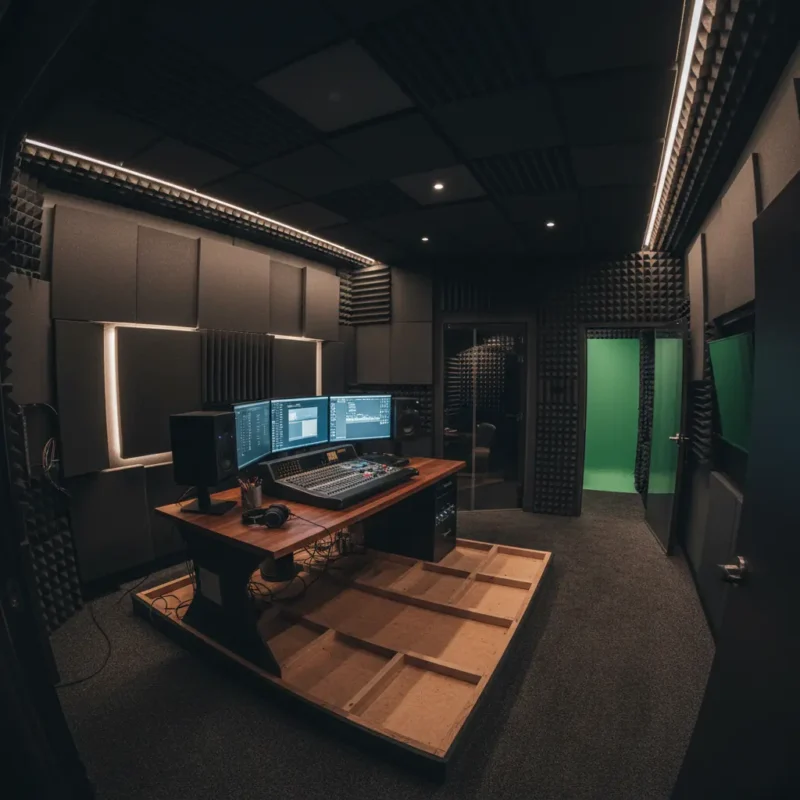
You want movie-night volume without rattling the rooms below. This media loft optimizes structure, finishes, and HVAC to keep sound where you enjoy it.
- STC/IIC floor build that stops noise at the source: We use a layered floor-ceiling assembly with dense underlayment, isolation clips, and a topping that adds mass. That combo blocks airborne noise (STC) and tames footfall thumps (IIC). The goal is fewer flanking paths and tighter seals at every edge.
- Decoupled ceiling for the room below: A resilient channel or clip system separates the media loft structure from the gypsum below. That break cuts vibration transfer into bedrooms or a nursery. You get clearer sound upstairs and quieter sleep downstairs.
- Sealed doors, outlets, and perimeters: Small gaps leak a shocking amount of sound, so we gasket the door, caulk baseboards, and seal boxes. Your floor and wall assemblies work only as well as their weakest joints. A few tubes of acoustical sealant bring real comfort.
- Quiet air and cooling without fan roar: We select low-stone bath fans, keep duct runs short, and place the mini-split on rubber pads. The equipment hum drops, and dialog tracks stay crisp. You enjoy comfort without having to turn the volume up to fight background noise.
- Power, lighting, and AV planned from hour one: Dedicated circuits reduce buzz, and dimmable layers keep glare off the screen. Cable paths disappear inside eaves and built-ins. Your space looks tidy and sounds better because the gear finally has a place to call home.
Scandinavian light-wood loft (continuous insulation)
You love calm lines, bright wood, and rooms that feel bigger than they are. This approach pairs clean millwork with a high-performance envelope that fights drafts and heat spikes.
- Continuous insulation that cuts thermal bridges: We wrap dormer cheeks and roof planes with uninterrupted insulation layers. That move evens out surface temperatures and boosts comfort. It also aligns with the NYCECC emphasis on a tighter, better-insulated envelope.
- Skylights chosen by U-factor and SHGC, not hype: You pick units with verified NFRC ratings, so winter heat loss stays low and summer gain stays manageable. The spec sheet matters more than the brochure photo. ENERGY STAR and DOE explain the U-factor and SHGC in plain English.
- Air sealing that keeps the room steady: We tape sheathing seams, seal knee-wall planes, and treat the ceiling as the primary air barrier. Drafts drop, and your mini-split unit works less efficiently. NYCECC documentation flags these details during review.
- ERV for fresh air without big energy swings: An energy-recovery ventilator brings in outdoor air and tempers it before delivery. You must avoid musty air in shoulder seasons when windows stay shut. The result is a loft that feels clear and consistent year-round.
- Pale woods and hidden storage for visual quiet; Light oak or ash reflects daylight deeper into the plan. Built-ins swallow clutter along the eaves. Your brain relaxes because every object finally has a place.
Industrial exposed-beam look (engineered collar ties)
You want the raw character of timber and steel in full view. We maintain the structure’s integrity, and we ensure it’s engineered, so its appearance never outpaces its physics.
- Collar ties that actually do the job: Collar ties sit in the upper third and resist wind uplift at the ridge. Rafter ties differ because they resist wall spread caused by gravity loads. Trade references clearly outline the roles, saving you from casual removals that can invite problems.
- Structural checks against NYC load rules: Any exposed-structure plan still lives under Chapter 16 of the NYC Building Code. Your engineer sizes members for live, snow, and wind, so the drama stays on the surface only. Sketch first, run loads next, then show off the beam.
- Hardware and connections that appear intentional: Black steel knife plates, bolts, and straps align with the grain. The pieces carry real loads, so the style has substance. You get a room that reads “loft” without fakery.
- Services routed where eyes don’t land: We tuck conduit and refrigerant lines behind knee-wall panels and bookcases. You still reach everything for service without staring at it. The ceiling remains clean, and the structure keeps the lead role.
- Finish palette that honors the materials: Clear coats on timber, matte black on steel, and neutral plaster keep the set unified. Light bounces off the pale planes, not the hardware. The space feels tough and warm at the same time.
Biophilic mini-conservatory (condensation management)
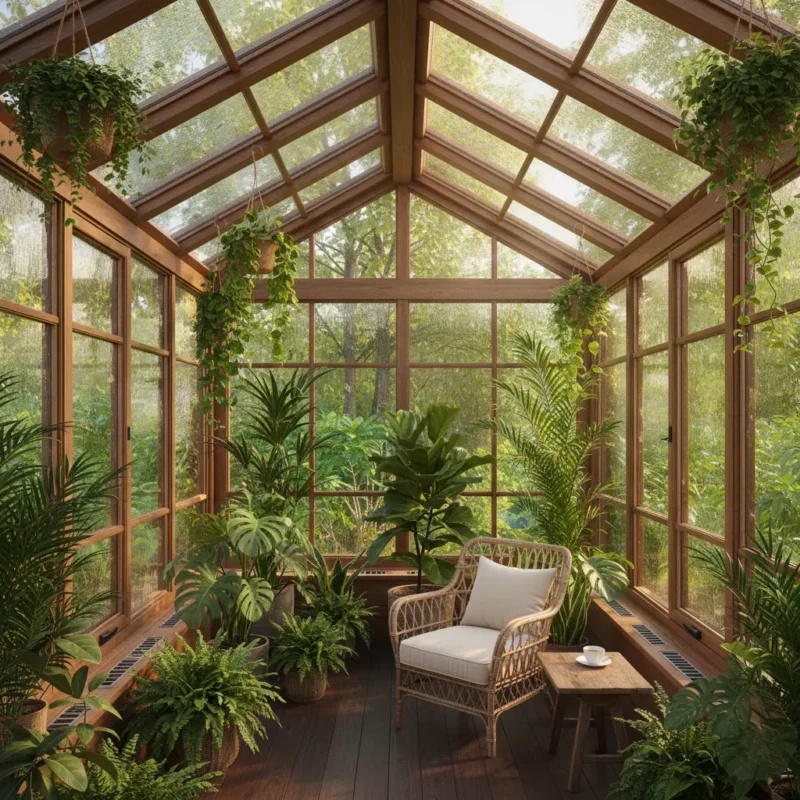
You want plants, light, and a soft breeze without drips on the sill. That means glazing, ventilation, and vapor control that treat moisture as a design input, not a surprise.
- Roof assemblies are detailed to prevent hidden condensation: Warm-side air barriers and the right insulation ratio above the deck keep the sheathing out of the danger zone. Building science guidance highlights the importance of roof layers during cold snaps. You get daylight without mold risk.
- Operable skylights that vent steam and heat fast: Crack a high unit, open a lower window, and the stack effect clears humid air. Plants thrive because the room breathes on cue. This simple move protects finishes as much as it leaves them.
- ERV or dedicated exhaust for shower-adjacent greenery: If your conservatory corner sits near a bath, steady ventilation keeps RH in range. The fan or ERV protects drywall, trim, and soil health. You also meet reviewer expectations for moisture control.
- Glazing is chosen for comfort, not just views: A low U-factor retains winter warmth, and a well-tuned SHGC prevents summer spikes. Your plants thrive in light with less stress, and you enjoy a room that remains usable in July and January. DOE and ENERGY STAR spell out these metrics.
- Drain-friendly sills and wipeable finishes: We design deep sills with trays, splash protection, and easy-clean coatings. Minor spills stay contained, and routine care stays simple. You keep the green without the mess.
Pro Tip
Are You Looking for the Best Brooklyn Attic Conversion Contractor? SR General Construction NYC is a fully licensed Brooklyn team with over 15 years of experience in the city, having completed more than 750 projects and serving 500+ satisfied clients – plus they offer 24/7 support. This kind of proven track record means you’re working with experts who know how to handle surprises and deliver great results.
Energy & Comfort (NYCECC envelope, skylight U-factor/SHGC, air sealing)
- NYCECC sets the efficiency floor for Brooklyn projects. NYC’s Energy Conservation Code builds on the State code and can be more stringent. Your application must show compliant envelope, mechanical, and lighting choices. The DOB’s Energy Code page and handbooks outline what belongs in your file.
- Pick skylights by performance label, not just size. The NFRC label lists U-factor and SHGC, and those numbers drive comfort and compliance. A lower U-factor means less winter heat loss; the SHGC tunes solar gain for our climate. ENERGY STAR and DOE both explain these ratings clearly.
- Air sealing multiplies the value of your insulation. A continuous air barrier across rafters, dormer cheeks, and knee walls stops hidden drafts. That single step stabilizes temperatures and trims load on your mini-split. NYCECC reviewers look for these continuity notes in your documents.
LPC Rules & Rowhouse Manual (sightlines, skylights, dormer profiles; Title 63)
- Street visibility sets the bar. Exterior work on landmarked townhouses triggers LPC review when visible from a public way. Rear-yard dormers and low-slope skylights often pass more easily because they stay out of street view. The agency’s Rules (Title 63) and Rowhouse Manual explain how staff judge visibility and appropriateness.
- Skylights should have a low profile and a non-reflective look. LPC favors units set low, sized modestly, and finished to reduce glare. Placement that avoids sightlines from the sidewalk tends to move faster. The Manual and Rules give you the vocabulary to plan those details before drawings.
- Dormers behave like modest additions, not extra stories. Proposals that respect the roof’s character, sit back from the edges, and maintain proportional windows tend to yield better outcomes. Rear-facing shed dormers frequently align with rowhouse precedents. Title 63 outlines what staff can approve at the counter versus what needs a hearing.
How to Hire a Brooklyn Attic Conversion Contractor

You want a team that knows NYC codes, inspectors, and the quirks of brownstones. Use these quick checks to feel confident before you sign.
- Verify licenses and insurance. Confirm the contractor’s NYC Home Improvement License and active insurance; ask for the license number on the proposal. This protects you and keeps DOB paperwork clean.
- Ask about Alt-1/Alt-2 experience. Your contractor should understand when a job requires a change to the Certificate of Occupancy (C of O) and how that affects filings, inspections, and fees. Request two recent references for attic or dormer work in Brooklyn.
- Review code and energy approach. Have them describe the chosen insulation strategy, air-sealing details, and how they will ensure TR-8 inspections are passed. Clear answers here signal fewer surprises later.
- Plan for egress and stairs first. A strong pro starts with code-critical items such as stair layout and escape openings, then fits the design around them. That mindset avoids costly redraws during the review process.
- Clarify approvals and historic reviews. If your block is landmarked, confirm the team files with LPC and coordinate drawings that satisfy both DOB and Landmarks. One coordinated set of plans saves time.
Where to Find the Best Brooklyn Contractors
Are you looking for an expert contractor in Brooklyn, NYC? SR General Construction has you covered! Our business is located at 8807 Avenue B, Brooklyn, NY 11236, United States, in the Canarsie area.
Additionally, we offer services at Rockaway Parkway and Ralph Avenue, providing fast access to Flatlands, East Flatbush, Bergen Beach, Brownsville, and the Spring Creek section of East New York.
FAQ
1. What ceiling height must an attic bedroom meet in NYC?
Habitable rooms require a minimum ceiling height of 8 ft; occupiable spaces require a minimum height of 7 ft 6 in; bathrooms may be 7 ft high. Designers use dormers to hit those thresholds in key zones.
2. Do skylights or dormers on a landmarked Brooklyn townhouse need LPC approval?
If the work is visible from a public way, it triggers a review by the Landmarks Preservation Commission under Title 63. Low-profile, non-visible rear elements often qualify for staff-level approval.
3. ALT-1 or ALT-2: Which filing does an attic conversion use?
If the work changes the Certificate of Occupancy (e.g., adds a dwelling unit), file ALT-1; interior reconfigurations without a CO change are typically ALT-2.
4. Do I need asbestos paperwork (ACP-5/ACP-7) before attic work?
Yes. NYC requires an asbestos survey by a DEP-certified investigator and the submission of the appropriate ACP filings before DOB permits are processed.
5. How should I choose skylights for NYC code compliance?
Use NFRC-labeled units that meet the required U-factor and SHGC for our climate; designers record these in the energy analysis. NYC Accelerator’s window guidance helps interpret specs.
6. What is a TR-8, and will my attic job need one?
TR-8 documents Energy Code progress inspections to confirm built conditions match the approved energy analysis. Most permitted attic conversions require it.