

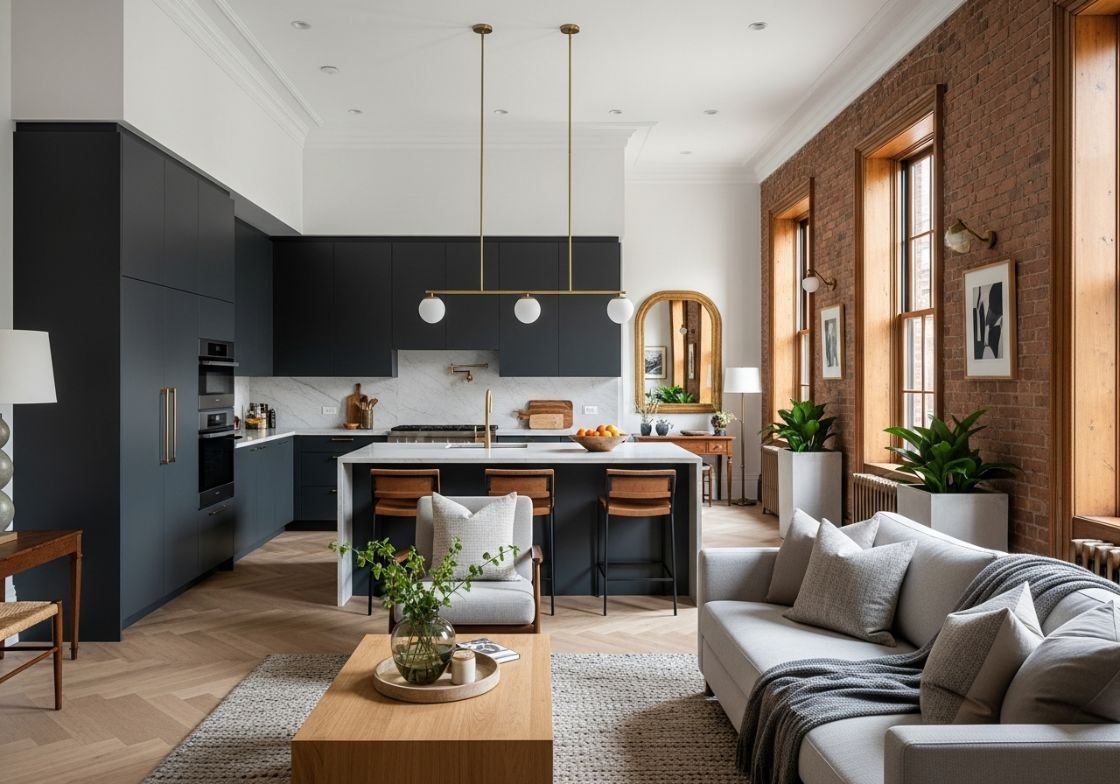
What makes a Brooklyn home stand out from the rest of New York City? Maybe it’s the mix of old brownstone charm and new creative energy you can feel the moment you walk through the door. Brooklyn homes have a unique character of their own, and when you add the right design touch, they become something truly special.
If you’ve been considering an update to your space, this guide is here to help. We’ll highlight the top 10 Home Remodel Design Trends in Brooklyn, NYC, showcasing the ideas that real homeowners are using to make their spaces stylish, practical, and full of personality. You’ll see how the latest trends from eco-friendly materials and open layouts to smart home features and spa-like bathrooms can completely transform the way your home feels.
Why Following Home Remodeling Trends Matters
When you track real design trends, you select ideas that align with how you cook, relax, and host in Brooklyn. Current research suggests that warmer color palettes, rounded forms, and spa-style baths are safe and popular choices for 2025. You also get time upgrades to tech that actually helps, like smart lighting, climate control, and connected appliances. Sustainable moves cut bills and raise comfort; think efficient windows, better insulation, and low-VOC finishes.
In NYC, permits can shape the plan, so you avoid delays when you know the rules first.
Brooklyn’s Architectural Character & Influence on Design Trends
Brooklyn offers a diverse range of housing options, including brownstones, prewar walk-ups, lofts, and new condos, each of which influences design in a distinct way. If your home sits in a landmark district, the Landmarks Preservation Commission must sign off before work starts. Many projects also require permits from the NYC Department of Buildings, so scope and method matter from the outset. That context is why owners often keep original woodwork or brick in view, then add modern kitchens and baths for daily life.
When you tune choices to the street and the building, your remodel feels authentic to Brooklyn.
Top 10 Home Remodel Design Trends in Brooklyn, NYC (2025)
Expect warmth and texture over stark minimalism; English-influenced kitchens, curved profiles, and richer finishes are set to headline the year. Smart features shift from nice-to-have to normal in kitchens, lighting, and home security, which boosts daily ease. Wellness drives bathroom design with features such as wet rooms, larger showers, heated floors, and smart mirrors. Sustainability stays central through efficient systems and natural materials that feel calm and durable. You will also see open layouts, multi-use rooms, and custom storage that help city homes feel bigger without losing character.
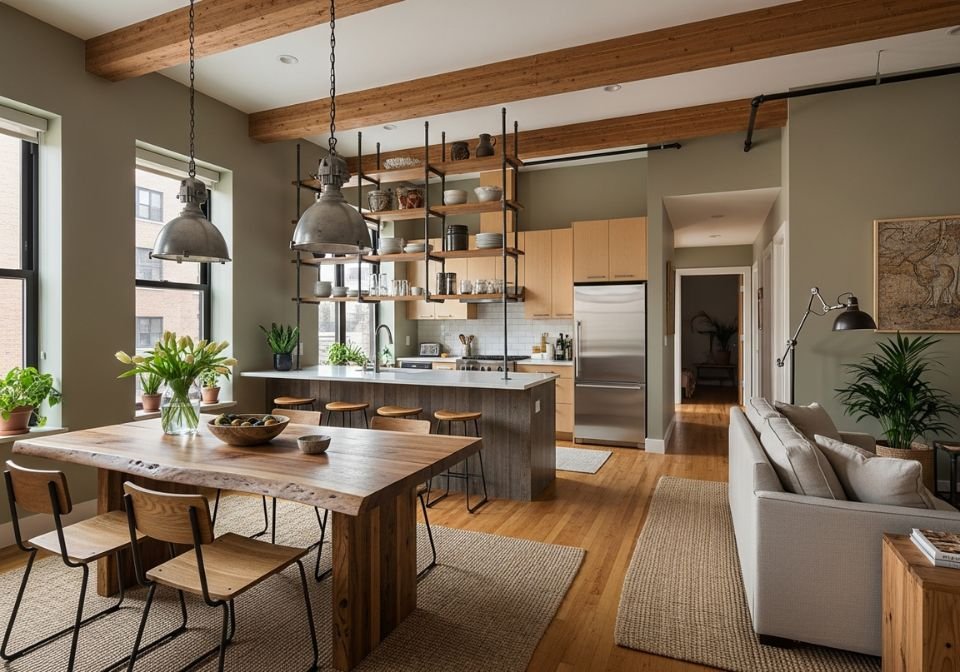
1. Sustainable & Eco-Friendly Design Renovations
You want your home to be stylish and kind to the planet at the same time, right? Sustainable, eco-friendly renovations offer a beautiful home while reducing your environmental footprint.
- Recycled and Reclaimed Materials: Incorporating recycled and reclaimed materials into your renovation not only adds a unique style but also provides a green advantage. Reclaimed wood, recycled metal, or even vintage fixtures add character to your home, rather than ending up in a landfill. You’ll love knowing that your beautiful new space also has a meaningful backstory and a smaller environmental footprint. Energy-efficient appliances and LED lighting use less electricity while delivering high performance. Modern fridges and washers help cut utility bills and your home’s carbon footprint without sacrificing convenience.
- Solar Power and Renewable Energy: The adoption of solar panels is a growing trend in sustainable home energy. By converting sunlight into electricity, they let households use less grid power. Homeowners often notice their electric meter running backward on sunny days. Over time, generating your own clean energy may also lead to cost savings or even earnings.
- Water-Saving Fixtures: Water-saving fixtures, such as low-flow showers, faucets, and dual-flush toilets, are part of a growing trend in eco-friendly home updates. These fixtures help you use less water every day while maintaining strong pressure and performance, so you won’t have to compromise on comfort. By reducing water waste, they lower your water bills and help conserve a precious natural resource.
- Low-VOC Paints and Finishes: Choosing low-VOC paints and finishes keeps your indoor air cleaner and healthier. Traditional paints can release chemicals that you might smell for days, but low-VOC versions have little to no odor and far fewer toxins. You’ll end up with a beautiful paint job and far fewer harsh chemicals in the air, which is much better for your family and the planet.
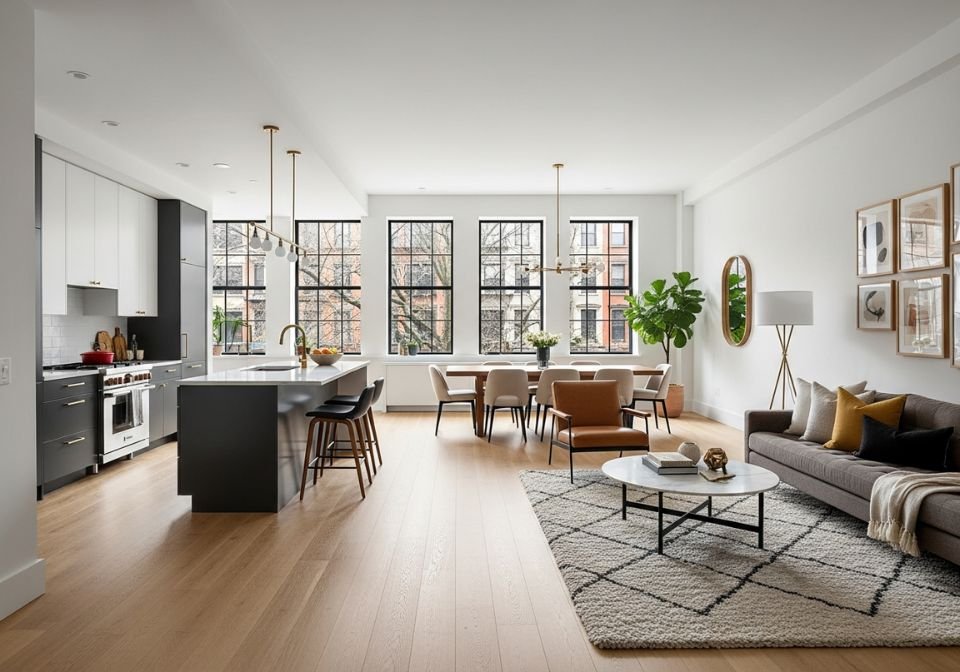
2. Open-Concept Layouts for Spacious Living
Have you ever walked into a home and instantly felt the sense of openness and airiness? That’s the magic of an open-concept layout, where walls are removed and your living spaces flow seamlessly together into one large, comfortable area.
- Minimal Barriers for Flow: In an open-concept layout, there are hardly any walls between the kitchen, living, and dining areas. Without those barriers, your home instantly feels larger, and it’s easier for people and conversation to flow freely between spaces. Everything becomes one connected area, which is great for socializing and also handy for keeping an eye on the family while you cook or entertain.
- Cohesive Design Theme: Open spaces work best when they have a cohesive design theme tying them together. Using the same flooring and a consistent color palette throughout helps all the areas blend seamlessly, rather than feeling disjointed. Your kitchen, dining room, and living room will look like one big, harmonious space, and that consistency is very easy on the eyes.
- Versatile Multi-Purpose Areas: With an open layout, you gain a lot of flexibility, as one large area can serve multiple functions. For example, your kitchen island might double as a dining table, and a corner of the living room can be transformed into a cozy workspace or play area.
- Abundant Natural Light: With no walls blocking the windows, an open concept allows natural light to flood your home. Sunlight from one end of the house easily reaches the other, keeping the entire space bright and cheerful throughout the day.
- Defining Zones with Furniture: Even without walls, you can create cozy “zones” in an open layout by using furniture and rugs wisely. A sofa or bookshelf can serve as a subtle divider, indicating where the living room ends and the dining area begins, without requiring actual walls.
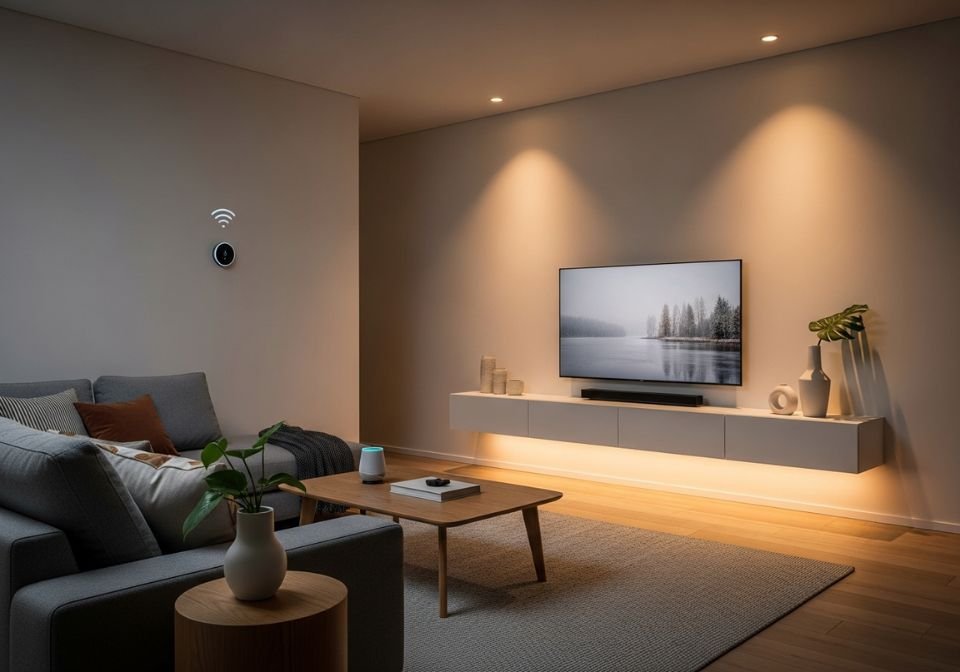
3. Smart Home Technology Integration
It’s amazing how much convenience you can add to your home with smart technology, isn’t it? Smart home integration means your lights, thermostat, security system, and even kitchen appliances can all connect and work together to make daily life easier and more efficient.
- Voice-Controlled Assistants: Voice-controlled assistants, such as Alexa or Google Home, serve as the central brain of your smart home. You can just say a command to adjust the lights, play music, or even ask for the weather, and it happens instantly.
- Smart Thermostats: Smart thermostats learn your schedule and adjust the temperature automatically to keep you comfortable. Imagine your home warming up on a cold morning just before you get out of bed, without you having to do a thing. These devices make your life cozier and save energy at the same time by not running the heating or AC when you don’t need it.
- Intelligent Lighting: Smart lighting systems enable you to control your lights with an app or voice, allowing you to set schedules or different moods for each time of day. You could dim the living room lights from your phone without leaving the couch or have the lights gently change color in the evening to help you unwind. It’s convenient and ambiance rolled into one, and it also helps save energy since you’ll never forget to turn the lights off when you leave.
- Advanced Home Security: High-tech security gadgets make it easy to keep an eye on your home. For example, a smart doorbell camera lets you see and even talk to whoever is at the door via your phone, and a smart lock allows you to lock or unlock your door from anywhere. You get peace of mind knowing you can monitor your home remotely, and the system will send you alerts if something out of the ordinary happens.
- Smart Appliances: Smart appliances in the kitchen or laundry room add an extra layer of convenience. Think of a fridge that alerts you when you’re out of milk or an oven you can preheat from your phone on the way home from work. These gadgets eliminate some of the guesswork from daily chores and often operate more efficiently, saving you time and energy in the long run.
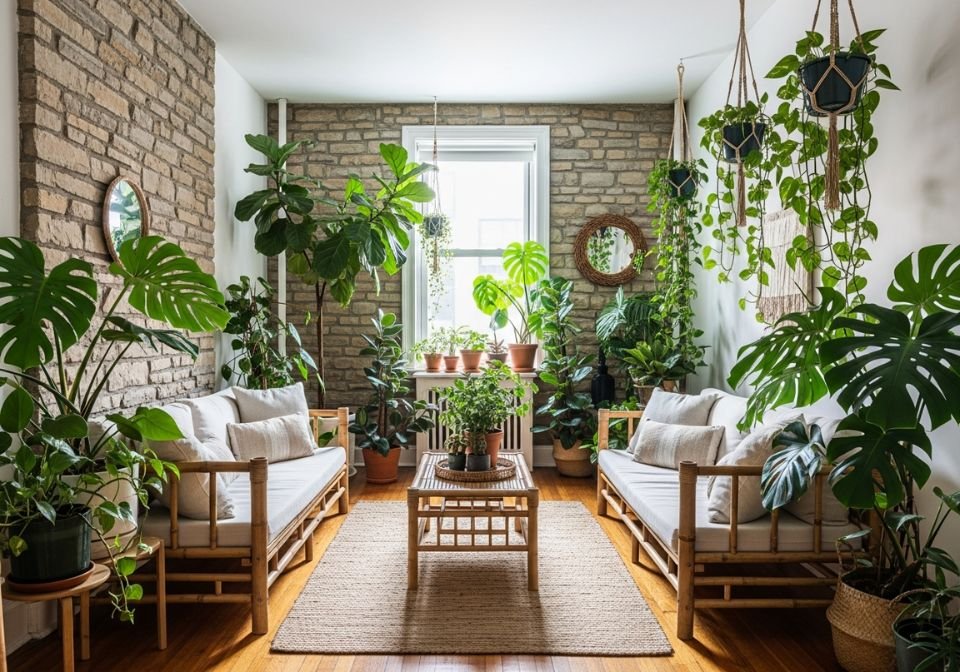
4. Biophilic Design & Bringing the Outdoors In
- Indoor Plants and Greenery: Incorporating indoor plants into your home is a key aspect of biophilic design. Lush green plants not only look beautiful, but they also help purify the air and make your space feel alive and refreshing. Whether it’s a few potted herbs in the kitchen or a big fern in the living room, you’ll likely feel a mood boost when you’re surrounded by a touch of nature.
- Natural Materials: Incorporating natural materials like wood, stone, and bamboo instantly adds an outdoor vibe to your interior. Imagine warm wooden floors, a stone accent wall, or bamboo furniture adding an earthy texture to your rooms. These elements make your home feel warmer and more grounded, and you’ll appreciate the timeless beauty of real, natural materials around you.
- Ample Daylight and Views: Big windows and skylights are a biophilic design’s best friend because they fill your home with natural light and provide views of the outdoors. Being able to see the sky, trees, or even the changing weather outside helps you feel connected to nature throughout the day. Bright, sunlit rooms feel cheerful and can have a positive effect on your mood and well-being.
- Nature-Inspired Decor: This design approach uses patterns and shapes inspired by nature in your decor. It could be anything from leaf-print wallpaper to furniture with curved, organic lines that mimic the natural beauty of the outdoors. These subtle nods to nature create a calming atmosphere and gently tie your interior design back to the natural world.
- Indoor-Outdoor Flow: A seamless flow between indoor and outdoor spaces blurs the line between the two. For instance, a large sliding glass door that opens onto a garden patio or a cozy sunroom full of plants can make it feel like your living space extends right into the outdoors. When the weather is nice, you can open things up to let in fresh air, which makes your home feel even more connected to nature.
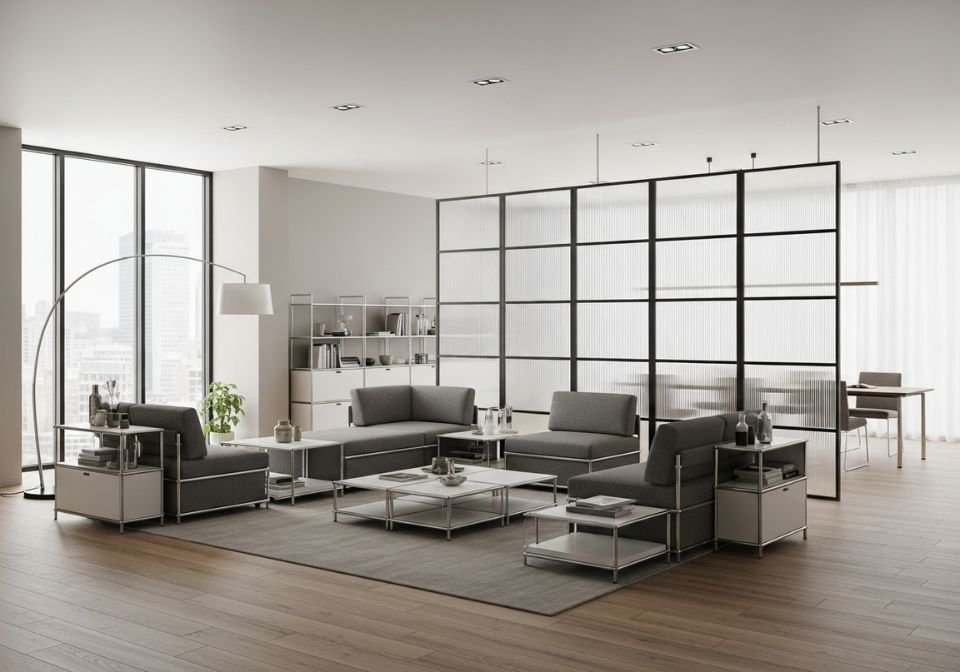
5. Multi-Functional Rooms & Flexible Spaces
In a busy home, every room might need to wear more than one hat. Multi-functional rooms and flexible spaces ensure that no area sits idle, and your home can easily adapt to your changing needs.
- Convertible Furniture: Convertible furniture can switch roles instantly. For example, a Murphy bed folds up into the wall to free up space during the day, and a sleeper sofa can turn your home office or living room into a guest bedroom at night. Pieces like these allow one room to serve two purposes, and you’ll love how easily you can transform the space when needed.
- Dual-Purpose Rooms: Design your rooms to serve more than one function, ensuring nothing is wasted. You can combine a home office with a guest room by incorporating a desk and a pull-out couch into the same space. This way, you’re making the most of your square footage, as the room serves as an office most days but can comfortably accommodate overnight guests whenever they visit.
- Movable Partitions: Flexible spaces often feature movable dividers or sliding doors that can be opened or closed as needed. If you need some privacy, slide a partition out to create a separate area; when you want an open space again, tuck it away. It’s like having walls on demand, so you get the benefits of both open layouts and traditional rooms whenever you want.
- Smart Storage Solutions: Multi-functional spaces work best when paired with smart storage solutions to keep clutter at bay. Built-in cabinets, window seats with hidden compartments, and coffee tables with storage provide convenient spots to stash things and transform the room’s purpose. When everything has its proper place, you can easily switch a family room into a workout area (or anything else) without tripping over clutter.
- Modular Furniture: Modular furniture is another great feature for flexible living. Sectional sofas, folding tables, or stackable chairs can be reconfigured to suit your needs whenever you require a different setup. Because nothing is fixed in one place, you can easily switch the room from a party space to a cozy movie night or even a kids’ play area — all with the same pieces just rearranged differently.
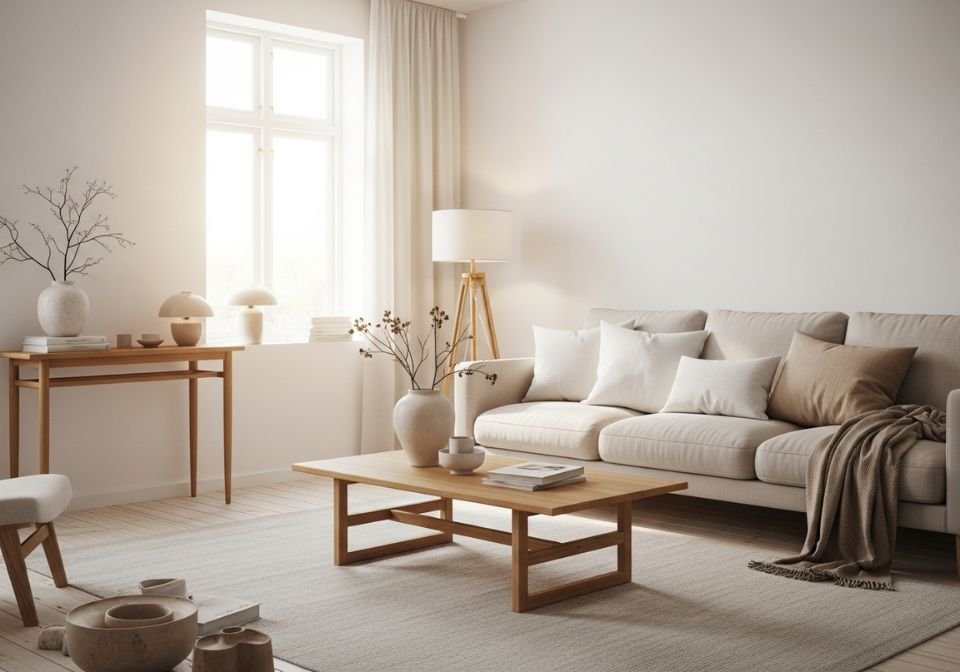
6. Minimalist Aesthetics with Scandinavian Influence
Sometimes, less really is more when it comes to home design. Minimalist design with a Scandinavian influence emphasizes simplicity, natural elements, and creating a cozy atmosphere without excessive clutter.
- Light, Neutral Colors: Scandinavian-influenced minimalism starts with a light, neutral color palette. You’ll see lots of whites, soft grays, and earthy tones that make rooms feel open and airy. These bright, simple colors also help bounce light around, so your home feels even more spacious and welcoming.
- Clean Lines & No Clutter: Maintaining a clutter-free space is key to achieving this look. Scandinavian design favors clean lines and simple silhouettes, with furniture and decor that feature straightforward shapes and minimal embellishments. With less stuff sitting out and everything in its place, your rooms will feel calm, orderly, and comfortable.
- Functional Cozy Furniture: This style of furniture prioritizes both function and comfort. Pieces tend to be high-quality and practical, often serving double duty, yet they still feel warm and inviting. You might choose a sleek sofa with comfy cushions or a simple wooden dining table that’s perfect for family gatherings — everything is useful, without excess ornamentation.
- Natural Materials & Textures: To prevent a cold feel, Scandinavian minimalism incorporates natural materials and textures. Warm woods, stone surfaces, and soft textiles, such as cotton or wool, add depth and coziness to the decor. These organic touches prevent the space from looking too sterile and help a minimalist room feel more lived-in and relaxing.
- Hygge & Cozy Accents: A minimalist Scandinavian room still finds ways to be cozy (hello, hygge!). Soft, warm lighting is essential — think candles, gentle lamps, and ample natural light during the day. You’ll also see plush accents like a chunky knit throw or a few cushions that invite you to sit down and get comfy, all while keeping the overall look simple and unfussy.
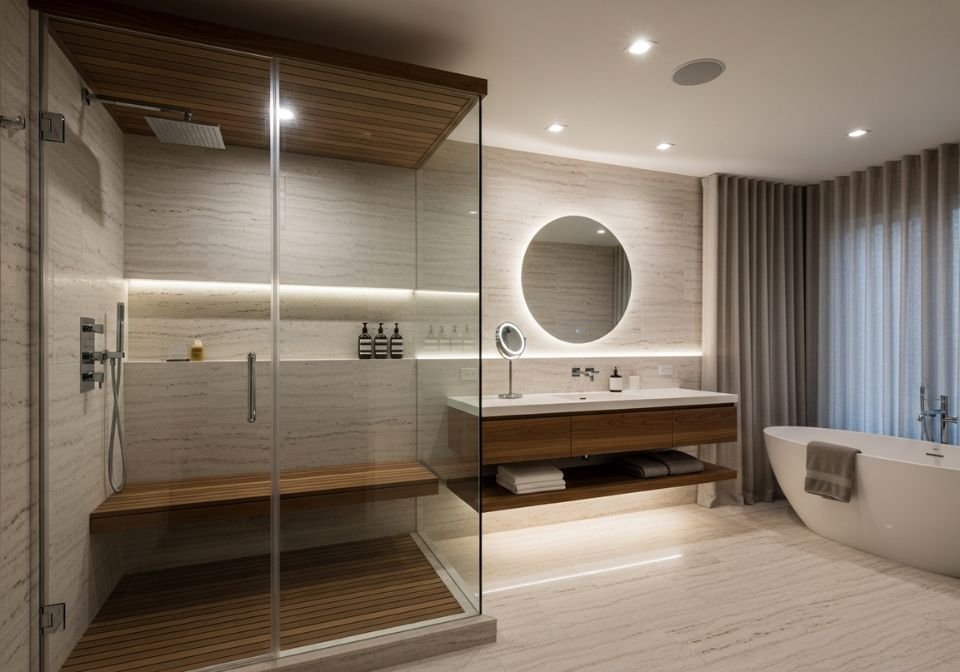
7. Luxury Spa-Like Bathroom Retreats
Who wouldn’t love a bathroom that feels like a personal spa? A luxury spa-like bathroom makeover turns an ordinary bathroom into a relaxing retreat where you can pamper yourself every day.
- Soaking Tub Oasis: A deep soaking tub or an elegant freestanding bathtub is often the centerpiece of a spa-like bathroom. Imagine sinking into warm water with bubbles and candlelight after a long day; it’s the ultimate way to unwind at home. These tubs not only look stunning, but they also provide the full-body relaxation you expect from a high-end spa.
- Deluxe Shower Experience: A spa bathroom isn’t complete without an amazing shower. Rainfall showerheads that gently pour water from above (sometimes accompanied by body jets or a steam setting) can make your daily shower feel like a mini vacation. You step in, and it’s like a soothing rainstorm that washes away your stress, leaving you feeling refreshed and invigorated.
- Premium Materials & Calming Colors: High-quality, natural materials create a luxurious ambiance in the bathroom. Consider marble or travertine countertops, rich wood or teak accents, and tiles in calming colors such as soft blues or earthy neutrals. These elements make the space feel like an upscale retreat, and the tranquil color scheme helps quiet your mind the moment you step in.
- Heated Floors & Plush Towels: Little comfort upgrades go a long way in a spa-like bath. Imagine stepping onto a toasty, heated floor on a cold morning or wrapping up in a fluffy, warm towel straight from a towel warmer. These touches make your bathroom experience feel indulgent and cozy every time.
- Ambient Lighting & Extras: Soft, ambient lighting is essential for creating a spa-like atmosphere. Dimmable lights or even candles can cast a gentle glow that relaxes you without any harsh glare. You can also include extra luxuries, such as built-in speakers for soothing music or an essential oil diffuser to add calming scents, all of which help make your bathroom feel like a true personal spa.
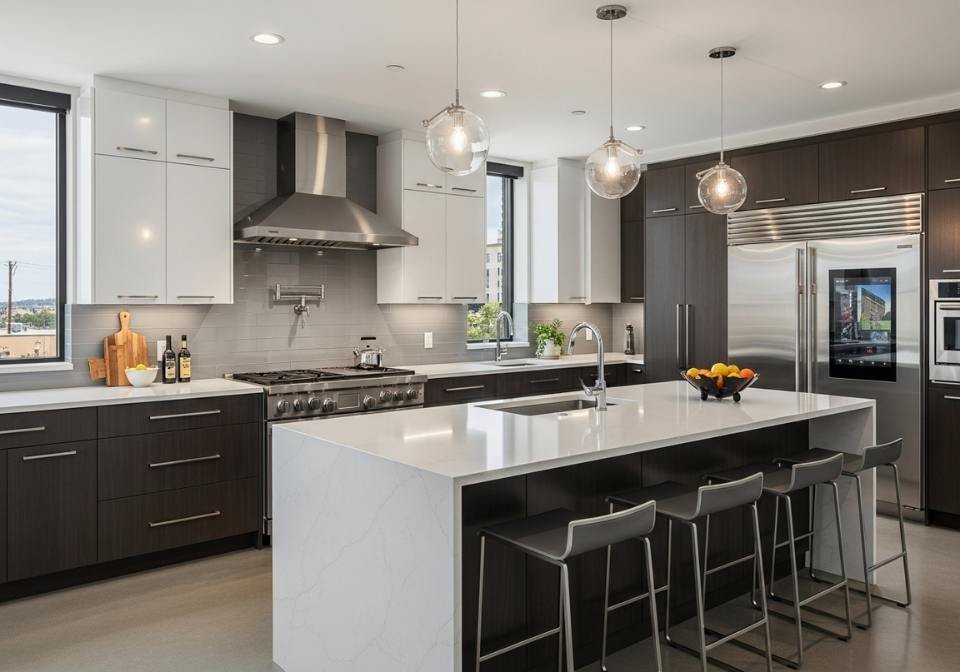
8. High-Tech & Gourmet Kitchen Makeovers
For anyone who loves cooking or entertaining, a high-tech, gourmet kitchen is a dream come true. These kitchen makeovers incorporate smart technology and chef-grade features to transform the heart of your home into a space that’s both ultra-modern and a joy to cook in.
- Professional-Grade Appliances: Top-of-the-line appliances are the foundation of a gourmet kitchen. Picture a commercial-style range with powerful burners, a double oven, and a roomy stainless-steel fridge that can hold a feast’s worth of groceries. Cooking with high-quality equipment like this not only makes meal prep easier but also makes you feel like a pro chef in your own home.
- Smart Kitchen Tech: Modern gourmet kitchens incorporate a wide range of smart technology. You might have a refrigerator with a touchscreen that lets you see inside, or a smart oven that you can preheat with an app or voice command. This kind of technology adds convenience (your oven can even text you when the roast is done!) and brings a wow factor that impresses everyone who visits.
- Expansive Kitchen Island: A large kitchen island typically serves as the hub of activity. It adds extra counter space for prepping meals and often includes seating, allowing friends or family to hang out while you cook. Many islands also conceal handy features, such as a second sink or additional storage, which makes the kitchen both more social and functional at the same time.
- Custom Storage & Organization: Organization is key in a chef’s kitchen, so custom storage solutions are everywhere. Consider pull-out drawers for spices, vertical slots for baking sheets, and a pantry with adjustable shelves to store all your ingredients. When every pot, pan, and gadget has its own spot, you spend less time searching and more time cooking up something delicious.
- Luxury Finishes & Features: The upscale finishes and extra touches really make the kitchen shine. Sleek quartz or granite countertops, a decorative tile backsplash, and high-end fixtures (like a pot-filler faucet or a farmhouse sink) give the space style and personality. You can even indulge in bonus perks like a built-in wine cooler or a barista-grade coffee machine, making your kitchen feel like a gourmet showroom tailored to your tastes.

9. Historic Brownstone Charm with Modern Twists
Historic brownstones have an old-world charm that’s hard to beat. By renovating with modern twists, you can enjoy the classic character while also enjoying the comfort and style of contemporary living.
- Preserved Architectural Details: A big goal in these projects is to preserve the original architectural details that give the brownstone its character. Beautiful elements, such as exposed brick walls, ornate crown moldings, carved wood banisters, or a classic fireplace, are carefully restored rather than replaced. Keeping these features maintains the soul of the home and reminds you (and everyone who visits) of its rich history.
- Modern Kitchen and Bath Upgrades: Old brownstones can hide very modern kitchens and bathrooms behind those historic walls. You might install a state-of-the-art kitchen with sleek appliances and an efficient layout, but use cabinet designs or finishes that complement the home’s vintage style. The bathrooms can get luxury fixtures and spa-like touches while still honoring the traditional aesthetic (imagine a classic clawfoot tub alongside a modern walk-in shower).
- Opening Up the Layout (Selectively): Many brownstones were built with smaller, separated rooms, so a renovation often opens up some space for better flow. You can merge a dining room and kitchen or widen doorways to create a more open feel, all while preserving key historical elements, such as decorative columns or trim. This way, you gain a brighter, more social floor plan suited to today’s lifestyle, yet the home still retains a cozy, period charm.
- Blend of Old and New Décor: The interior design typically combines old and new elements to great effect. You might pair a sleek modern sofa and contemporary lighting with an antique coffee table or a vintage rug that came with the home. This blend creates a stylish contrast — the modern pieces keep things feeling fresh, while the antique touches celebrate the brownstone’s heritage.
- Upgraded Comfort and Efficiency: Modernizing a brownstone also means improving comfort and efficiency quietly behind the scenes. The renovation will typically add better insulation, new wiring and plumbing, and efficient heating/cooling systems, integrated in a way that doesn’t detract from the historic ambiance. In the end, you have the charm of a historic home with the ease and peace of mind of a new one.
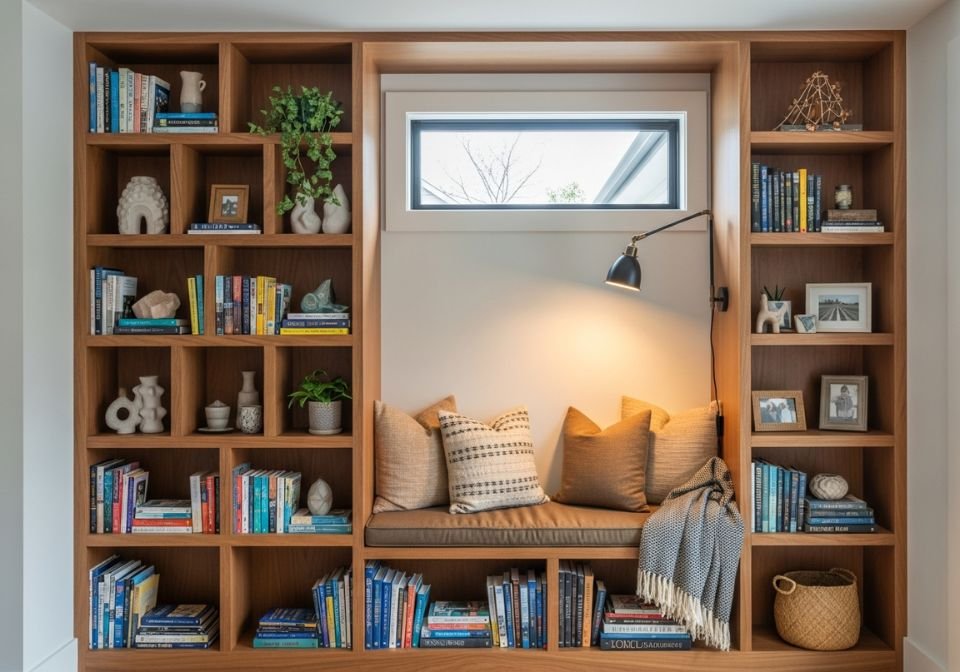
10. Personalized Design Touches & Custom Features
Your home should feel like it’s truly yours. Adding personalized design touches and custom features makes sure your space isn’t just another generic house, but one that reflects your personality and fits your lifestyle perfectly.
- Custom Built-Ins: Built-in features tailored to you can make your home unique and more useful. Perhaps it’s a floor-to-ceiling bookcase for your personal library, a breakfast nook bench that fits your kitchen corner perfectly, or a custom closet designed to suit your wardrobe. These additions maximize your space and are made just for you, so they both look great and serve your daily needs.
- Showcasing Hobbies and Passions: Let your home show off the things you’re passionate about. If you’re a musician, you might set up a dedicated music corner or hang your guitars on the wall, while an art lover could create a gallery wall with special lighting to highlight favorite pieces. Incorporating your hobbies into your home’s design means you’ll be surrounded by what you love, which instantly makes the space more joyful and personal.
- Personal Color Palette and Style: The colors, patterns, and overall style of your home can be customized to what you love most. Perhaps you choose a beach-inspired palette of blues and sandy tones because the ocean is your happy place, or you go with bold, vibrant accents that match your energetic personality. When your home’s design reflects your personal tastes, it creates a strong emotional connection — you feel more at ease, and guests get a sense of who you are as soon as they walk in.
- Unique Materials or Accents: Customizing often means picking materials or details that are special to you. You could use reclaimed wood from your family’s old barn to make a dining table, commission a local artist to create a one-of-a-kind mosaic backsplash, or incorporate tiles that have cultural meaning to you. These unique touches become great conversation pieces, making your home stand out from anyone else’s.
- Designing for Your Lifestyle: The ultimate personalized touch is shaping your home to fit your lifestyle. Perhaps you could add a built-in desk for your remote work setup, a home gym area if fitness is a priority, or a cozy reading nook by the window, as you love curling up with books. Each custom feature is designed to make your daily life easier and more enjoyable, so your home not only reflects who you are but also works perfectly for you.
Budgeting & Cost Considerations for Trendy Remodels in Brooklyn
1) Sustainable & eco-friendly upgrades
- Solar panels: A typical 6–8 kW array costs around $2.86 per watt installed before incentives, with NYC labor potentially driving the cost higher. Federal credits and NYS/NYC programs can offset part of that bill.
- Green roofs: Expect ~$15–$50/sq ft depending on “extensive” vs “intensive” systems. NYC sweetens the deal with a one-year property-tax abatement of $5.23/sq ft, or $15 per square foot in priority areas (caps apply).
- Energy-efficient windows: Swaps often run $475–$1,500 per window for common sizes; landmarked façades require LPC-approved profiles, which can add time and design fees.
2) Open-concept layouts
- Wall removal: Plan $500–$2,000 for a non-load-bearing wall; $4,000–$10,000+ if load-bearing with a new beam, plus repairs and any electrical/pipe reroutes. Brooklyn brownstones often need an engineer’s sign-off and DOB permits.
3) Smart-home integration
- Whole-home “starter” bundles (including thermostats, lighting hubs, doorbells, and basic security) typically fall within the $2,000–$6,000 installed range; high-end, fully integrated systems can cost more. NYC apartments may need board approval for any low-voltage runs in common walls.
4) Biophilic design
- Living (plant) walls: Interiors commonly cost $95–$165/sq ft with irrigation; premium NYC installations can exceed that. Skylights or larger window openings add structural and waterproofing costs.
5) Multi-functional rooms
- Murphy beds/convertible millwork: Prefab units are typically installed for $2,000–$4,000; custom wall-to-wall systems can cost $8,000–$15,000. Add an electrician’s time for integrated lighting or outlets.
6) Minimalist/Scandinavian finishes
- Engineered white-oak floors: A practical NYC target is approximately $8–$20/sq ft installed, depending on the plank, finish, and subfloor preparation; site-finished solid wood tends to be higher.
7) Luxury spa-style bathrooms
- Radiant heat floors: Often installed for $7–$17 per square foot, a typical bath falls within the $800–$2,000+ price range. Steam showers vary widely in terms of enclosure and generator, ranging from the low thousands to five figures, with options including stone and custom glass.
8) High-tech & gourmet kitchens
- Brooklyn/NYC kitchen remodels: As of 2025, many full upgrades cost approximately $ 35,000–$ 120,000+, depending on the scope, building type, and finish level. Cabinet refacing costs approximately $100–$450 per linear foot; quartz counters typically cost between $120 and $157 per square foot, installed, according to current calculators.
9) Historic brownstone charm with modern twists
- Budget for LPC-compliant exterior items (windows, stoop, cornice details) and careful interior restoration. Costs fluctuate with scope, but many brownstone-wide projects incur premiums due to specialty trades and additional approvals. Factor LPC review time into your schedule.
10) Personalized built-ins & custom features
- Custom shelving/benches/media walls: Ranges vary by species and detail; national guides show ~$150–$1,200 per linear foot for built-ins, with NYC often on the higher side.
Navigating NYC Building Permits & Regulations for Home Renovation
You’re in Brooklyn, so permits, licensed pros, and building rules sit at the heart of a smooth remodel. Here’s the quick roadmap so you can plan with confidence:
- When a DOB permit is required, structural work, new partitions, egress changes, most electrical and plumbing work, and many exterior items require permits. Minor cosmetic work may not. The NYC Department of Buildings clearly outlines the “permit or not” line and utilizes DOB NOW: Build for filings and approvals. You, your architect/engineer, and your contractors all interact there.
- Use licensed trades for protected work: Only a Licensed Master Plumber can pull plumbing permits and handle permitted gas/water work. Licensed Master or Special Electricians must pull electrical permits. Don’t let anyone talk you into unpermitted connections.
- Check licenses before you hire: NYC requires a Home Improvement Contractor (HIC) License for residential remodeling businesses. You can verify DOB trade licenses and view DCWP HIC rules online. This quick check protects you from fines, stop-work orders, and unsafe work.
Where to Find the Best Brooklyn Contractors
Are you looking for an expert contractor in Brooklyn, NYC? SR General Construction has you covered! Our business is located at 8807 Avenue B, Brooklyn, NY 11236, United States, in the Canarsie area.
Additionally, we offer services at Rockaway Parkway and Ralph Avenue, providing fast access to Flatlands, East Flatbush, Bergen Beach, Brownsville, and the Spring Creek section of East New York.
FAQ
1. Do I need a permit to remodel my bathroom in NYC?
Yes—most bathroom remodels in NYC require plans and a DOB work permit, especially if you touch plumbing, electrical, or layout. The city directs owners to hire a NY-licensed PE/RA when plans are required.
2. Do I need a permit to replace kitchen cabinets?
No—swapping kitchen cabinets alone does not require a DOB permit, but your contractor must hold a DCWP Home Improvement Contractor (HIC) license. Add a permit once you move plumbing, gas, or electrical.
3. How long does a kitchen remodel take in NYC?
Typical full kitchen projects run about 10–16 weeks of construction after approvals, with timelines driven by permits, building rules, and long-lead materials. Expect added time in co-ops/condos because of alteration agreements and elevator/quiet-hour limits.
4. How much does a kitchen remodel cost in Brooklyn?
Recent NYC guides place mid-range kitchens commonly in the $35K–$120K+ window based on scope, building type, and finishes. National and NYC-specific calculators indicate higher labor and logistics costs in the city compared to suburban markets.
5. When can contractors work in Brooklyn?
By default, construction runs from 7:00 a.m. to 6:00 p.m. on weekdays; any hours earlier, later, or on weekends require an After-Hours Variance (AHV). NYC also requires a Construction Noise Mitigation Plan for permitted work.
6. How much does a bathroom remodel cost in NYC?
Current city guides indicate that mid-range bathrooms cost around $ 40,000–$ 45,000, with cosmetic refreshes typically lower and luxury builds higher. Permits and board rules can extend timelines to 3–6 months door-to-door.