

How can you keep your Brooklyn home cooler and more comfortable during those scorching summer months without draining your energy bill?
The summer heat in Brooklyn can be intense, particularly in urban areas where buildings trap heat, resulting in uncomfortable living conditions. But there’s a solution that’s not only effective but also eco-friendly: cool roofs. In this blog post, we’ll dive into why cool roofs are becoming a game-changer for homeowners in Brooklyn. You’ll learn about their benefits, how they work, and why installing one on your home can help you beat the summer heat, reduce energy costs, and contribute to a greener environment. From the types of cool roofs to the installation process and cost, we’ve got you covered.
What is a Cool Roof?
A cool roof is a roofing system designed to reflect more sunlight and absorb less heat than standard roofs. This helps keep buildings cooler, reduces energy costs, and contributes to a more sustainable environment.
What Materials Are Used in Cool Roofs
Cool roofs are made from materials that enhance solar reflectance and thermal emittance. Here’s an overview of common materials used:
- Reflective Coatings: These are applied to existing roofs to increase reflectivity. They often contain pigments like titanium dioxide or ceramic beads that bounce sunlight away and help release absorbed heat.
- Metal Roofing: Metal roofs, especially those with light-colored or reflective coatings, can reflect a significant portion of solar energy. They are durable and can last longer than traditional roofing materials.
- Clay and Concrete Tiles: These tiles can be naturally reflective or coated with reflective materials. They are durable and provide aesthetic appeal while helping to reduce heat absorption.
- Single-Ply Membranes: TPO and PVC are commonly used for flat roofs. When manufactured with reflective pigments, they can significantly reduce heat absorption.
- Cool Asphalt Shingles: These are asphalt shingles that have been modified to reflect more sunlight. They incorporate reflective granules to improve their solar reflectance.
When Should You Install a Cool Roof?
Timing the installation of a cool roof can maximize its benefits. Consider the following:
- Before Summer Heat: Installing a cool roof before the hot months can help reduce indoor temperatures and cooling costs during peak summer.
- During Roof Replacement: If your roof is due for replacement, it’s an ideal time to upgrade to a cool roof, as it integrates seamlessly with the new structure.
- When Retrofitting: If replacing the entire roof isn’t an option, applying a reflective coating to an existing roof can still provide significant cooling benefits.
Understanding the Urban Heat Island Effect in Brooklyn
Brooklyn, like many urban areas, experiences the urban heat island (UHI) effect. This phenomenon occurs when urban environments become significantly warmer than their rural surroundings due to human activities and alterations to land surfaces. In Brooklyn, factors such as dense building structures, limited green spaces, and extensive use of heat-absorbing materials contribute to elevated temperatures.
These higher temperatures can lead to increased energy consumption, elevated emissions of air pollutants and greenhouse gases, and more intense heat waves. The UHI effect exacerbates the challenges posed by climate change, making it crucial for residents and city planners to adopt strategies like cool roofing to mitigate its impact.
How Cool Roofs Mitigate the Urban Heat Island Effect: How Does a Cool Roof Work?
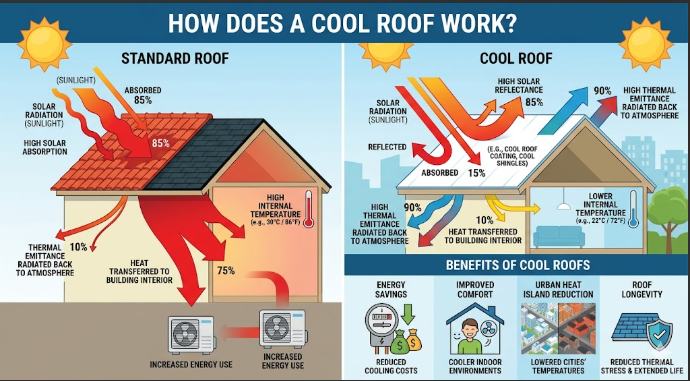
Cool roofs help combat the urban heat island effect by reflecting more sunlight and absorbing less heat than traditional roofs, reducing the warmth cities accumulate during hot periods.
How Does a Cool Roof Work?
- Reflects Sunlight: Cool roofs are designed to reflect a significant portion of incoming sunlight. This reduces the amount of heat absorbed by the building, keeping it cooler.
- Emits Heat Efficiently: These roofs also have high thermal emittance, meaning they can release absorbed heat quickly, preventing it from building up.
- Reduces Roof Surface Temperature: By reflecting sunlight and efficiently emitting heat, cool roofs maintain a lower surface temperature compared to traditional roofs.
- Lowers Indoor Temperatures: Cooler roof surfaces result in lower indoor temperatures, reducing the need for air conditioning and enhancing comfort.
- Decreases Energy Consumption: With less heat entering the building, air conditioning systems require less energy, resulting in significant energy savings.
- Mitigates UHI Effect: On a larger scale, widespread use of cool roofs can help lower ambient temperatures in urban areas, reducing the UHI effect.
Cool Roof Benefits
Installing a cool roof offers several advantages for homeowners and the environment.
- Energy Savings: By reducing the need for air conditioning, cool roofs can lower energy bills, especially during hot summer months.
- Enhanced Comfort: Cooler indoor temperatures create a more comfortable living environment, reducing the need for cooling systems.
- Extended Roof Lifespan: By minimizing heat-related wear and tear, cool roofs can extend the lifespan of your roofing materials.
- Environmental Impact: Cool roofs help reduce the urban heat island effect, lower greenhouse gas emissions, and contribute to a more sustainable environment.
- Increased Property Value: Homes with energy-efficient features, such as cool roofs, may have higher resale values due to their reduced operating costs and environmental benefits.
Step-by-Step Guide to Installing a Cool Roof in Brooklyn
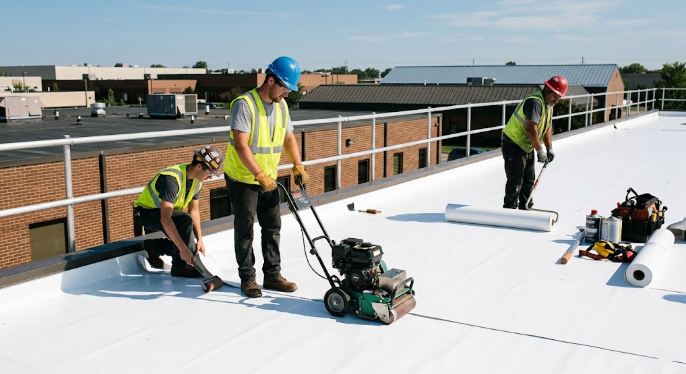
Installing a cool roof involves several steps to ensure optimal performance and longevity.
- Assess Roof Condition: Before installation, evaluate the existing roof for any damage or necessary repairs to ensure a solid foundation.
- Choose Appropriate Material: Select a cool roofing material that suits your building type, budget, and aesthetic preferences.
- Prepare Roof Surface: Clean the roof surface to remove debris, dirt, and any existing coatings to ensure proper adhesion of the new material.
- Apply Reflective Coating or Install New Roof: Depending on the chosen material, apply a reflective coating or install new roofing materials according to the manufacturer’s instructions.
- Ensure Proper Ventilation: Adequate roof ventilation is crucial to prevent moisture buildup and prolong the roof’s lifespan.
- Regular Maintenance: Schedule periodic inspections and maintenance to keep the cool roof performing optimally.
Installation Cost of Cool Roofs in Brooklyn, NYC
The cost of installing a cool roof in Brooklyn varies based on the type of material and the complexity of the installation.
| Roof Type | Material Cost | Labor Cost | Total Cost |
| Reflective Coatings | $0.30–$0.45 | $0.65–$1.00 | $0.95–$1.45 |
| Metal Roofing | $10–$18 | $5–$8 | $15–$26 |
| Clay/Concrete Tiles | $7–$15 | $4–$6 | $11–$21 |
| Single-Ply Membranes | $5–$8 | $3–$5 | $8–$13 |
| Cool Asphalt Shingles | $1.50–$3.50 | $3–$5 | $4.50–$8.50 |
| Green Roofs | $10–$25 | $5–$10 | $15–$35 |
Extending Roof Lifespan with Reflective Coatings
Reflective roof coatings are special paints or membranes that form a light-colored, heat-reflecting surface on your roof. By reflecting sunlight and UV rays, these coatings keep the roof much cooler than a dark roof under the same conditions. This cooling reduces thermal stress and prevents asphalt and other materials from becoming brittle, helping the roof last much longer. In fact, building owners often extend roof life by 10–20 years when they apply and maintain a quality reflective coating. In short, a thin, white, or light-colored layer on the roof acts like sunscreen for your house, protecting it from sun damage and aging.
To apply a reflective coating, first clean and repair the roof surface. All dirt, mold, or damaged sections must be fixed so the coating can stick properly. Then, install the coating using a roller, brush, or sprayer according to the manufacturer’s instructions. The liquid coating flows into every tiny crack and seam, sealing them tightly against leaks. After the coating dries, the roof is transformed with a bright, protective finish. Many products last a decade or more, but plan to do a touch-up or re-coat every 10 years to keep the protection fresh.
Current Cool Roof Laws and Initiatives
In New York City, cool roofs are a significant component of recent climate legislation. The 2019 Climate Mobilization Act (Local Laws 92 and 94) now requires most new buildings or major roof renovations to have solar panels or green roofs, and it raises the reflectivity standards for ordinary roofs. The NYC CoolRoofs program also provides free or low-cost reflective roof installations to nonprofits and affordable housing projects, training local workers in the process. Altogether, these policies aim to utilize roof space to reduce energy use and mitigate the urban heat island effect. City and state agencies often publicize lists of cool-roof incentive programs, and EPA’s heat-island guides point to many local ordinances and rebate programs nationwide.
The Role of Cool Roofs in NYC’s Resilience Strategy
Cool roofs are explicitly part of New York City’s strategy to cope with hotter summers and reduce pollution. By keeping building surfaces cooler, reflective roofs lower indoor temperatures and cut air-conditioning loads. Studies show cool roofs can cut cooling needs by 10–30% on hot days, which means a cooler attic and fewer heatwaves.
The city’s own CoolRoofs program has now painted millions of square feet of rooftops white; this effort is expected to save about $1 million per year on energy and cut roughly 3,500 metric tons of CO₂ by 2025. These gains support New York’s OneNYC plan to cut greenhouse gas emissions 80% by 2050. In short, installing reflective roofs is a concrete step in NYC’s heat-resilience toolkit: it cools homes, trims bills, and helps the city meet its climate goals.
Addressing Common Concerns About Cool Roofs
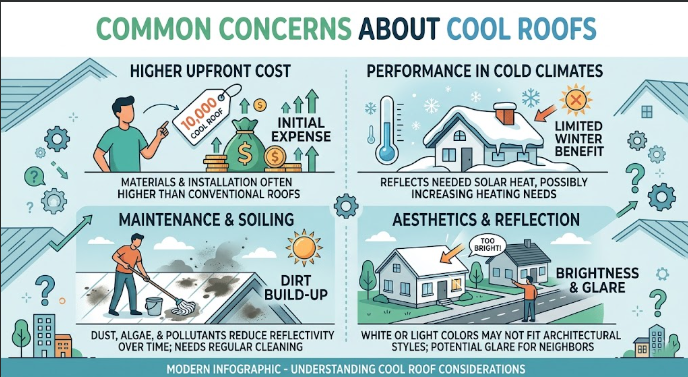
Many people have questions or doubts about cool roofs. Below, we address six frequent concerns and set the record straight:
- Winter heating penalty: Because cool roofs reflect heat, they allow less solar heat to enter a building in winter. DOE notes that this can slightly increase heating demand in cold months. In practice, however, the summertime cooling savings usually far outweigh any extra winter heating in a place like New York. Plus, proper insulation and roof design minimize any winter downside.
- Moisture and condensation: Reflective roof surfaces stay cooler after sunset, which can cause condensation under the roof assembly in some cases. This trapped moisture can lead to mold or roof deck issues if not managed. In our projects, we use proper insulation layers or vapor barriers to prevent moisture buildup, so the cool roof can dry out normally.
- Algae and mold growth: Light-colored roofs in humid climates can show streaks of algae or mold over time. These dark streaks don’t affect performance but may be visually unappealing. In most cases, a gentle roof cleaning removes any growth. Regular maintenance – like cleaning every few years – keeps the roof looking bright.
- Durability and maintenance: Some worry that coatings will peel or wear out quickly. In reality, modern cool coatings are UV-stable and engineered for roof use. A well-applied cool roof can easily last a decade or more before recoating is needed. In fact, experts note you often just re-coat the roof every 10 years instead of replacing it entirely, making maintenance predictable and cost-effective.
- Climate suitability: Cool roofs are most effective in sunny, warm climates. If your area is very cold, a reflective roof might slightly increase heating use in winter. However, New York’s hot summers mean that cool roofs still provide net energy savings by reducing peak cooling loads. We always consider climate – but for Brooklyn’s summer heat, cool roofs deliver big benefits.
- Cost and appearance: It’s true that high-quality cool roofing materials can be more expensive upfront than ordinary roofing. But this is often offset by lower energy bills and available rebates. Many local utility or city programs offer incentives to cut the net cost. And while traditional cool roofs are bright white, manufacturers now make “off-white” or lightly tinted cool shingles that blend in nicely with your home.
Comparing Cool Roofs with Other Energy-Efficient Roofing Options
Different green roofing strategies have unique pros and cons. The table below compares a cool roof to five other common options across several factors:
| Feature / Roof Type | Cool Roof | Green (Vegetative) Roof | Solar PV Roof | Metal Roof (Reflective) | Spray-Foam Roof (Insulated) | Reflective Shingle Roof |
| Installation Cost | Moderate ($$); often similar to normal roof plus coating | High (complex, requires structure and plants) | Very High (panels and wiring) | Moderate to High (metal is pricier than asphalt) | High (special application and prep) | Moderate ($$, slightly above standard shingles) |
| Cooling Savings | Very high in summer (reflects ~80% of sun) | High (plants cool by shade and evapotranspiration) | Moderate (panels shade roof, but mostly generate power) | High (light metal reflects heat) | High (excellent insulation + reflective topcoat) | Medium (Energy-Star shingles reflect but not as much as white coatings) |
| Winter Performance | Slightly worse (less solar gain, so minor heating penalty) | Better (soil and plants add insulation, help keep warmth) | Neutral (panels do not warm interior) | Moderate (metal loses heat fast, but roof insulation needed) | Good (insulation greatly reduces heat loss) | Slightly worse (reflective granules reduce solar gain modestly) |
| Maintenance Required | Low (periodic cleaning and re-coat every ~10 yrs) | High (weeding, watering, inspecting plant layer) | Medium (keep panels clean, check electrical) | Low (very durable, just fix any dents) | Low (foam is maintenance-free if intact) | Low (same as regular shingles) |
| Lifespan / Durability | 10–20 years (coating life) | 30–50+ years (with upkeep; vegetation needs replants over time) | ~25 years (panel life) | 40–70 years (very long-lasting metal) | ~20–30 years (foam can last decades if protected) | 15–30 years (typical asphalt shingle life) |
Case Studies: Successful Cool Roof Implementations in Brooklyn
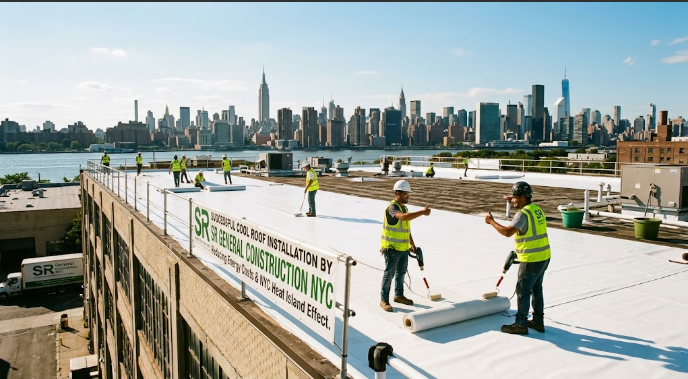
Our firm, SR General Construction, recently completed a cool-roof retrofit on a house in the Canarsie section of Brooklyn for our client, Daniel. The home had a faded, dark asphalt roof that made the attic and top floor extremely hot in the summer. We thoroughly cleaned the roof and repaired all cracks and damaged sections. Next, we applied a two-coat, white reflective elastomeric silicone coating over the 2,000-square-foot roof. Because the coating is liquid-applied, it flowed into tiny gaps and sealed them tightly, preventing future leaks.
The roof area was about 2,000 square feet. Fixr reports that a typical 1,500 sq ft cool roof runs around $10,000, so our larger project cost about $14,000 total (materials and labor). Daniel immediately noticed that his home stayed much cooler on hot afternoons.
We estimate his summer cooling costs will drop by roughly 20% thanks to the new roof. The reflective coating is rated to last at least ten more years, so this retrofit will extend the roof’s life by a decade or more. Overall, Daniel is very happy with the results, and this project is a great example of how a cool roof can cut bills and keep Brooklyn homes more comfortable.
Where to Find the Best Brooklyn Roofing Contractors
Are you looking for an expert roofing contractor in Brooklyn, NYC? SR General Construction has you covered! Our business is located at 8807 Avenue B, Brooklyn, NY 11236, United States, in the Canarsie area.
We proudly serve all areas of Brooklyn with high-quality, durable roofing solutions. From new installations to repairs and maintenance, we provide the best service at affordable prices. Contact us and experience why we’re Brooklyn’s roofing experts!
FAQ
1. What exactly is a cool roof?
A cool roof is a roofing system designed to reflect more sunlight and absorb less heat than a standard roof, which helps to keep the building cooler.
2. How does a cool roof save energy?
By reflecting solar radiation and emitting absorbed heat, a cool roof reduces the heat flow into the building, which lowers air conditioning use.
3. What materials qualify as cool roof options?
Materials include reflective coatings, light-coloured metal roofs, cool asphalt shingles, white single-ply membranes, and reflective tiles.
4. How long does a cool roof last?
Depends on the product and maintenance; coatings may last ~10 years or more, while full roof materials may last 20-30 years or longer.
5. What kind of energy bill savings can I expect?
Savings vary, but in some cases, cooling-energy use drops by 10% to 30% on hot days thanks to reflective roofing.
6. How do I know if a product qualifies as a “cool roof”?
Look for high solar reflectance and high thermal emittance values, or a Solar Reflectance Index (SRI) certified by a reputable body, such as the Cool Roof Rating Council (CRRC).