


Are you looking to upgrade your roof with a material that’s both durable and stylish? Let’s talk about composite shingle roofs.
A composite shingle roof might be just what you need. These roofs are not only long-lasting but also available in a variety of styles and colors. If you’re ready to invest in a roof that can resist harsh weather, save you money in the long run, and give your home a fresh look, then you’ve come to the right place.
In this guide, we’ll explore everything you need to know about composite shingle roofs. From their construction and benefits to their cost and maintenance, we’ll inform you why they might be the perfect choice for your home. We’ll also touch on some practical tips for installation and repair.
By the end of this guide, you’ll be well-equipped to decide if a composite shingle roof is right for you.
Key Information:
Composite shingles blend fiberglass, asphalt, and recycled plastics or rubber to replicate the appearance of slate, wood, or tile.
- A fiberglass mat core provides the shingle shape and prevents cracks while maintaining a low weight.
- The asphalt layer adds waterproofing, flexibility, and resistance to heat.
- Mineral granules form the visible surface, add color, and block UV damage.
- Polymer or rubber fillers enhance impact resistance and reduce roof noise during storms.
- A protective topcoat boosts fire resistance and slows color fade.
- Key product types include 3-tab, architectural, luxury, slate-style, cedar-look, polymer, and rubber-based shingles.
- The typical installed cost is about $7–$14 per square foot for standard composites and $10–$20 per square foot for designer or synthetic slate.
- Lifespan varies by grade: roughly 20–30 years for basic types and 30–50+ years for premium options.
- Composite shingles are lighter than real slate or tile, so most roofs do not need extra framing.
What Are Composite Shingles?
Composite shingles are advanced roofing materials made by combining fiberglass, asphalt, and recycled elements, such as plastic or rubber. Designed to imitate the appearance of wood, slate, or tile, they deliver the aesthetics of premium roofing without the maintenance. What sets composite roofing apart is its ability to offer style, resilience, and longevity in one smart package. These shingles are made to last and resist mildew, moisture, UV damage, and impact. If you’re looking for a roof that combines visual appeal with durability, composite shingles are a strong contender.
What Are Composite Roof Shingles Made Of: Components, Materials, and Structure?
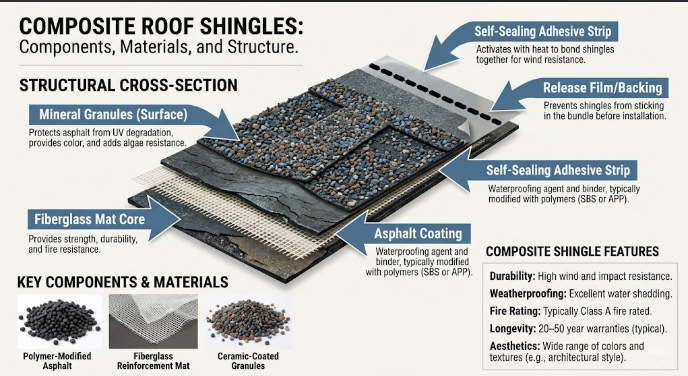
Modern composite shingles are multi-layered systems built for strength, efficiency, and weather protection. Each component serves a unique purpose to enhance durability and performance.
- Fiberglass Mat Core: This internal base layer provides structural support without adding excess weight. It helps the shingles stay flat and resist cracking. It’s the skeleton that holds the rest together.
- Asphalt Layer: The asphalt coating serves as a waterproof barrier while also providing flexibility. It binds the materials and boosts resilience under sun exposure. It’s also key to heat resistance.
- Recycled Plastics: Reused plastics improve the rigidity of the top layer while enhancing environmental sustainability. They reduce landfill waste and mimic the natural texture of slate or shake. These add both function and eco-conscious value.
- Wood Fibers or Cellulose: Often used to thicken the shingle and create a natural texture. These lightweight fibers help achieve a more organic appearance without sacrificing strength. They also support better insulation.
- Mineral Granules: These granules create the colored, textured surface visible on the roof. They protect against UV rays, moisture, and minor surface damage. They also play a significant role in the shingles’ appearance.
- Rubber or Polymer Fillers: These additives improve flexibility and impact resistance. They allow shingles to absorb hail or debris without breaking. Bonus: they help reduce sound from rain or wind.
- Protective Top Coating: This final layer enhances fire safety and color retention. It also shields the roof from harsh sun and fading. It’s the invisible armor that keeps everything intact.
Types of Composite Shingles
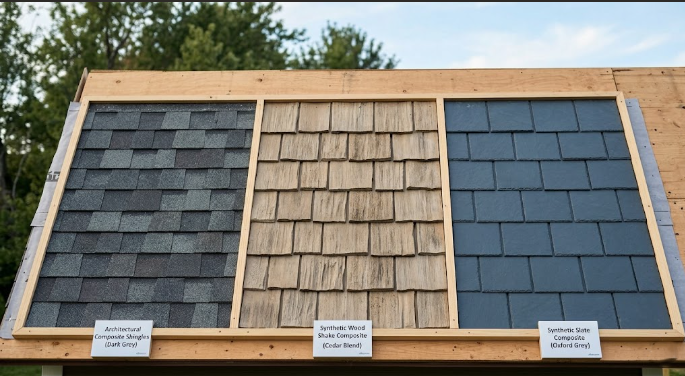
Composite shingles aren’t one-size-fits-all. They come in various designs, each made to suit different roof types, budgets, and aesthetics.
3‑Tab Composite Shingles
- Description: Flat, uniform shingles known for their simplicity and affordability.
- Key Features: Lightweight, single-layer build, clean lines, and budget-friendly.
- Materials: Fiberglass, asphalt, mineral granules.
- Benefits:
- Straightforward installation
- Ideal for low-slope roofs
- Affordable entry point
- Clean, timeless look
Architectural Composite Shingles
- Description: Also known as dimensional shingles, these offer more depth and durability.
- Key Features: Layered construction, curved edges, enhanced thickness, and wind resistance.
- Materials: Dual-layer fiberglass, performance asphalt, enhanced granules.
- Benefits:
- Improved lifespan
- Greater curb appeal
- Better weather performance
- Suitable for a wide range of homes
Luxury Composite Shingles
- Description: Premium-grade shingles designed to replicate slate or cedar with rich detail.
- Key Features: Heavyweight build, high depth, textured surfaces, and long warranty periods.
- Materials: Reinforced fiberglass core, synthetic polymers, UV-stable granules.
- Benefits:
- Maximum durability
- Elevates high-end architecture
- Low replacement frequency
- Stands out in upscale neighborhoods
Cedar Shake Composite Shingles
- Description: Engineered shingles designed to mimic natural cedar wood.
- Key Features: Wood grain texture, irregular edge cuts, fire-safe, mold-resistant.
- Materials: Recycled plastic, wood fiber, UV-protective coating.
- Benefits:
- Zero rotting or warping
- Rustic charm without the upkeep
- Safer than traditional wood
- Excellent insulation properties
Slate-Style Composite Shingles
- Description: Lightweight shingles modeled after traditional slate tiles.
- Key Features: Stone texture, dimensional surface, strong corners, rich color depth.
- Materials: Asphalt, composite fillers, textured mineral coating.
- Benefits:
- Reduces the roof weight load
- Elegant design
- Cracking-free alternative to real slate
- Easier installation process
Polymer Composite Shingles
- Description: 100% synthetic shingles designed for performance and visual consistency.
- Key Features: Flexible core, fade resistance, uniform shape, and advanced UV protection.
- Materials: High-grade polymers, colored granules, reinforced base.
- Benefits:
- Suitable for harsh climates
- Retains color longer
- Lightweight but strong
- Energy-efficient design
Rubber-Based Composite Shingles
- Description: Made from recycled rubber, these shingles are built to absorb impact and noise.
- Key Features: Dense structure, sound-reducing surface, hail resistance, and eco-certifications.
- Materials: Crumb rubber, binding resin, granule finish.
- Benefits:
- Sustainable roofing option
- Quieter during storms
- Flexible under impact
- Extremely low maintenance
Composite Roof Shingle Colors

Color isn’t just about appearance; it affects your roof’s heat absorption, overall curb appeal, and even energy use. Composite shingles come in a variety of shades, which gives homeowners room to match the mood and style of their homes. These shingles also include coatings that keep their bright color for years by slowing down the fading process.
- Warm Browns: Perfect for homes with brick exteriors or natural surroundings. These shades offer a grounded, earthy tone that blends in beautifully.
- Stone Gray: A modern, versatile choice that pairs well with both urban and traditional architecture. It adds a cool, sophisticated edge to the roofline.
- Charcoal or Midnight Black: A bold, commanding color that contrasts beautifully with lighter siding. It enhances depth and brings out strong roof features.
- Soft Tan or Sand: A subtle tone that complements desert, coastal, or neutral-toned homes. It offers balance without drawing too much attention.
- Moss Green or Forest Tones: Ideal for cabins or homes surrounded by greenery. This shade connects the home to its natural environment for a fresh, calming feel.
Pros and Cons of Composite Shingles
Before picking a roof, it’s smart to know what works well and what doesn’t. Composite shingles look great and last a long time. But like any roof, they also have a few downsides. This section will help you see both the good and the bad, so you can make a profitable decision.
Advantages of Composite Shingles
- Durability against weather and impact: Composite shingles are advanced to resist storms, hail, and heavy rain. They prevent cracking and damage more than standard shingles. That durability gives your roof lasting strength.
- Long lifespan with low upkeep: These shingles often last 25 to 50 years. You won’t need frequent repairs or replacements. That adds peace and value over time.
- Wide style and color range: You can pick from designs that copy wood, slate, or stone. You’ll find colors that match your home’s feel. That gives your house a fresh, custom look.
- Eco-friendliness and recycled materials: Many shingles use recycled plastic, rubber, or wood fiber. This reduces waste and supports greener building practices. You get fine roofing that respects the planet.
- Fire and mold resistance: Composite shingles offer better fire resistance than wood. They also fight mold and decay in cool, damp areas. That keeps your home safer and more durable.
- Lightweight compared to natural options: These shingles weigh much less than slate or clay tiles. That’s easier on your roof structure. It also cuts down on installation time and hassle.
- Sound-dampening features: Some versions reduce noise from rain or hail. The multilayered build makes the sounds on your roof softer. That brings peace inside your home, even in storms.
Limitations of Composite Shingles
- Higher upfront cost: Composite shingles may be more expensive than standard asphalt shingles. The materials and design cost more at the initial stage. But they may save you money over the years.
- Possible color fade due to sun exposure: UV rays can damage the surface over time. Faded colors may change the look of your roof. But top brands include coatings to slow fading.
- Limited look of natural materials: Even though they look like slate or wood, they’re still composites. Might not match the charm of real cedar or slate. If authentic texture matters, this may disappoint.
- Availability varies locally: Not all roofing shops stock every composite style. You may wait to order your choice. That can delay your project start date.
- Requires a correct installation method: These shingles require proper underlayment and ventilation to function properly. A poor setup can significantly reduce lifespan. That means selecting a good installer is crucial.
Is a composite roof right for Brooklyn’s weather?
Yes, the composition roof is right for Brooklyn’s weather. Composite shingles sustain well in Brooklyn’s mix of hot summers, snowy winters, and Delaware Bay humidity. Their moisture and mold resistance handle damp coastal air well. With the right installation, they resist freeze-and-thaw cycles and strong winds. The blend of strength, lightweight design, and low maintenance makes them a solid choice for local homes.
How to Install a Composite Shingle Roof
Do you want a roof that looks great and lasts? I’ll walk you through the steps so you know what your installer should do. If you’re a DIY pro, use this as a clear checklist and stay safe.
- Plan, measure, and verify codes: Begin with a comprehensive roof inspection and precise measurements. Look for soft spots, loose sheathing, and old leaks. Confirm local code rules and permit needs before any tear-off.
- Tear off old roofing and inspect the deck: Remove all old shingles, nails, and felt. Sweep the deck and mark weak areas. Replace damaged sheathing so the new roof has a solid base.
- Install drip edge and ice/water shield: Fit drip edge along eaves and rakes to guide water away. Roll ice and water shield in valleys and along eaves for extra leak defense. Press seams tight so nothing lifts.
- Lay underlayment correctly: Use synthetic underlayment for a smooth, dry base. Overlap rows as the label shows and fasten per pattern. Keep the surface flat to avoid bumps under shingles.
- Add starter strips and snap layout lines: Starter strips help seal the first course against wind. Snap straight chalk lines to guide each row. Clean lines help the roof look crisp from the street.
- Set a shingle pattern and drive nails to spec:Stagger joints and follow the nail zone on each shingle. Drive nails flush, not buried or proud. Keep rows straight so water sheds cleanly.
- Flash penetrations and finish ridge vents: Seal around chimneys, skylights, and pipes with step and counter-flashing. Cap hips and ridges with matching ridge caps. Install a ridge vent if the attic requires improved airflow.
How to Repair a Composite Shingle Roof

Do you spot a problem and want to stop it fast? I’ve got you covered with a simple, do-right plan. If anything feels risky, call a licensed roofer.
- Find the source, not just the stain:Check the upper space for wet insulation, dark wood, or daylight. Follow water paths uphill since leaks travel. Mark the area on the roof so you can work with confidence.
- Replace cracked or missing shingles: Lift the tabs above the damaged piece and use a pry bar to remove the nails. Slide in a new shingle of the same style and color. Nail it in the marked zone and seal the tabs.
- Seal small surface splits and nail holes: For tiny cracks, use a manufacturer-approved sealant. Press it into the gap and smooth it for a flat finish. Wipe off extra so granules don’t clump.
- Fix loose or rusted flashing: Remove old sealant and re-bed the flashing. Replace warped step flashing along sidewalls. Add a bead of sealant at the top edge where code allows.
- Address nail pops and lifted tabs: Pull the raised nail, then drive a new nail an inch away from the original location. Apply a small amount of sealant over the head and under the tab. Press the tab down so it bonds.
- Tighten ridge caps and vents: Inspect ridge caps for cracks or signs of lifting. Replace broken pieces and re-fasten loose ones. Confirm vents sit flat so wind and rain stay out.
- Clean debris and clear gutters: Sweep away leaves, branches, and other debris. Flush gutters so water flows away fast. A clean roof sheds water better and helps stop new leaks.
How Much Does a Composite Shingle Roof Cost (per sq ft)?
Composite shingle roofs usually cost more than basic asphalt but less than many premium natural roofs. For most homes in the U.S., expect to pay about $7–$14 per square foot installed for standard composite shingles, with designer styles like synthetic slate in the $10–$20 per square foot range.
Installation Cost (per sq. ft.)
| Composition Roof Type | Material Cost | Labor Cost | Total Cost |
| Standard Composite Shingles | $3 – $6 | $4 – $8 | $7 – $14 |
| Architectural Composite Shingles | $4 – $7 | $4 – $8 | $8 – $15 |
| Composite Slate (Synthetic) | $6 – $12 | $4 – $8 | $10 – $20 |
| Composite Cedar Shake (Synthetic) | $6 – $8 | $8 – $10 | $14 – $18 |
| Rubber Composite Shingles | $4 – $8 | $5 – $11 | $9 – $19 |
Comparing Composite Shingles to Other Roofing Materials
The table below compares it to common choices in terms of cost, lifespan, weight, upkeep, and curb appeal. Use it to match your budget and your style goals.
| Material | Installed Cost (per sq ft) | Typical Lifespan | Weight vs Structure | Maintenance | Curb Appeal |
| Composite Shingle | $7 – $14 (synthetic slate $10–$20) | 25–50+ years | Light-to-moderate load | Low | Looks like wood or slate |
| Asphalt Shingle | $5.6 – $7.65 | 15–30 years | Light load | Low-to-moderate | Basic to good |
| Metal (steel/alum.) | $9 – $18 (common range) | 40–70 years | Light-to-moderate | Low | Modern, crisp lines |
| Cedar Shake | $7 – $16 | 20–30 years | Moderate | Higher (treatments, washing) | Warm, rustic |
| Clay/Concrete Tile | $11.2 – $25 | 50–100 years | Heavy (may need framing check) | Low-to-moderate | Classic, bold |
| Natural Slate | $20+ (varies widely) | 75–150 years | Very heavy (often needs reinforcement) | Low | Elite, timeless |
What is Composite Shingle Siding?
Composite shingle siding is a wall covering designed to resemble wood shake or slate tiles. It is made from a combination of materials, including polymers, recycled plastics, and fiber blends. This siding gives the look of natural materials with lower maintenance and better moisture resistance. Homeowners use it to match composite roofs or to add a textured, long-lasting finish.
How long does a composite shingle roof last?
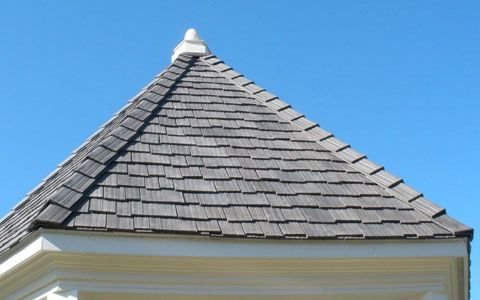
Lifespan depends on the type of shingle you pick. Basic composite shingles often last about 20–30 years. Architectural and premium options can last 30–50 years or more when properly fitted and maintained.
Best Composite Roof Shingle Brands in Brooklyn 2025
SR General Construction is the best roofing company in Brooklyn. They have 20 years of experience in the roofing industry. They have served over 5,000 customers and offer a 12-year warranty, along with 24/7 emergency service. For local help, other Brooklyn firms to consider are Smart Roofers NY and NYC Renovators.
Expert Tips for the Care and Maintenance of Composition Roofing
We provide expert tips here to help you keep your roof safe and in good working condition.
- Inspect your roof twice a year and after big storms.
- Clear gutters and downspouts to ensure water flows away from the house.
- Trim overhanging branches that can drop debris on the roof.
- Replace cracked or missing shingles as soon as you find them.
- Check flashings around chimneys and vents for gaps or rust.
- Maintain a balance between attic ventilation and insulation to prevent ice buildup.
Why should you choose a professional roofing contractor?
Are you looking for an expert roofing contractor in Brooklyn, NYC? SR General Construction has you covered! Our business is located at 8807 Avenue B, Brooklyn, NY 11236, United States, in the Canarsie area.
We proudly serve all areas of Brooklyn with high-quality, durable roofing solutions. From new installations to repairs and maintenance, we provide the best service at affordable prices. Contact us and experience why we’re Brooklyn’s roofing experts!
FAQ
1. What are composite shingles?
Composite shingles are made from a combination of materials, including fiberglass, polymers, and mineral granules. They copy the look of slate, wood, or tile while staying lighter and easier to install.
2. How long do composite shingles last?
Basic composite shingles often last around 20–30 years. Premium or thicker products can last 30–50 years or more with correct installation and care.
3. Are composite shingles more costly than asphalt?
Yes, composite shingles usually cost more than standard asphalt at first. Over time, they can be less expensive if they require fewer repairs or replacements.
4. Do composite shingles need special framing?
Most composite shingles are light enough for standard framing. Very heavy premium systems may need a structural check first.
5. How much does a composite shingle roof cost?
The installed cost usually ranges from $7 to $14 per square foot for standard composite shingles. Designer or synthetic slate styles often cost $10 to $20 per square foot.