

If you’re thinking of a roof that offers durability, energy efficiency, and long-lasting protection, PVC roofing might be the perfect solution. PVC roofing is a popular choice for both residential and commercial buildings because it’s tough, waterproof, and can resist various weather conditions. But why is it so effective? What makes it stand out from other roofing options?
In this blog, we’ll explore PVC roofing and cover everything you need to know. From its benefits and drawbacks to its cost, installation process, and types, we’ll help you understand why PVC roofing could be the best solution for your roof. Let’s unleash all the key details and help you make an informed decision for your building!
What is PVC Membrane Roofing?
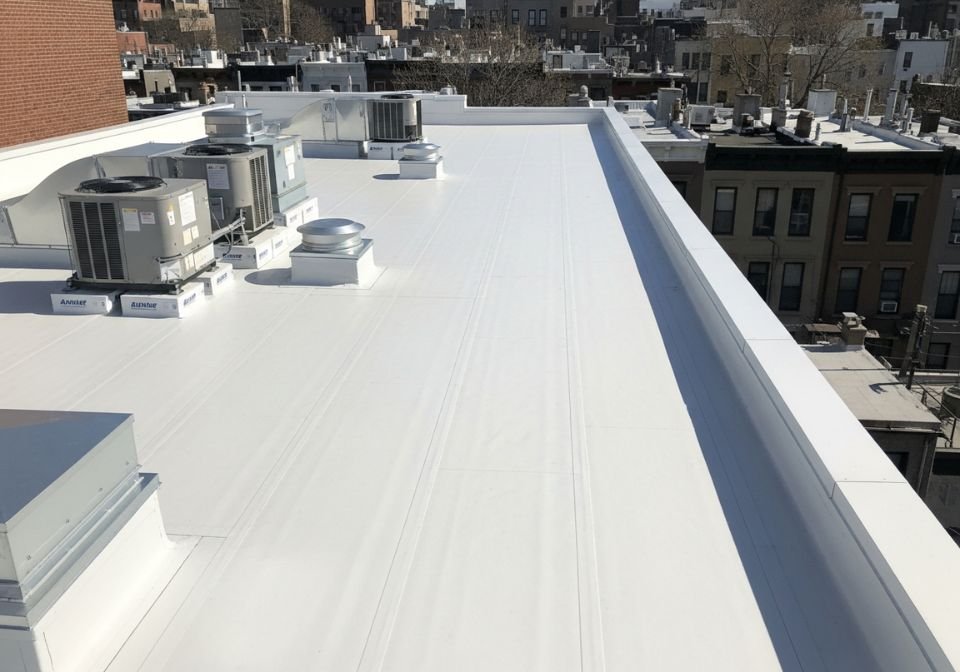
PVC membrane roofing is a single-ply roofing material made from polyvinyl chloride. It is widely used for flat or low-slope roofs due to its durability, waterproofing, and flexibility. PVC roofing is easy to install and offers a seamless surface that helps prevent leaks. The material is also resistant to UV rays and chemicals, making it perfect for areas that experience harsh weather. With a lifespan of 20 to 30 years, PVC roofing provides a long-lasting solution for your roof.
Components and Structure of a PVC Roofing System
A PVC roofing system is made up of various components that work together to provide a strong and durable roof. Each layer serves a specific purpose to ensure waterproofing, insulation, and longevity. Here are the components:
- Roof Deck: This layer is the foundation of the roof, typically made from plywood, concrete, or metal. It provides support for all the roofing layers and ensures that the roofing system remains stable and secure. The deck must be strong enough to hold the membrane and resist any external pressure.
- Insulation: Often made from polyisocyanurate or expanded polystyrene, this layer helps with thermal resistance and keeps the building energy-efficient. It ensures that the interior stays comfortable by reducing heat loss in the winter and minimizing heat absorption during the summer.
- PVC Membrane: The main waterproofing layer of the roofing system, typically 60-90 mil thick, which is applied in large sheets to minimize seams. This membrane is designed to be flexible, durable, and resistant to UV rays, chemicals, and extreme weather conditions. It forms the primary barrier against water infiltration.
- Adhesive or Fasteners: These are used to secure the PVC membrane to the roof deck. Some systems use adhesive to bond the membrane, while others use mechanical fasteners to hold it in place. Both methods ensure that the membrane stays firmly attached and does not shift under pressure.
- Seams: The edges of the membrane are heat-welded to form a seamless, waterproof seal. This method creates a strong bond that prevents water from leaking through and ensures the system remains integrated even during heavy rainfall.
- Drainage: Proper drainage is essential for water flow and preventing the accumulation of water on the roof. This system includes gutters, downspouts, and other mechanisms that guide water off the roof. Well-designed drainage helps avoid water buildup that could cause damage or leaks.
What Are the Common Materials Used in PVC Roofing Systems?
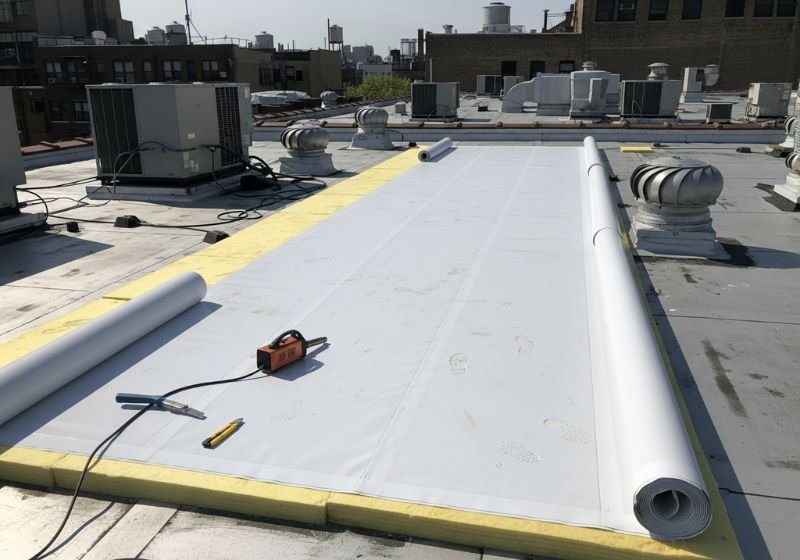
PVC roofing systems are made up of several materials that work together to provide strength, waterproofing, and thermal insulation. Here are some of the common materials used:
- PVC (Polyvinyl Chloride): The primary material in the roofing membrane, PVC offers excellent chemical resistance and waterproofing properties. It is durable and resistant to UV rays, ozone, and extreme weather conditions.
- Fiberglass: Added for reinforcement, fiberglass increases the strength and tear resistance of the PVC membrane. It provides extra durability, which makes the membrane less likely to damage or stretch under stress.
- Polyester: Used as an additional reinforcement layer, polyester enhances the flexibility and strength of PVC. It helps the membrane maintain its shape under temperature fluctuations and high winds.
- Polystyrene: This material is used for insulation in some PVC systems. It provides thermal resistance, which helps the building stay cool in summer and warm in winter, thus reducing energy costs.
- Adhesives: Special adhesives are used to bond the PVC membrane to the roof deck. These adhesives create a secure bond, preventing water from entering the building and ensuring the roofing system is firmly attached.
- Fasteners: In some systems, mechanical fasteners are used to attach the membrane to the roof. These fasteners provide extra security and hold the membrane in place to avoid any movement or separation at the seams.
What are the benefits and limitations of PVC roofing?
PVC roofing has several benefits, but it also has its limitations. Here are the advantages and disadvantages:
Advantages of PVC Roofing
- Durability: PVC roofing is highly durable and can last 30 years or more with proper care. It can resist harsh weather and chemical exposure without significant damage or degradation over time.
- Waterproofing: PVC roofing is known for being completely waterproof. Its seamless design means there’s no risk of water seeping through the surface and makes it ideal for flat or low-slope roofs.
- Energy Efficiency: The reflective surface of PVC roofing helps reduce cooling costs by up to 30%. This is especially beneficial in hot climates, as it reduces the amount of heat absorbed into the building.
- UV Resistance: PVC membranes are UV-resistant. It means they won’t degrade when exposed to sunlight. This extends the lifespan of the roof and keeps it looking excellent for years.
- Low Maintenance: PVC roofing is easy to maintain and requires minimal repairs. It resists moss, algae, and dirt, so the roof stays cleaner and needs less frequent cleaning compared to other materials.
- Fire Resistance: PVC is fire-retardant, which makes it a safe option for buildings in areas with high fire risks. It doesn’t catch fire easily and can help slow down the spread of flames.
Disadvantages of PVC Roofing
- Cost: PVC roofing can be more expensive than other materials like asphalt shingles. However, its long lifespan and low maintenance expenses can make it a good investment in the long run.
- Installation Complexity: Professional installation is recommended for PVC roofing. Improper installation can cause seam separation and leaks. DIY installation is not preferable for best results.
- Despite its durability, sharp objects or heavy foot traffic can still puncture PVC roofing. A small puncture can lead to leaks if not repaired early.
- Limited Color Options: PVC roofing usually comes in white, Gray, or light colors, which limits design flexibility. If you need a more decorative look, other materials may offer better color options.
- Environmental Concerns: PVC is made from synthetic materials, and its production can have environmental impacts. However, the material is recyclable, which helps reduce waste at the end of its lifespan.
Types of PVC Roofing
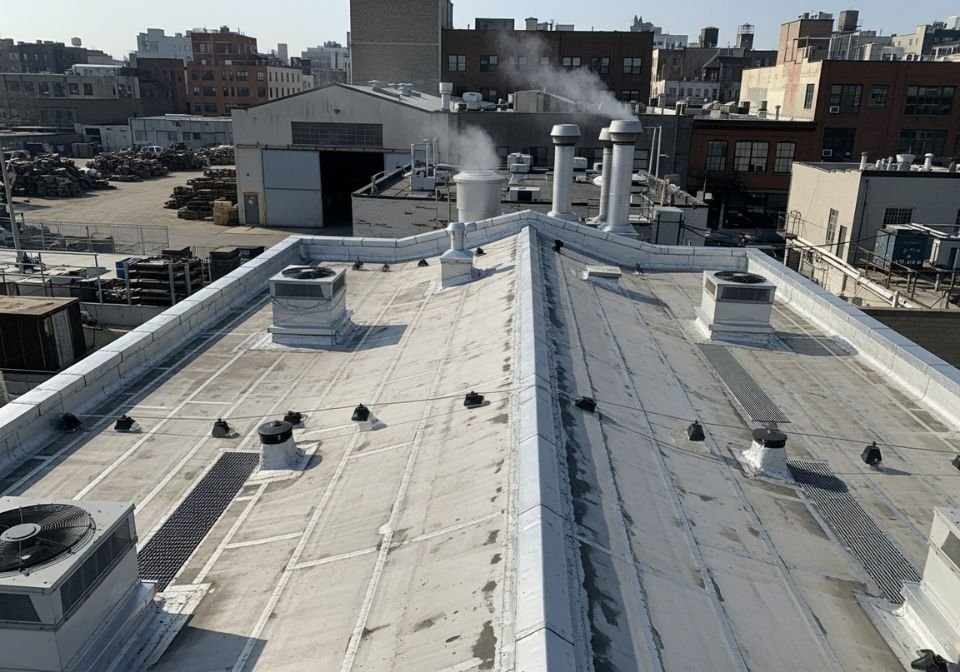
PVC roofing systems come in different types, each with specific features and applications suited for various building requirements. Below are the main types of PVC roofing systems:
1. Single-Ply PVC Roofing
- Description: Single-ply PVC roofing involves a single layer of PVC membrane that is typically 40-80 mils thick (thickness may vary).
- Application: Used for both commercial and residential roofs.
- Features:
- It is lightweight and easy to install.
- Typically white, providing high reflectivity and energy efficiency.
- It provides superior UV resistance, weathering, and durability.
- Seams are welded with heat to form a seamless, waterproof barrier.
- Advantages:
- Cost-effective.
- It exhibits excellent resistance to chemicals, UV rays, and extreme temperatures.
- Its reflective properties make it energy-efficient.
2. Mechanically Fastened PVC Roofing
- Description: In this type, the PVC membrane is attached to the roof deck using mechanical fasteners, such as screws with large plates or washers.
- Application: Commonly used in commercial buildings with large, flat roofs.
- Features:
- Allows the roof to expand and contract due to temperature changes.
- Faster installation since it doesn’t require adhesives or heat welding at seams.
- Advantages:
- It is well-suited for areas with high winds.
- It facilitates effortless maintenance and repair.
- It is both durable and resistant to punctures.
3. Adhered PVC Roofing
- Description: The PVC membrane is attached to the roof deck using adhesives (solvent-based or water-based).
- Application: Used in both commercial and residential roofing systems.
- Features:
- It offers a surface that is smooth and seamless.
- Adhesive-based installation allows the system to expand and contract without stress on the seams.
- Advantages:
- An aesthetically clean look with no exposed fasteners.
- This material is particularly well-suited for low-slope roofs.
- Excellent resistance to weather and chemicals.
4. Ballasted PVC Roofing
- Description: In this system, the PVC membrane is held in place by a layer of ballast, typically gravel, river rock, or pavers.
- Application: Common for commercial roofs with a low slope.
- Features:
- The ballast helps to secure the roof in place, especially in high-wind areas.
- No fasteners or adhesives are required.
- Advantages:
- Easy to repair, as no permanent installation method is used.
- Excellent drainage, as the ballast allows for better water flow.
- The ballast provides a layer of insulation and thermal mass.
5. PVC Roofing with Insulation
- Description: This type of roofing combines the PVC membrane with a layer of rigid insulation (usually polyisocyanurate, EPS, or XPS) beneath it.
- Application: Used for both commercial and residential applications to improve energy efficiency.
- Features:
- Insulation helps maintain building temperature and reduce heating and cooling costs.
- Insulation provides high R-values (thermal resistance).
- Advantages:
- Enhanced energy efficiency.
- This enhances the overall performance and longevity of the roofing system.
6. Standing Seam PVC Roofing
- Description: Standing seam roofs feature vertical seams that are raised above the rest of the roofing surface, often sealed with PVC heat-welding techniques.
- Application: More commonly used for residential and commercial applications requiring an architectural finish.
- Features:
- The seams provide a modern, sleek look.
- Raised seams protect against water infiltration by providing a superior interlocking system.
- Advantages:
- They are aesthetically pleasing and feature clean lines.
- Durable and low maintenance.
- Highly water-resistant.
7. Cold-Applied PVC Roofing
- Description: This system uses cold-applied adhesives instead of heat or mechanical fastening. The PVC membrane is bonded directly to the deck using a solvent- or water-based adhesive.
- Application: Suitable for both commercial and residential buildings, particularly in areas where heat welding may not be ideal.
- Features:
- No heat is required, making it safer in certain environments.
- It provides ease of installation and a quick drying time.
- Advantages:
- Minimal disruption during installation.
- Great for projects where open flame or high heat cannot be used.
Expert’s Suggestion: Which Type is Suitable for Brooklyn’s Weather?
For Brooklyn’s humid summers and cold winters, a mechanically fastened PVC roofing system is highly recommended. It offers excellent wind resistance, which is essential during storms and nor’easters. The system’s ability to expand and contract with temperature fluctuations ensures it performs well in Brooklyn’s temperature changes.
Additionally, its heat-welded seams provide a durable, watertight seal, making it resistant to heavy rain and snow. The reflective nature of PVC also helps lower cooling costs during hot summers by reducing heat absorption.
Common Uses and Applications for PVC Roofing
PVC roofing is a versatile and durable option that is used in a variety of applications, especially in places like Brooklyn, NYC. The material is widely chosen for its waterproofing, energy efficiency, and long-lasting performance. Here are five common uses of PVC roofing in Brooklyn:
- Commercial Buildings: PVC roofing is commonly used on the flat roofs of commercial buildings in Brooklyn, such as offices and retail stores. Its durability makes it ideal for areas that experience a lot of foot traffic or exposure to harsh elements. It also helps reduce energy costs and keeps the interiors cool.
- Industrial Facilities: Factories and warehouses in Brooklyn often use PVC roofing because it is chemical-resistant and can prevent extreme temperatures. These properties make it a perfect fit for buildings that deal with chemicals or high-heat conditions. The roof’s waterproof nature also makes it ideal for industrial environments.
- Residential Homes: In Brooklyn, homes with flat roofs or low-slope roofs often use PVC roofing. The material provides great waterproofing and can last for decades, which makes it a cost-effective choice for homeowners. PVC also helps maintain a cool indoor temperature and reduces air conditioning costs in hot months.
- Public and Municipal Buildings: Schools, libraries, and government offices in Brooklyn utilize PVC roofing for its longevity and resistance to extreme weather. This makes it a smart choice for buildings that require low maintenance and can handle Brooklyn’s unpredictable climate.
- Green Roof Systems: PVC is increasingly used as a base layer for green roofs in Brooklyn. Its waterproof properties make it an excellent choice to protect plants and soil while providing an eco-friendly and energy-efficient roofing solution.
How to Install a PVC Roof
PVC roof installation requires professional skills for the best results, as proper seam welding and attachment are crucial to its performance. Here’s a step-by-step guide for installing a PVC roof:
- Step 1: Prepare the Roof Deck:Clean the surface of the roof deck to remove dirt, debris, and any old materials. Ensure the deck is smooth and free of any obstacles that could affect installation. A well-prepared deck helps ensure proper adhesion and a flat surface for the membrane.
- Step 2: Install Insulation: If required, lay down the insulation layer. This layer should be properly aligned and securely fastened to provide thermal resistance. This step is essential for reducing energy costs in the building.
- Step 3: Unroll the PVC Membrane: Unroll the PVC membrane from the center of the roof toward the edges. Ensure the membrane is aligned with the edges of the roof and allows sufficient overlap for the seams. Stretch the membrane carefully to avoid any wrinkles.
- Step 4: Attach the Membrane:Use adhesive or mechanical fasteners to secure the PVC membrane to the roof deck. Ensure the fasteners are placed properly and spaced evenly to avoid any shifting during installation.
- Step 5: Heat Weld the Seams:Use a hot-air welder to heat-weld the seams of the PVC membrane. This step creates a seamless bond between the sheets of PVC. It makes the roof waterproof and durable.
- Step 6: Install Flashing: Install flashing around edges, chimneys, and vents to create a tight seal. Flashing helps prevent water infiltration at joints and other vulnerable areas of the roof.
- Step 7: Check for Leaks: After installation, inspect the roof thoroughly for any gaps or weak spots. Pay special attention to the seams, as these are the most critical areas where leaks can develop.
- Step 8: Final Inspection: Conduct a final inspection to ensure the entire roof is secure and waterproof. Make any necessary adjustments to ensure long-lasting performance.
PVC Roofing Cost Per Square Foot in Brooklyn, NYC
Before you buy PVC roofing, you need to know how much it will cost. The price depends on the PVC type, roof size, and installation difficulty. The typical cost to install PVC roofing in Brooklyn is between $6 and $12 per square foot. PVC roofs are usually cheaper to fix than roofs made of other materials because they last longer and don’t need much care.
It’s important to know how much it will cost to build and fix your roof so that you can plan your budget and pick the best choice.
Installation Cost (per sq. ft.)
| PVC Roofing Type | Material Cost | Labor Cost | Total Cost |
| Standard PVC | $4 – $6 | $2 – $4 | $6 – $10 |
| Reinforced PVC | $5 – $7 | $3 – $5 | $8 – $12 |
| White PVC | $5 – $7 | $2 – $4 | $7 – $11 |
| TPO/PVC Hybrid | $6 – $8 | $3 – $5 | $9 – $13 |
| PVC with Insulation | $6 – $8 | $3 – $5 | $9 – $13 |
| Premium PVC | $7 – $9 | $4 – $6 | $11 – $15 |
Comparison of PVC Roof with Other Roofs
When choosing a roofing material, it’s important to understand how PVC roofing compares to other common roofing types. Below, we’ll compare PVC roofing with seven popular materials based on five key factors: cost, durability, maintenance, energy efficiency, and installation. This will help you decide which roofing option works best for your needs.
| Roofing Material | Cost (per sq. ft.) | Durability | Maintenance | Energy Efficiency | Installation |
| PVC Roofing | $6 – $10 | 20-30 years | Low | 30% savings | Professional only |
| Asphalt Shingles | $3 – $5 | 15-20 years | Medium | 10-20% savings | Easy, DIY-friendly |
| Metal Roofing | $6 – $12 | 40-70 years | Low | 20-30% savings | Professional only |
| Tile Roofing | $8 – $15 | 50-100 years | Medium | 10-15% savings | Professional only |
| TPO Roofing | $5 – $9 | 15-30 years | Low | 30-40% savings | Professional only |
| EPDM Roofing | $4 – $7 | 20-30 years | Low | 10-20% savings | Easy, professional |
| Wood Shingles | $4 – $7 | 20-30 years | High | 5-10% savings | Easy, DIY-friendly |
| Slate Roofing | $10 – $20 | 100+ years | High | 10-15% savings | Professional only |
Additional Info
What is a PVC Panel Roof?
PVC panel roofs are built of polyvinyl chloride (PVC) and are designed for flat or low-slope roofs. They are lightweight, water-resistant, and provide excellent insulation. The panels are easy to install and are a great option for waterproofing buildings.
These panels are highly durable and long-lasting, which offers protection from UV rays and harsh weather conditions. PVC panel roofs are also energy-efficient due to their reflective properties and reduced cooling costs. With their low maintenance requirements, they are an excellent choice for both residential and commercial applications.
How to Cut PVC Roof Panels
To make a clean, exact cut in PVC roof panels, you need the correct tools and to be careful. Here’s how it works:
- Measure and mark where you want to cut the PVC panels.
- Use a circular saw or jigsaw with a fine-tooth blade.
- Cut slowly to avoid cracking or damaging the material.
- Wear safety goggles and gloves for protection during cutting.
- Clean the cut edges with a file or sandpaper for a smooth finish.
What is a PVC Roof Vent Cap?
A PVC roof vent cap is a component used to cover and seal roof vent holes. It allows ventilation while protecting the roof from water infiltration. These caps are designed to be weather-resistant and durable. It ensures that moisture and debris do not enter through the vents. They help to maintain proper airflow while keeping the roof secure.
How Long Do PVC Roofs Last?
PVC roofs are known for their long lifespan. They can last between 20 and 30 years with proper care. The material’s resistance to UV rays and harsh weather conditions helps extend its service life.
Where should you choose a professional roofing contractor?
Are you looking for an expert roofing contractor in Brooklyn, NYC? SR General Construction has you covered! Our business is located at 8807 Avenue B, Brooklyn, NY 11236, United States, in the Canarsie area.
We proudly serve all areas of Brooklyn with high-quality, durable roofing solutions. From new installations to repairs and maintenance, we provide the best service at affordable prices. Contact us and experience why we’re Brooklyn’s roofing experts!
FAQ
1. What is PVC roofing?
PVC roofing is a single-ply membrane made from polyvinyl chloride (PVC). It is known for being durable, waterproof, and resistant to extreme weather conditions.
2. How long does PVC roofing last?
PVC roofing can last anywhere from 20 to 30 years with proper installation and maintenance. It is designed to handle UV rays, chemicals, and temperature fluctuations.
3. Is PVC roofing energy efficient?
Yes, PVC roofing is energy-efficient. Its reflective surface can reduce cooling costs by up to 30% in hot climates. It helps keep your building cool.
4. What is the cost of PVC roofing installation?
The installation cost of PVC roofing typically ranges from $6 to $12 per square foot. This cost can vary depending on the roofing type and the complexity of installation.
5. Is PVC roofing fire-resistant?
Yes, PVC roofing is fire-retardant. It does not catch fire easily, and that makes it a safer option for buildings in areas with high fire risks.
6. Is PVC roofing suitable for residential buildings?
Yes, PVC roofing is a great choice for residential buildings with flat or low-slope roofs. It provides waterproofing and energy efficiency. These features make it ideal for homes in climates with extreme weather.