

Have you ever wondered why asphalt shingles are so popular in Brooklyn? When it comes to choosing the right roofing material, it’s not just about styles. It’s about making sure your home stays safe from all kinds of weather. In Brooklyn, where storms, snow, and high winds are common, you need a roof that can handle it all. Asphalt shingles are built to prevent these harsh conditions. They’re affordable, easy to maintain, and last for years.
In this guide, we’ll explore why asphalt shingles are the perfect fit for Brooklyn homes. You’ll learn about their benefits, the different types available, and how they can save you money. By the end, you’ll see why asphalt shingles are the smart choice for your home. Let’s dive in!

What is an asphalt shingle roof?
An asphalt shingle roof is one of the most common roofing options for homes. It’s made of layers of asphalt-coated material, designed to protect your home from the elements. Asphalt shingles are known for being durable, cost-effective, and easy to install, which makes them a popular choice in Brooklyn.
Composition and Structure of Asphalt Shingles
1. Base Layer: Made from fiberglass or organic felt, this layer forms the foundation of the shingle. Fiberglass shingles are lightweight and durable, while organic felt shingles offer a higher level of flexibility and moisture resistance.
2. Asphalt Coating: The base layer is covered with a thick layer of asphalt. This coating serves as the primary waterproof barrier, which prevents water from seeping into the home and protects against mold, mildew, and water damage.
3. Mineral Granules: Tiny, colored mineral granules are embedded in the asphalt coating. These granules provide color and texture to the shingles while also protecting them from UV rays. The granules help prevent the shingles from drying out and deteriorating due to sun exposure.
4. Adhesive Sealant: A special adhesive is applied along the edges of the shingles. This sealant helps the shingles bond together. It ensures they stay securely in place, especially during high winds. It also enhances the waterproofing properties by sealing the edges.
5. Cutouts (Optional): Some asphalt shingles have cutouts, which can be seen in 3-tab shingles. These cutouts help reduce the weight of the shingles and allow for easier installation, while also providing a distinctive look.
6. Top Layer (for Architectural Shingles): For architectural shingles, a third layer is added to provide additional texture and strength. This added layer offers extra durability and a more appealing appearance compared to traditional 3-tab shingles.
The Advantages and Limitations of Asphalt Shingles
Asphalt shingles are a popular choice for homeowners due to their affordability and reliability. They come with a variety of benefits but also have a few limitations. In this section, we will explore the advantages and limitations of asphalt shingles to help you make an informed decision for your home.
Advantages of Asphalt Shingles
- Affordable: Asphalt shingles are one of the most cost-effective roofing options.
They offer great value for money, especially when compared to materials like slate or metal. - Easy to Install: Asphalt shingles are simple to install, which makes them a popular choice for both homeowners and contractors. The installation process is quick and doesn’t require specialized skills, reducing labor costs.
- Durable: Asphalt shingles are built to tackle harsh weather conditions. They are designed to handle wind, rain, and snow, which makes them a good fit for areas like Brooklyn.
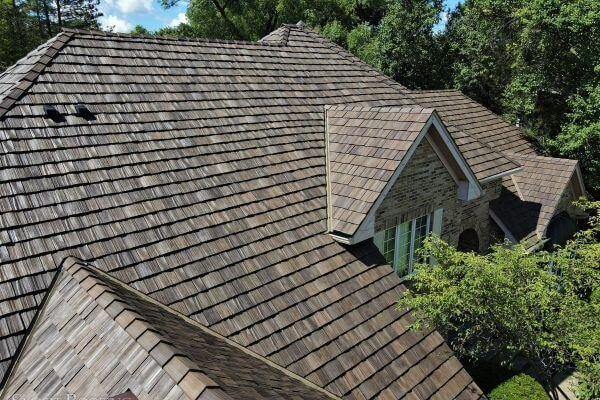
- Variety of Styles: Asphalt shingles are available in a wide range of colors and styles. This allows homeowners to select shingles that complement the style and character of their home.
- Low Maintenance: Asphalt shingles require little maintenance. Routine inspections are sufficient to maintain them in good condition for years.
- Fire Resistant: Many asphalt shingles are treated to be fire-resistant.
This adds an extra layer of protection, particularly in dry or fire-prone areas. - Energy-Efficient Options: Some asphalt shingles are designed with reflective coatings. These shingles can help reduce cooling costs by reflecting sunlight away from your home.
Limitations of Asphalt Shingles
- Shorter Lifespan: Asphalt shingles generally last 15 to 30 years. This is shorter than other materials, such as slate or metal, which can last 50 years or more.
- Susceptible to Extreme Weather: Although durable, asphalt shingles can be damaged by extreme weather conditions. Hailstorms and strong winds can cause shingles to crack or blow off.
- Environmental Impact: Asphalt shingles are made from petroleum-based products. This raises environmental concerns, especially since they are not easily recyclable.
- Vulnerable to Algae Growth: In humid environments, asphalt shingles can develop algae stains. This affects the appearance of the roof and may require cleaning to maintain its look.
- Potential for Cracking: Over time, asphalt shingles can become brittle and crack. This is often due to UV exposure, temperature changes, or improper installation.
- Not Ideal for Flat Roofs: Asphalt shingles are better suited for sloped roofs. On flat roofs, they may not perform as effectively, as water can pool on the surface.
What are the types of asphalt shingles?
Asphalt shingles come in a variety of types, each with unique features, benefits, and costs. Understanding the differences will help you choose the best one for your home. Let’s explore the most common types of asphalt shingles and their pros and cons.
Types of Asphalt Shingles
- 3-Tab Shingles:
- Advantages:
- Affordable: 3-tab shingles are the least expensive option.
- Lightweight: They are easier to install and require less structural support.
- Classic Look: Offers a traditional, flat appearance.
- Disadvantages:
- Shorter Lifespan: These shingles typically last 15–20 years.
- Less Durable: More prone to wind damage compared to other types.
- Limited Style: Fewer color and texture options.
- Advantages:
- Architectural Shingles:
- Advantages:
- Durable: These shingles last longer than 3-tab shingles, often 25–40 years.
- Aesthetic Appeal: They offer a more textured, layered look that enhances the outdoor look.
- Wind Resistant: Stronger and more resistant to high winds.
- Disadvantages:
- Higher Cost: Architectural shingles are more expensive.
- Heavy: They may require additional structural support.
- Installation Complexity: More labor-intensive to install.
- Advantages:
- Designer Shingles:
- Advantages:
- Customizable: Available in a wide variety of shapes, sizes, and colors.
- Aesthetic Variety: Designed to mimic the look of other premium materials like wood or slate.
- Long Lifespan: Can last up to 50 years with proper care.
- Disadvantages:
- Very Expensive: Designer shingles are the most expensive option.
- Heavy: They can be difficult to install on some roofs.
- Requires Skilled Installation: Best installed by professionals.
- Advantages:
- Impact-Resistant Shingles:
- Advantages:
- Hail Resistant: Designed to withstand impact from hail and heavy storms.
- Extended Warranty: Usually comes with a longer manufacturer’s warranty.
- Durable: They are built to last in extreme weather conditions.
- Disadvantages:
- Higher Price: More expensive than standard asphalt shingles.
- Availability: Not available in as many styles or colors as regular asphalt shingles.
- Heavy: May require additional support due to their weight.
- Advantages:
- Luxury Shingles:
- Advantages:
- Premium Look: Resemble the appearance of costly materials like slate or wood.
- Durable: Can last 40–50 years with proper maintenance.
- Weather Resistance: Excellent at handling extreme weather conditions.
- Disadvantages:
- High Cost: They are among the most expensive roofing materials.
- Heavy: May need additional roof support.
- Complex Installation: Requires skilled installers.
- Advantages:
Which Is the Best Type of Asphalt Shingles for Brooklyn’s Weather?
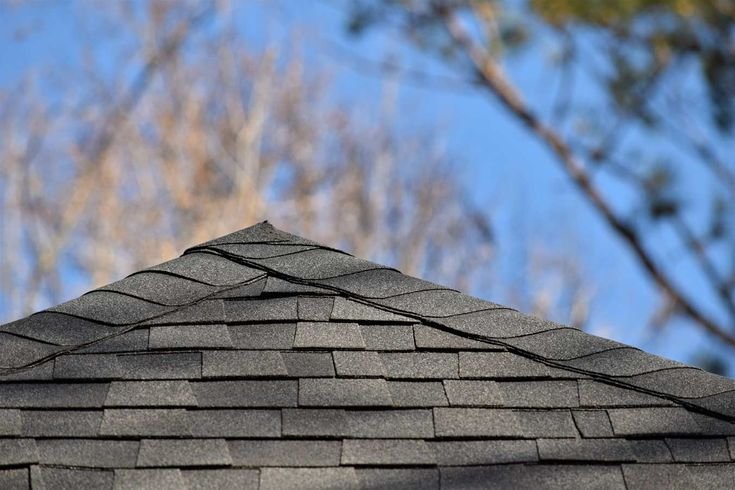
The best type of asphalt shingles for Brooklyn would be architectural shingles. These shingles are durable, wind-resistant, and designed to last longer than other types, which makes them ideal for Brooklyn’s unpredictable weather. With frequent rain, snow, and strong winds, architectural shingles can better withstand the harsh conditions. Their added durability and eye-catching look make them a great choice for homeowners in Brooklyn.
How do you know when to replace an asphalt shingle roof?
Asphalt shingles don’t last forever. Over time, they can become damaged due to weather, age, or poor installation. The perfect replacement time can save you from costly repairs and protect your home from leaks and further damage. Here are some signs it’s time for a replacement.
- Age of the Roof: Asphalt shingles typically last 15–30 years. If your roof is approaching or has exceeded this age, it may be time to consider replacement. Older roofs are more prone to damage and can become less effective at protecting your home.
- Missing or Broken Shingles: Missing or cracked shingles are a clear sign of damage. If more than a few shingles are damaged or missing, water can seep through the roof and cause leaks, which can lead to further issues inside your home.
- Curling or Buckling Shingles: Shingles that curl or buckle are no longer protecting your roof. This happens when shingles lose their flexibility due to age, heat, or moisture. It’s a sign the roof may be past its prime and no longer providing reliable protection.
- Granules in the Gutter: A significant amount of granules in your gutters indicates wear. As shingles age, they shed granules that protect them from UV rays. If you notice a lot of granules, the shingles are likely losing their ability to protect your roof.
- Leaking or Water Damage: Water stains or leaks inside the home are a major sign. If you start seeing signs of water damage on ceilings or walls, it’s a strong indicator that the roof is no longer doing its job and should be replaced.
- Sagging Roof Deck: A sagging roof indicates structural problems. If the roof appears to be sagging, it may indicate a serious underlying issue with the roof deck or supporting structure that requires immediate attention and possible replacement.
Pro Tip
If you’re not sure about the efficiency of your roof, consider getting a professional inspection. A roof expert can spot hidden damage and recommend the best course of action for your home.
How to Install Asphalt Shingles
Asphalt shingle installation is a straightforward process, but it requires attention to detail to ensure durability and effectiveness. If you decide to tackle this job, it’s important to follow each step carefully. Here’s a detailed guide to installing asphalt shingles on your roof.
- Preparation: Start by removing old roofing materials, if applicable. Remove damaged shingles, nails, and scraps. This ensures a clean surface for the new shingles to seal properly.
- Install Underlayment: Lay down a protective underlayment layer. The underlayment provides an extra layer of protection against moisture and helps prevent leaks. It should cover the entire roof deck before placing shingles.
- Place Starter Shingles: Begin with the starter shingles along the roof edge. Starter shingles are crucial for a secure base and help prevent wind damage. They should be installed with adhesive strips facing up to bond with the next layer of shingles.
- Lay the Shingles: Begin installing the shingles from the bottom, working your way up. Overlap each row of shingles slightly to create a staggered effect, which ensures water flows off the roof efficiently. Secure each shingle with nails at the recommended points.
- Install flashing: Add flashing around chimneys, vents, and other roof penetrations to prevent water from entering. Flashing prevents water from seeping into seams, which is essential in areas prone to heavy rain. Ensure the edges are sealed to ensure waterproofing.
- Nail the Shingles: Nail each shingle in place, following manufacturer guidelines. Proper nailing is critical to avoid wind uplift. Ensure nails are placed in the right spots to secure the shingles without damaging them.
- Check for Alignment: As you work, constantly check that shingles are aligned and level. Misaligned shingles can cause issues like water pooling or wind damage. Use a chalk line to ensure consistent placement.
- Final Inspection: Once all shingles are installed, inspect the roof for any loose or improperly installed pieces. Ensure all nails are properly secured and the shingles are securely attached. Check for any areas that might need additional sealant or nailing.
Expert’s Guide
For a smooth installation, avoid rushing the process. Take your time and double-check each step to ensure accuracy. It will ensure your roof lasts longer and performs better in all weather conditions.
What Is the Average Cost of an Asphalt Shingle Roof in Brooklyn?
When considering an asphalt shingle roof in Brooklyn, it’s essential to understand both the installation and potential repair costs. Let’s examine each cost separately to provide you with a clear estimate.
Installation Cost (per sq. ft.)
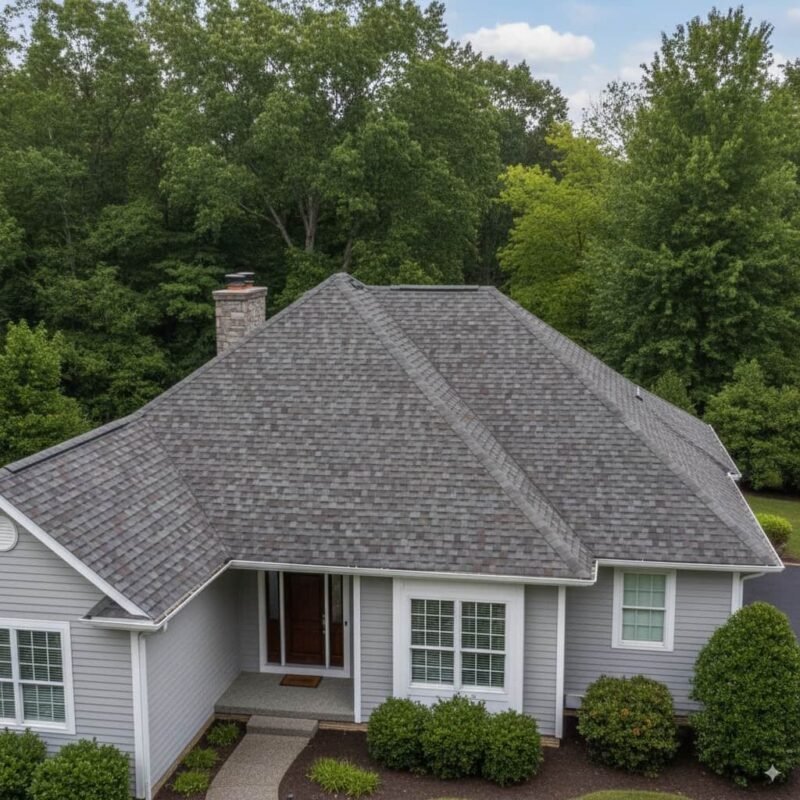
The cost to install an asphalt shingle roof varies depending on factors such as roof size, complexity, and material quality.
| Installation Type | Material Cost (per sq. ft.) | Labor Cost (per sq. ft.) | Total Cost (per sq. ft.) |
| Basic (3-tab shingles) | $1.50 – $2.50 | $1.50 – $2.50 | $3.00 – $5.00 |
| Mid-range (Architectural shingles) | $2.50 – $4.00 | $2.50 – $4.00 | $5.00 – $8.00 |
| Premium (Luxury shingles) | $4.00 – $6.00 | $4.00 – $6.00 | $8.00 – $12.00 |
Repair Cost (per sq. ft.)
Repair costs depend on the extent of the damage and the specific issues at hand. Here’s a general idea:
| Repair Type | Material Cost (per sq. ft.) | Labor Cost (per sq. ft.) | Total Cost (per sq. ft.) |
| Minor repairs (e.g., replacing a few shingles) | $1.00 – $2.00 | $1.00 – $2.00 | $2.00 – $4.00 |
| Moderate repairs (e.g., fixing leaks, replacing flashing) | $2.00 – $4.00 | $2.00 – $4.00 | $4.00 – $8.00 |
| Major repairs (e.g., extensive water damage, structural issues) | $4.00 – $6.00 | $4.00 – $6.00 | $8.00 – $12.00 |
Comparison Between Asphalt Shingles and Other Common Roofing Materials
When selecting a roofing material, it’s vital to compare various options based on factors such as cost, durability, and maintenance requirements. While asphalt shingles are popular, there are several other roofing materials that may suit different needs. Below is a comparison of asphalt shingles with six other common roofing materials.
| Factor | Asphalt Shingles | Metal Roofing | Wood Shingles | Slate Roofing | TPO Roofing | EPDM Roofing |
| Cost (per sq. ft.) | $3 – $5 | $6 – $12 | $5 – $10 | $10 – $15 | $5 – $16 | $4 – $12 |
| Lifespan | 15-30 years | 40-70 years | 25-50 years | 50-100 years | 15-25 years | 20-30 years |
| Durability | Moderate | High | Moderate | Very High | High | High |
| Maintenance | Low | Low | High | Very Low | Low | Low |
| Weather Resistance | Good (winds, rain) | Excellent (snow, hail) | Moderate (susceptible to moisture) | Excellent (fire, wind) | Excellent (flat roof use) | Excellent (flat roof use) |
| Energy Efficiency | Moderate | High | Moderate | High | Excellent (reflective) | Good |
| Appearance | Variety of colors/styles | Modern, sleek | Rustic, natural look | Elegant, classic | Limited (usually white) | Limited (usually black) |
How Long Do Asphalt Shingles Last?
Asphalt shingles typically last between 15 and 30 years. It depends on the quality and maintenance. Factors such as climate, installation, and care can also impact their lifespan. Regular inspections and repairs can help extend the life of your roof.
Are Asphalt Shingles the Right Choice for Brooklyn’s Weather?
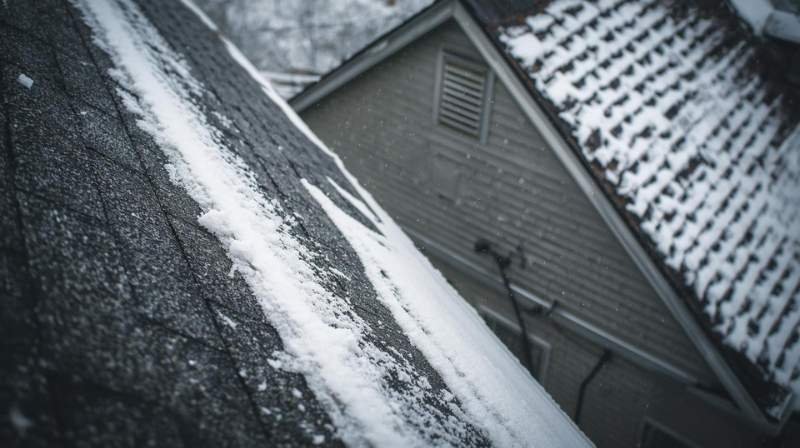
Asphalt shingles are a great choice for Brooklyn due to their ability to handle moderate to heavy rainfall and snow. They are affordable and provide good protection against the elements, which is crucial in Brooklyn’s climate. However, if your home is exposed to extreme weather conditions, you may want to consider premium options, such as architectural shingles, for added durability.
Where to Choose a Professional Roofing Contractor?
Are you looking for an expert roofing contractor in Brooklyn, NYC? SR General Construction has you covered! Our business is located at 8807 Avenue B, Brooklyn, NY 11236, United States, in the Canarsie area.
We proudly serve all areas of Brooklyn with high-quality, durable roofing solutions. From new installations to repairs and maintenance, we provide the best service at affordable prices. Contact us and experience why we’re Brooklyn’s roofing experts!
FAQ
1. What is an asphalt shingle roof?
An asphalt shingle roof is a common type of roof made of layers of asphalt-coated materials. It’s affordable, durable, and easy to install, making it a popular choice for many homeowners.
2. How long do asphalt shingles last?
Asphalt shingles typically last between 15 and 30 years. Their lifespan depends on the quality of the shingles and the climate.
3. Are asphalt shingles easy to install?
Yes, asphalt shingles are relatively easy to install. Their lightweight and simple installation process makes them a popular choice for homeowners and contractors.
4. What are the types of asphalt shingles?
The main types of asphalt shingles are 3-tab, architectural, designer, impact-resistant, and luxury shingles. Each offers different benefits based on durability and appearance.
5. How much do asphalt shingles cost?
Asphalt shingles cost between $3 and $5 per square foot. It depends on the type and installation requirements.
6. What is the best type of asphalt shingles for Brooklyn?
Architectural shingles are the best choice for Brooklyn. They are durable, wind-resistant, and last longer than other types, which makes them ideal for Brooklyn’s weather.
7. What is the difference between 3-tab and architectural shingles?
3-tab shingles are affordable but have a shorter lifespan, while architectural shingles are more durable, have a textured look, and can last longer.